A/B Testing vs. Multivariate Testing: Key Differences and When to Use Each

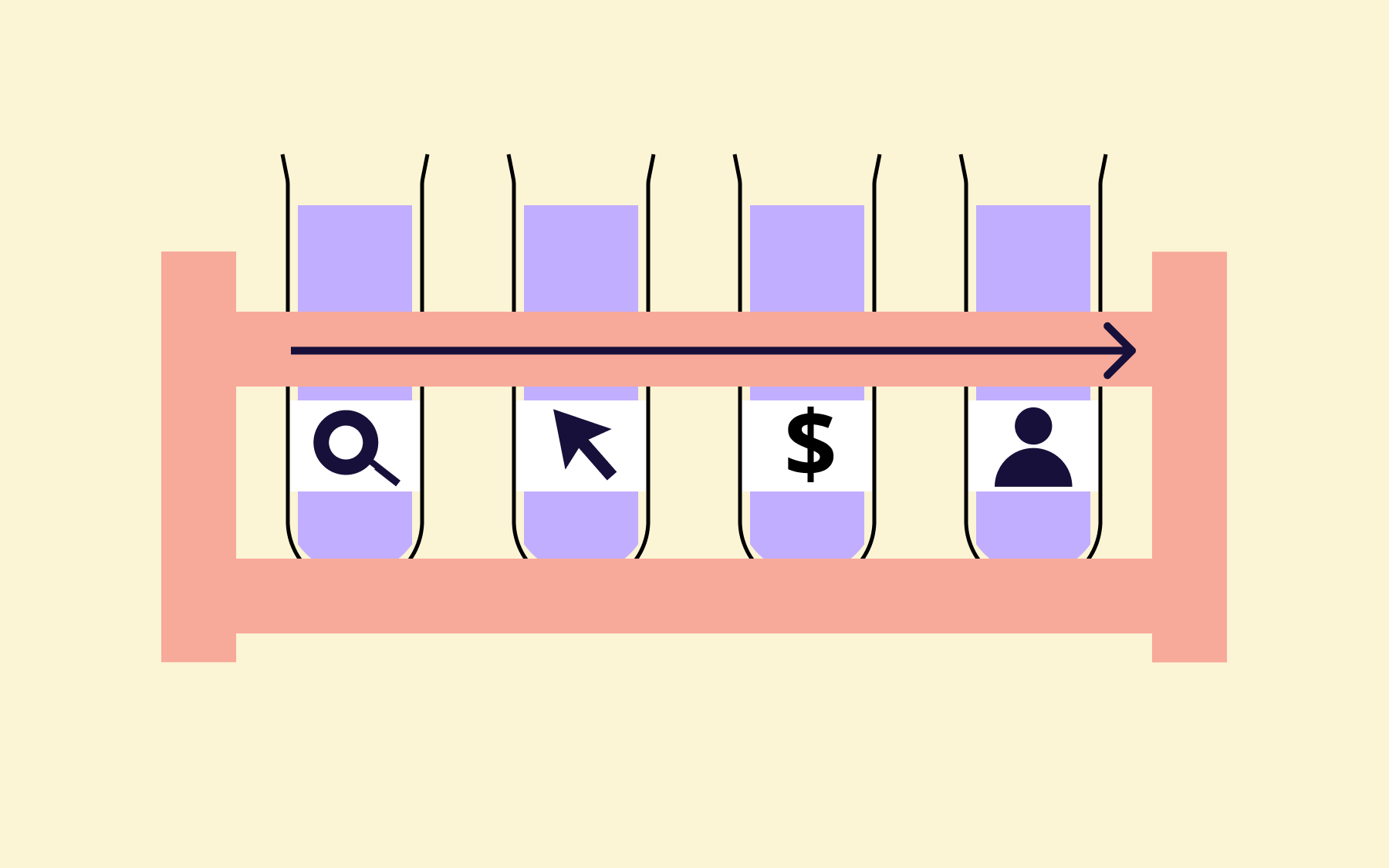
A single incision tells you whether the procedure worked. Exploratory surgery tells you why.
That's the real shape of the A/B testing vs. multivariate testing decision, and most teams get it backwards—picking a test because it sounds more rigorous, not because their traffic can support it. Then they wonder why the multivariate test they ran for six weeks came back inconclusive.
The patient, here, is your traffic: your website traffic if you're testing a page, your active users if you're testing a feature. However many site visitors your landing page pulls, that number decides whether you get to ask if something worked, or whether you get to ask which piece of it actually did the work.
Decide which question you're asking before you start testing. Everything below is mechanics: how each method works, what each one costs in traffic and statistical significance, and where feature flags change what's possible once you've made the call.
What's the difference between A/B testing and multivariate testing?
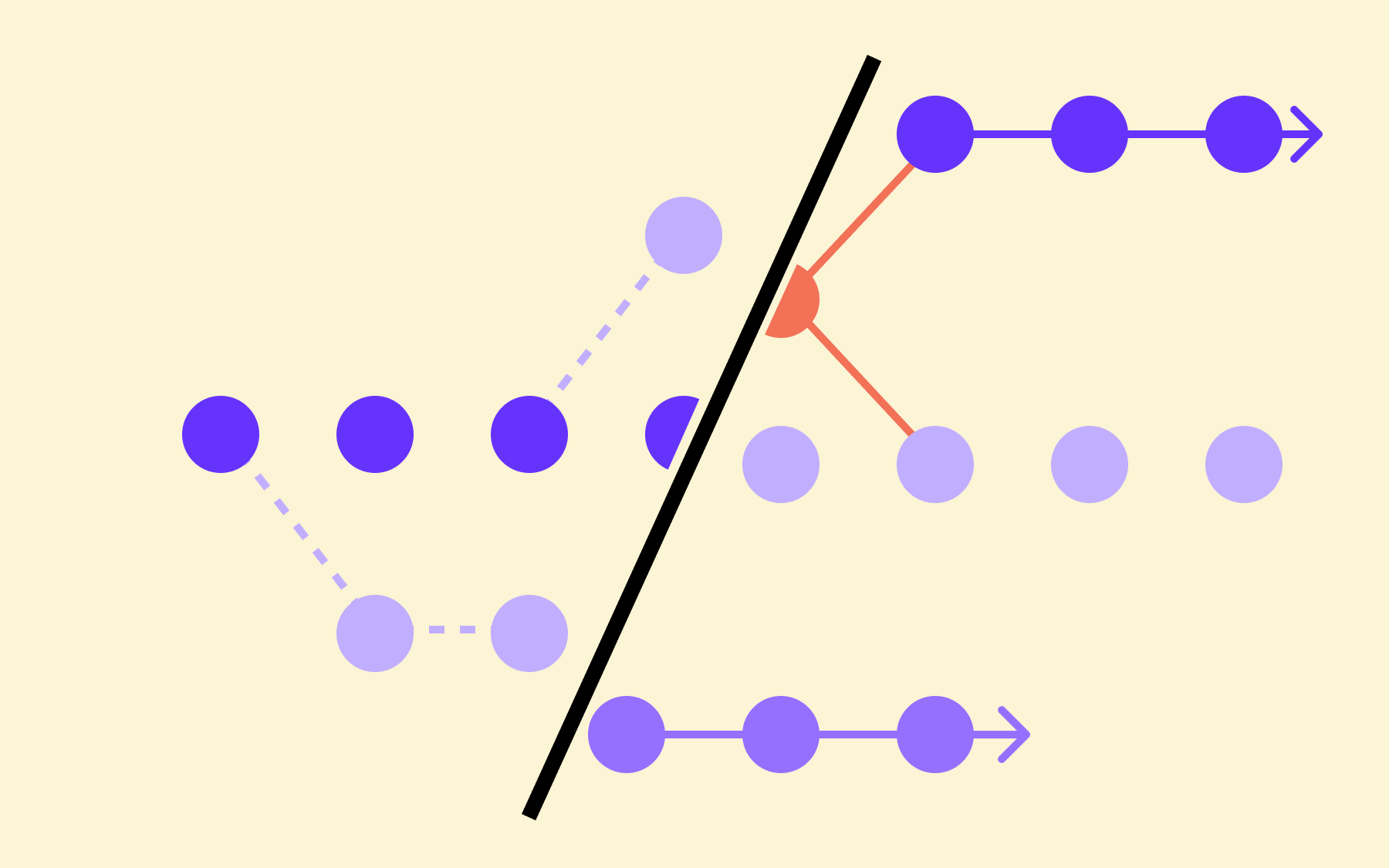
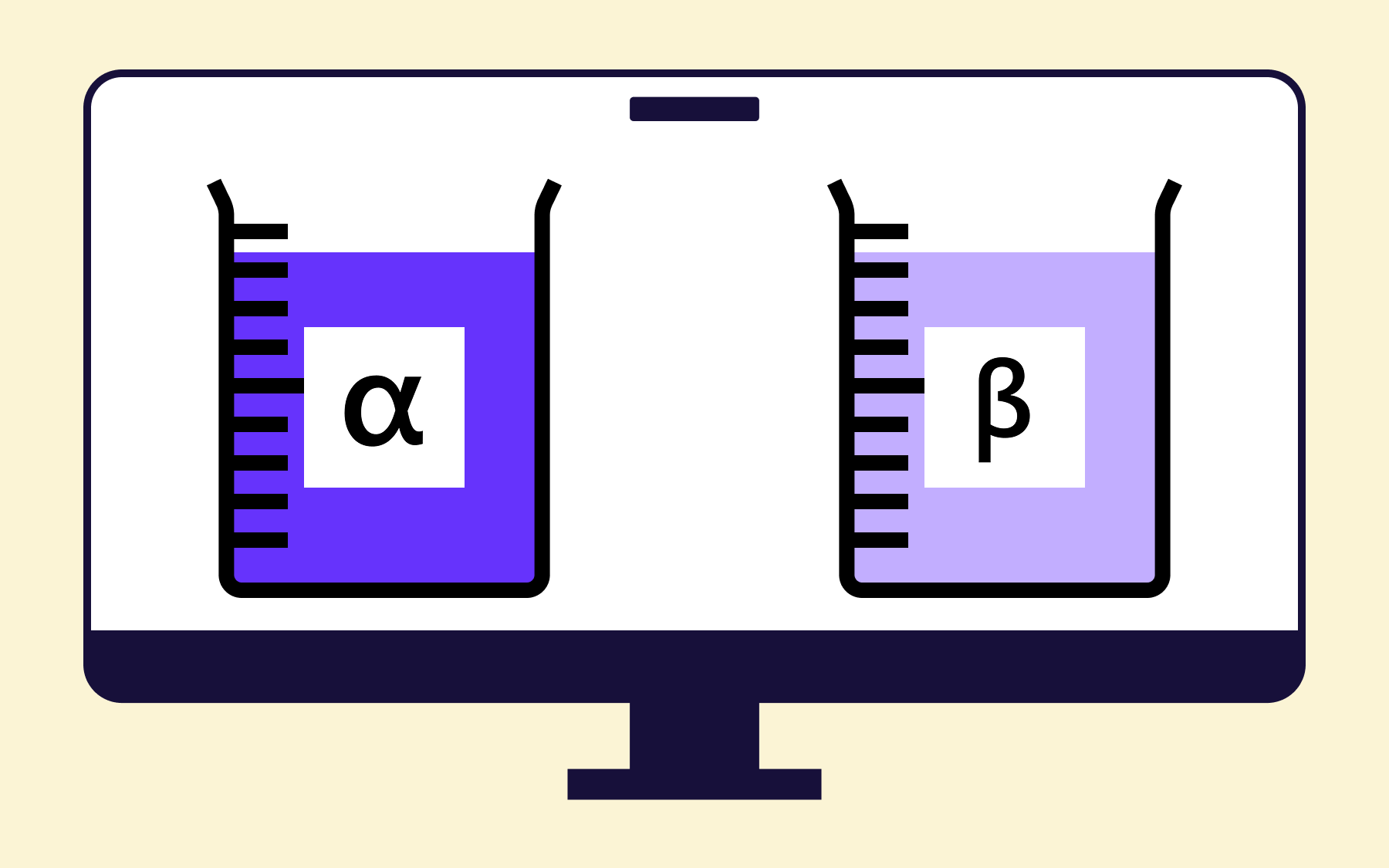
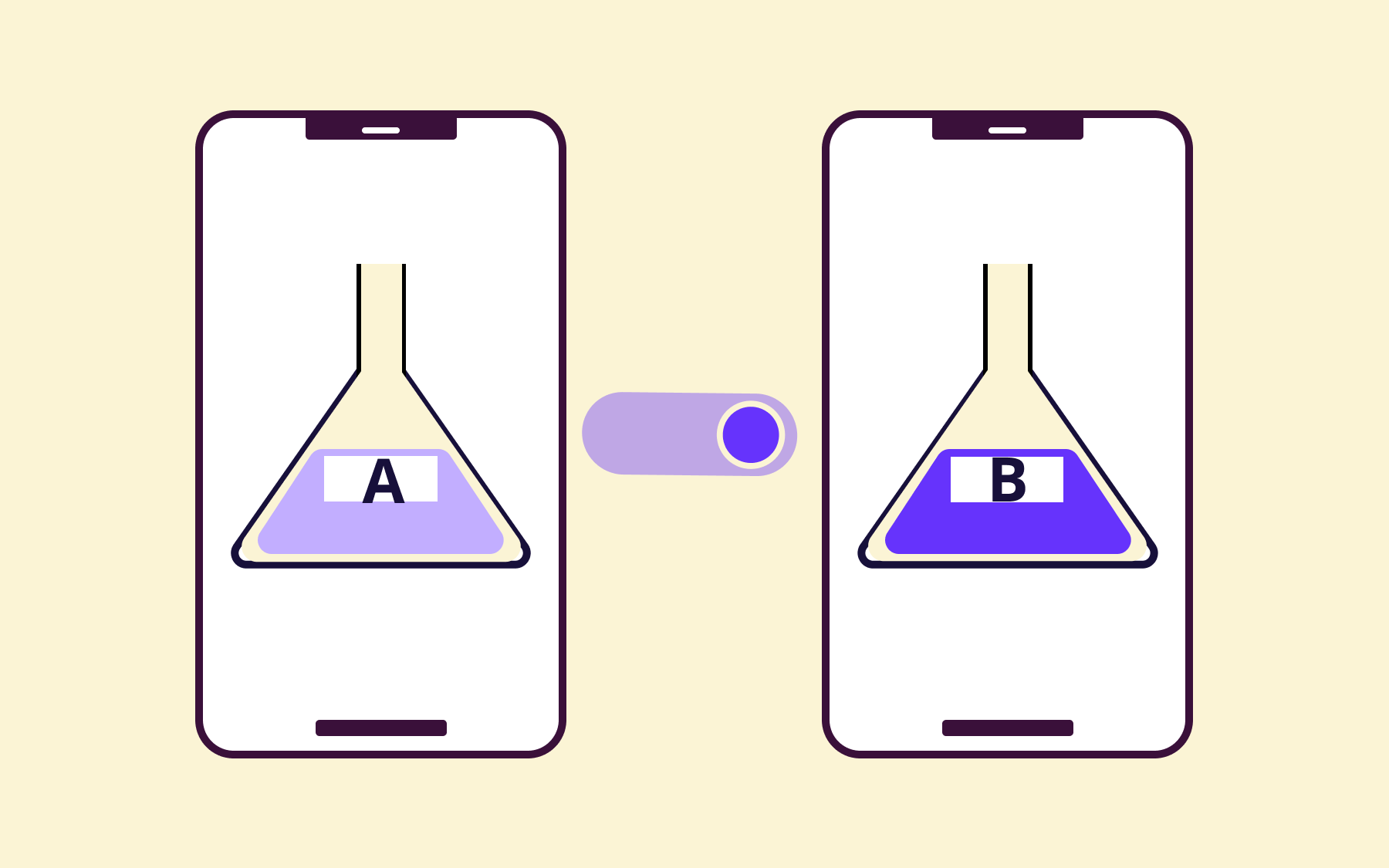
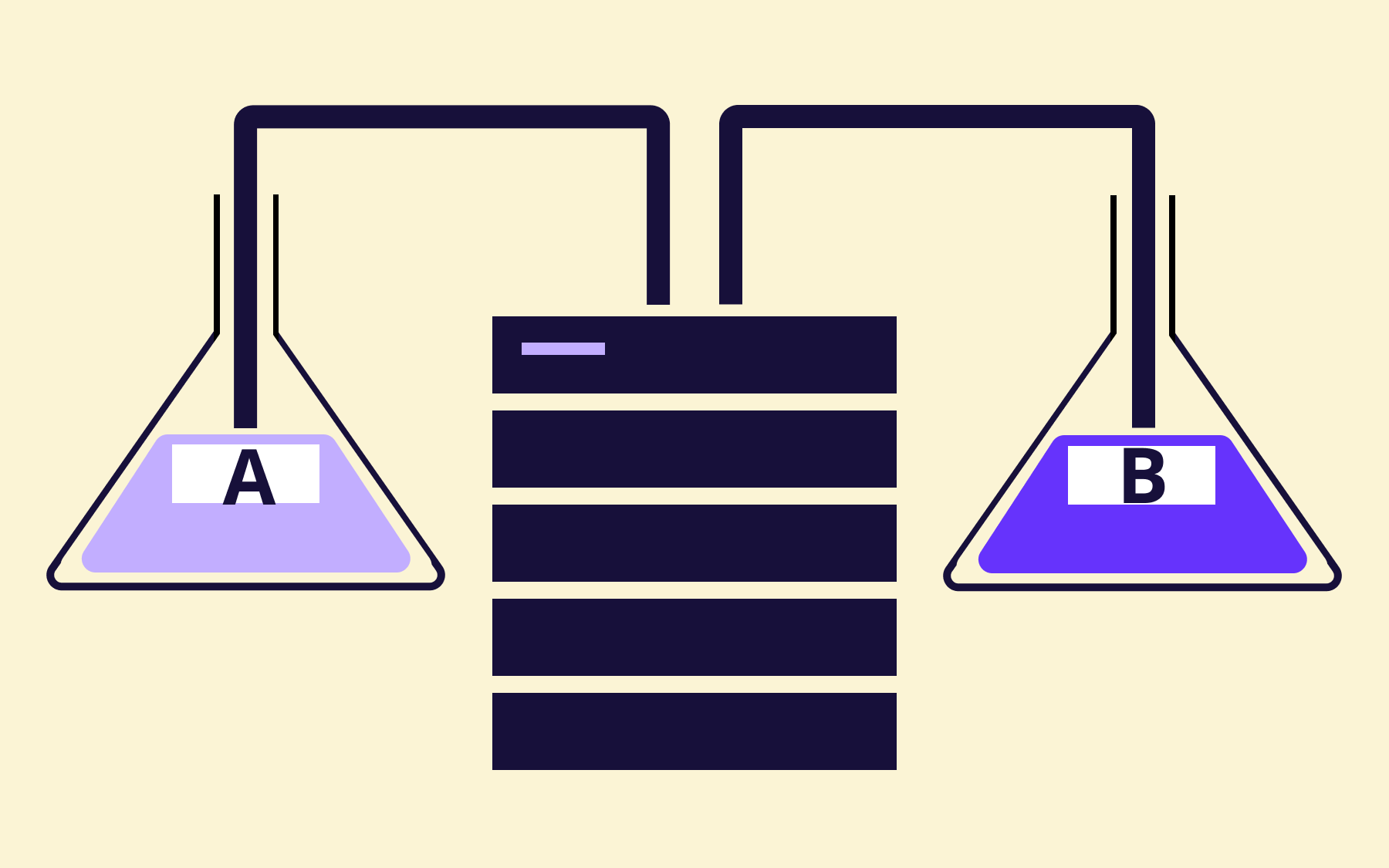
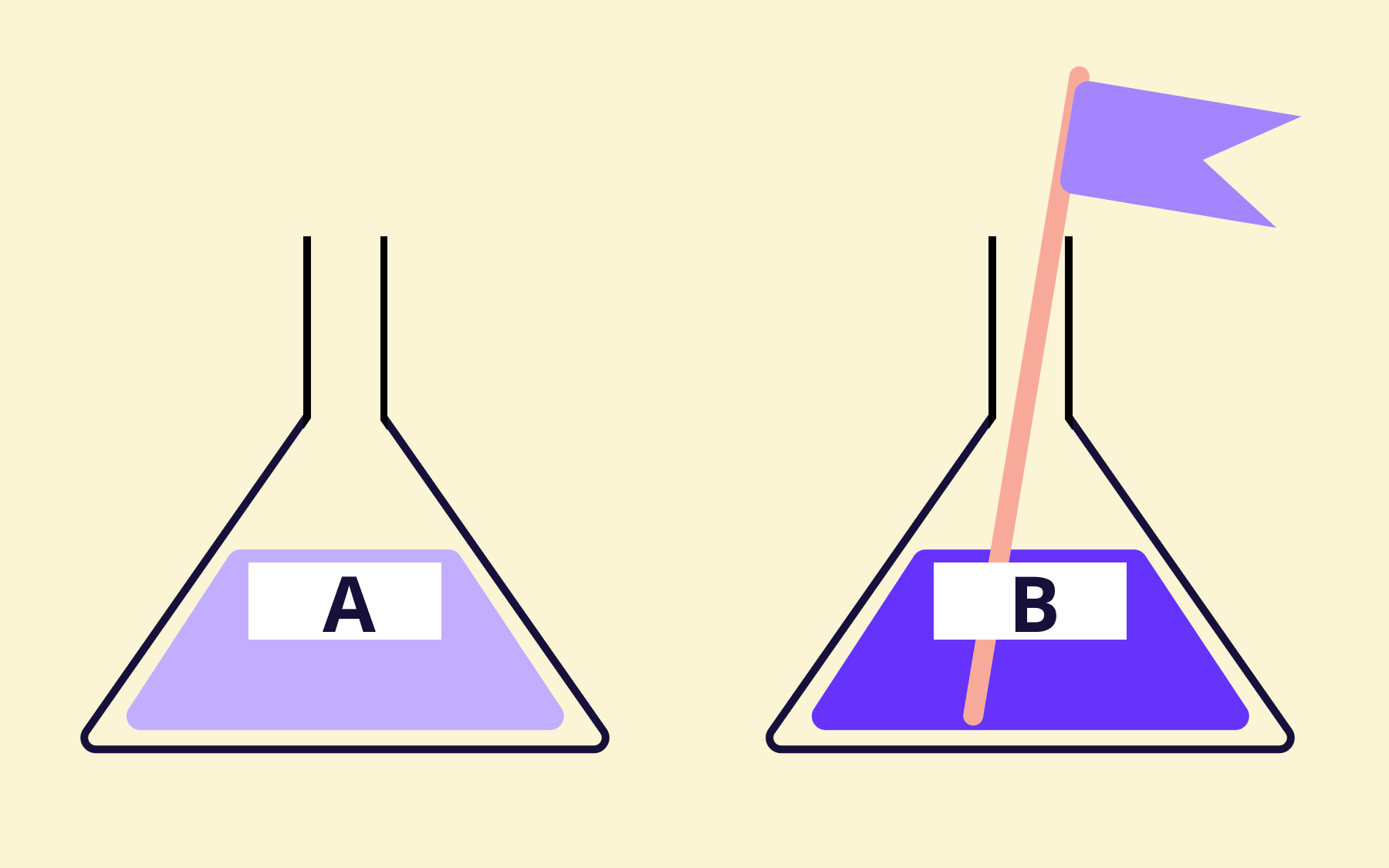
With A/B testing—sometimes called split testing—you put two different versions of the same web page or feature in front of live traffic: a control (version A) and a version B, with a single element changed. Split the traffic, watch how users interact with each version, and compare the metric your testing. One incision. One question. One answer.
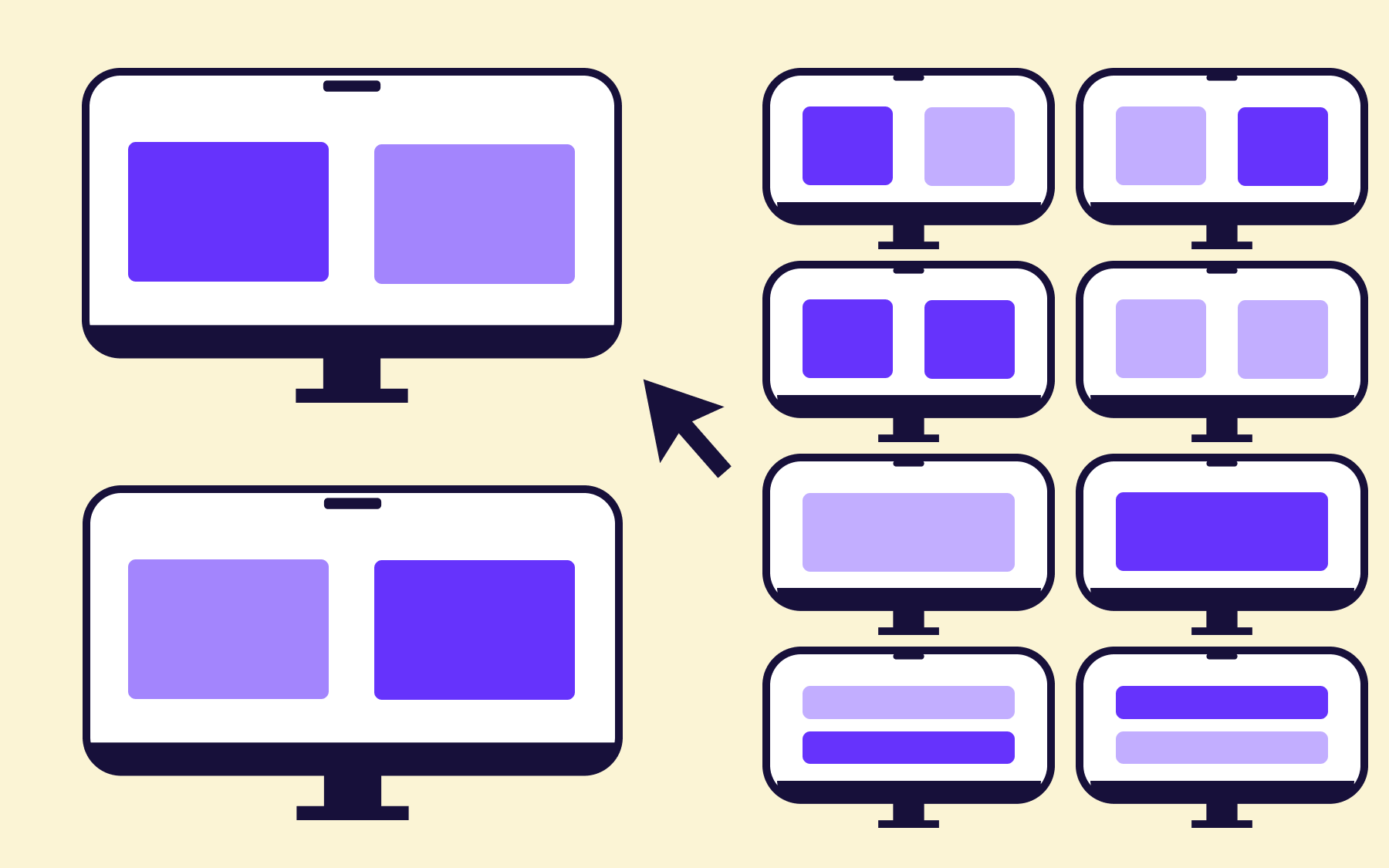
With multivariate testing, you change several elements on the same page or feature at once, then test multiple combinations those elements can form, learning which individual elements did the improving, and whether they helped or hurt each other along the way, not just whether the whole page improved.
Exploratory surgery: you're inside multiple systems at once, watching how different elements interact, not just whether the patient wakes up.
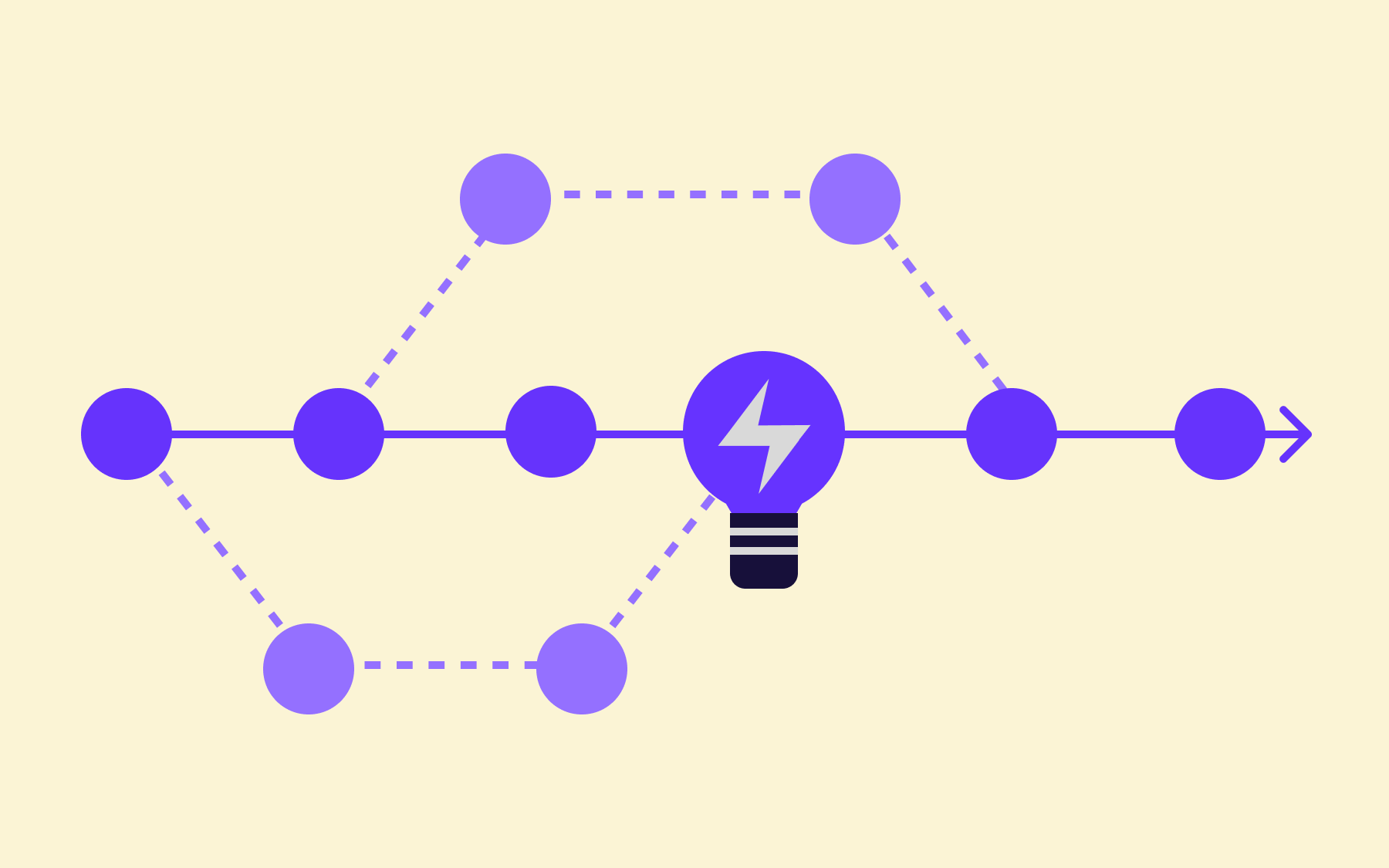
The core mechanism is the same for both: split traffic, watch a conversion goal, and compare results. Scope is what matters: are you comparing different versions, or are you testing variables?
How A/B testing works
Picture a checkout page with one weak call to action. You build a control page and a version B with a single element changed—a different button colour, a rewritten headline, whatever your hypothesis names. Live traffic gets split, usually 50/50, between the two pages.
If you're feeling ambitious, you can compare more than two pages at once—known as an AB/n test—but the mechanics don't change. Keeping tracked variables deliberately small means an A/B test can deliver reliable data without needing a large number of visitors to determine which version performs better.
The appeal is speed: A/B testing asks one clean question and answers it fast enough to inform whoever's waiting on the result, without needing substantial traffic to get there.
How multivariate testing works
Now picture the same checkout page, either on a website or in-app, except you've got decisions to make across several design elements at once—the headline, the CTA copy, the hero image, and the trust badge underneath it.
A multivariate test doesn't force you to pick one fight. You change multiple variables on the page at once and build every combination those elements can form—change even two elements together and, with two variables in play, the combinations already add up fast.
Three headlines, two CTAs, and two images—headline one paired with image A, headline one paired with image B, and so on—is twelve page variations, not two, once every combination is accounted for.
Traffic that comfortably powered an A/B test gets divided twelve ways instead of two, and each of those test pages needs enough visits on its own to obtain meaningful data.
Add a fourth variable and the combinations multiply again. Full factorial testing—testing every possible combination rather than a curated subset—doesn't cut corners on the experimentation, so it can't cut corners on the traffic requirements either.
Multivariate testing vs. A/B testing: key differences
Line them up side by side and the traffic requirement is the number that decides most real-world cases before anyone even reads the test results.
Notice what that table doesn't say: that multivariate testing is more advanced, or that A/B testing is only for beginners still learning testing methods.
Both tests explain user behaviour, just different slices of it—neither is inherently better. They answer different questions, and picking the wrong one for your traffic is how six weeks of live traffic turns into a result nobody trusts.
Multivariate vs. A/B testing: when to use each
Strip the caveats away and when to use each comes down to two short lists.
When to run an A/B test
Run an A/B test when:
- You're testing one element
- Two versions are different enough that combinations wouldn't add anything—a full redesign against the old one, say
- Traffic is limited and a readable result matters more than a granular one
- The team still needs convincing that testing works at all—nothing quickly demonstrates that like a test with just one variation, landing in days rather than months
When to run a multivariate test
Run a multivariate test when:
- A page or feature already receives substantial traffic, and you're refining something that already works rather than testing a brand-new idea
- You need to know which specific elements drive user engagement, not just which whole version wins
- The same element— a shared CTA, a nav bar, a footer—shows up across several different pages at once, so whatever you learn compounds into future campaigns instead of applying to a single page
Beyond the landing page: the same decision for product features
The same A/B testing vs. multivariate testing decision shows up anywhere you ship a change behind a feature flag: an onboarding flow, an in-app upsell, a pricing page inside the product, or a checkout step nobody thinks to treat as a landing page.
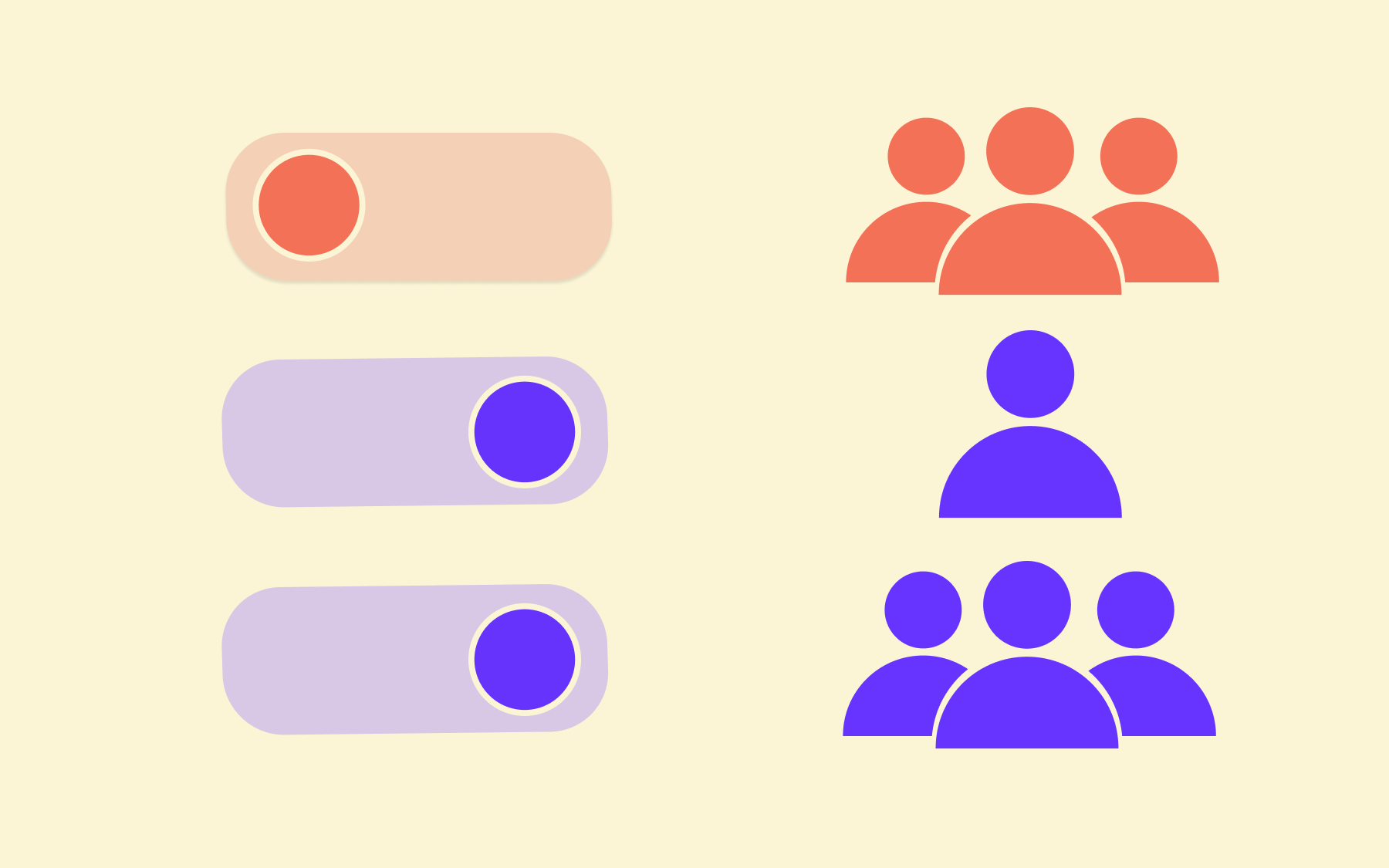
The mechanism that makes this possible on the product side is a multivariate flag: one flag, multiple weighted variants, the same identity bucketed into the same variant every time they show up.
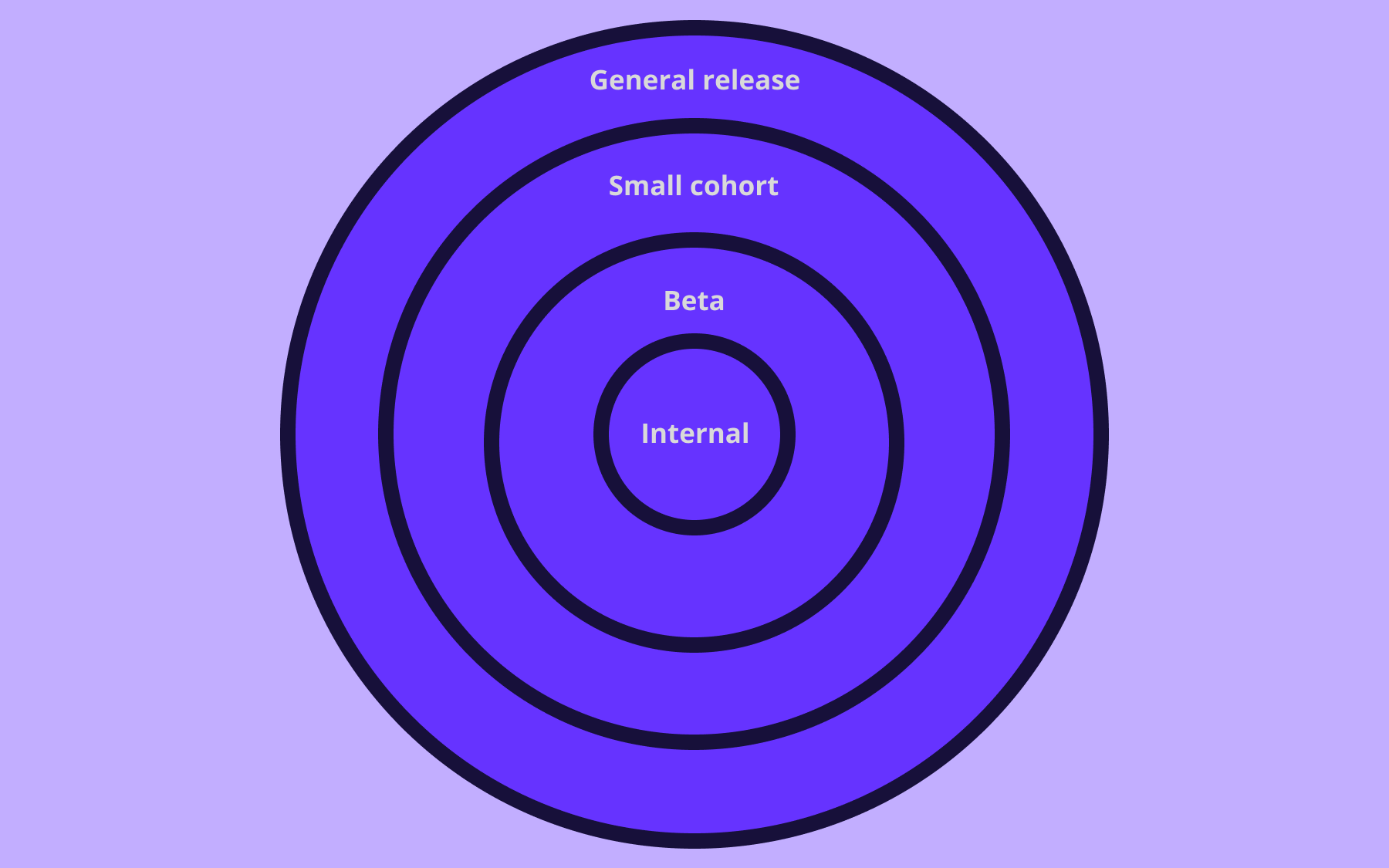
It's the same infrastructure a backend team uses to roll out a new caching strategy to 5% of traffic, repurposed to ask a testing question instead of a deployment question.
When you test a feature, the version and the variable live in your codebase, not a page builder—app interface behaviour and site visitors are just as important as they do on a landing page. Same core mechanism, different surface.
Running A/B and multivariate tests on feature flags
Put either test behind a flag, and you get an off switch that works in seconds, not a redeploy cycle.
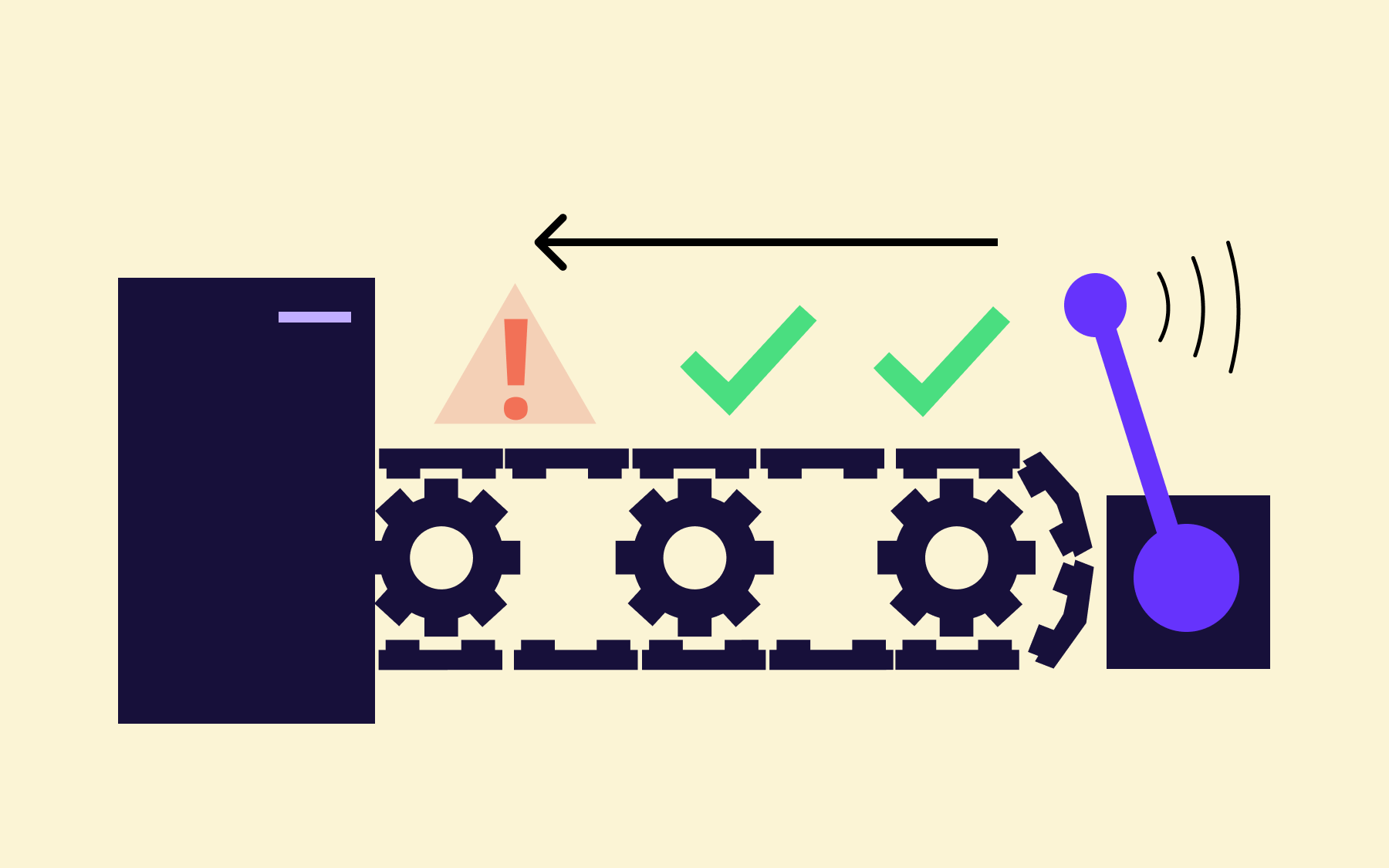
If a page variation tanks your conversion rate, or a variant has a negative impact on checkout, you kill it without touching a line of code. Teams once cautious about testing, because a bad variant meant an emergency deploy, get a lot braver once rollback is instant.
Flagsmith's Experimentation enables you toserve variants through a multivariate flag, connect a warehouse and define the metrics you're measuring, then your application records exposures and conversion events against them.
You read the result—lift, credible intervals, and win probability—from a built-in Bayesian statistics engine, instead of exporting to a spreadsheet and hoping your maths holds up.
Event collection currently covers the JavaScript and Python SDKs, with more on the way, and the PayPal button example in the docs walks the whole thing end to end.
Once you've decided which test to run, you're not stitching together a separate CRO tool, a data warehouse, and a stats engine just to read the result. Get in touch if you are interested in Experimentation .
If you'd rather keep your existing analytics platform, A/B testing with an integration with your own tool remains fully supported.
Common mistakes when choosing between the two
- Running underpowered. Testing a multivariate test on traffic that can't support it, then treating an inconclusive result as a null one. They're not the same thing—without enough data, an inconclusive result isn't evidence the elements aren't important; it's evidence you didn't collect enough data points to tell.
- Skipping the hypothesis. Treating an A/B test as "the simple one" and skipping the hypothesis behind it. A fast test that answers a question nobody asked wastes the only advantage A/B testing has. Ship a version because you expect a specific effect, positive or negative, not because someone had an idea in standup.
- Reading elements in isolation. Treating multivariate results as if each element performed independently, when variables interact. A headline that wins alone can lose when paired with a certain image, and only a multivariate test shows you that, but only if you actually analyse the combinations rather than just which single combination came out on top. An underpowered test just produces noise dressed up as an answer.
Conclusion
A/B testing vs. multivariate testing was never really a question about which test is more complex and insightful; it's a question about your traffic or user numbers.
Run the A/B test when you need a fast, defensible answer to one question. Run the multivariate test when you've got the traffic to ask several at once and the patience to read the combinations properly.
Both are still surgery. The only real upgrade feature flags give you is a way to close the incision the second something looks wrong, instead of waiting for the next release to stop the bleeding.
If you want that closer to hand before you start cutting, sign up to Flagsmith and set up your first multivariate flag.
A/B testing vs. multivariate testing FAQs
Is multivariate testing more accurate than A/B testing?
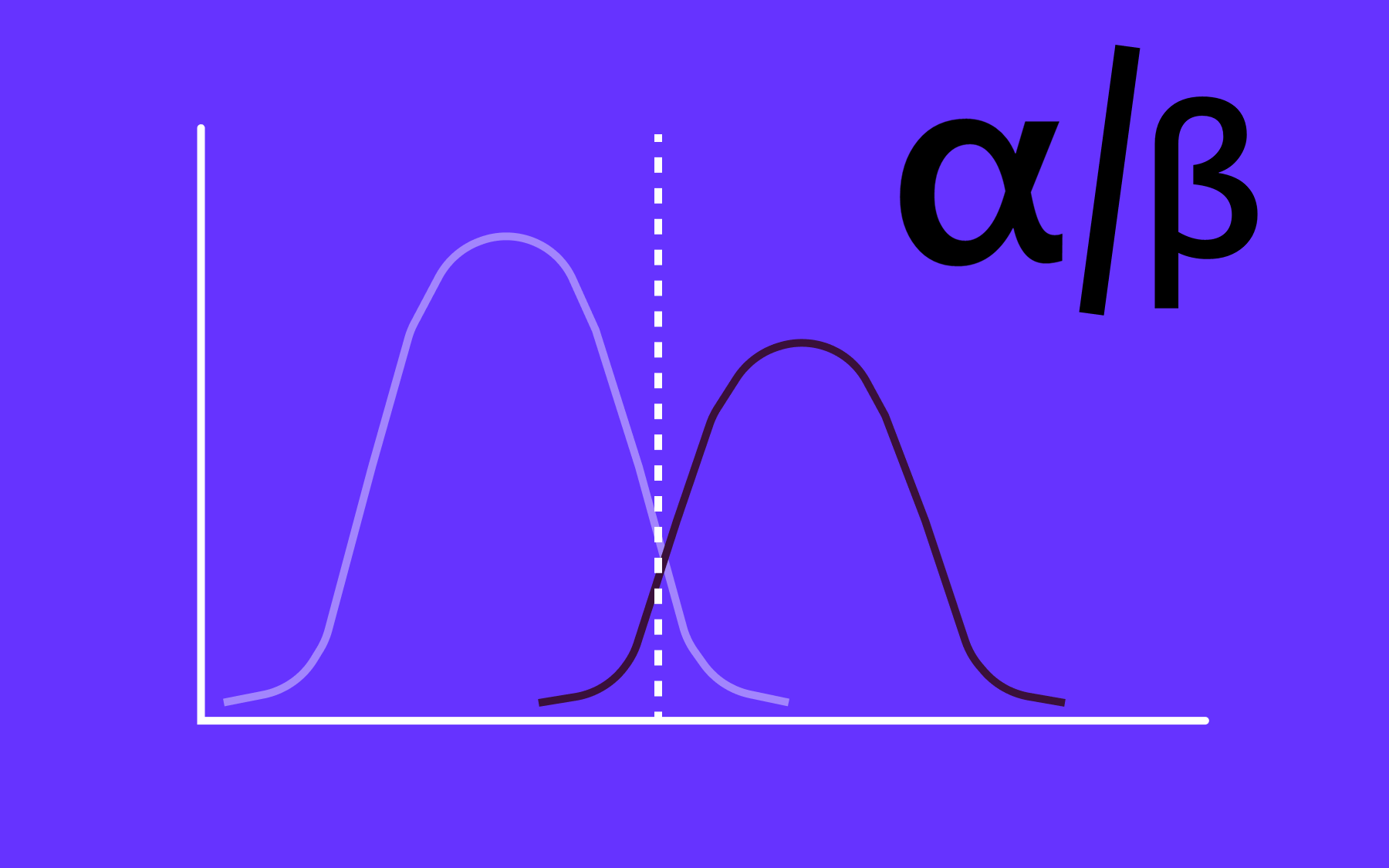
No. It's more granular. A well-powered A/B test and a well-powered multivariate test are both statistically valid; multivariate testing just answers a more detailed question, which only gets you meaningful results if you have the traffic to analyse the results properly. Run it underpowered, and all you've done is slow down the process of being wrong.
How much traffic do you need to run a multivariate test?
Enough that dividing your current traffic by the number of combinations still leaves each version enough visits to reach statistical significance in a reasonable time frame. No fixed traffic requirement applies everywhere; it depends on your existing conversion rate and how big a difference you're trying to detect.
Can you run A/B testing and multivariate testing on the same page or feature?
Yes, just not at the same time on the same element. A common sequence is an A/B test to validate a big new direction, followed by a multivariate test once that direction is live and receiving enough traffic to refine the individual elements inside it.














































OpenTelemetry, without the vendor lock-in: Introducing full observability for Open Source and Self-Hosted Flagsmith customers