What is a Shadow Deployment and When Should You Use One?

A stunt double takes every hit the star is supposed to take. Same fall, same stunt, same risk. Nobody in the audience ever sees it happen.
That's shadow deployment. You run your new version against real production traffic—the same requests, the same load, and the same edge cases—and nobody watching ever knows it happened. If it falls, only your team sees the fall.
This guide covers what shadow deployment is, why and when you'd reach for it over canary or blue-green deployment, how it actually works, and the tools and best practices that keep it from going wrong or proving too costly.
What is shadow deployment?
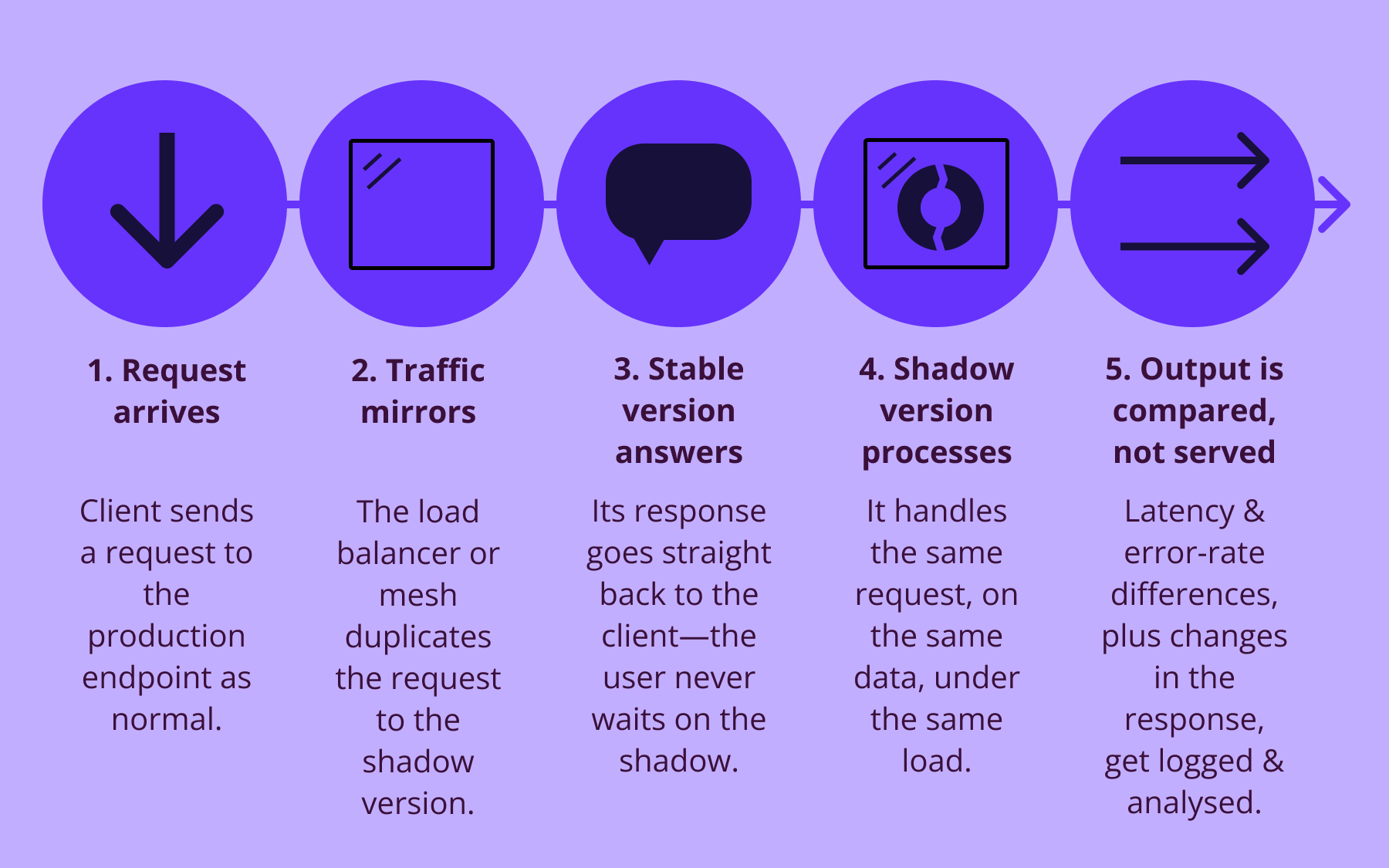
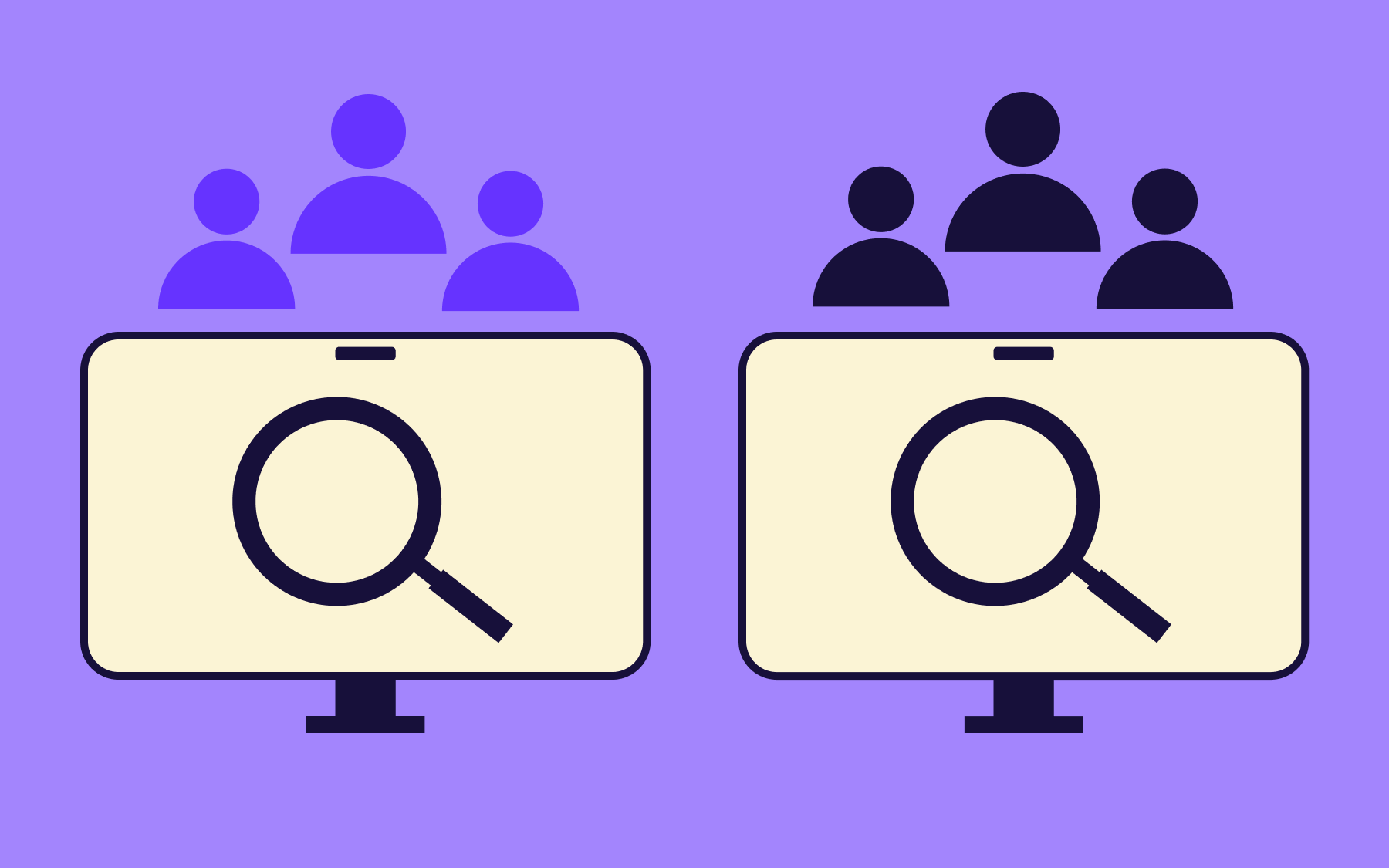
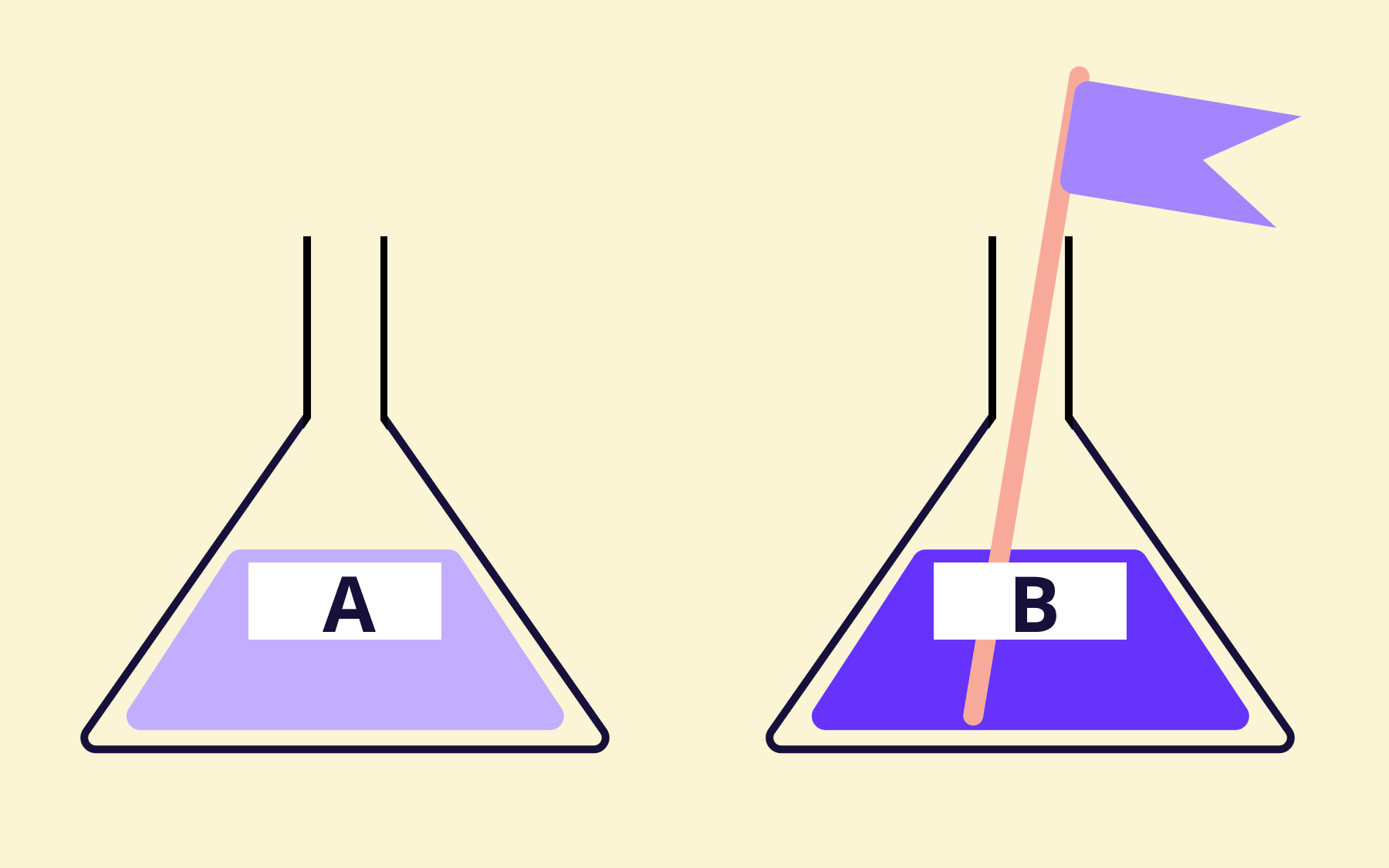
Shadow deployment is a deployment strategy where a new version of a service runs alongside the stable, live version and receives a mirrored copy of real production traffic. The stable version is what the user sees. The shadow version processes the exact same requests, and then its response gets logged, compared, and thrown away.
You'll also hear this called shadow mode deployment, more often in machine learning circles, where a new model version scores live requests next to the model currently in production. Same idea, different payload: instead of comparing API responses, you're comparing predictions.
By comparison, a canary release exposes real users to the new version—a small subset, but real people seeing real output.
Shadow deployment exposes real traffic to the new version and real users to nothing. The old version gets every request.
Shadow deployment trades cost for certainty—you pay for two environments running in parallel so you can answer, with production-grade confidence, whether the new one is ready.
Why use shadow deployment? How it reduces production release risk
Your staging environment is lying to you. Not maliciously—it just can't replicate the shape of real traffic: the burst patterns, the malformed requests, the retry storms, the customer who somehow sends a 4MB payload to an endpoint built for 4KB. Load testing gets you closer, but synthetic load is still guesswork.
With shadow deployment, you are no longer just guessing. It runs your new version against the actual traffic your production environment sees, at the actual volume, with the actual data shapes—and because nobody's looking at its output, the blast radius of a mistake is zero.
A wrong prediction, a slow query, a memory leak that only shows up at scale, a broken backward compatibility assumption—all of it surfaces in your logs, none of it reaches a user, none of it touches your conversion rate.
That's the trade a lot of teams get wrong. They treat shadow deployment as a nice-to-have; a final polish step before the version everyone already believes in ships.
Instead, you should use it as the gate for the change you're not sure about. A new pricing calculation. A model retrain. An API change where you think you've preserved backward compatibility and would like to find out before a downstream service finds out for you.
However, this risk reduction isn't free.
You're running two versions of a service against the same load. That's close to double the compute, for however long the test runs. Shadow deployment doesn't reduce infrastructure costs—it spends them deliberately, on certainty, instead of spending them accidentally, on an incident.
How shadow deployment works
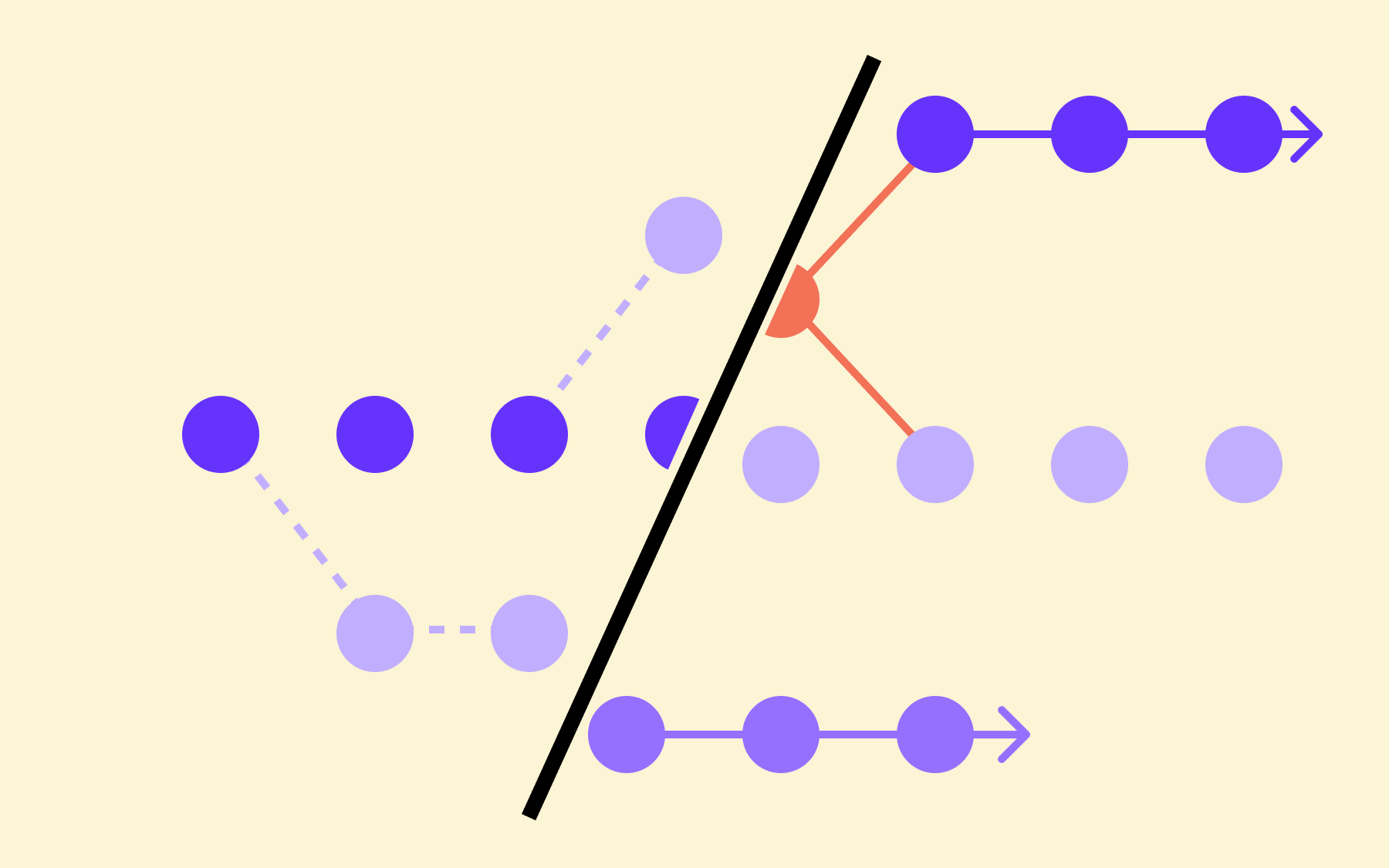
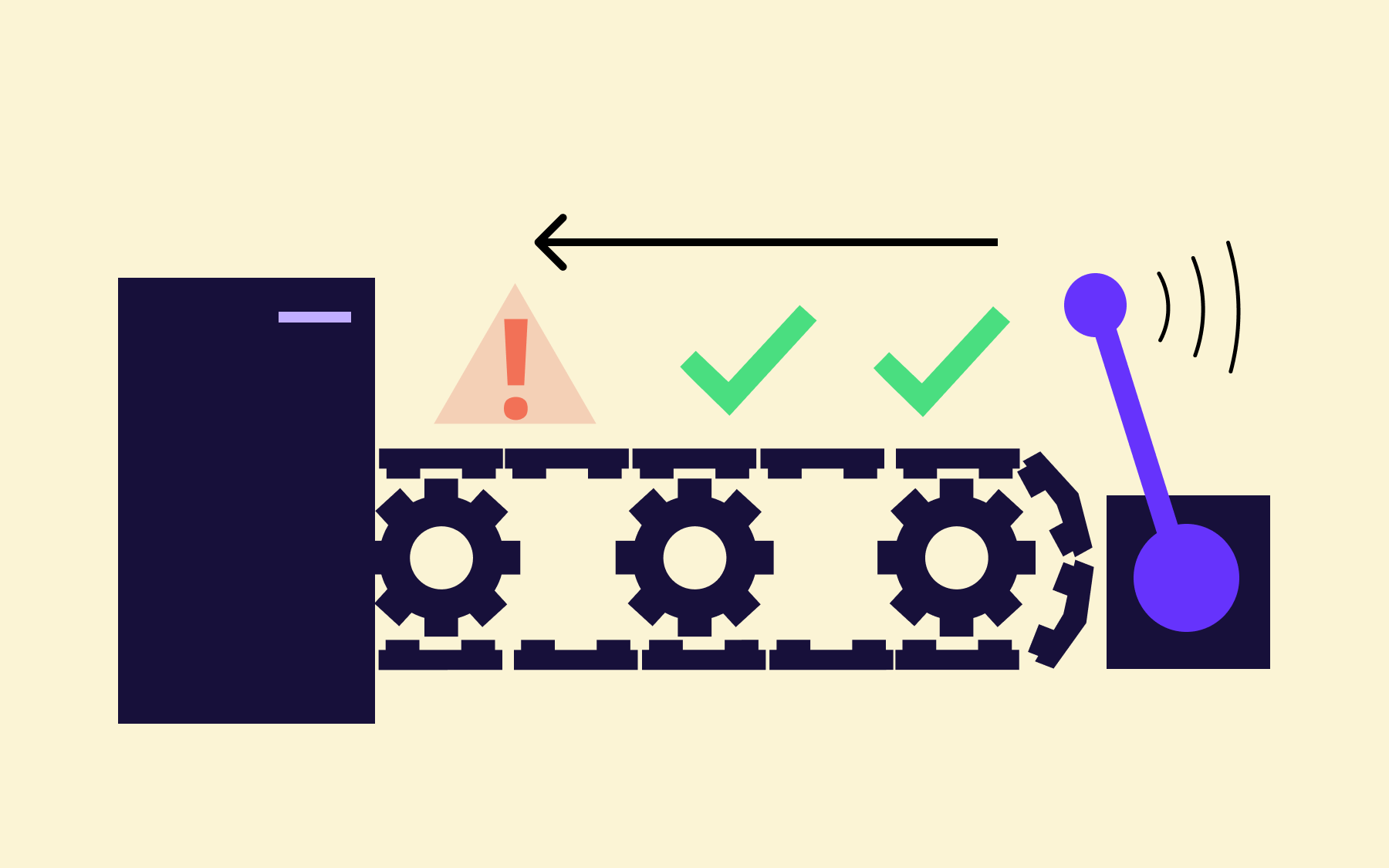
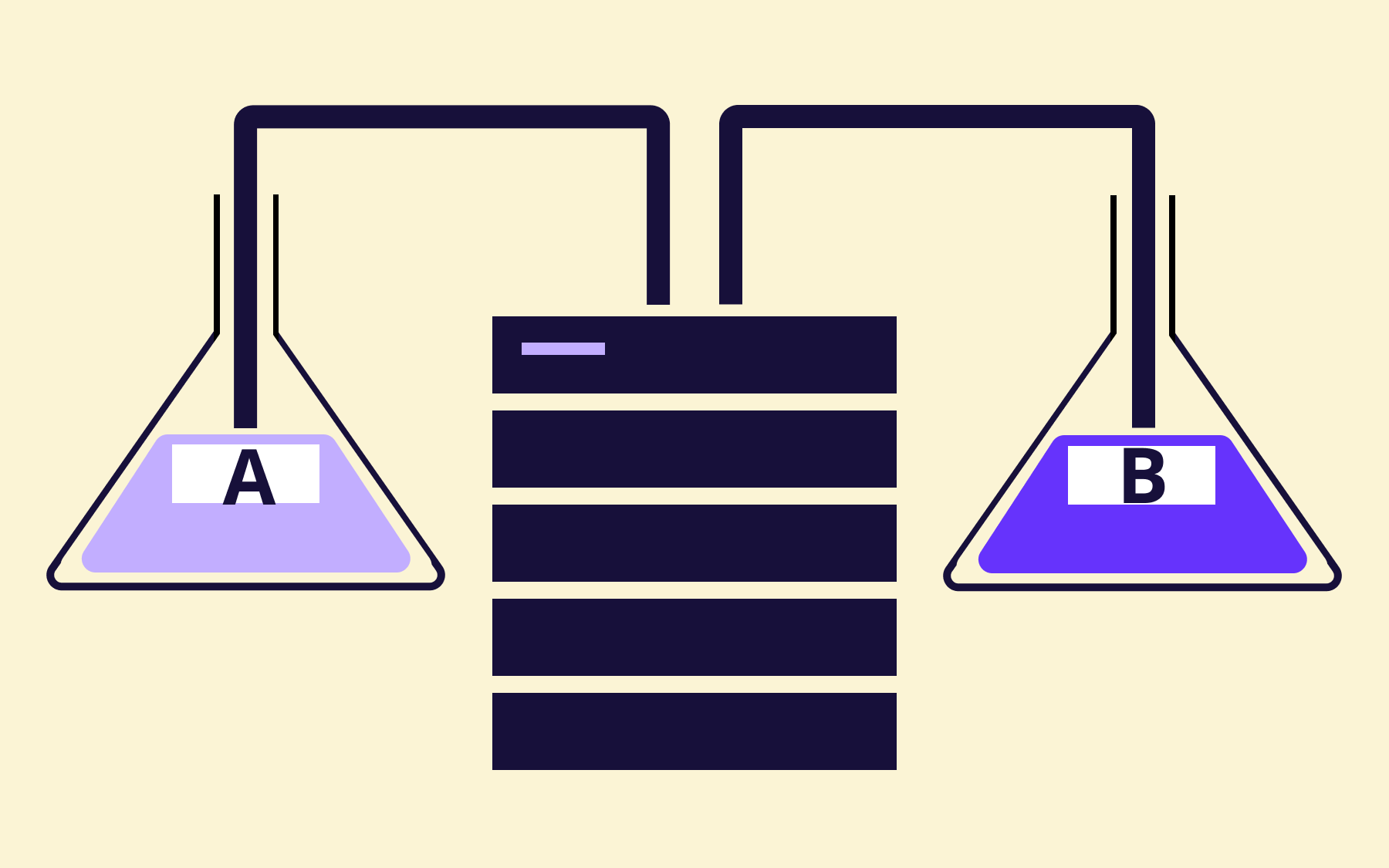
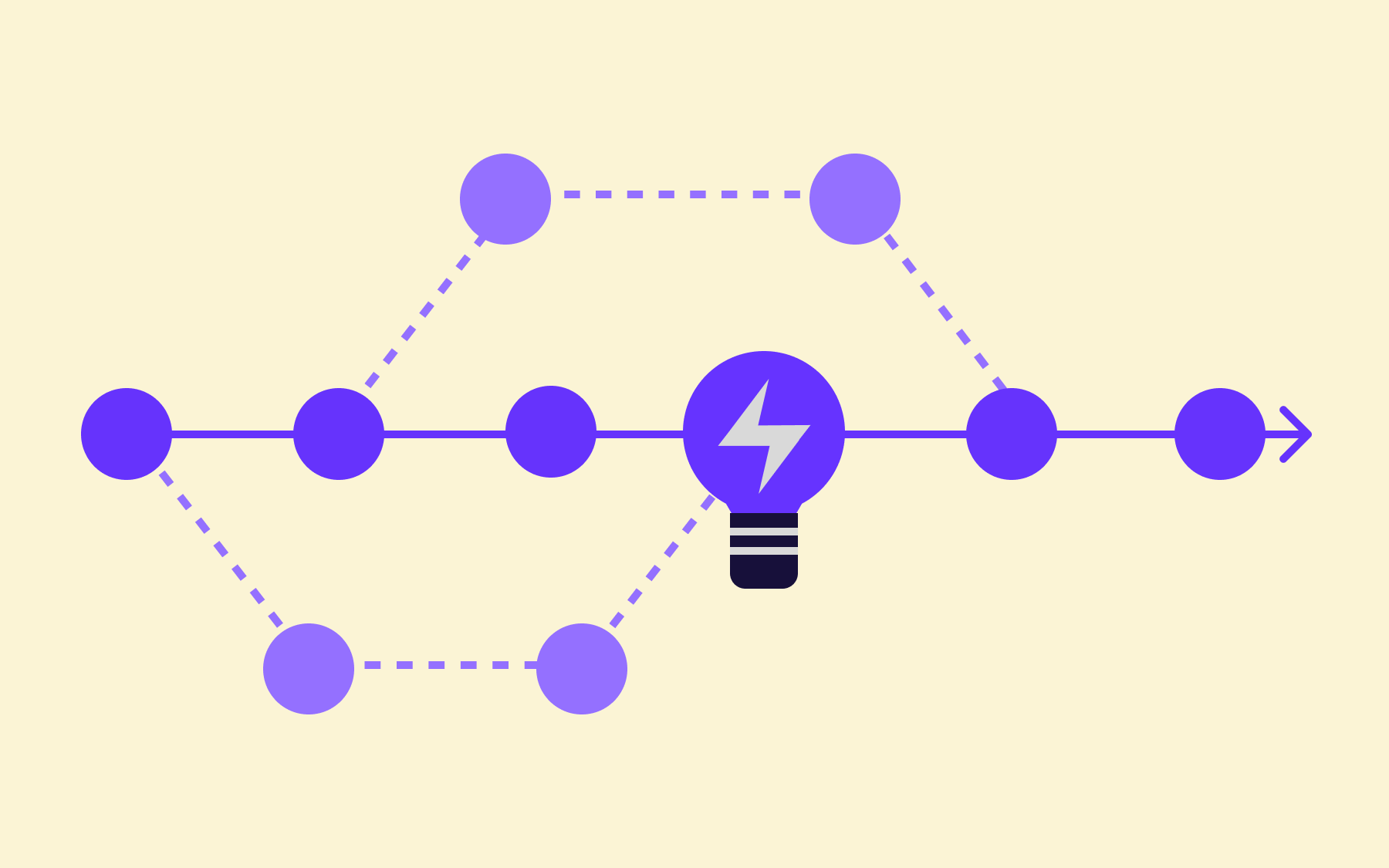
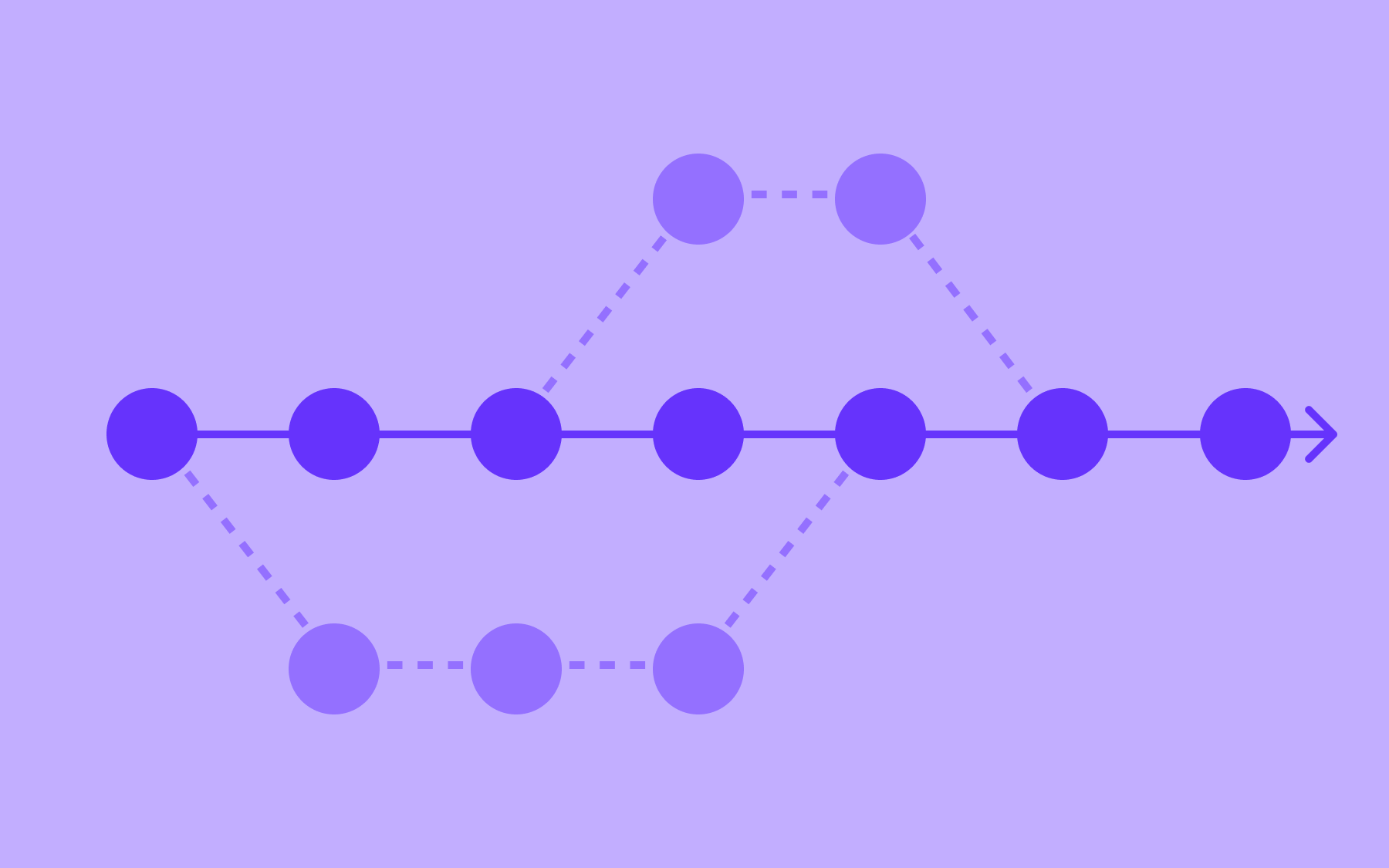
Strip away the tooling and the mechanism is simple. A load balancer or service mesh sits in front of both versions. Every incoming request gets duplicated: one copy goes to the stable version, one copy goes to the shadow version. The stable version's response goes back to the client, the way it always has. The shadow version's response goes into a log, alongside the stable response, for comparison.
Two ways to wire this up, and the difference is important for anything that writes data.
- Synchronous shadow handles the request in real time, right alongside the stable version. Good for read-heavy services where you want an immediate performance comparison.
- Asynchronous shadow processes a replayed or queued copy after the fact. It gives you more control over pacing and load, which is important as the shadow version could otherwise create a duplicate charge, a duplicate email, a duplicate shipment, or any other side effect a user would notice.
Read-only shadowing sidesteps the problem. Anything that writes needs a plan for where that write actually lands.
Shadow deployment vs. canary vs. blue-green: when to use each
These three get lumped together because they all reduce release risk. They reduce completely different kinds of risk, and picking the wrong one for the job is how your team ends up unable to answer the right questions.
Blue-green assumes you already trust the new version and just want a clean, instant cutover with an escape hatch. Shadow deployment assumes you don't trust it yet, and you're not willing to find out from a canary's worth of real users.
Shadow deployment suits payment logic or a backward-incompatible API change, where you don't want to use a canary deployment to catch a problem because the failure is expensive or hard to reverse.
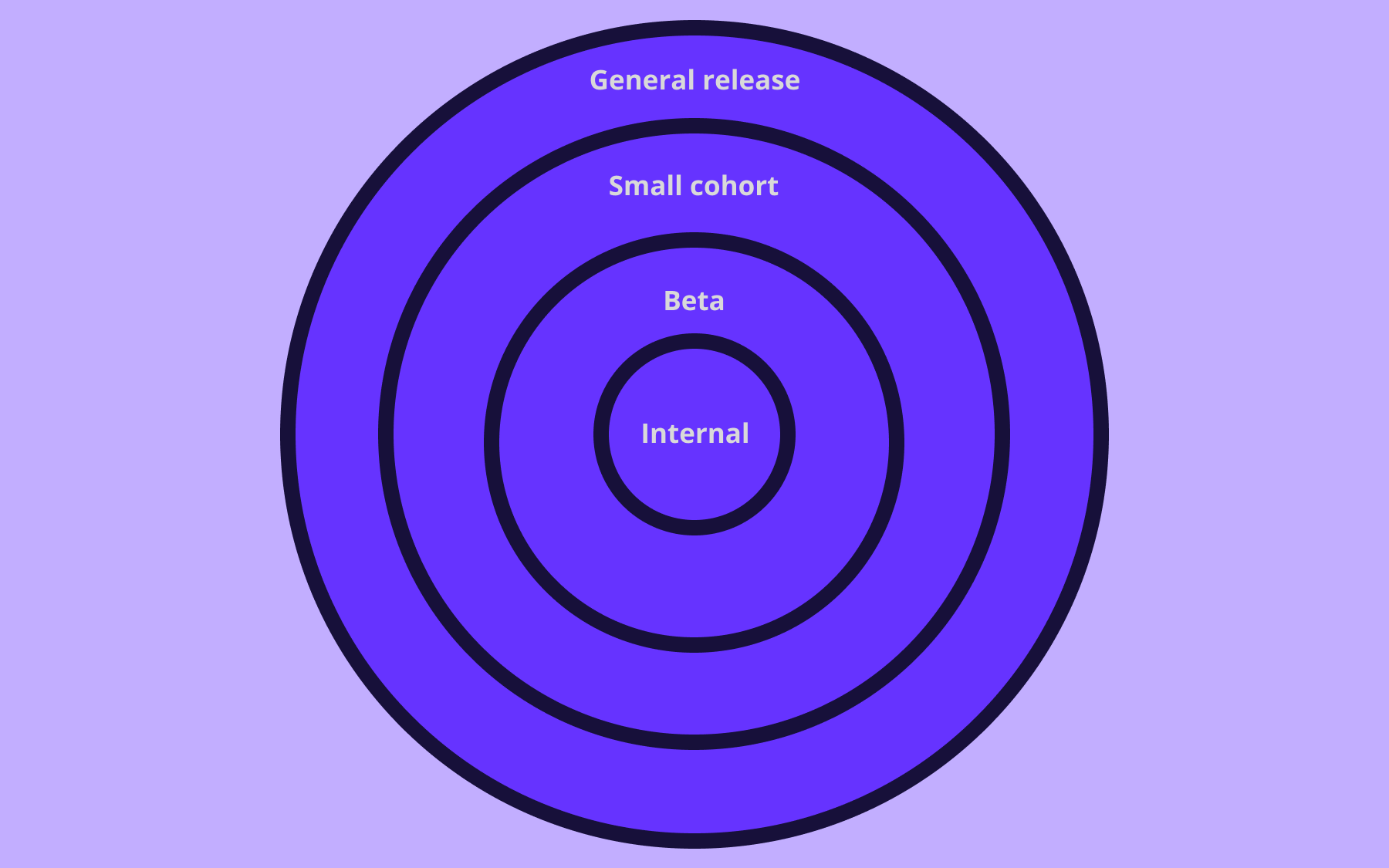
In practice, this isn't a choice between three deployment techniques; it's a sequence:
- Shadow deployment proves the new version behaves correctly at production scale with zero user exposure.
- Canary then proves it holds up with real user behaviour on a small slice.
- Blue-green, if you use it at all, becomes the final cutover once both have passed.
Don't treat these as competing options, as that is how your team will end up over-engineering a low-risk change or under-testing a high-risk one.
The best practices for a risk-free shadow deployment strategy
If you are using this technique for the first time, you won't get it right by mirroring 100% of traffic on day one. Here's what actually keeps it risk-free—and cost-effective—for the teams who've done this before.
- Start small. Mirror a small subset of traffic, or just read-only requests, before you mirror everything. It's cheaper, and when something breaks, you're debugging one variable instead of ten.
- Set your success criteria and your end date before you start, not after you're three days in and tempted to call it when the graph looks fine. Decide the error-rate and latency thresholds that count as a pass, and how closely shadow output needs to match stable output, then decide how long the phase runs.
- Protect every write. Anything that isn't a pure read needs a plan: simulate the write without persisting it, or route it to an isolated shadow database. Shadow traffic that quietly creates a duplicate order isn't a test; it's an incident with extra steps.
- Automate the comparison. Nobody is manually diffing two logs at scale. Set a variance threshold, alert on genuine mismatches, and ignore the noise. A timestamp field or a reordered array isn't a bug; it's a comparison tool that needs tuning.
- Make the toggle instant. A shadow mode wired into an environment variable needs a redeploy to turn off. Gate it behind a feature flag instead. Treat it like a kill switch, so shutting down a misbehaving shadow test becomes a flag flip, not a release.
- Keep a record of who turned it on, for which service, and roughly when. A basic audit trail is important here.
The best tools for shadow deployment
Shadow deployment isn't the job of one tool; it's four separate problems stacked on top of each other. Most teams end up combining at least two categories to cover them all.
Service mesh tools do the heavy lifting on traffic duplication, and they're worth the setup cost if you're already running one—bolting on Istio purely for shadow testing is a lot of operational complexity to take on for a single use case.
Observability tooling is non-negotiable; shadow deployment without automated comparison is just running extra compute for no reason.
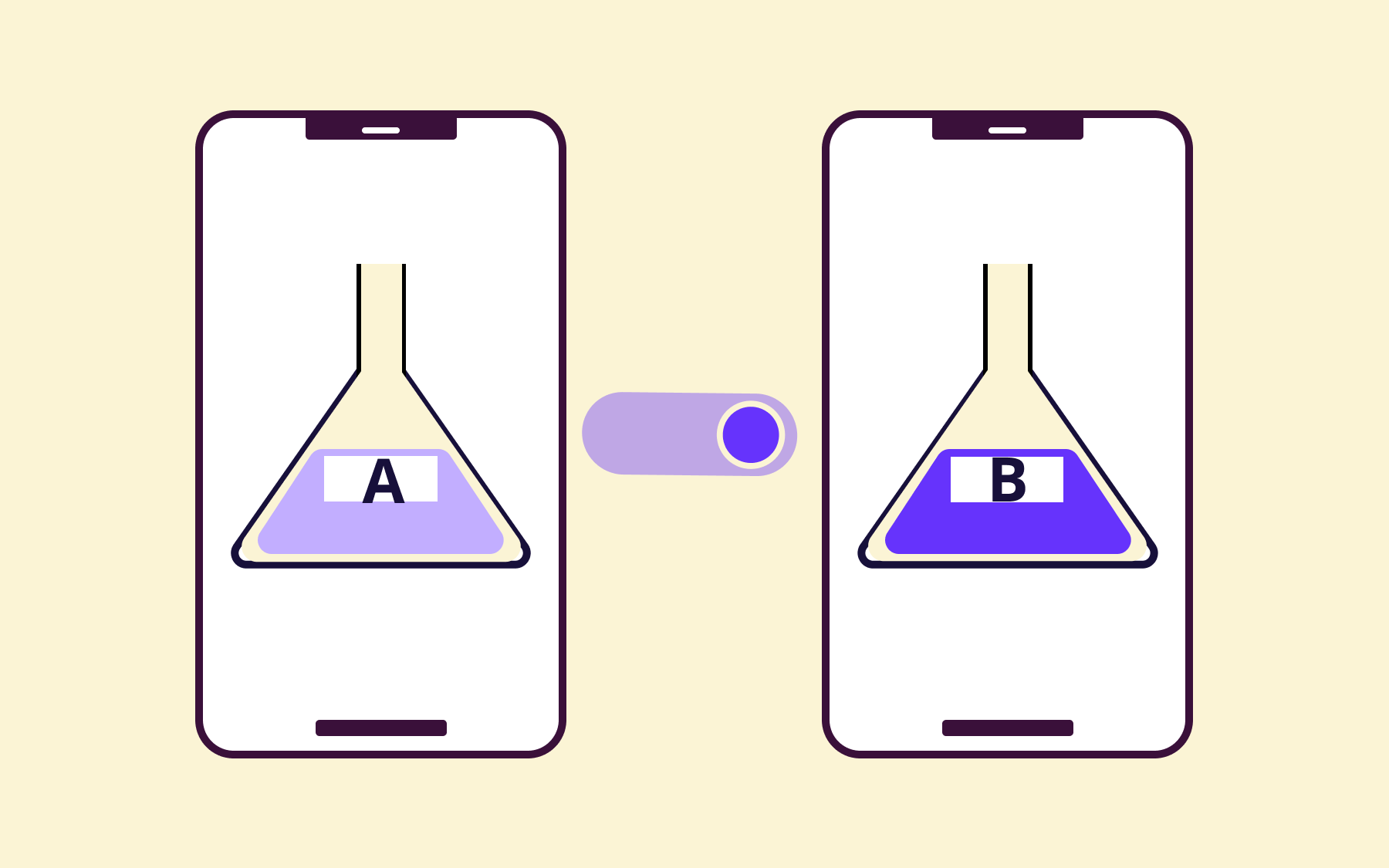
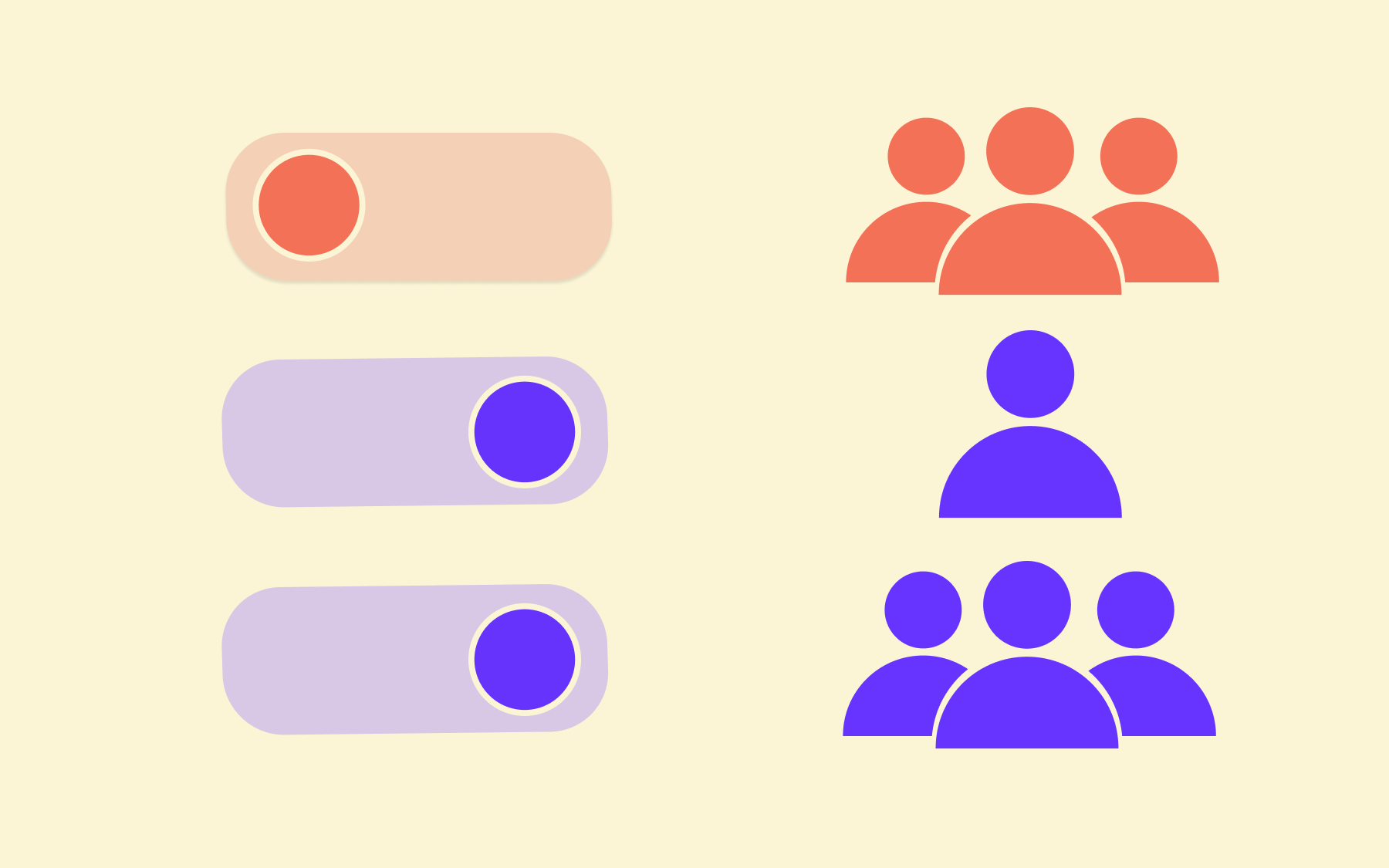
With a feature flag controlling the shadow toggle and mirror percentage, you can adjust how much traffic you shadow in real time, instead of changing YAML and redeploying. In this way, a feature toggle turns shadow deployment into a controlled experiment rather than a standing infrastructure cost nobody wants to touch.
Conclusion
A shadow deployment is like a dress rehearsal with a full production audience and zero risk to the performance—the new version takes every hit the old one takes, and if it stumbles, nobody watching ever knows.
That certainty costs real infrastructure, which is exactly why the toggle controlling it shouldn't require a deployment of its own. Pair shadow testing with a feature flag for the on/off switch and the rollout percentage, and the one genuine downside of this technique—cost and complexity you can't dial down quickly—stops being a fixed price and starts being a decision you control.
Sign up for Flagsmith if you want that control built in from the start.
Shadow deployment FAQs
Is shadow mode deployment only used for machine learning models?
No. Shadow mode deployment is common in ML rollouts, where a new model version scores live requests next to the current one, but the same traffic-mirroring technique applies to any backend service, API, or code deployment where you want zero-risk validation at production scale.
Does shadow deployment replace the need for a staging environment?
No. Staging still catches the obvious, cheap-to-find bugs before any production traffic gets involved. Shadow deployment is a later, more expensive step for the issues that only show up under real production load and real data.
How long should a shadow deployment run before promoting the new version?
It depends on traffic volume and how much is riding on being wrong. A high-traffic service can gather enough signal in hours. A lower-traffic service, or one carrying real stakes—a new model version or payment logic, for example—may need days before the data is convincing enough to act on.




















OpenTelemetry, without the vendor lock-in: Introducing full observability for Open Source and Self-Hosted Flagsmith customers