Automatic Rollback: What It Is and How to Do It Safely


An automatic rollback reverts your system to a previous version the moment a deployment fails a check that you've defined in your automation and monitoring workflow, without anyone needing to step in and trigger it manually.
In the right scenario, it can be a useful safety net in every deployment pipeline. However, it only helps if you've built it for the right kind of failure, and can actually make things worse if you haven't.
This guide covers what automatic rollback does, its benefits, where AI genuinely helps, when to use it, and how feature flags enable you to contain risk without waiting on a full redeploy.
What is automatic rollback?
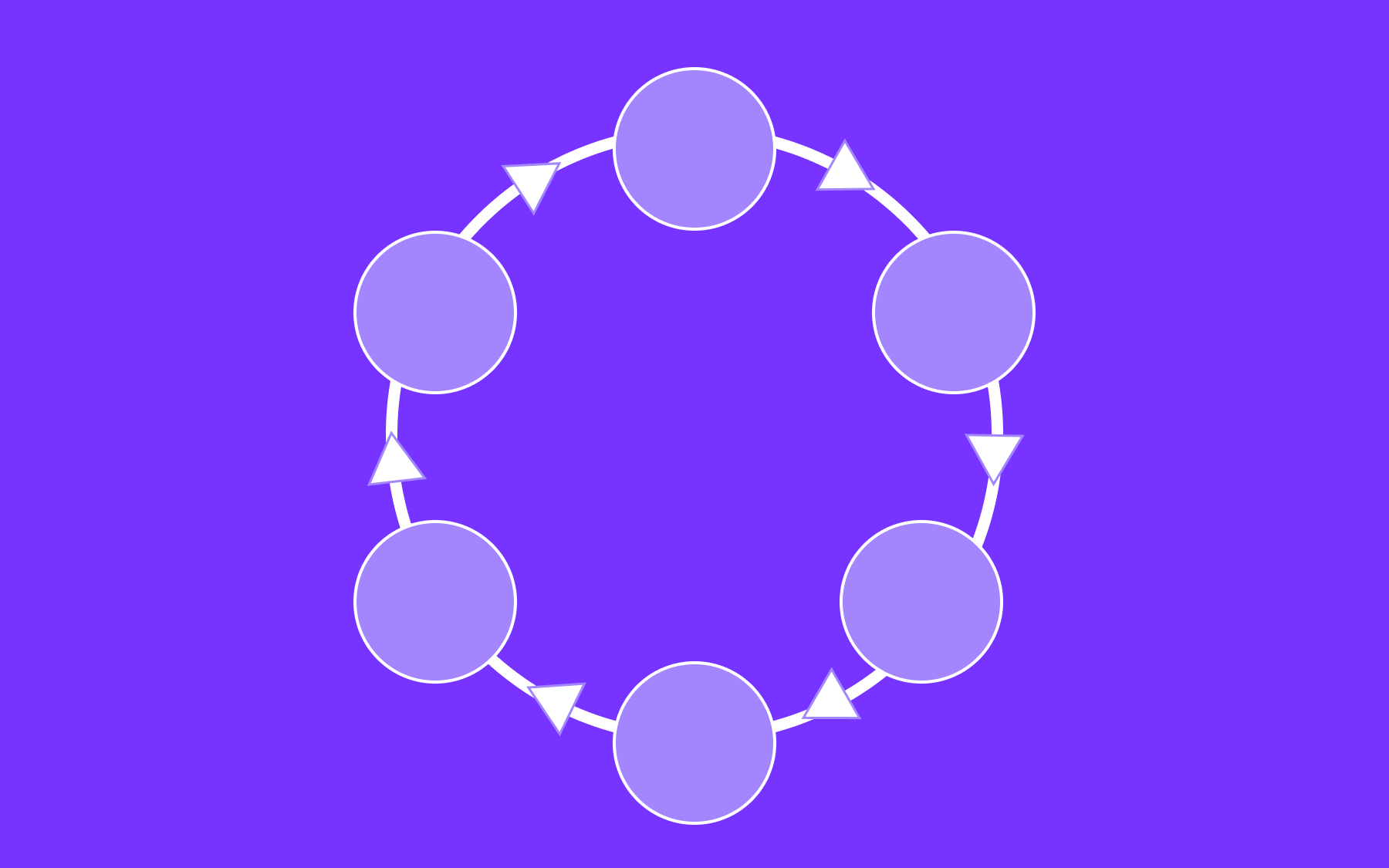
Automatic rollback is a mechanism built into your deployment pipeline that detects a bad deployment and restores your system to its previous version, without human intervention. You define the failure condition when you set up the automation workflow—whether that's a failing test suite, a failed health check, or an error rate crossing a threshold—and your workflow handles the rest.
Unlike a manual rollback, where an engineer decides to revert and runs the process themselves, this is decided by a triggered automation in an automatic rollback. It's also a different process from rolling forward, where you fix the bug and deploy a new version rather than reversing to an old one.
Automatic rollback operates at different layers of your stack, including in an application deployment, infrastructure changes managed through tools like Terraform, and a database. Each layer behaves differently when something goes wrong, which is an important factor to consider once you get to deciding when automatic rollback is the right approach.
How automatic rollback works in a deployment pipeline
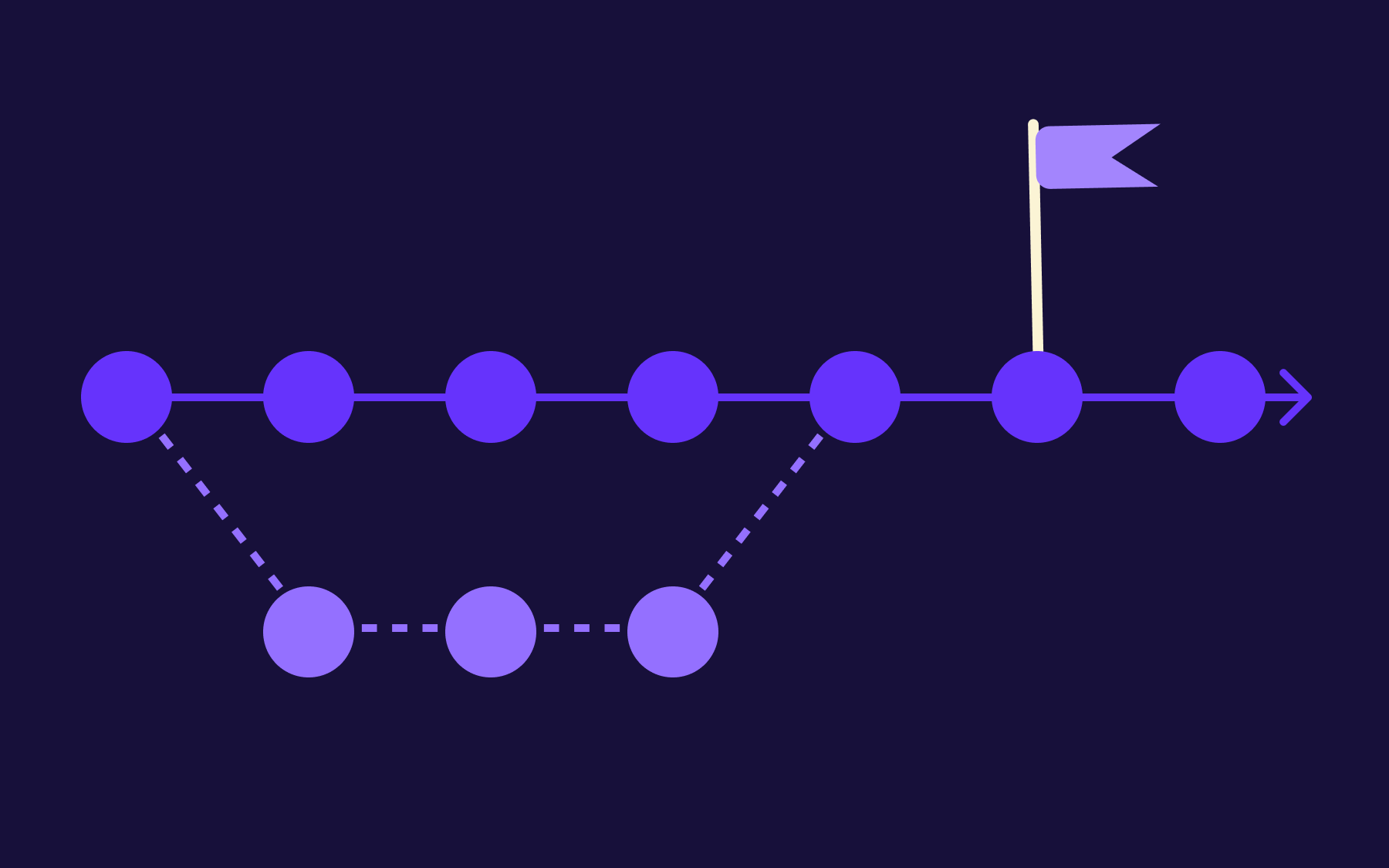
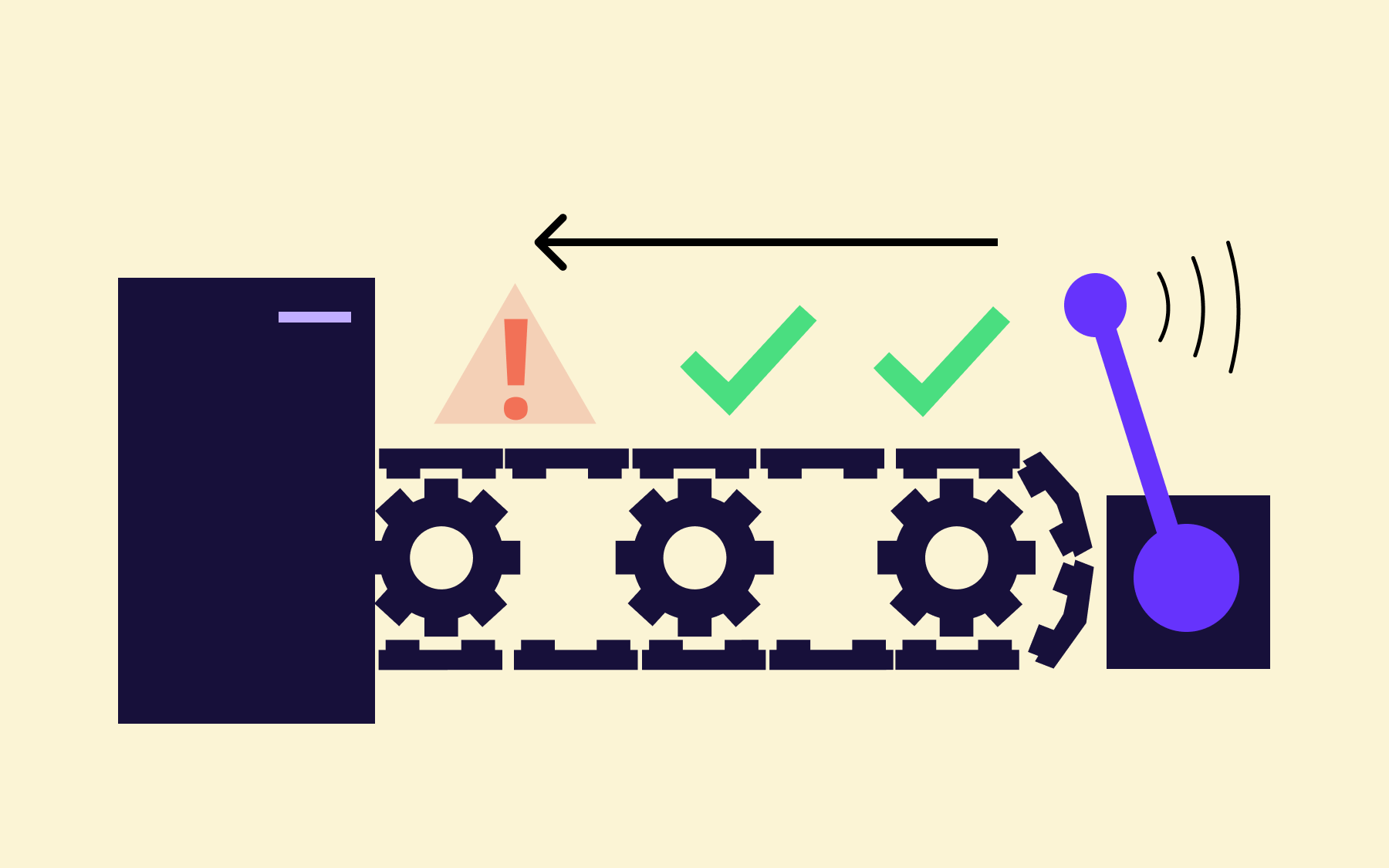
Every automatic rollback setup, regardless of platform, follows roughly the same shape.
- A trigger condition. Integration tests fail, a health check comes back unhealthy, a metric such as error rate crosses a threshold, or latency does—this signal tells the pipeline something's wrong.
- Deployment metadata. The rollback job needs an understanding of what a known good state looks like: the previous version, a commit reference, or a stored artifact.
- A rollback step. A dedicated job in your CI/CD pipeline runs the rollback logic, whether that's kubectl rollout undo, redeploying a stored previous build, or calling a platform-native rollback action.
- Confirmation. After the rollback runs, the same health checks that caught the original failure can be used to confirm the system is genuinely restored, alerting the team either way.
A simplified example of a GitHub Actions workflow with a rollback step attached might look like this:
jobs:
  deploy:
    runs-on: ubuntu-latest
    steps:
      - name: Deploy new code
        run: ./deploy.sh
      - name: Run health checks
        id: healthcheck
        run: ./healthcheck.sh
        continue-on-error: true
      - name: Roll back on failure
        if: steps.healthcheck.outcome == 'failure'
        run: kubectl rollout undo deployment/api-service
The specific scripts and commands will vary by platform, but the pattern is consistent: deploy, test, and roll back automatically if the test fails.
The main benefits of automatic rollbacks
Done well, automatic rollback has a clear place in a deployment pipeline.
- Faster recovery. A script can detect a bad deployment and start the rollback process in seconds, where a human first has to notice, then sometimes deliberate, then decide, then act.
- Smaller blast radius. The faster a bad deployment is caught and reversed, the fewer users experience the bug.
- Consistency. An automated rollback procedure runs the same way every time, regardless of who's on call.
- Less alert fatigue. When a defined failure has an automatic fix, engineers are only notified about scenarios that need a real decision.
Those benefits depend entirely on the failure actually being one that automatic rollback can safely handle, which is not every failure.
When to use automatic rollback, and when not to
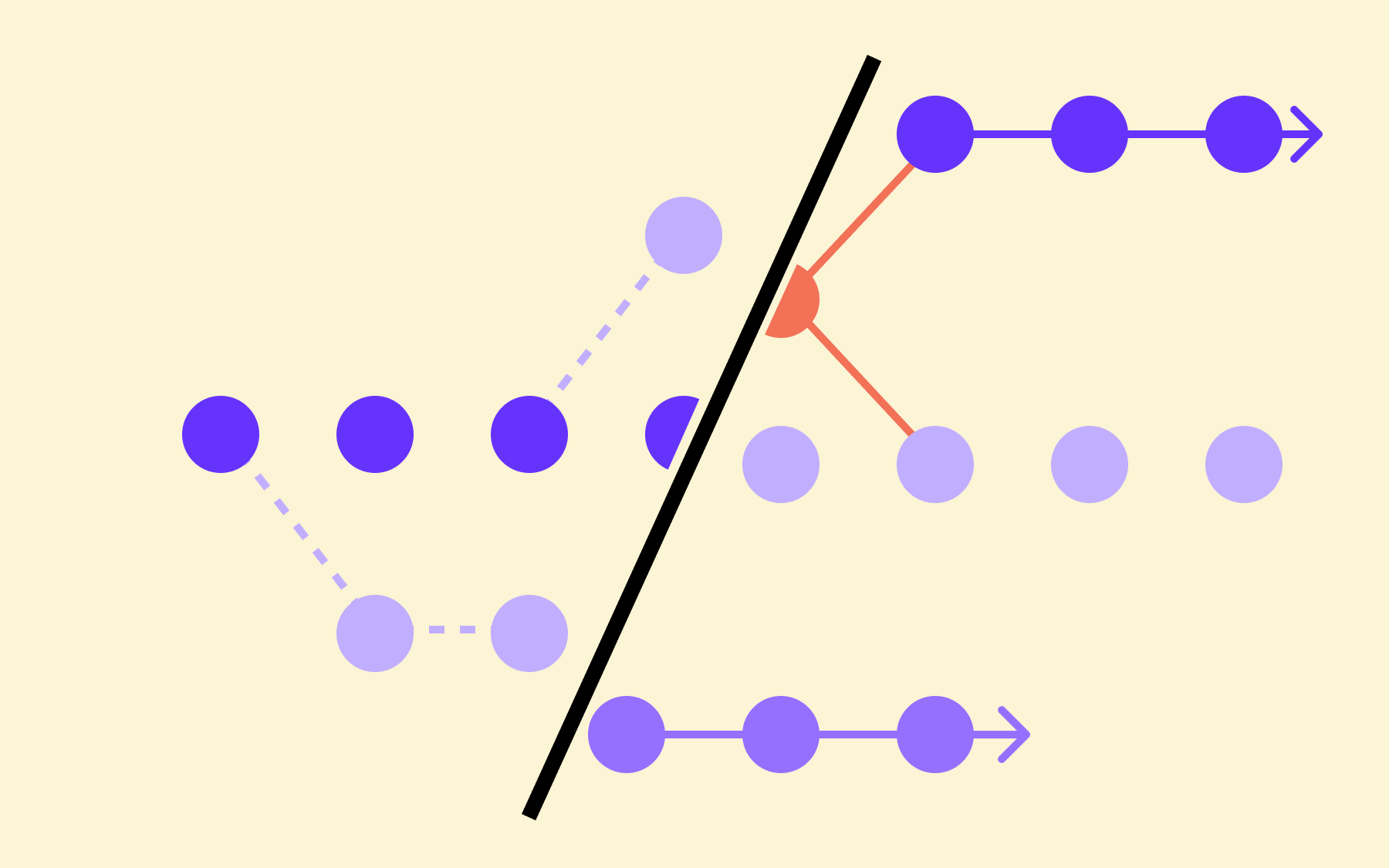
Use automatic rollback on failures that your team fully understands, are cheap to detect, and are genuinely reversible. A broken container image, a health check that immediately starts failing, a failed database connection, or a clear error-rate spike right after a release are all good candidates, since the previous version is known-good and reversing to it doesn't create a new problem.
Don't rely on automatic rollbacks if a database schema change, a data migration, or a partial write is involved. Rolling back application code doesn't undo a schema change or restore altered data, and the previous version of your application may not even be compatible with your database's current state.
Rolling back a deployment can also reexpose you to a security vulnerability you'd already fixed, or fail for the same reason the original deployment did—especially if an expired credential or similar root cause affects the rollback path too.
Automatic rollback is one layer in a broader resilience strategy, not a blanket default. Progressive delivery techniques, solid monitoring, observing DORA metrics, and human review for anything ambiguous are still important.
For failures that don't fit the criteria above, human intervention is the safer route, since a person can weigh context an automatic rollback can't.
The role of AI in automated rollback workflows
AI is an additional tool engineering teams can use to help manage automated rollbacks, but it should be used cautiously.
Anomaly detection can catch subtler degradation than a single fixed threshold would, and it can correlate signals across services to cut down on false-positive triggers. After the fact, it can help summarise what happened for a post-incident review, saving someone the job of piecing together logs and alerts by hand.
Where it shouldn't be trusted is as the sole decision-maker for an action that's hard to reverse, especially once data or infrastructure state is involved.
A rollback that touches a database or reopens a fixed bug needs a person, potentially along with a deliberately configured rule, making that call, not a model inferring it from a pattern in the metrics.
Treat AI as a way to surface the right signal faster, not as a tool that judges what to do about it.
Setting automatic rollback up with feature flags
Most of the automatic rollback methods above revert a deployment: redeploying a previous build, undoing a Kubernetes rollout, or restoring infrastructure through a tool like Terraform.
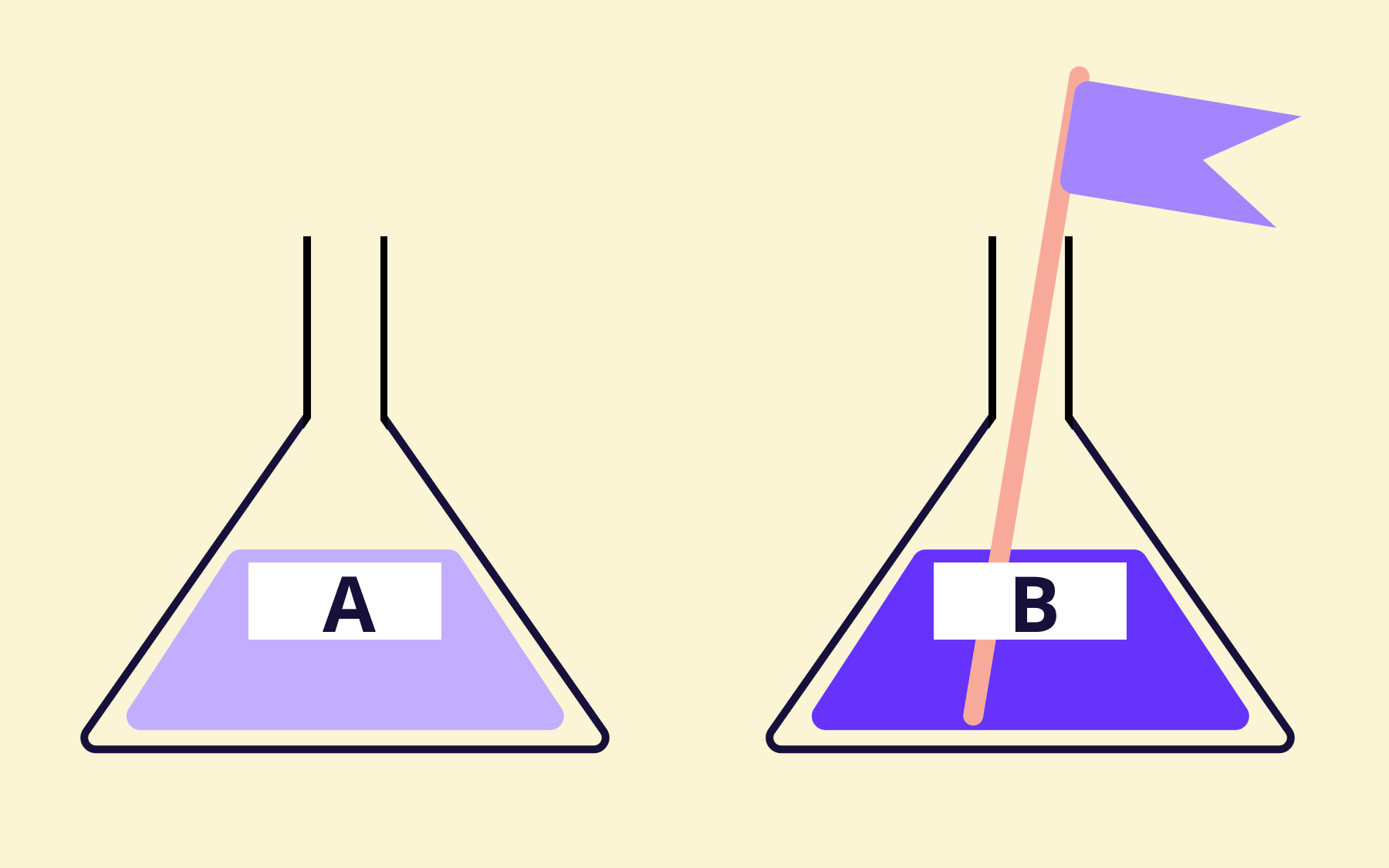
Feature flags offer a different route for application-level logic changes by separating deploy from release.
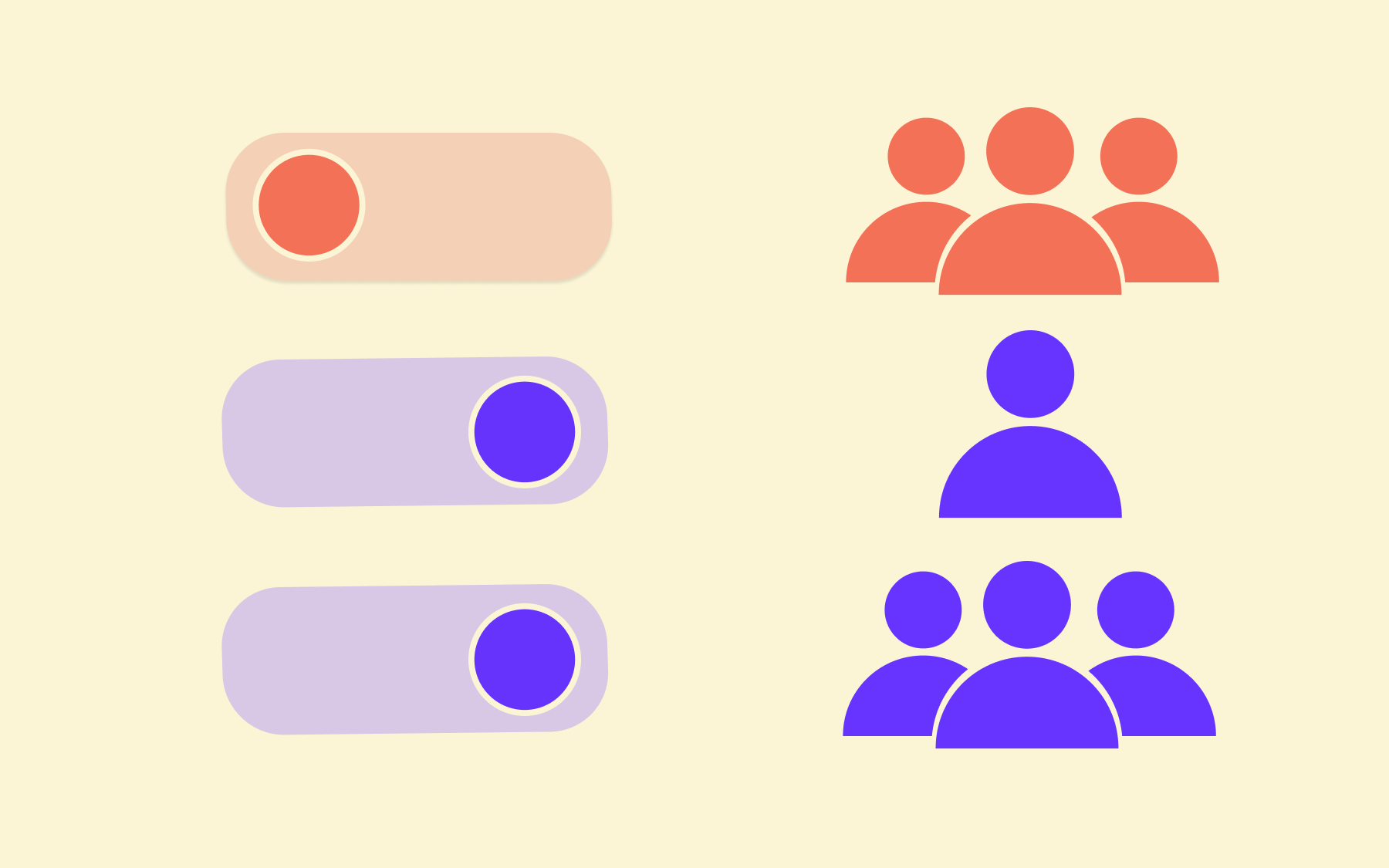
When new code ships behind a flag, rolling back a problem can mean turning that flag off rather than re-running your deployment pipeline. With Flagsmith, toggling a flag off, or overriding it off for a specific segment, takes effect immediately in that environment, without a new deployment.
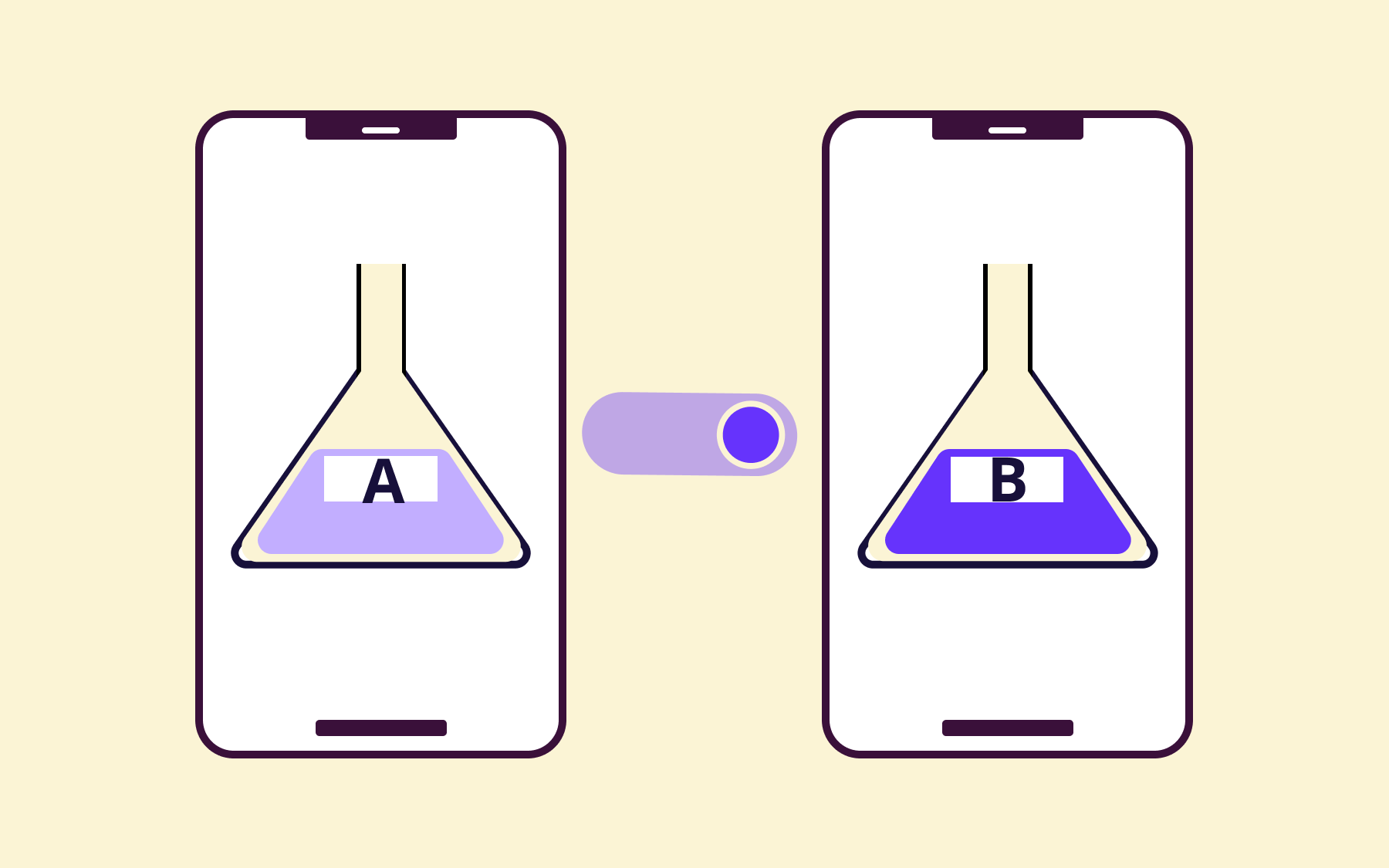
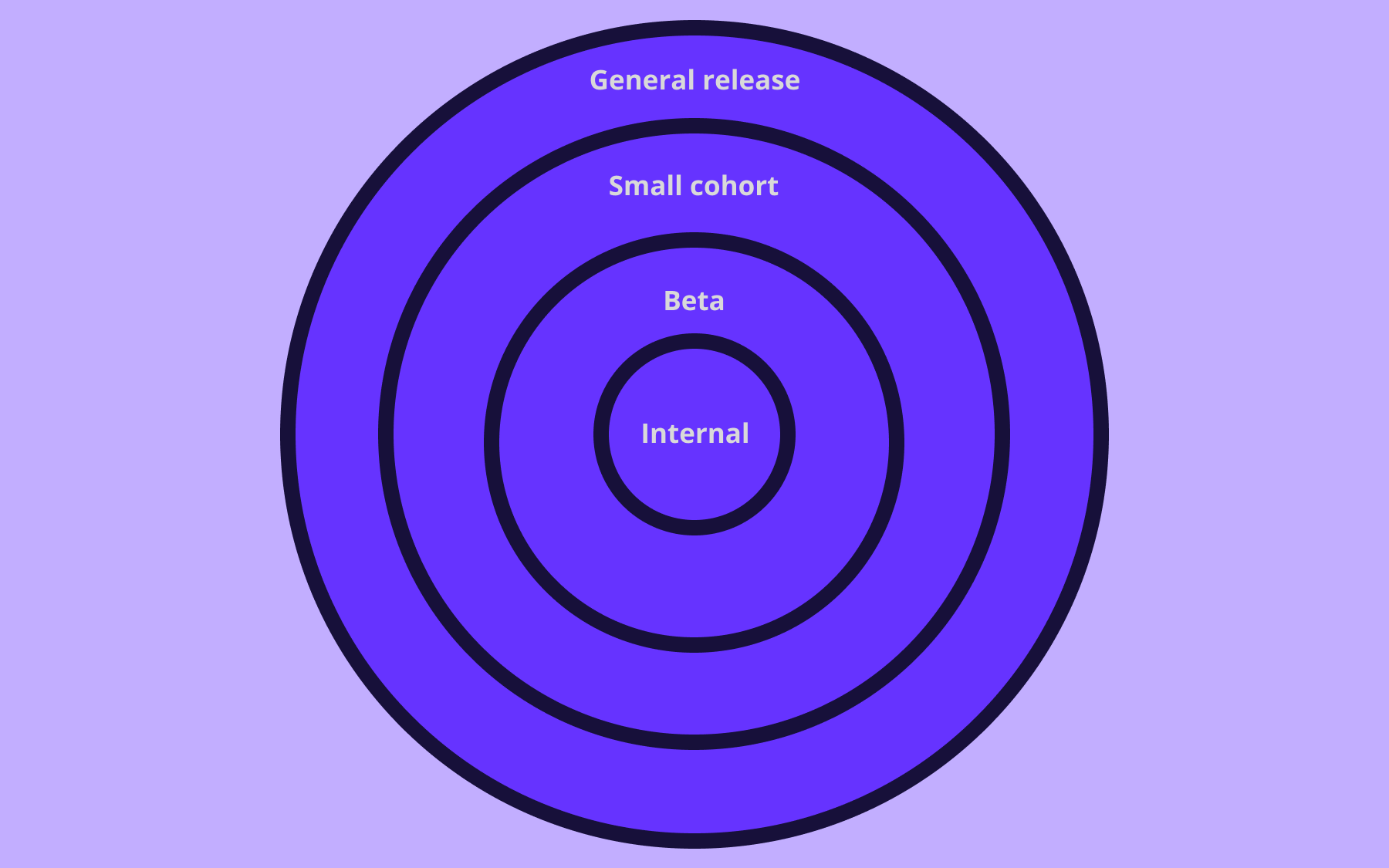
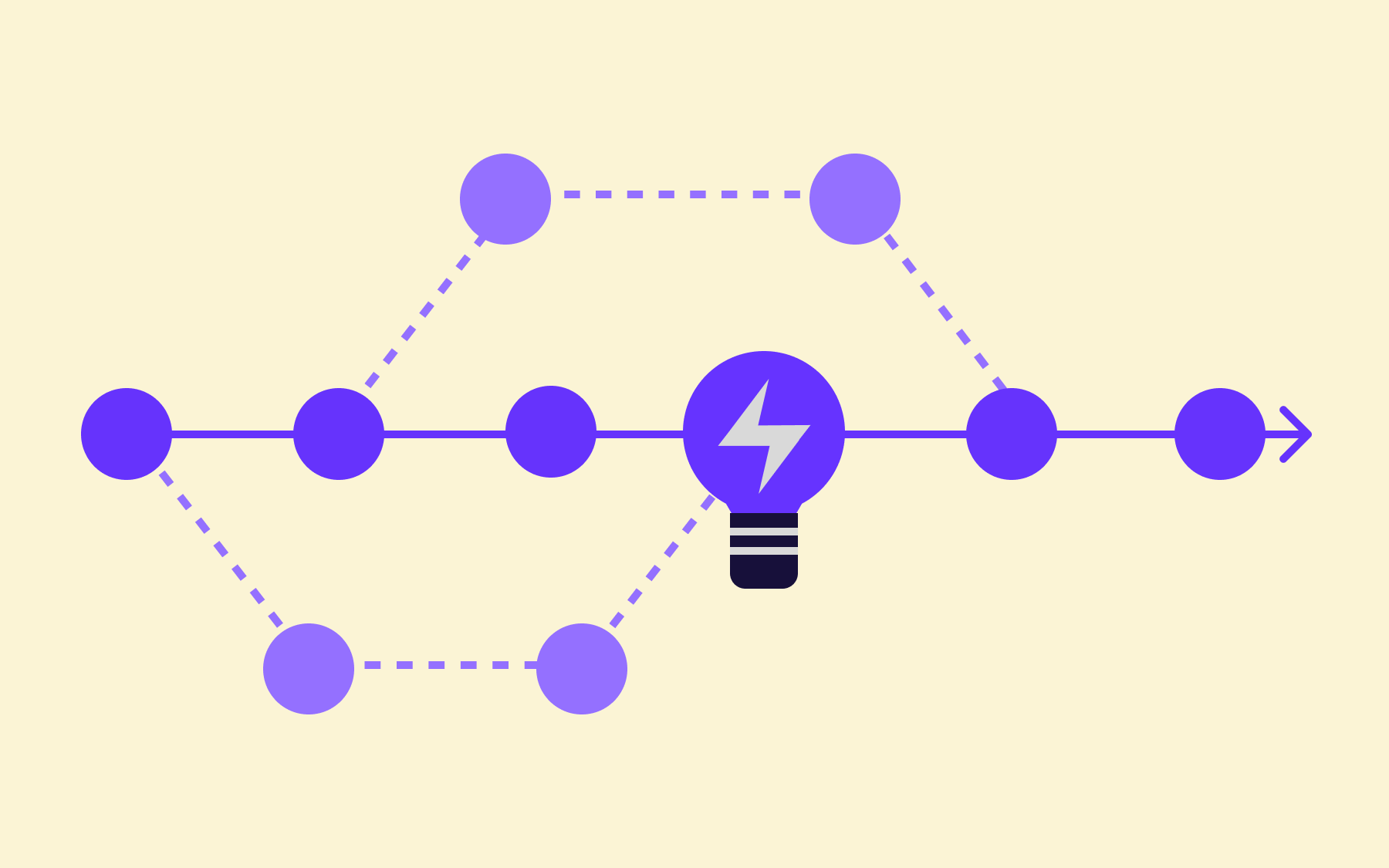
Pairing that with a staged rollout works well: release a change to a small percentage of users or a specific segment first, watch your health checks and error rates, and only widen the rollout once you have confidence it's behaving.
You can integrate Flagsmith with an observability provider, such as Grafana or Prometheus Alertmanager, or a custom webhook, and mark a feature as unhealthy the moment your monitoring fires an alert on it.
That trigger-and-signal pattern is behind every automatic rollback, surfaced against the specific feature that's misbehaving, so your team can act fast, whether that's a person flipping the flag off or your own automation calling the API to do it.
This setup reduces risk for application-level logic wrapped in a flag, but it doesn't replace pipeline-level or infrastructure-level rollback for database migrations or infrastructure changes. Flagsmith's own Release Pipelines feature, currently in closed beta, automates staged rollouts through environments and audiences but still requires a manual revert rather than rolling back on its own.
For teams with governance requirements, this has a side benefit: every flag change is a discrete entry in Flagsmith's audit log, which is truly useful if someone needs to review why a rollback happened and who approved it.
Conclusion
Use automatic rollback when you've scoped it to failures that are well understood, genuinely reversible, backed by good monitoring, and treated as one part of a resilience strategy rather than a default for every deployment.
Feature flags help you further reduce application-level risk, letting you contain and reverse a bad change in the time it takes to flip a flag.
If you want to see how staged rollouts and feature health checks work in practice, sign up for Flagsmith and try it against your own deployment pipeline.
Automatic rollback FAQs
Which action will cause an automatic rollback?
An automatic rollback fires when a deployment or stage you've explicitly configured with a rollback condition meets that condition, such as a failed health check, a failing integration test suite, or a platform setting like an on-failure rollback rule. It's not default behaviour; it only happens because you've configured a trigger for it.
What's the difference between automatic rollback and roll-forward?
Rollback reverts to a previous version. Roll-forward fixes the bug and deploys a new version instead. Teams practising continuous delivery often prefer rolling forward when their pipeline is fast enough to ship a fix quicker than a rollback would take.
Does software installation automatic rollback work the same way as deployment rollback?
It's related but distinct. When a software installation fails partway through, an automatic rollback restores the system to its prior installed state, making it similar in principle to a deployment rollback but scoped to a single machine's install process rather than a fleet of services behind a pipeline.

































OpenTelemetry, without the vendor lock-in: Introducing full observability for Open Source and Self-Hosted Flagsmith customers