What Is a CI/CD Pipeline? A Practical Guide

Every team that ships software needs to get code from a developer's laptop into production without breaking anything along the way. A CI/CD pipeline is the solution most modern software development teams build to make this happen.
This guide breaks down what a CI/CD pipeline actually contains, how to test one properly, and how to set one up yourself, with a working GitHub Actions example.
What is a CI/CD pipeline?
A continuous integration and continuous delivery (CI/CD) pipeline is an automated sequence of steps that takes code changes from a shared repository through building, testing, and deployment, with manual intervention only when necessary.
It's the backbone of most modern software development processes and a core part of DevOps: development and operations teams share responsibility for a single automated workflow instead of throwing code over a wall to each other.
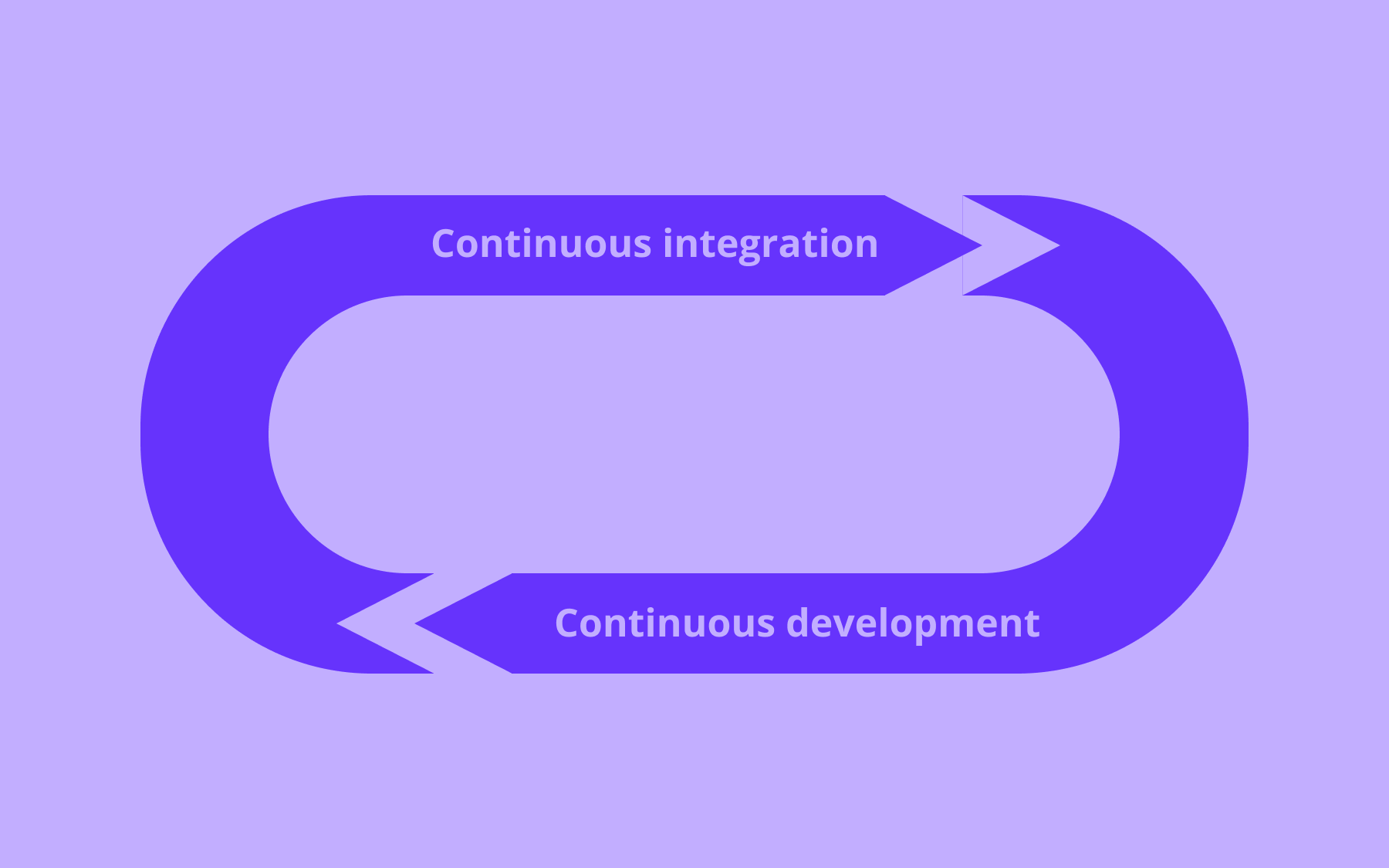
First, let's explain continuous integration and continuous delivery (CI/CD).
CI stands for continuous integration, covering the early part of the software development lifecycle: developers commit code to a shared source code repository frequently, and an automated process builds and tests every change. You'll want to catch integration problems while they're still small, rather than weeks later once several developers have built on top of the same broken foundation.
CD can mean two different things:
- Continuous delivery automatically prepares every change that passes its tests for release, but a person still decides when it goes to production.
- Continuous deployment removes human intervention entirely: code that passes automated testing is deployed straight to the production environment.
Most teams start with continuous delivery and move toward continuous deployment once they trust their automated testing and monitoring enough to remove the human checkpoint. Here is a comparison of continuous integration vs. continuous deployment vs. delivery vs. testing to help you work out which you need.
Neither is inherently better—it depends on how much confidence your test suite and rollback process can give you.
What are the key components of a CI/CD pipeline?
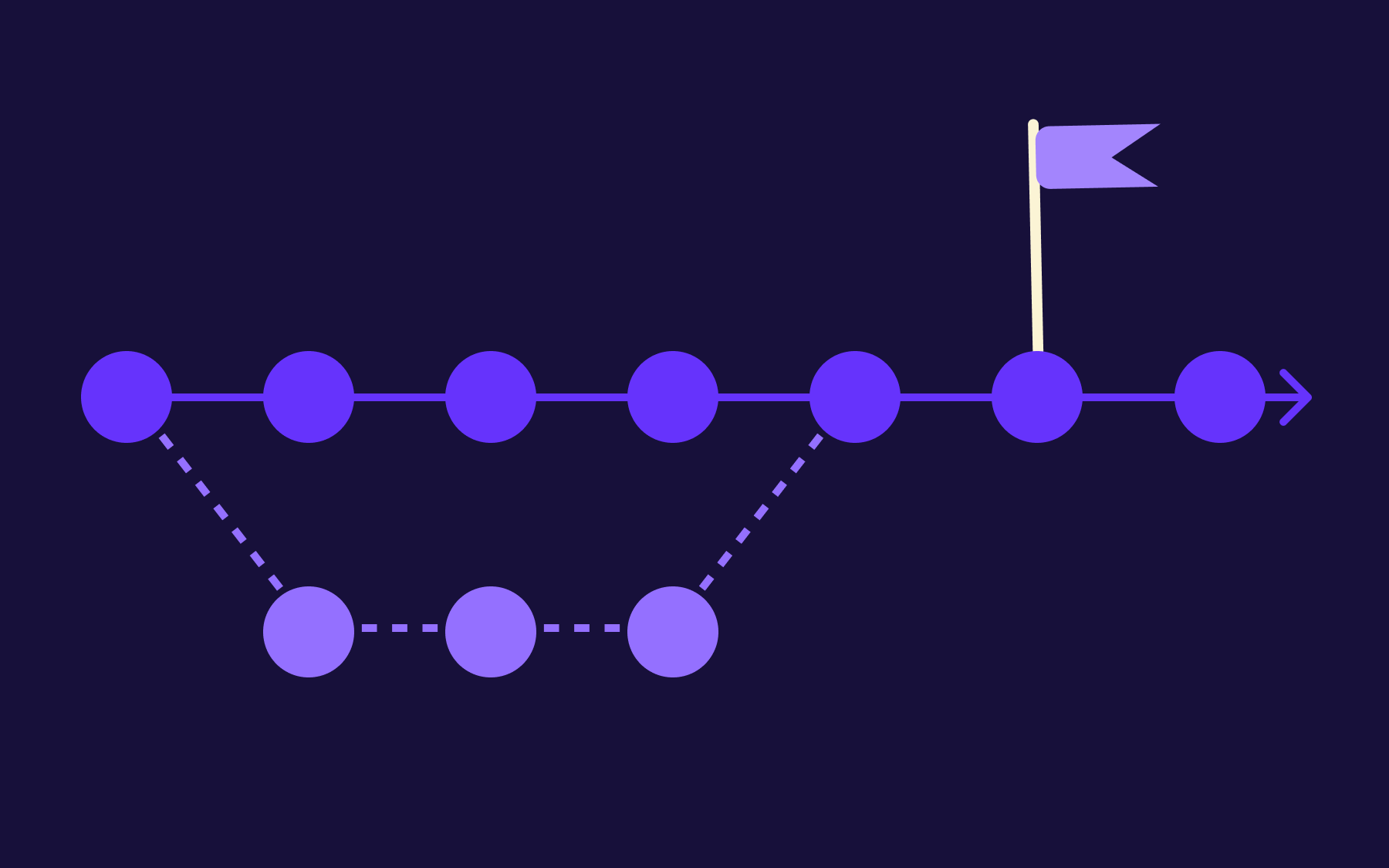
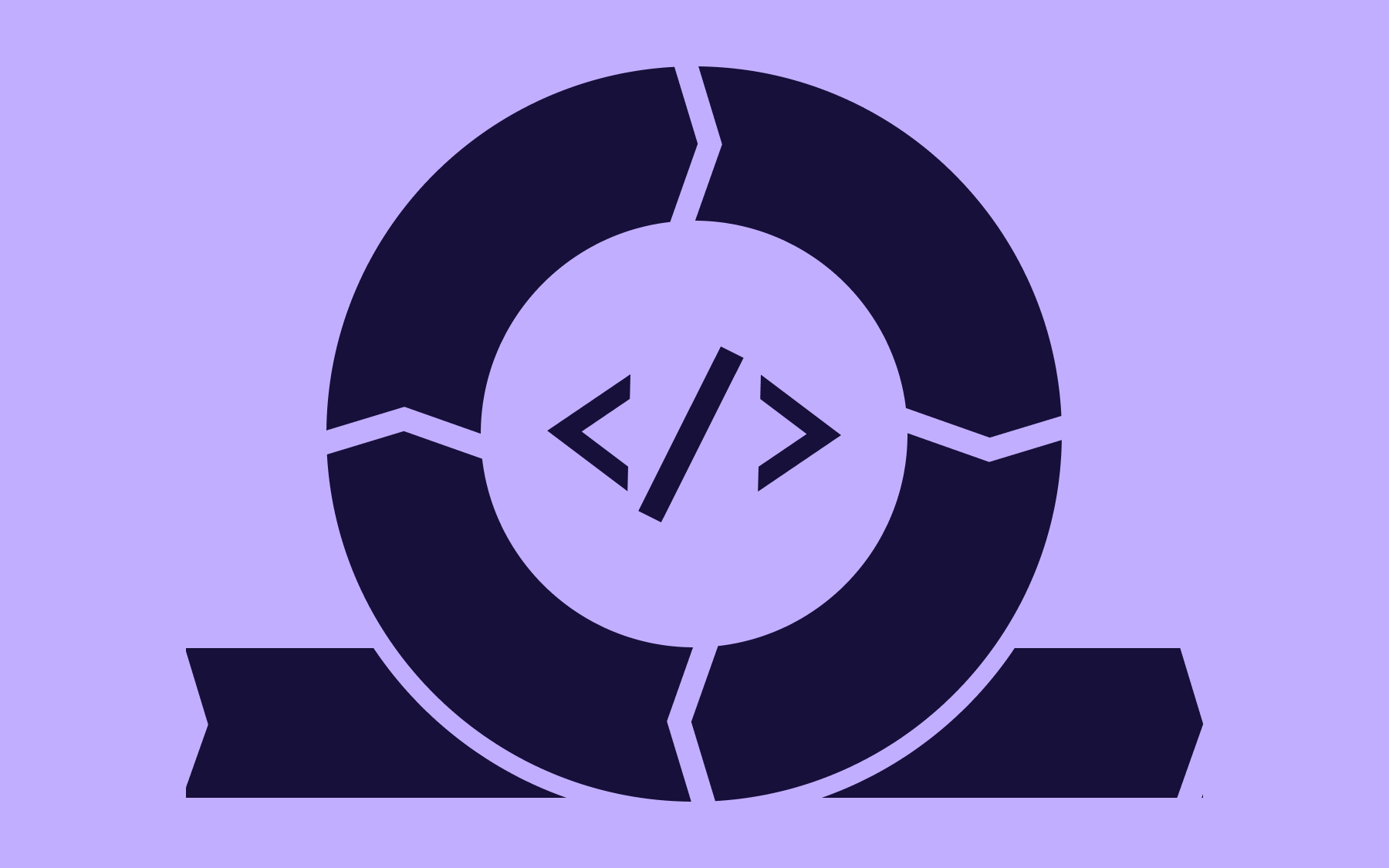
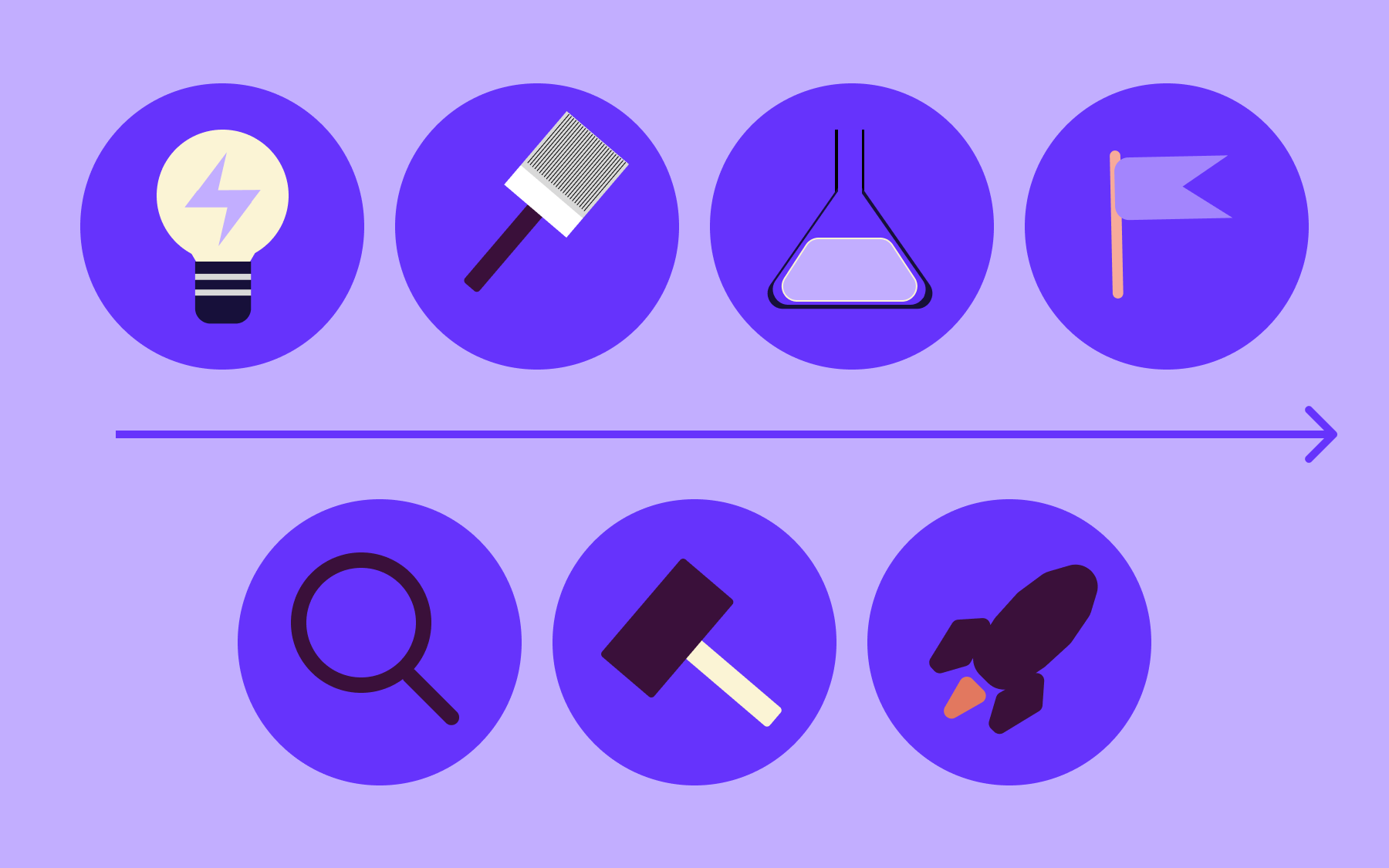
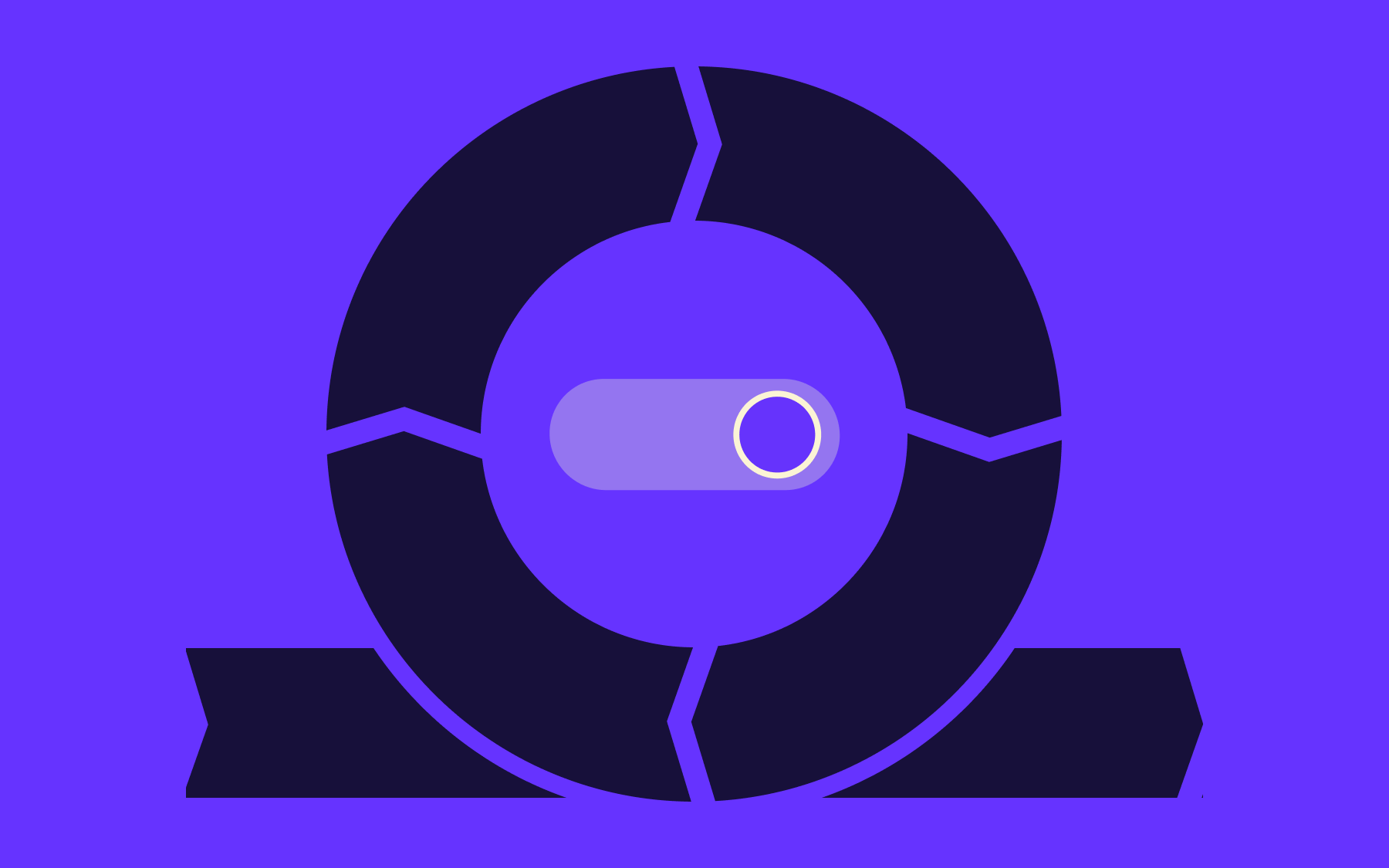
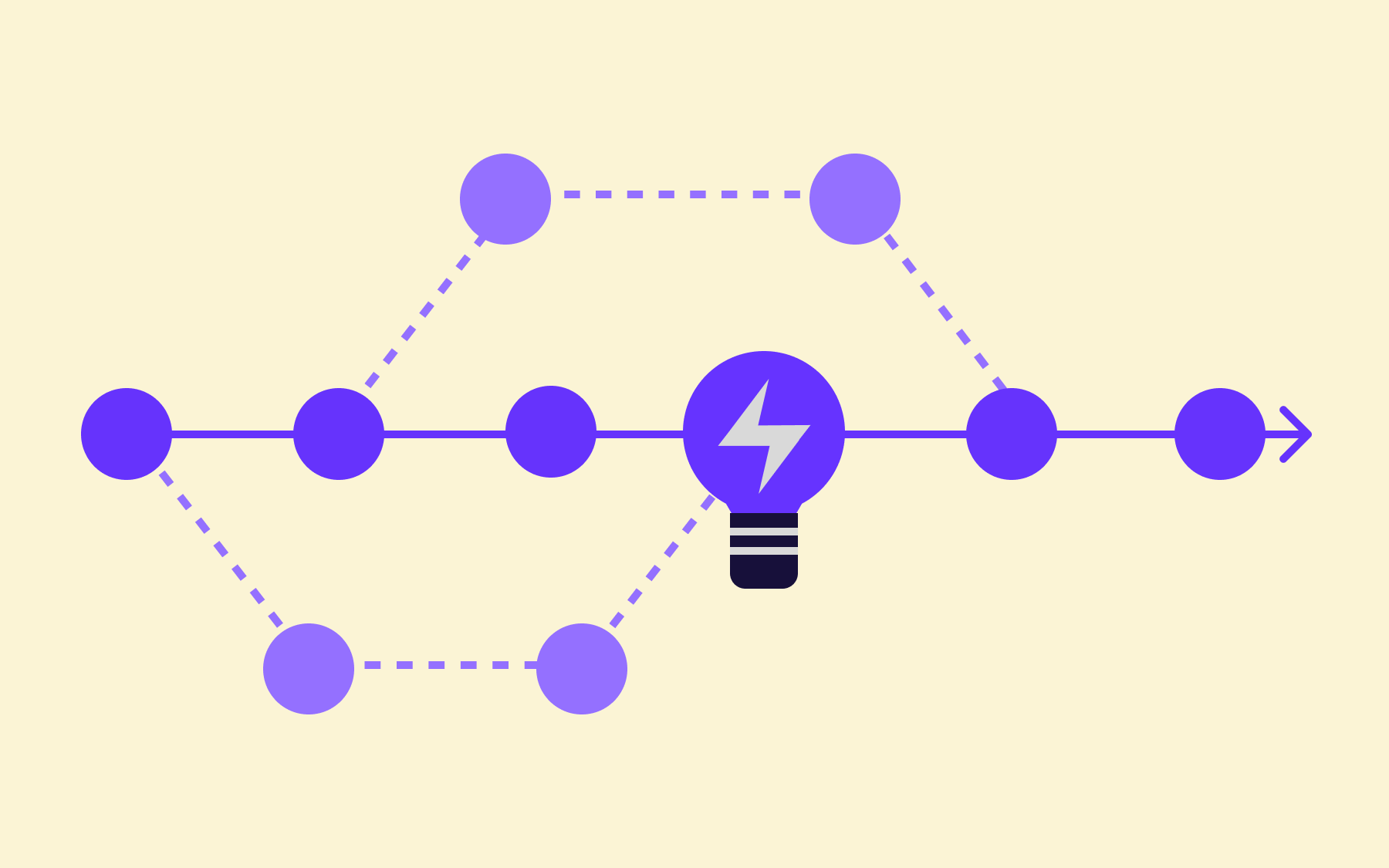
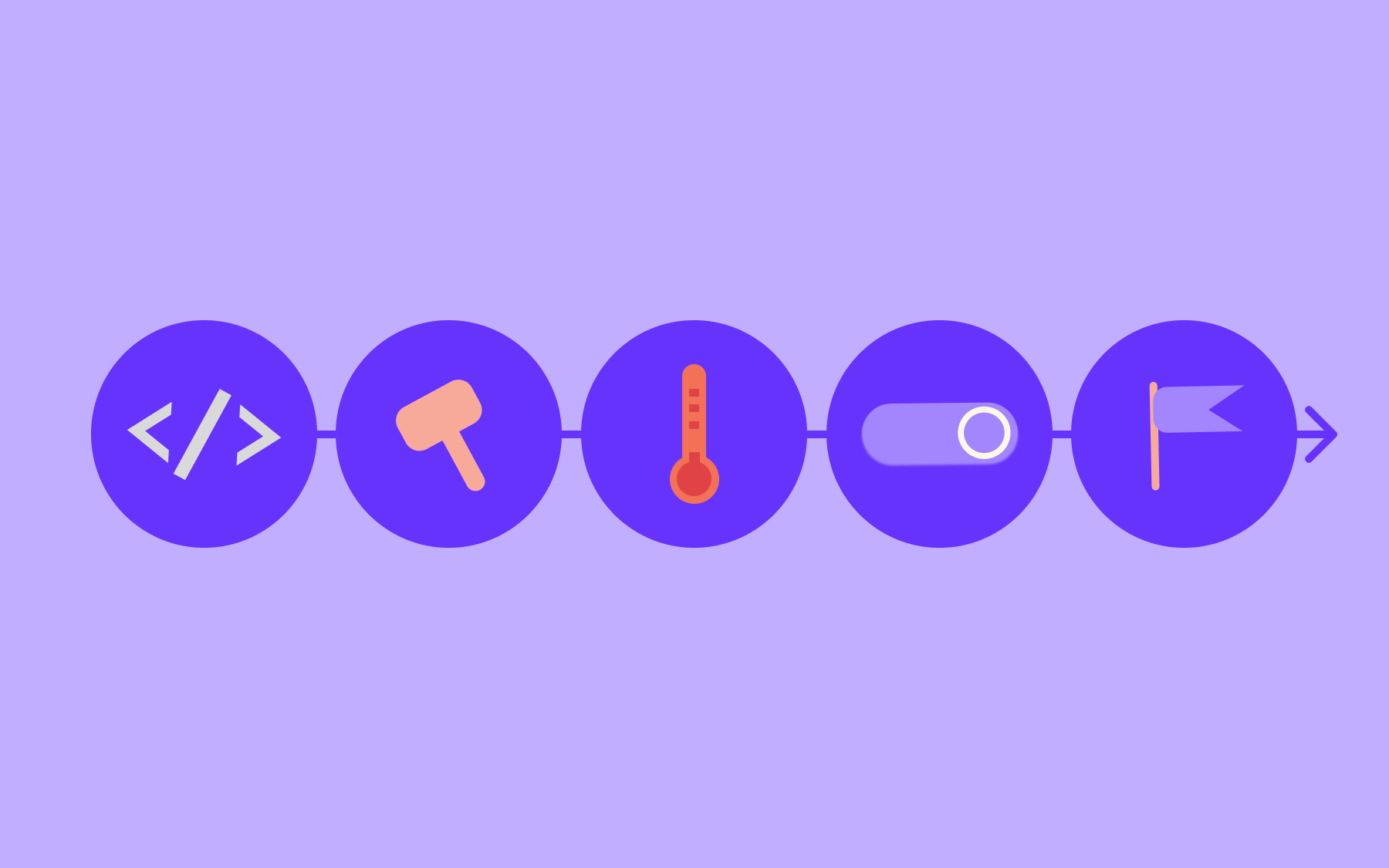
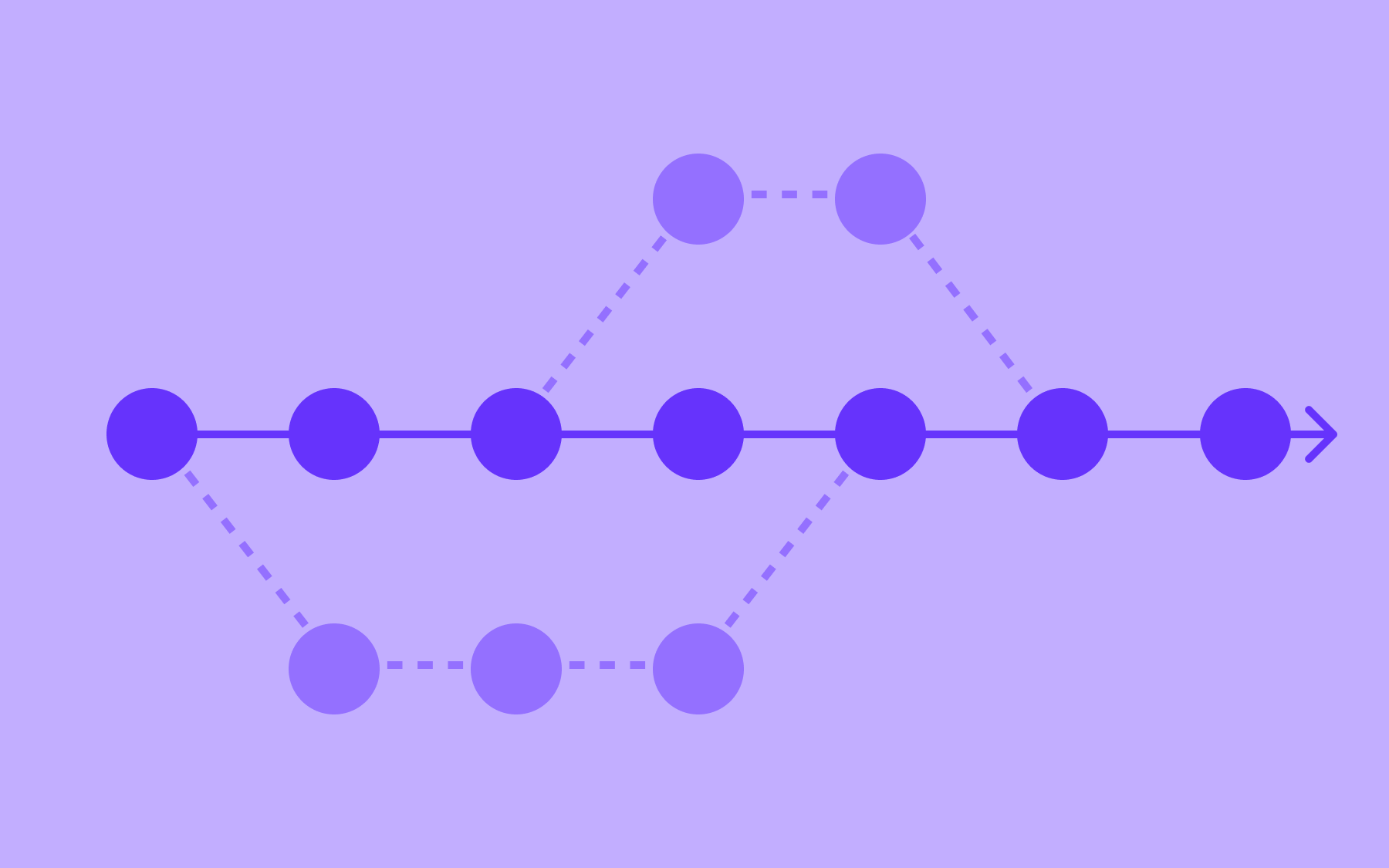
Strip away the tools you use and a CI/CD pipeline is essentially a row (or circle) of connected stages, each acting as a gate the code has to pass through:
- Version control. Every pipeline starts with a version control system, very often Git. When multiple developers commit code to a shared repository, that commit—or the pull request built from it—is what triggers everything downstream.
- Build. The build stage involves compiling code and bundling the source into something deployable, whether that's a binary, a static site, a container image, or a serverless function bundle. If this automated build fails, nothing else runs.
- Automated testing. Unit tests run first because they're fast. Integration testing comes next, checking that different parts of the system still work together and that overall code quality is maintained. Some teams add user acceptance tests or regression tests further down the pipeline to catch issues that show up in a more realistic environment.
- Artifact. Once code passes its tests, it's packaged into a versioned artifact and pushed to a registry or repository, ready to be picked up by the deployment stage.
- Deployment. The artifact is deployed to a test environment, a staging environment, or the production environment, using one of the common deployment strategies, such as rolling, blue-green, or canary deployments. Infrastructure provisioning—spinning up the servers, databases, or Kubernetes namespaces an environment needs—increasingly happens as part of this same stage rather than a separate manual step.
- Release. The code is exposed to all users in the form of a feature, product, update, new functionality, or something else.
- Monitoring. The job doesn't end at deployment. Continuous monitoring tools track error rates, latency, and other signals so the team can catch deployment failures quickly rather than waiting for a customer to notice.
None of these steps need to be complicated. A pipeline that runs unit tests and deploys to a single environment is still a real CI/CD pipeline, and it's a good place to start before layering in more automated workflows.
How to test a CI/CD pipeline
A pipeline is a piece of infrastructure, and infrastructure can have bugs. A misconfigured deployment step or a broken trigger doesn't show up in your application's test suite, instead showing up when a release goes wrong during the CI/CD process. By then, it's usually harder to trace back to its actual cause.
To test the pipeline, you need to treat changes to your CI/CD configuration with the same care you'd give application code. Some teams call this continuous testing: testing at every stage rather than treating tests as a single gate before a production deployment.
Here are a few best practices:
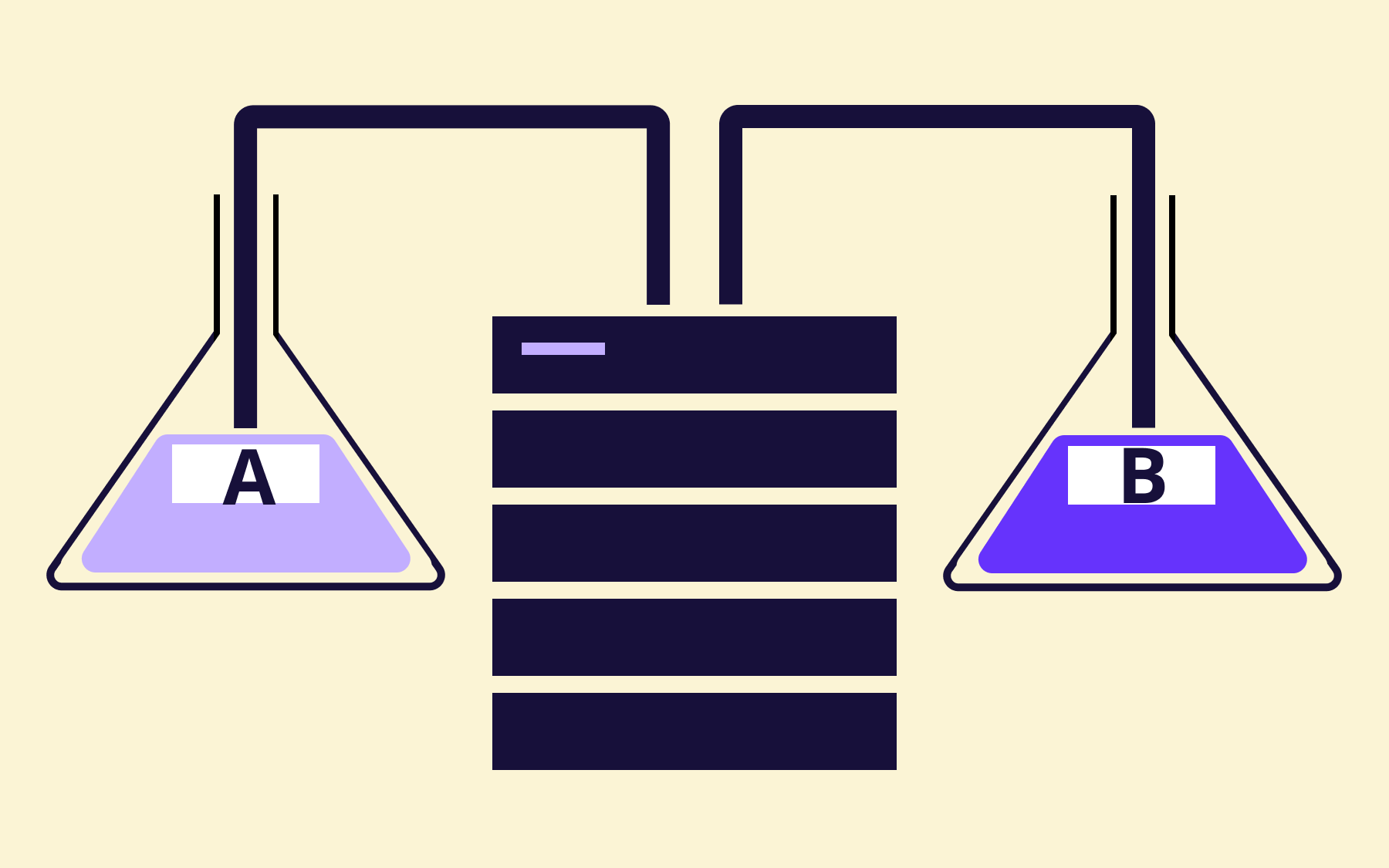
- Run dry runs before trusting a change. Most CI/CD tools let you validate a workflow's syntax and logic without actually deploying anything. Use that step before merging any pipeline change.
- Stage pipeline changes the same way you stage application changes. Test a new deployment step against a non-production environment first, and only promote it once it's behaved correctly a few times.
- Roll pipeline changes out gradually. If your pipeline manages several services, apply a change to one first rather than every service at once.
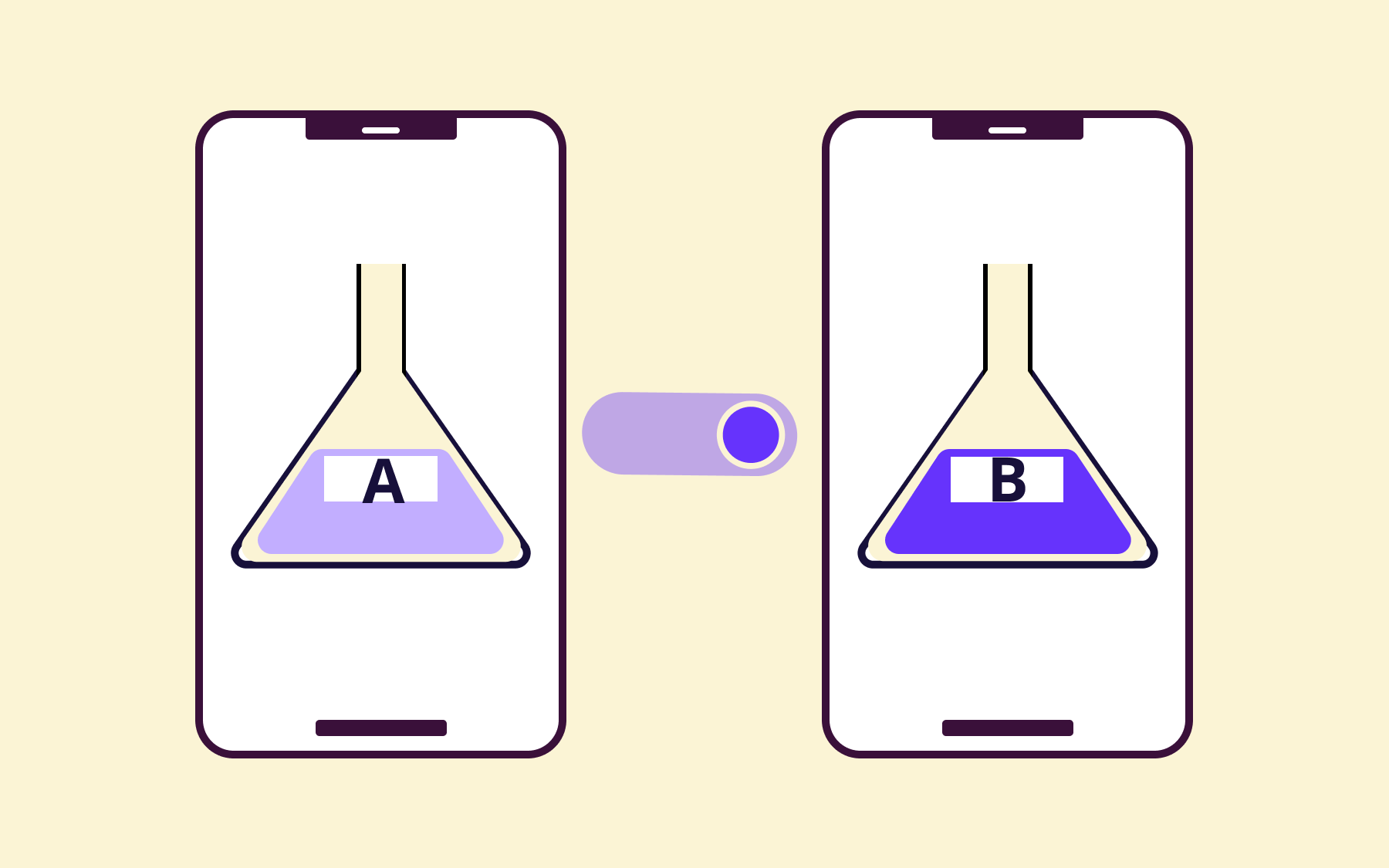
You should also test the code the pipeline deploys without exposing it to every user. Feature flags are the ideal tool to include in your CI/CD setup here.
Deploying code and releasing it to users don't have to be the same event. You can deploy a new code path to production behind a flag, test it against real production traffic for a specific segment of users, and only flip it on for everyone once you're confident it works. If something goes wrong, turning the flag off is faster and safer than rolling back a deployment.
That separation, deploy now and release later, takes a lot of pressure off any single pipeline run. Instead of every deployment being a high-stakes event, it becomes a routine step, and the actual release decision happens independently, backed by real data instead of a hunch.
How to set up a CI/CD pipeline in GitHub
Using GitHub Actions is one of the more approachable ways to build a first CI/CD pipeline, mostly because the pipeline configuration lives in the same repository as your code. Here's a minimal but functional example for a Node.js project.
Create a file at .github/workflows/ci.yml:
name: CI

on:
  push:
    branches: [main]
  pull_request:
    branches: [main]

jobs:
  build-and-test:
    runs-on: ubuntu-latest

    steps:
      - name: Check out code
        uses: actions/checkout@v4

      - name: Set up Node.js
        uses: actions/setup-node@v4
        with:
          node-version: '20'
          cache: 'npm'

      - name: Install dependencies
        run: npm ci

      - name: Run tests
        run: npm test

      - name: Build
        run: npm run build
Push this to your repository, and GitHub runs it automatically on every push to main and every pull request targeting it. You'll see the results directly on the pull request, so a broken build blocks a merge before it becomes anyone else's problem.
From here, extend the workflow by adding a deploy job that only runs after build-and-test succeeds, gated with needs: build-and-test. Most teams add a separate workflow file for deployment once the build and test loop is solid, so the two concerns don't get tangled in one file.
How to integrate automation into a CI/CD pipeline
Build and test automation gets a pipeline off the ground, but there's more to automate once the basics work reliably.
Security scanning
Security scanning fits naturally into the pipeline rather than as a separate, later step. Static analysis can run on every pull request, dependency scanning can run on every build, and container image scanning can run before anything is promoted to a new environment.
Automating repetitive tasks like these frees developers from remembering to run them by hand. Catching a vulnerable dependency during a pull request review costs a few minutes; catching it in production costs considerably more.
Build a compounding discipline and don't rely on a single check to improve software delivery over time.
Automated rollbacks
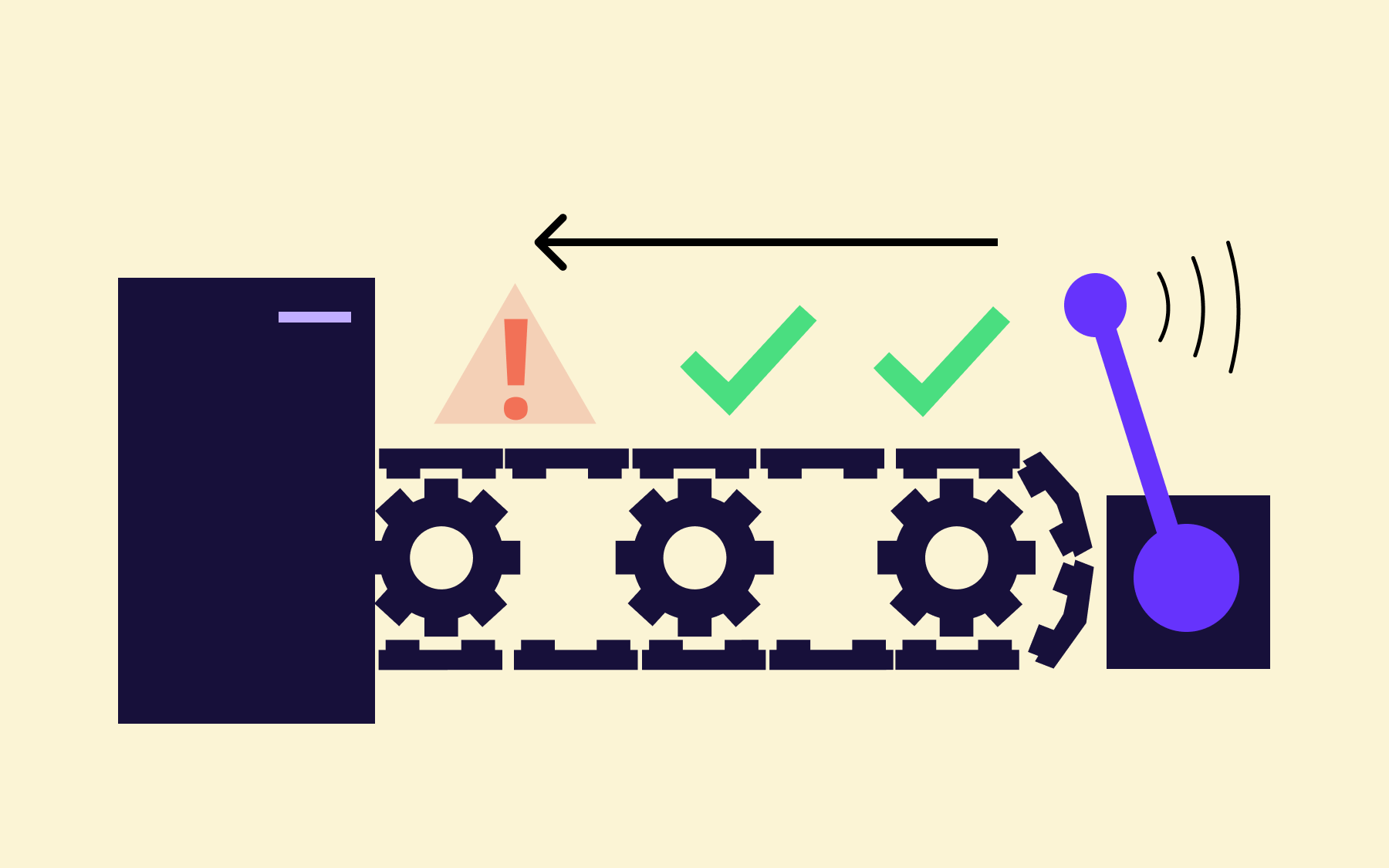
Set up automated rollbacks before you need them. If a deployment's health checks fail, or if monitoring detects an error rate spike after release, the pipeline can revert to the previous known-good artifact without waiting for someone to notice and act.
That safety net is especially valuable for teams practicing continuous deployment, where there's no manual approval step to catch a problem before it reaches users.
Progressive rollouts
Rather than sending a new version to 100% of your production environment at once, you can route a small percentage of traffic to it, watch the metrics, and expand automatically if nothing looks wrong.
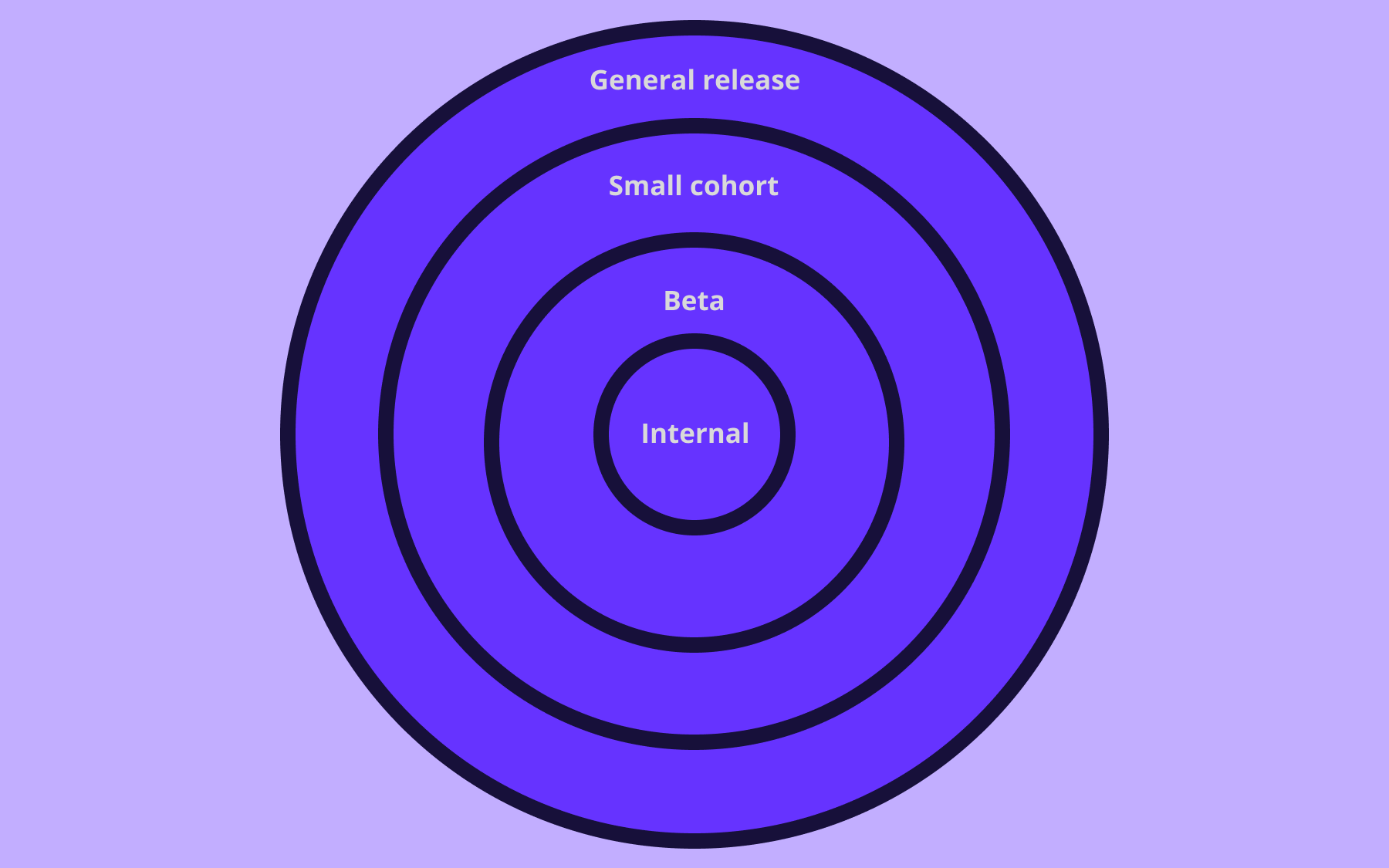
Feature flags support progressive rollouts, letting you enable a change for a defined segment of users, such as internal accounts or a small beta group, before a wider rollout.
Each new automated step is another thing that can misconfigure, and it needs the same testing discipline described earlier.
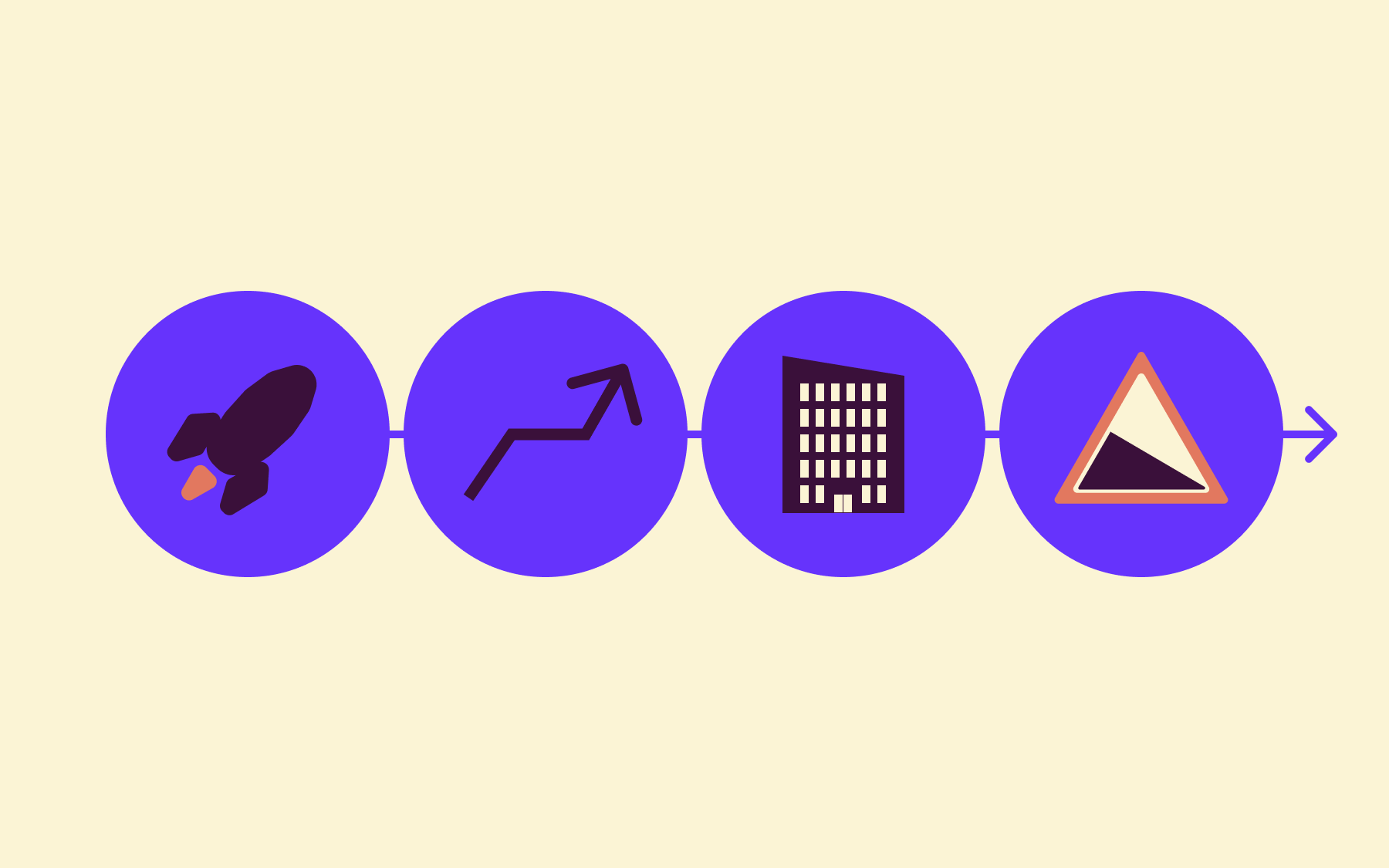
Start with build and test automation, get comfortable with it, then add security scanning, then rollbacks, then progressive delivery. Trying to automate everything in the first pipeline you build usually just moves the debugging effort from your application to your pipeline configuration.
Conclusion
A CI/CD pipeline is what turns finished code into software your users can actually rely on through a fairly small set of connected stages: build, test, release, deploy, and monitor.
The version you eventually run doesn't need every layer of automation at once. Start with a working build and test loop, prove it out, and add security scanning, automated rollbacks, and progressive delivery as your confidence in the earlier stages grows.
If you want to take some of the pressure off each deployment, pairing your pipeline with feature flags lets you separate shipping code from releasing it to users, so a bad change can be switched off in seconds instead of triggering a full rollback.
Sign up for Flagsmith to try it against your own CI/CD pipeline.
CI/CD pipeline FAQs
How long should a CI/CD pipeline take to run?
There's no fixed target, but a pipeline that takes so long developers stop trusting it or start batching changes to avoid running it defeats its own purpose.
If a pipeline consistently takes over 30 minutes unexpectedly, look first at test execution time, as that's usually the biggest bottleneck, before adding more hardware or parallel jobs.
Can a small team benefit from a CI/CD pipeline?
Yes. A pipeline doesn't need to be sophisticated to be worth having. Even a single automated job that runs your test suite on every pull request removes a category of manual checking and catches integration problems before a human has to spot them.
How to learn CI/CD pipeline creation
The fastest way to learn how to build a CI/CD pipeline is to just build one.
Start with a single tool's own getting-started guide, whether that's GitHub Actions, GitLab CI, CircleCI, or Jenkins, and get a genuinely working pipeline running against a real repository, even a small personal project.
Once you have something working end-to-end, add complexity in layers rather than all at once:
- Get a build and test stage running reliably first.
- Add a deployment stage to a test environment you don't mind breaking.
- Add security scanning once the basics are stable.
- Layer in rollback automation and progressive delivery once you trust the earlier stages.
Reading documentation is important, but it's a reference, not a substitute for a pipeline that's actually failed and taught you why.
Most of the useful experience comes from watching a pipeline break, working out why, and fixing the underlying configuration. A software development lifecycle built around fast, informative feedback loops is exactly what a CI/CD pipeline is meant to support, and understanding one by running it is a faster teacher than any single article, including this one.


















OpenTelemetry, without the vendor lock-in: Introducing full observability for Open Source and Self-Hosted Flagsmith customers