What Is Feature Experimentation? A Guide for Engineering Teams

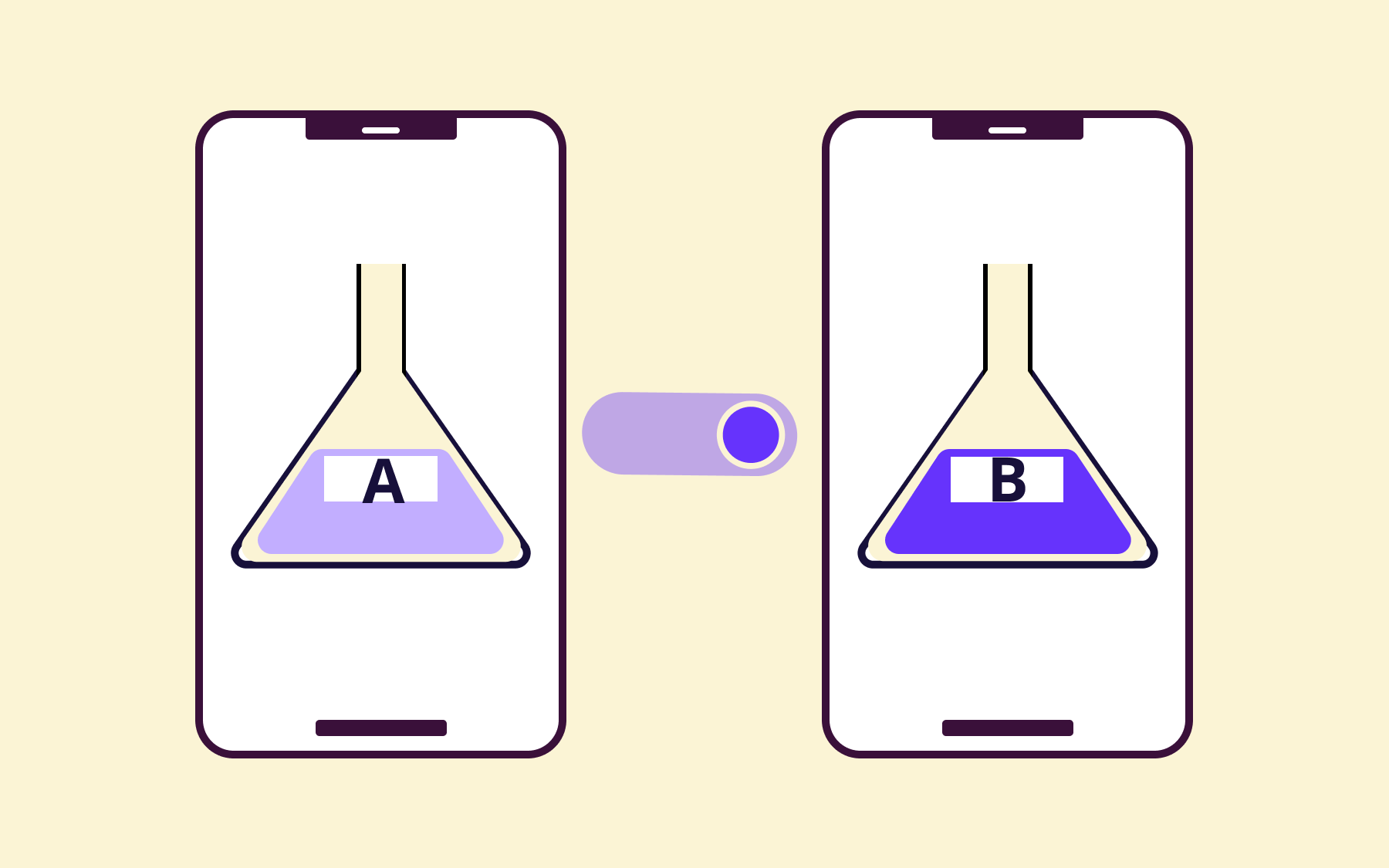
When you're running feature experimentation, you'll test a new feature with real users before you commit to a full release, using the same feature flags that already control your rollout. Instead of building a feature end to end and hoping it lands, you release it behind a flag, expose it to a slice of your user base, and let the data tell you whether it's working.
Feature experimentation is part of the feature management process, helping teams make data-driven decisions about new features instead of relying on guesswork.
This guide covers what feature experimentation means, how feature flags make it simpler to run, and how to set up your first experiment.
We'll also look at who offers experimentation through feature toggles, and why building testing into your standard development flow, rather than treating it as a separate project, is one of the most effective ways to reduce risk in software delivery.
What is feature experimentation?
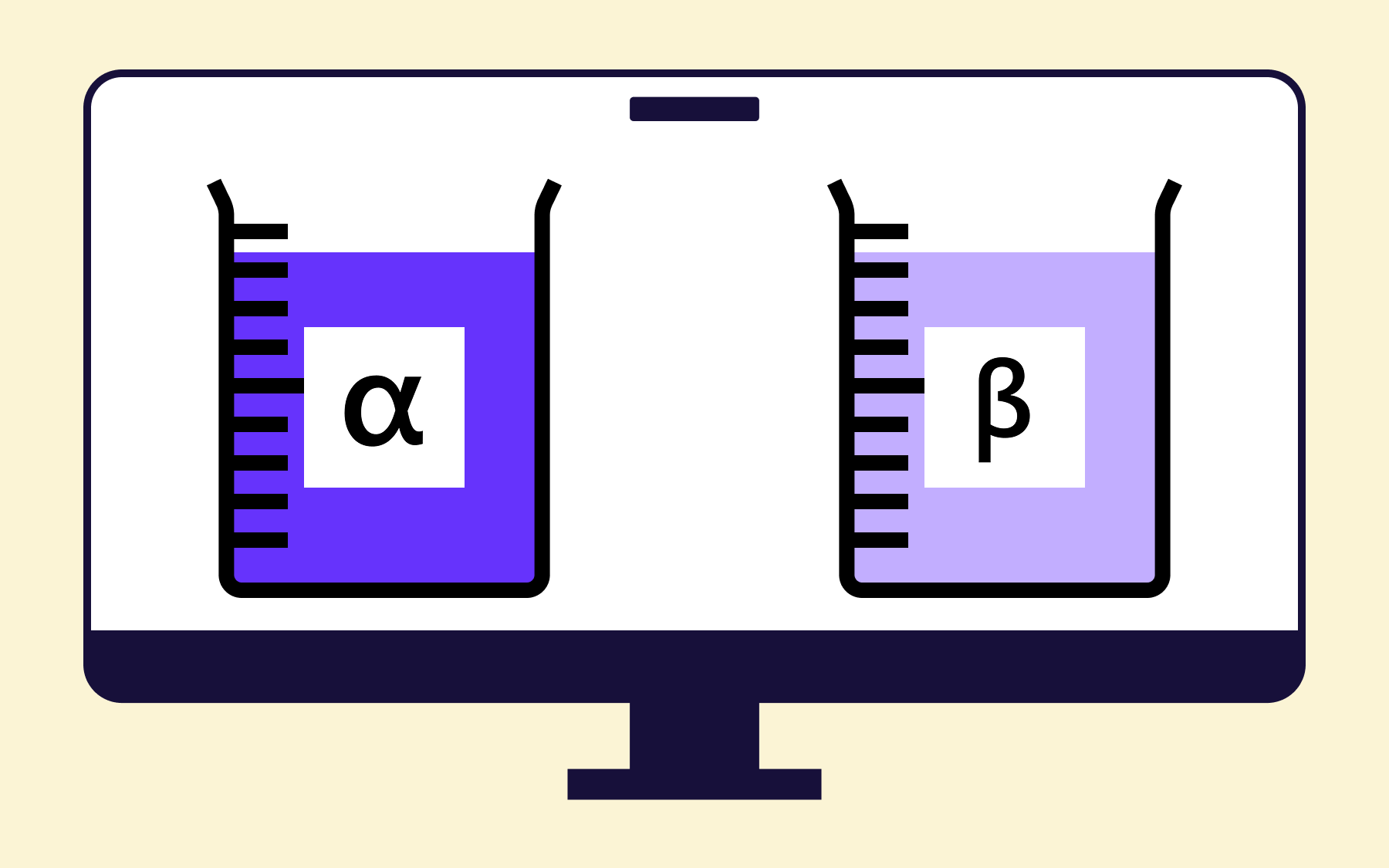
Feature experimentation is the practice of using feature flags to run controlled experiments on a new feature, or a variant of an existing one, with a defined group of real users before rolling it out to your whole user base.
Rather than deciding in advance exactly how a feature should work, you let user behavior and system performance tell you what's actually working.
It differs from general web or UI experimentation, which mostly tests marketing pages, copy, or layout using a visual editor. Feature experimentation runs deeper, covering server-side testing of backend services and pricing logic—anything wrapped in a feature flag—not just what's visible on the page.
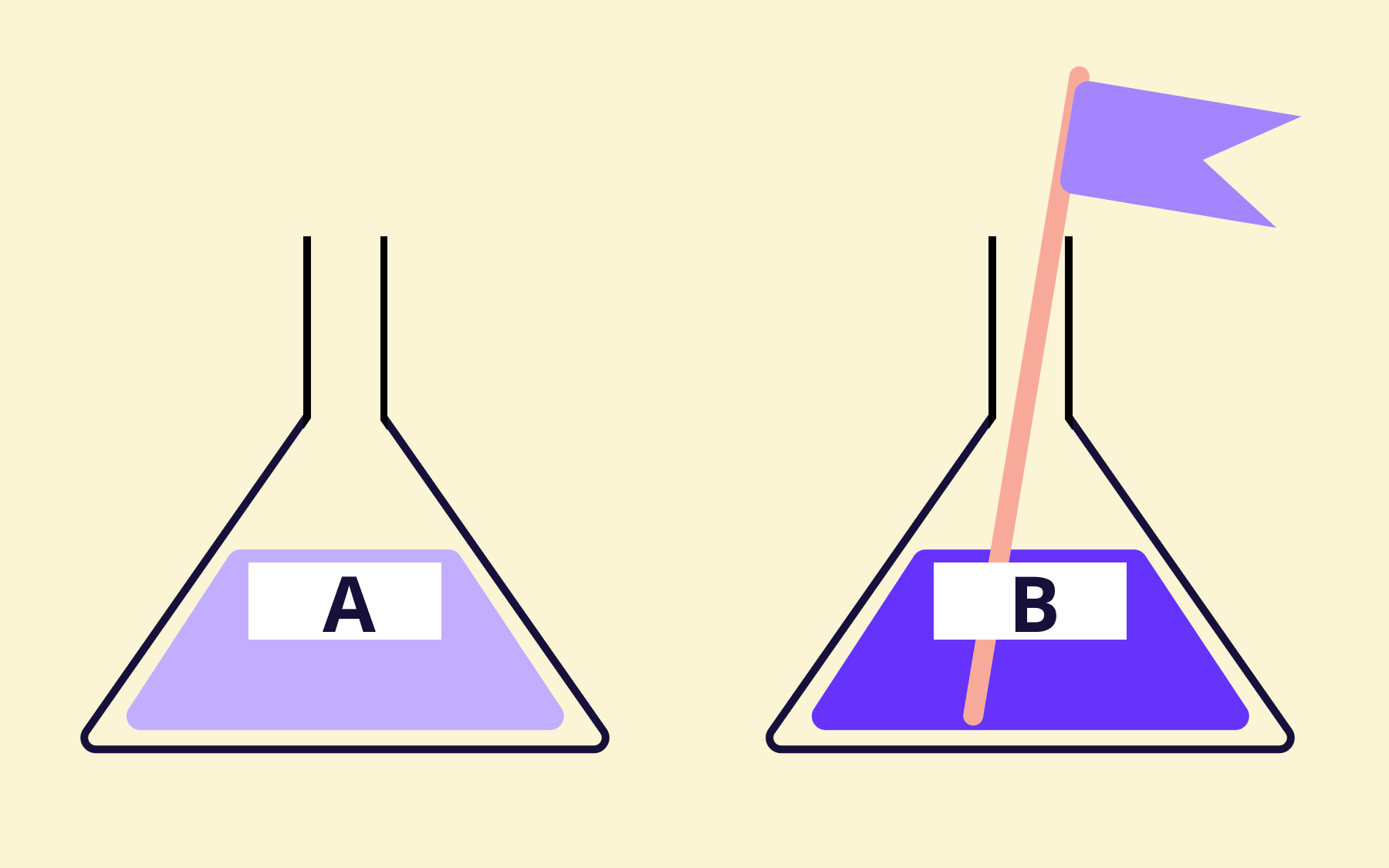
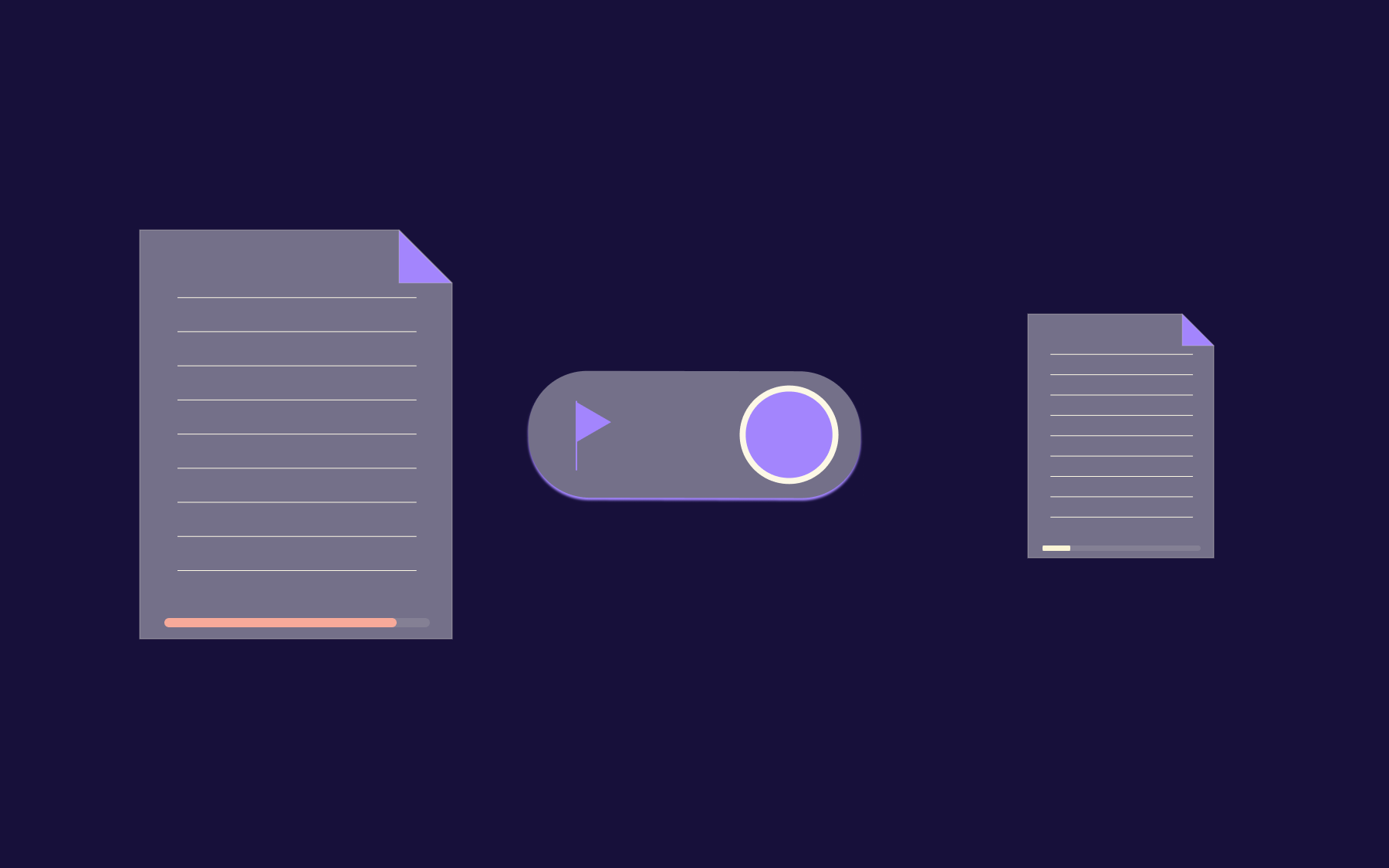
Although closely connected to it, feature experimentation is also a different context from feature flagging: a flag on its own only turns a feature on or off for a segment, while an experiment adds variations, a hypothesis, and success metrics, so you can prove whether the feature achieves what you built it for.
How feature flagging simplifies experimentation
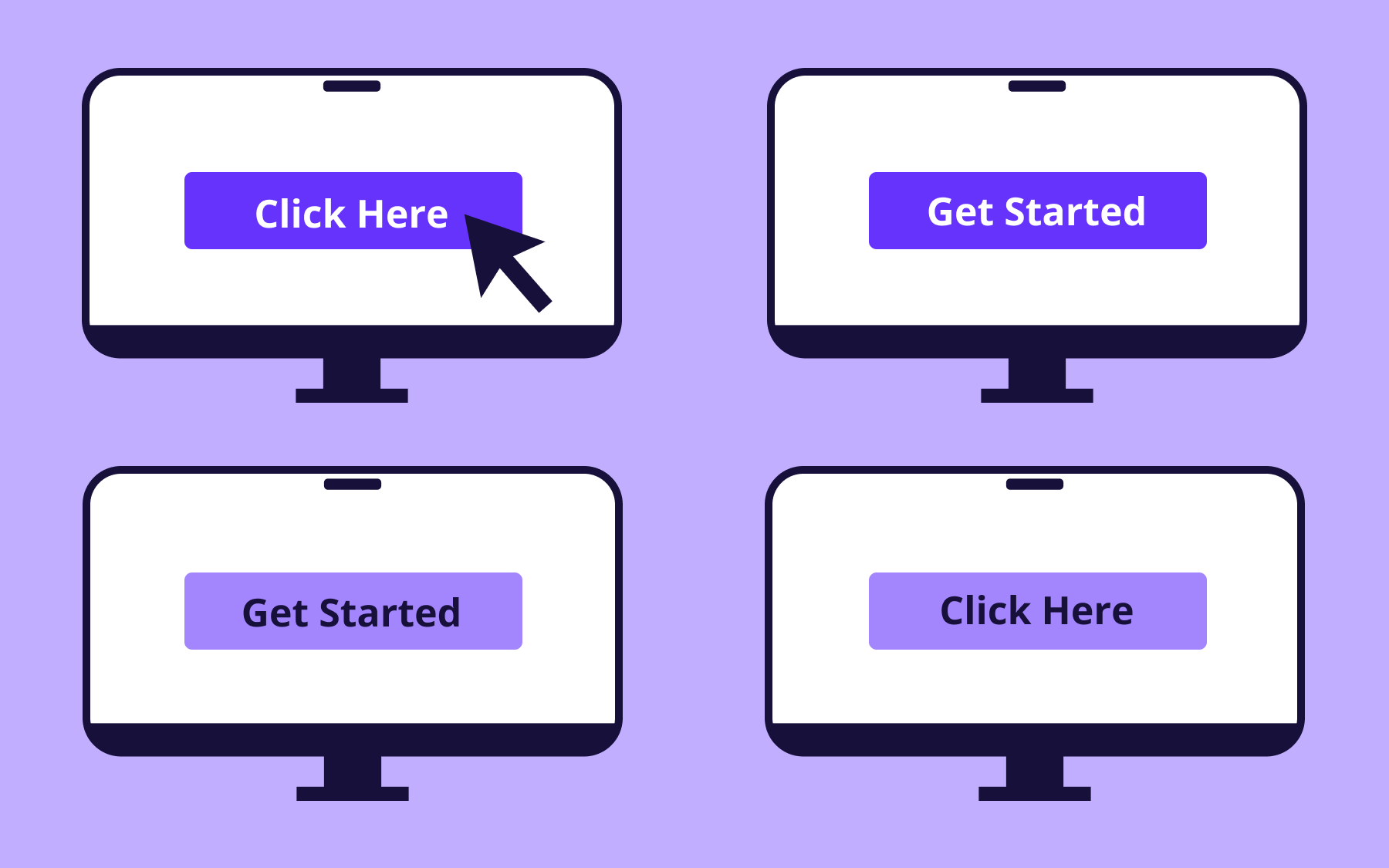
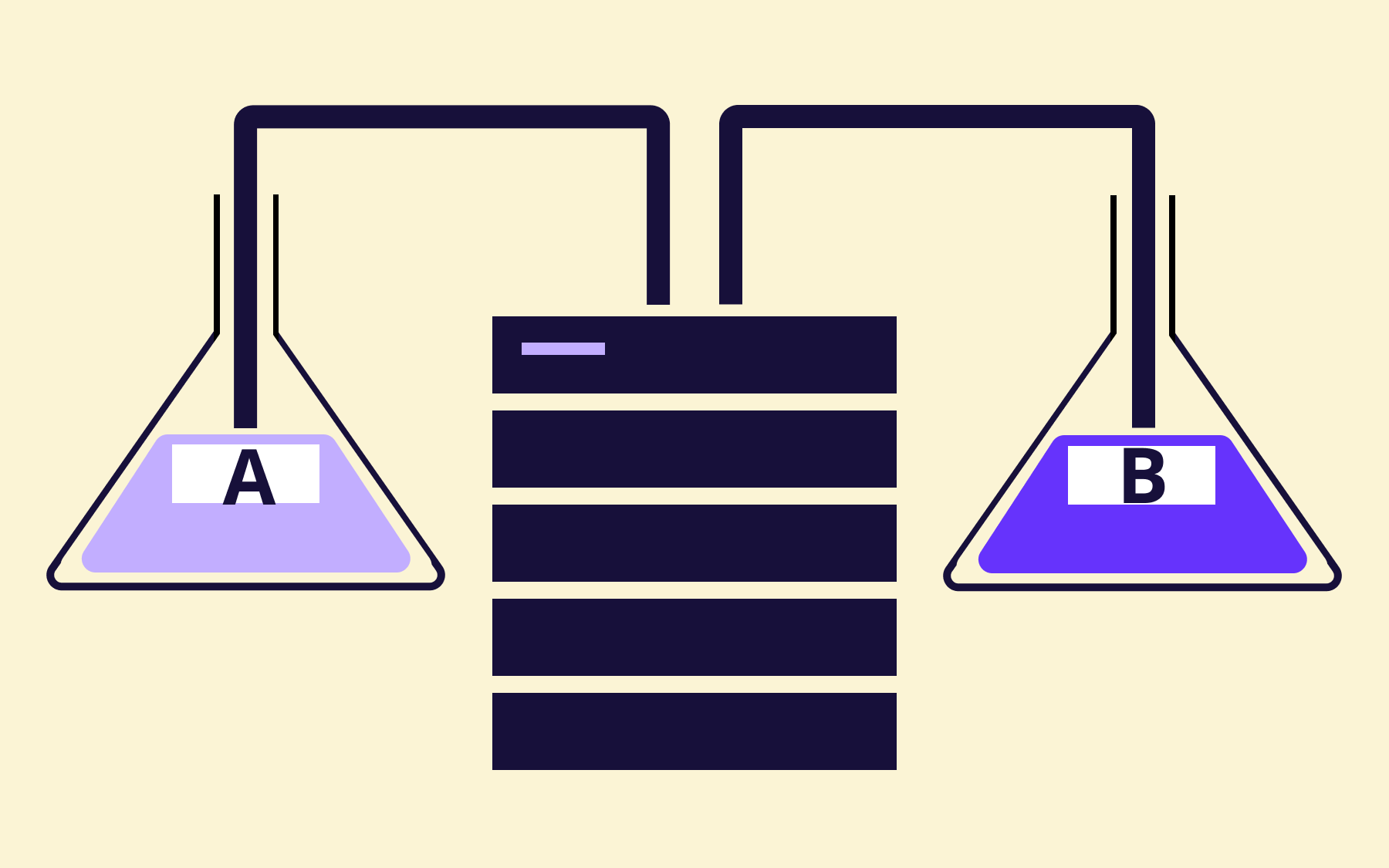
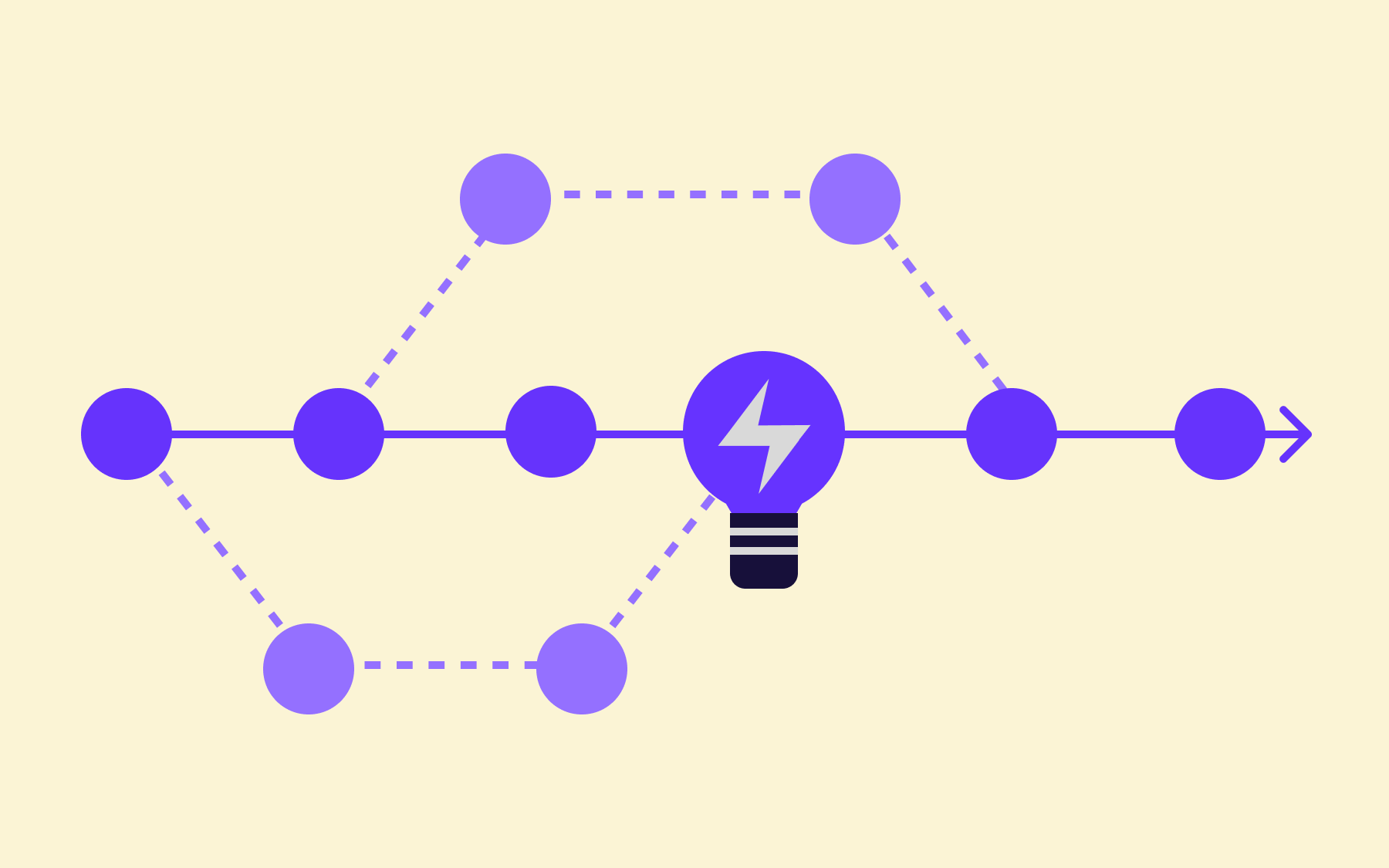
A flag already controls who can see a piece of code, so you don't need to build parallel test infrastructure for every feature. Add a second or third variation to that same flag, and it becomes an A/B test with almost no extra engineering work, giving you granular control over exactly who sees what, and when.
Feature flags simplify experimentation in a few ways:
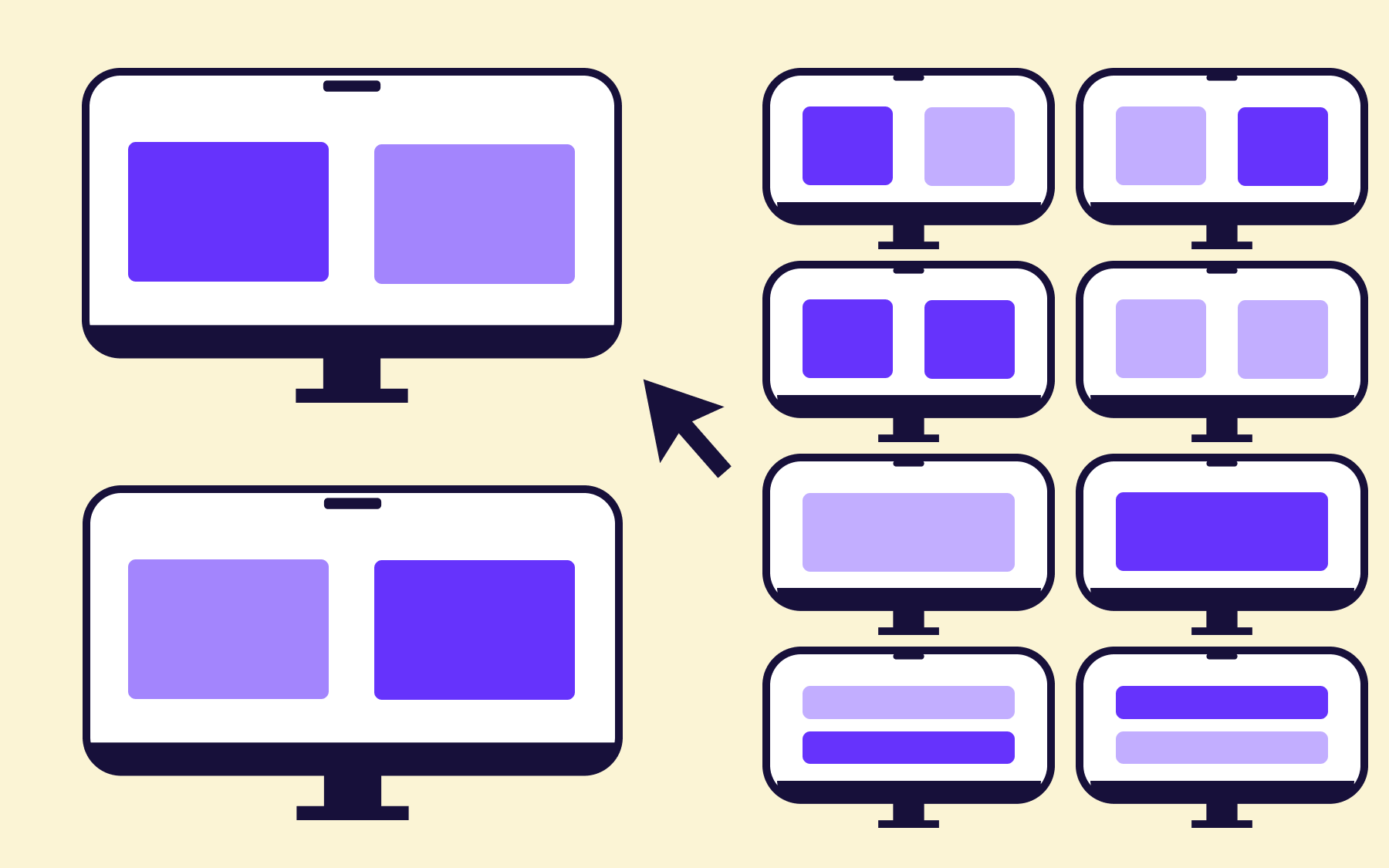
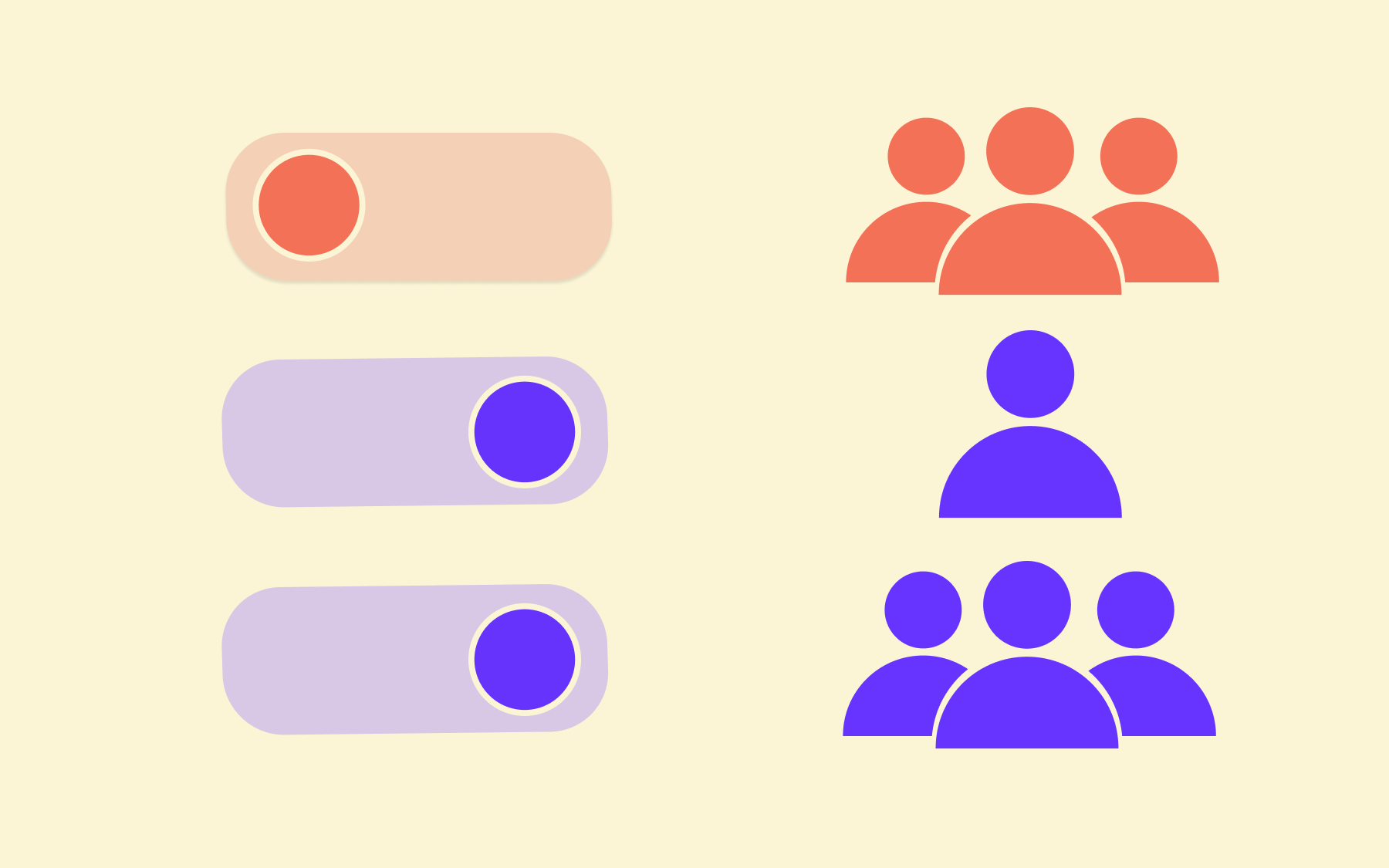
- Targeted delivery – You can expose a feature to a specific segment, such as users in one region or on one plan, using advanced audience targeting and custom attributes, rather than shipping it to your entire user base at once.
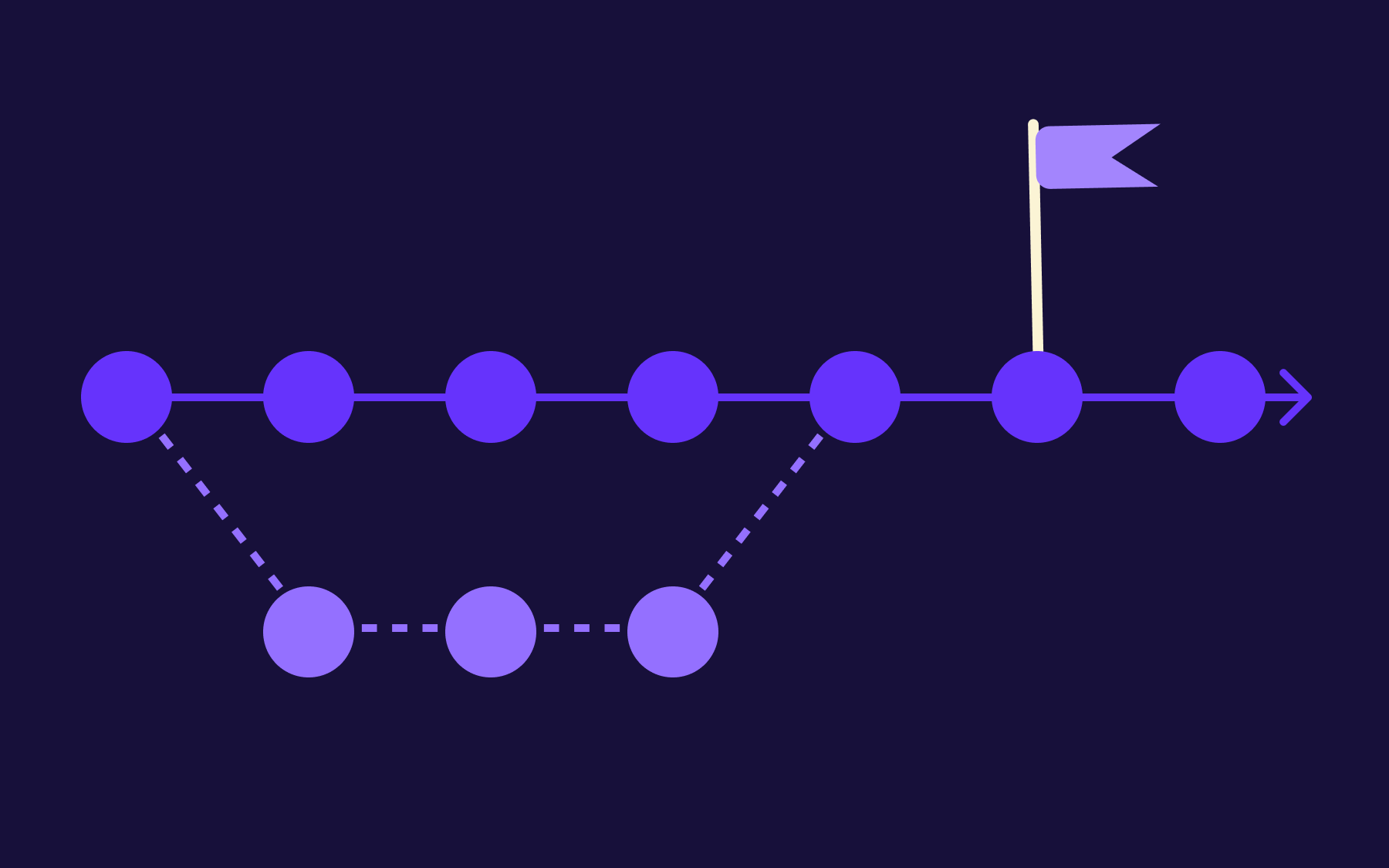
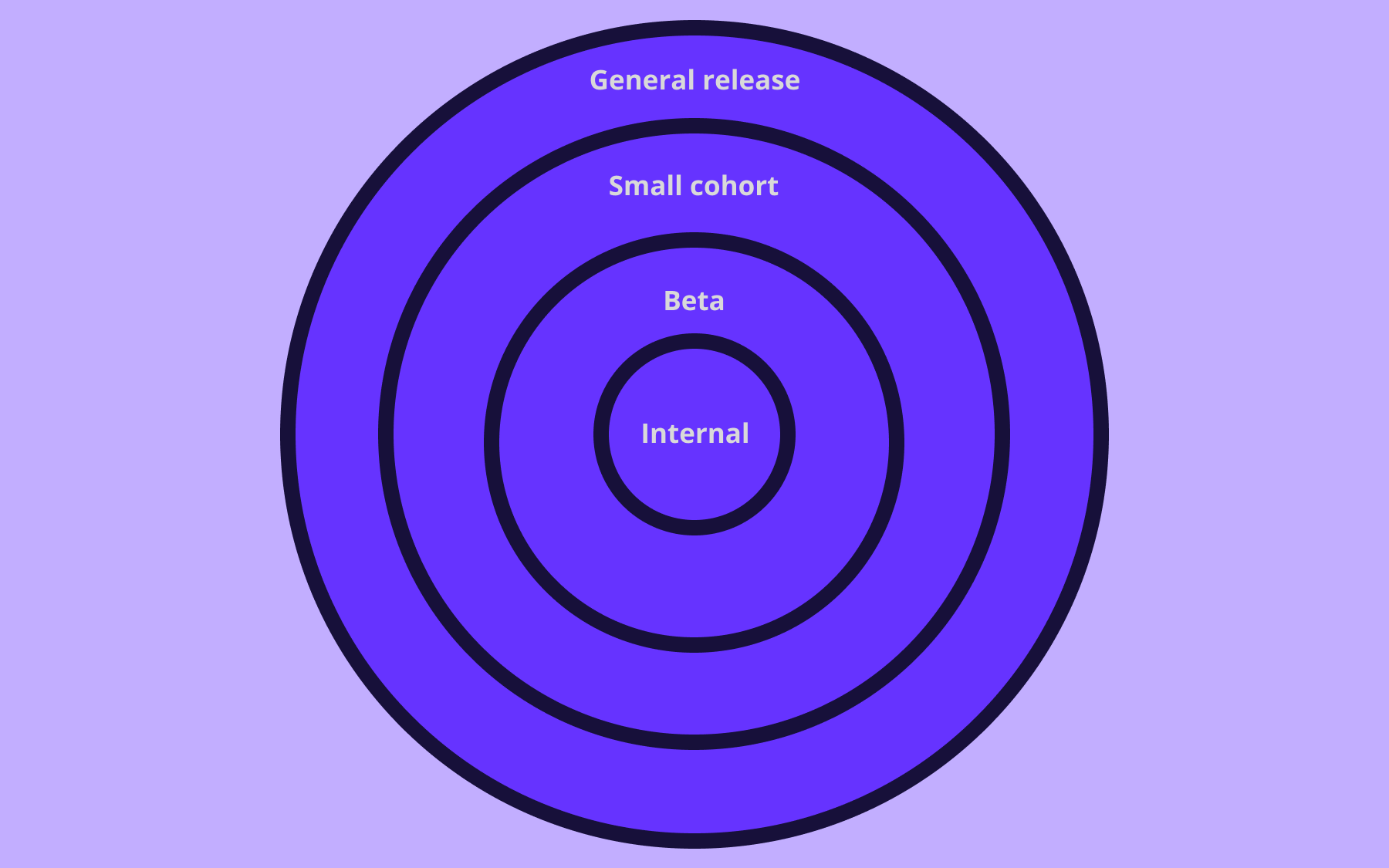
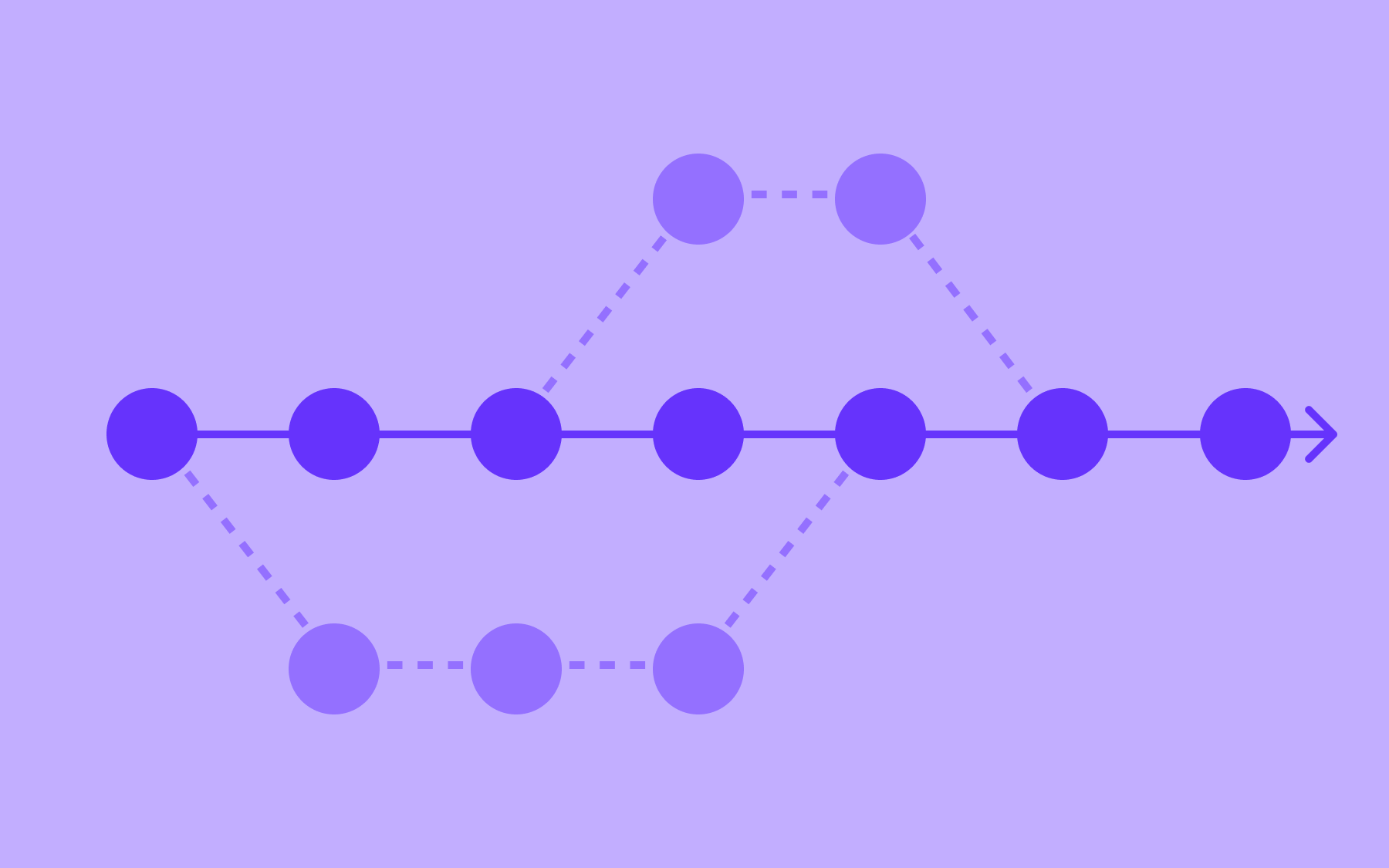
- Progressive rollouts – As part of progressive delivery, you can start a test at a small percentage of traffic and move through gradual rollouts as you gain confidence, rather than making an all-or-nothing decision at launch.
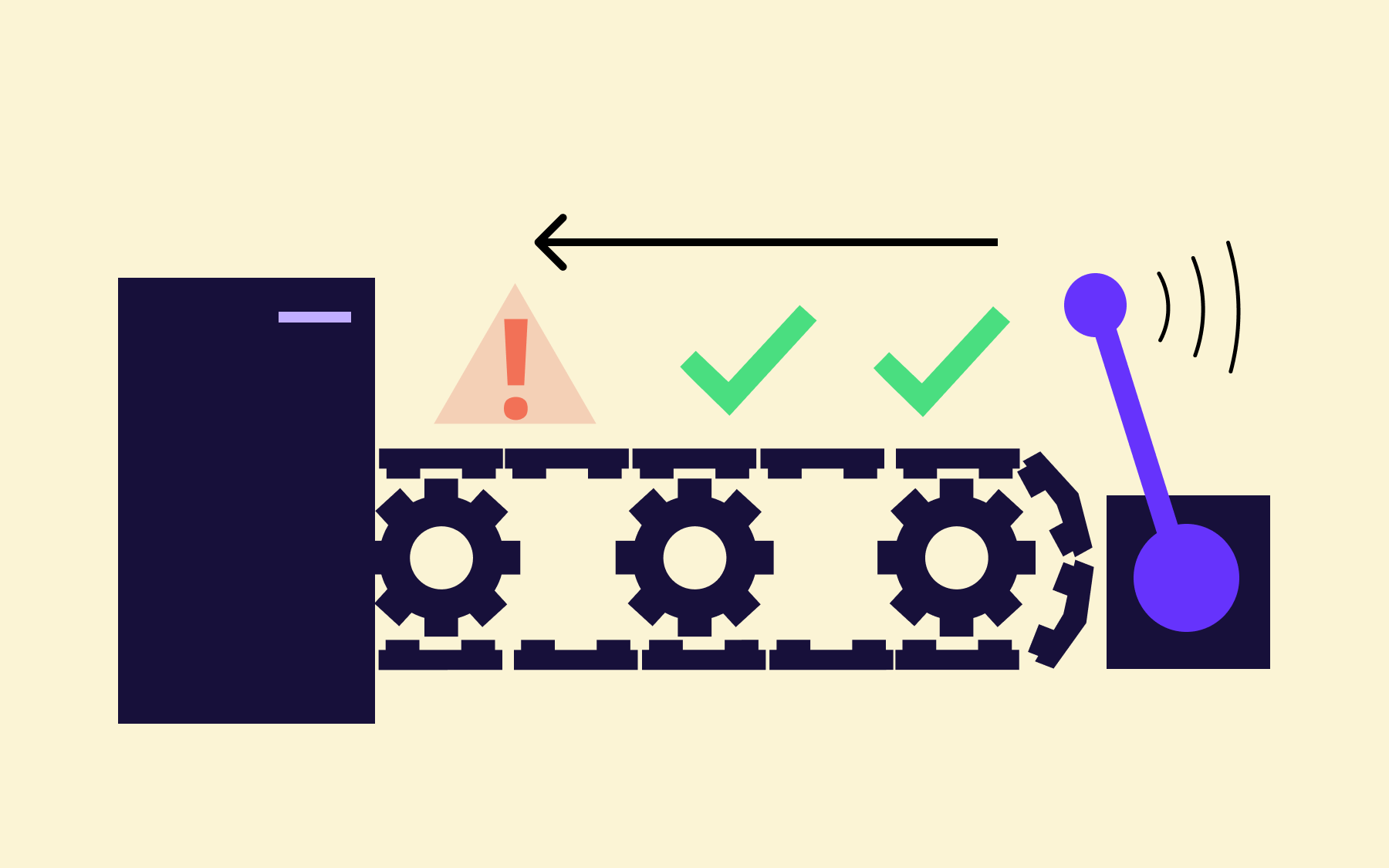
- Instant rollback – If an experiment reveals problems, such as a spike in error rates, you can turn the variant off immediately, without a new code release.
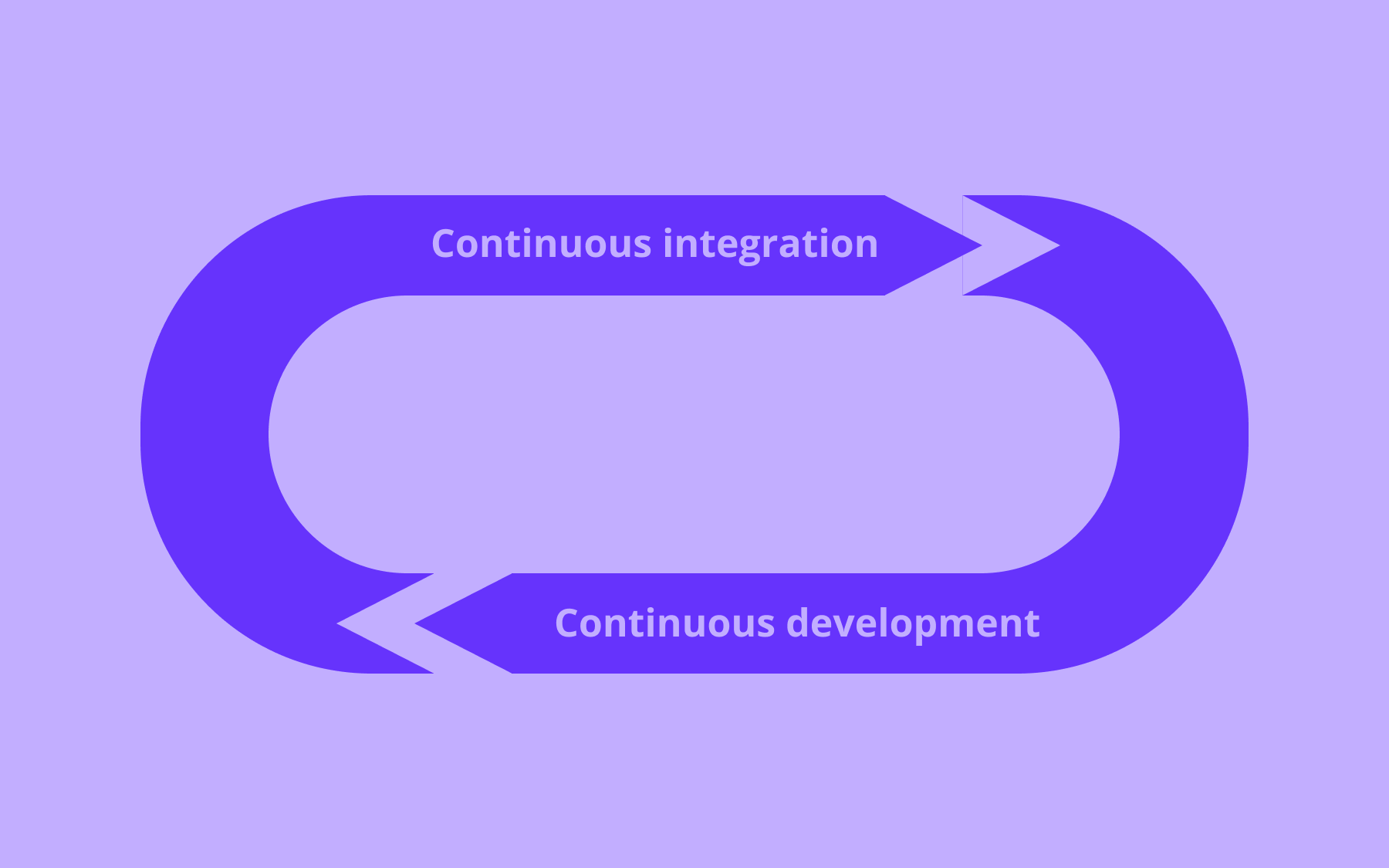
- Testing built into your process – When feature flags are instrumental to your release mechanism, experimentation becomes a natural part of your software development cycle, as every deployment can be A/B tested with simple on/off toggles before full release.
Because flag evaluations happen quickly and consistently for the same user, you also get consistent experiences across sessions: someone in the test group keeps seeing the same variant rather than flickering between versions.
How to use feature flags in experimentation
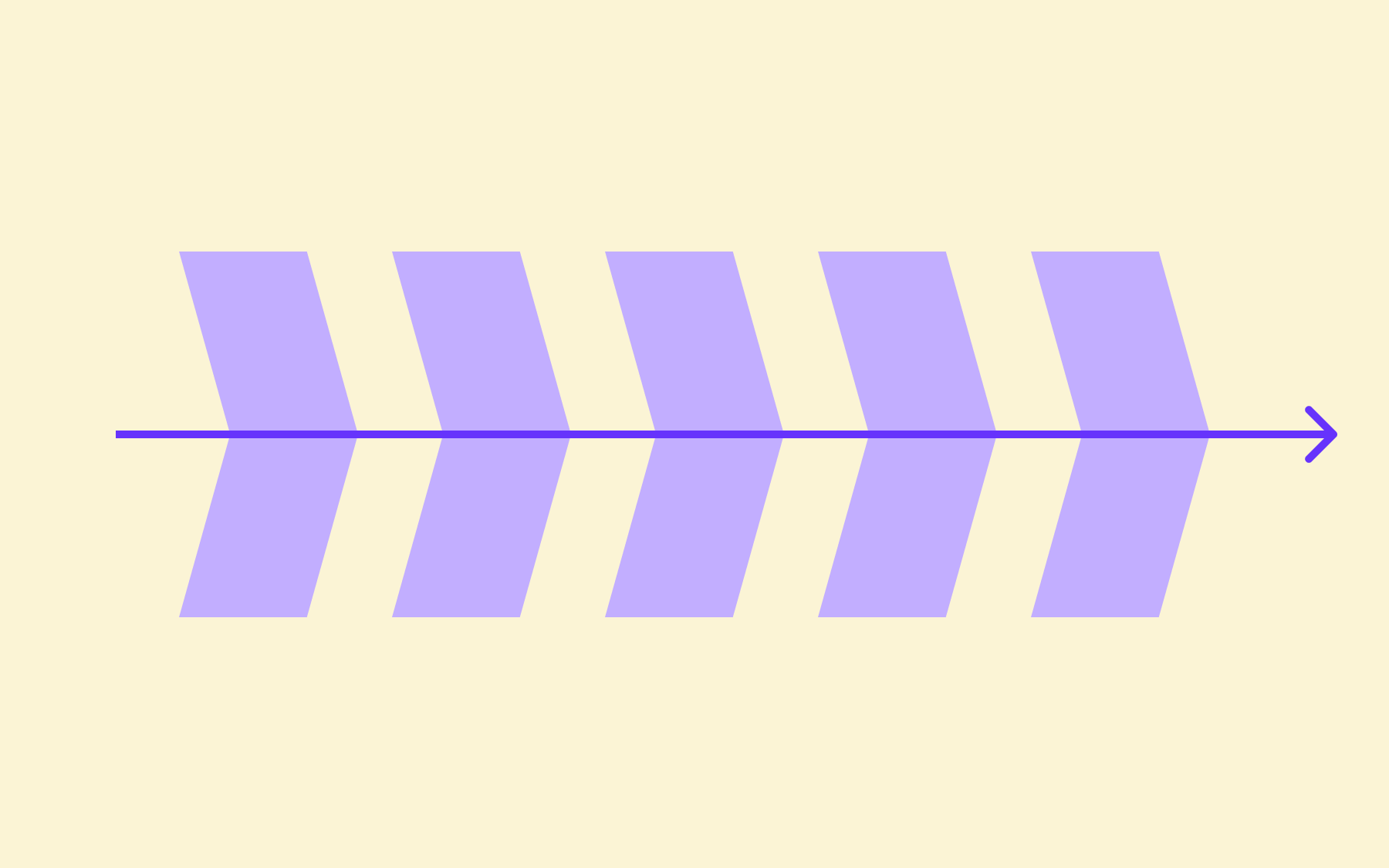
Setting up a feature experiment follows a similar process, whichever platform you use.
Define the hypothesis and success metric
Start with what you expect to happen and how you'll know if it worked. For example, showing a simplified checkout flow to new users might increase completion rate by 5%.
Decide the metric you'll measure before you start, whether that's conversion rate or a custom event, so you're not searching for a story in the data afterward.
Create the flag and its variations
Wrap the feature in a flag, then define the variants you want to compare: the original experience and one or more new versions.
Configure the flag's targeting rules to decide which users see which test variant, and use consistent bucketing so the same user always lands in the same group throughout the test. Product managers can adjust these rules at any time, without waiting on a new deploy.
Roll out to a controlled segment
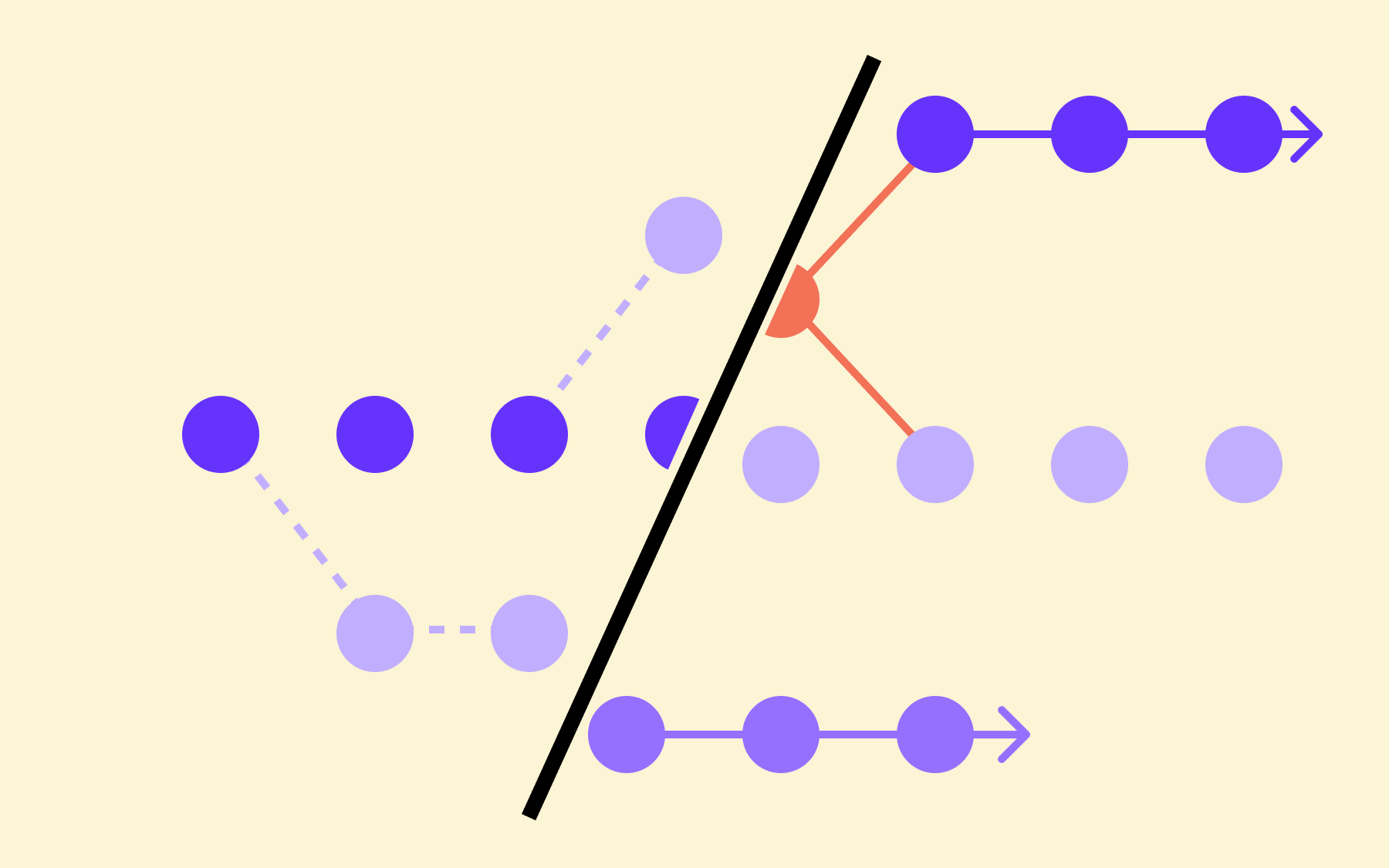
Release the experiment to a small, defined segment of your user base rather than your full rollout. Monitor both user behavior and system performance as it runs, since a variant that lifts conversion but slows down your backend services isn't a clean win.
If a variant underperforms, your rollback strategy is simple: turn the flag off, and traffic reverts to the original experience immediately.

Analyze results and decide
Once you've collected enough data to reach statistically significant results, review the experiment insights against your success metric to make informed decisions. From there, you can roll out the winning variant to your whole user base, or go back and iterate.
Why feature experimentation reduces risk
At Flagsmith, we build on the idea that feature flags exist to reduce risk, and feature experimentation puts that into practice, minimizing risk while you validate an idea.
When testing is baked into your workflow, you don't have to trust that a feature will work: you can measure it directly, on real users, before it reaches everyone.
In practice, that means adding a test whenever you add a new feature, or a fix, to the codebase, as a standard step in your software development lifecycle, rather than treating testing as a separate initiative that happens occasionally.
Feature flags decouple deployment from release, so you can ship the code to production without exposing it, then release it and test it on your own schedule. As a result, every feature release becomes a controlled test, reducing friction for the rest of your development team, who can keep shipping new code without waiting on a fix.
This approach also protects your system performance. Because you're running targeted experiments on a defined segment rather than your whole user base, a poorly performing variant only affects a fraction of production traffic, and you'll see the impact in your metrics before it becomes an incident.
We are using our Experimentation, currently in beta, to test this ourselves: our own product team is running tests on our signup page before rolling changes out to every visitor.
If you’re interested in trying our Experimentation feature, get in touch.
Best practices for feature experimentation
A few practices help feature experimentation stay effective as you scale it:
- Start with a hypothesis – Know what you expect to happen and why, before you build the variant.
- Keep experiments targeted – Test with a defined segment of your user base first, rather than your whole user base, to limit the impact of a bad variant.
- Clean up after the test – Once an experiment concludes, remove the flag and its variations as part of your feature toggle management process, so it doesn't linger in your codebase.
- Make testing routine – Add a test whenever you ship a new feature or fix, so experimentation becomes part of your standard development flow rather than an occasional project.

Who offers experimentation via feature toggles?
A range of platforms let you run experiments through feature toggles, and they tend to fall into two groups:
- Dedicated experimentation and personalization suites are built primarily for marketing and product teams, with visual editors and deep analytics built in, though they're often designed around web and UI testing first, with feature-level testing added on top.
- Feature-management platforms, in contrast, are built by and for engineering teams first, with feature flags as the core building block and experimentation layered on top of that.
Feature management tools vary in how much experimentation they offer in-tool. Some connect to the analytics or data warehouse platforms that your teams already use, such as Google Analytics or your own warehouse, rather than replacing it.
Others include a full, built-in statistical engine and reporting dashboard, making results available for non-technical teams to read if they have access to the tool – though this can mean less flexibility over where your data lives.
Flagsmith is an open-source feature flag and remote config platform for any digital product, supporting A/B and multivariate testing through the same flags you use to control releases, with the option to self-host if your team needs to keep experiment data in your own infrastructure.
With our feature management solution, you can run tests using multivariate flags alongside your existing analytics platform.
Conclusion
Feature experimentation turns feature flags into more than a simple on/off switch: a way to build smarter, proving whether new features actually improve things before they reach your whole user base.
Instead of shipping a feature and hoping for the best, you can target a segment, measure the result, and roll out the winner with confidence.
If you want to build experimentation into your own release process, Flagsmith gives you feature flags, segmentation, A/B testing, and remote config in one open-source platform, self-hosted or in the cloud. Sign up for free and turn your next feature into an experiment.
Feature experimentation FAQs
What's the difference between feature experimentation and A/B testing?
A/B testing is a method: comparing two or more variants to see which performs better. Feature experimentation applies that method specifically to features controlled by feature flags, rather than to marketing pages or standalone campaigns, so the same flag that manages your rollout also runs the test.
Do you need a separate tool for feature experimentation?
Not necessarily. If your feature flag platform supports variations and consistent bucketing, you can run feature experiments without a dedicated experimentation suite, though you may still send results to your existing analytics tools for deeper statistical analysis.
Can you run feature experiments without affecting your whole user base?
Yes, that's the point. You target a defined segment using custom attributes, run the experiment against that group, and only extend it to your whole user base once you're confident in the result.
















OpenTelemetry, without the vendor lock-in: Introducing full observability for Open Source and Self-Hosted Flagsmith customers





























.png)
.png)