What Is a Dark Launch? The Ultimate Software Development Guide


Production isn't staging. No matter how thorough your testing pipeline is, the moment code hits a live environment, it faces conditions that can't be fully replicated elsewhere—real traffic volumes, real infrastructure at scale, and real user interactions that don't follow the paths you anticipated.
Plenty of well-prepared releases have still failed in ways nobody saw coming. And when they do, every user feels it at once.
A dark launch resolves this tension. You deploy the code to your production environment, controlling whether users can see it and giving your team the ability to test in production without treating your entire user base as the test group.
The feature is live and running; it's simply not surfaced yet. This guide covers the definition of a dark launch, the mechanics, and when to use the method, before walking through how software teams run a dark launch in practice using a feature flag platform.
What is a dark launch?
A dark launch is a software release technique in which new code is deployed to a production environment but kept invisible to the general user base. The code runs in production, but users simply can't see or interact with the feature yet.
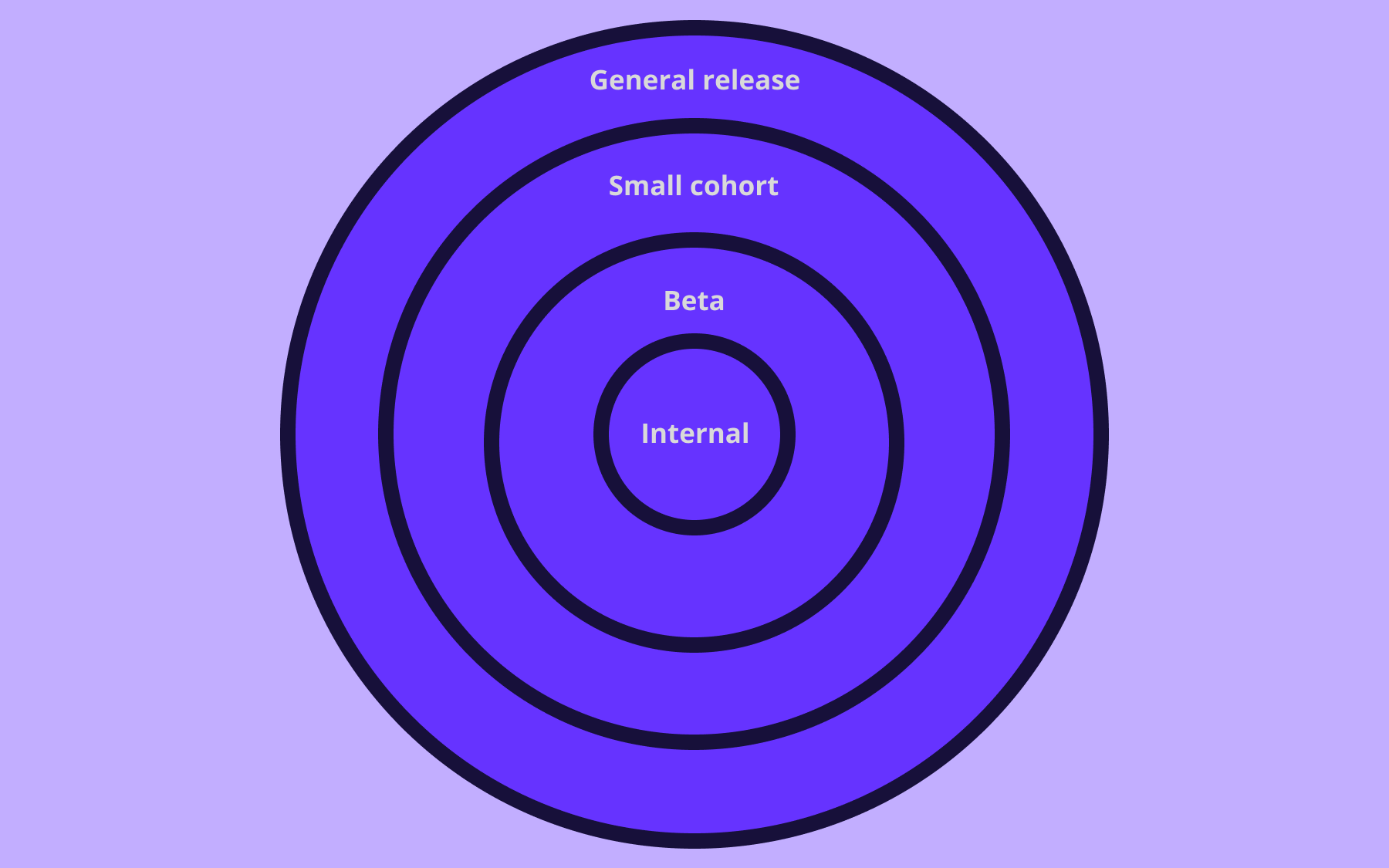
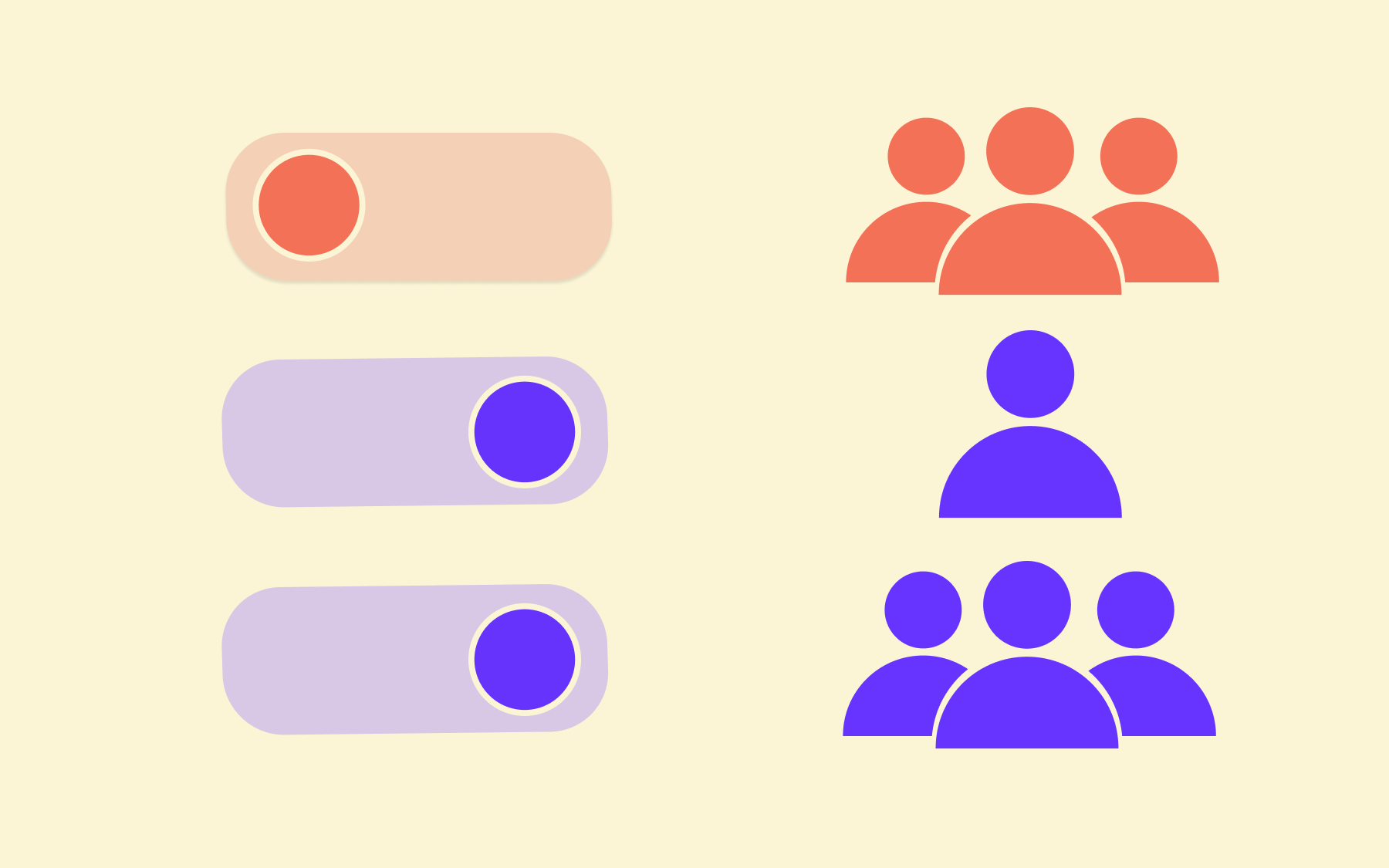
Exposure is deliberately controlled—typically limited to internal users, a carefully defined subset, or no one at all—until the development team has enough confidence to expand.
A dark launch isn't the same as not releasing. The code has shipped, but the feature just hasn't been turned on yet.
What is a dark launch in software development?
In modern software development, a dark launch is a release strategy that decouples two decisions that most teams treat as one: when to deploy and when to release.
The code is live and running in your production environment, evaluated against real infrastructure and real production traffic. It is simply not surfaced in the user interface. "Dark" refers to its invisibility to end users, not to anything about the underlying deployment infrastructure.
Production is where real system performance gets tested. Staging environments are useful, but they're approximations. New database queries that perform adequately under synthetic load can fail at scale. New functionality that introduces an unexpected memory leak won't necessarily surface until real users are hitting it continuously.
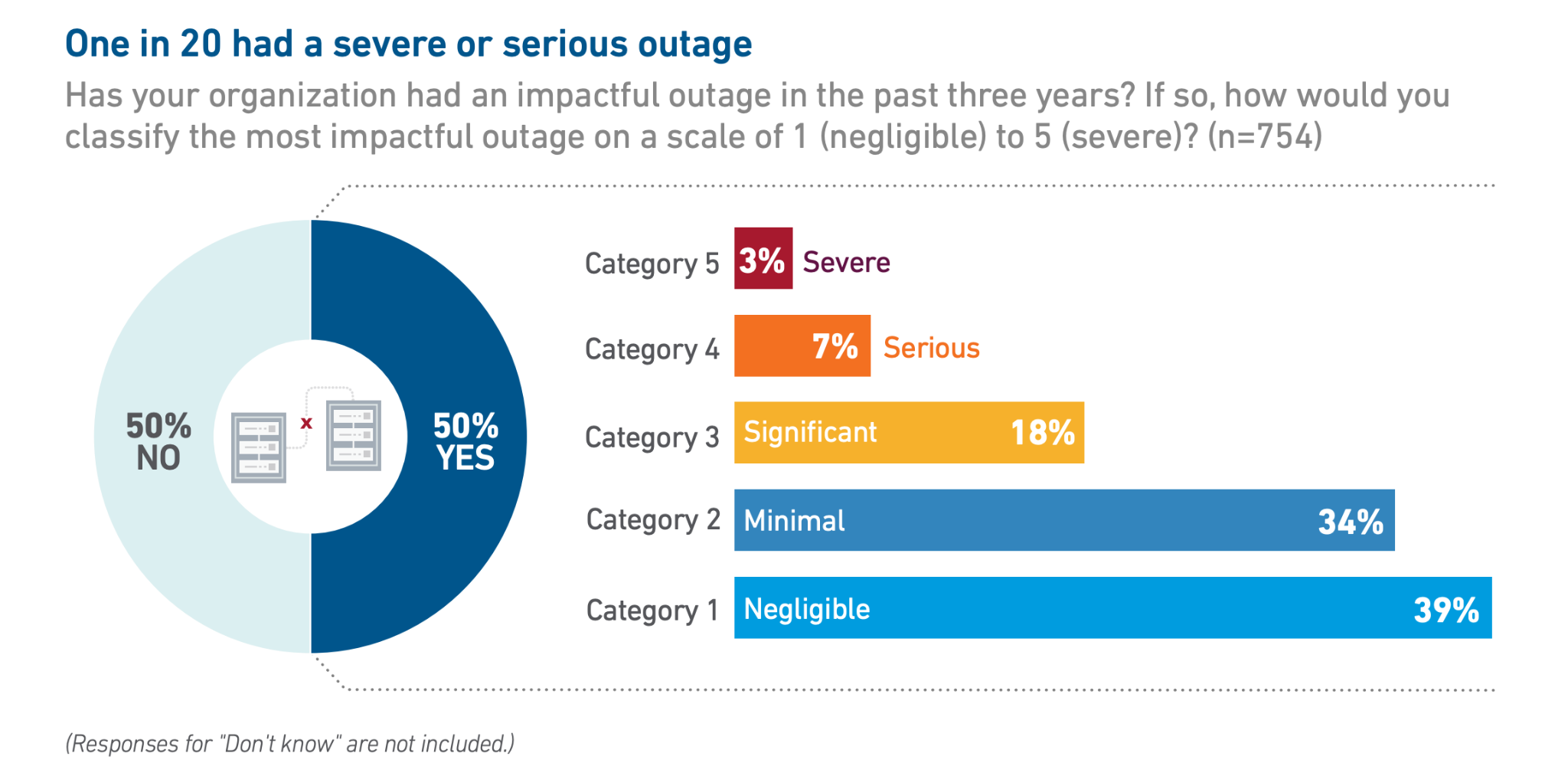
More than half (57%) of respondents to Uptime Institute’s 2026 Annual Outage Analysis said that their most recent outage cost more than $100,000. With software causing almost a fifth of service outages, dark launching is one of the most direct ways to expose that risk before it becomes an incident.
Dark launching is often confused with related techniques, so it's worth drawing the distinctions clearly:
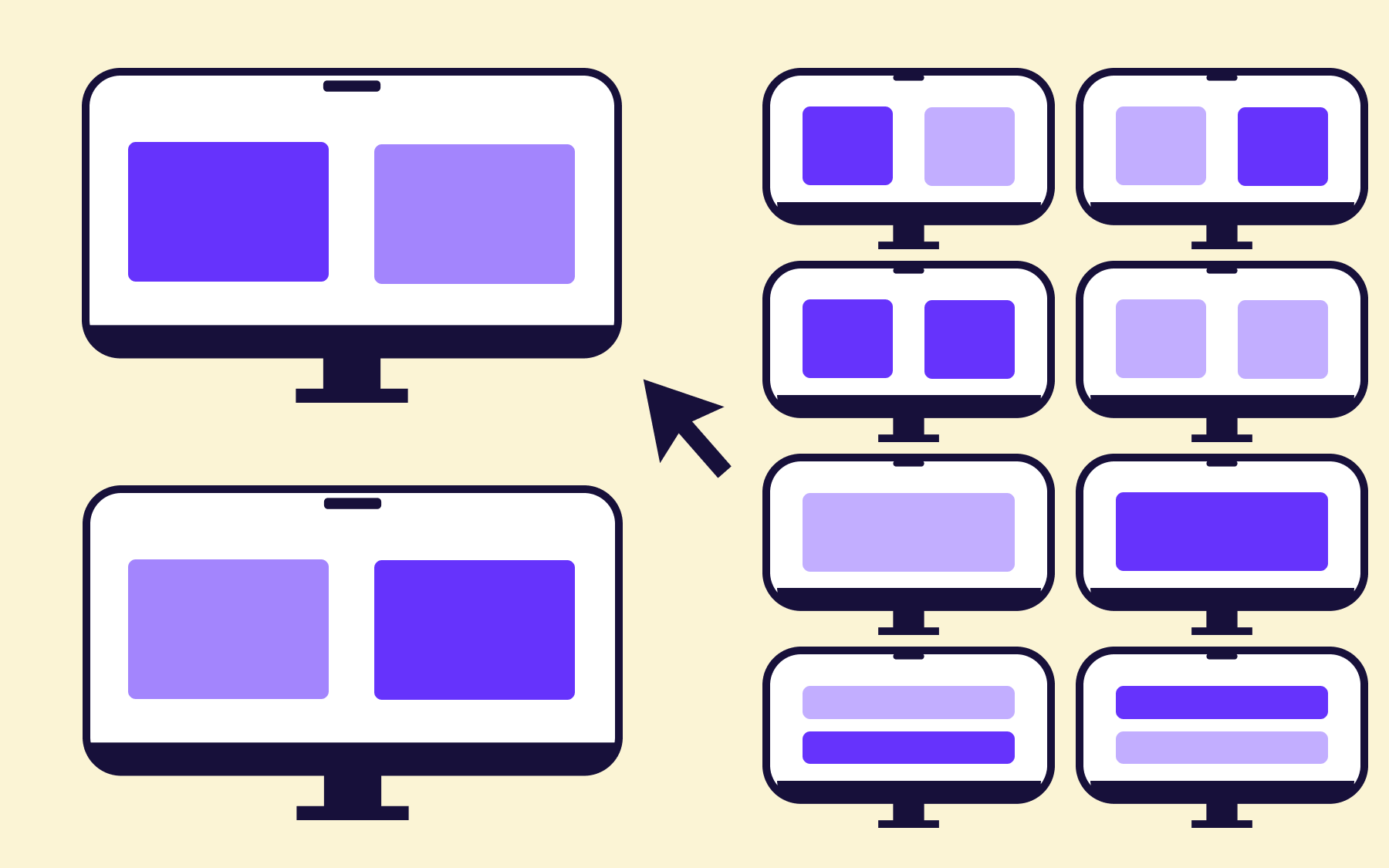
- Dark launch vs. canary release. A canary release exposes a small percentage of real users to a new version and monitors their experience. A dark launch can run new code without any user-facing output at all—the aim is often infrastructure or performance testing rather than gathering user feedback. The two are sometimes combined: you might dark launch first, then move into a canary release once you're confident the back-end features are stable.
- Dark launch vs. silent launch. A silent launch releases a feature to all users without promotional fanfare. Users can find and use it; no announcement is made. A dark launch goes further: the feature isn't available to general users at all. Each is a distinct release strategy with different risk profiles.
Why teams use dark launches—and when not to
The core principle of a dark launch is straightforward: it’s a technique that separates deployment risk from release risk.
Deploying code is an infrastructure operation; releasing a feature is a product decision. Keeping those two decisions separate means your team can ship continuously without every deploy being a high-stakes release event.
There are several reasons software teams use this deployment strategy:
- Load and performance testing. Real production traffic reveals capacity and latency issues that staging environments often miss, particularly when you're introducing a new system, migrating to a new database, replacing a critical back-end service, or testing features during an actual release. Running new functionality against real infrastructure without exposing users to it gives you the data you need without the blast radius.
- Reducing blast radius. Exposure is limited to a defined group rather than your whole user base simultaneously. If something breaks, the impact is contained—and you can disable portions of the feature without a redeployment.
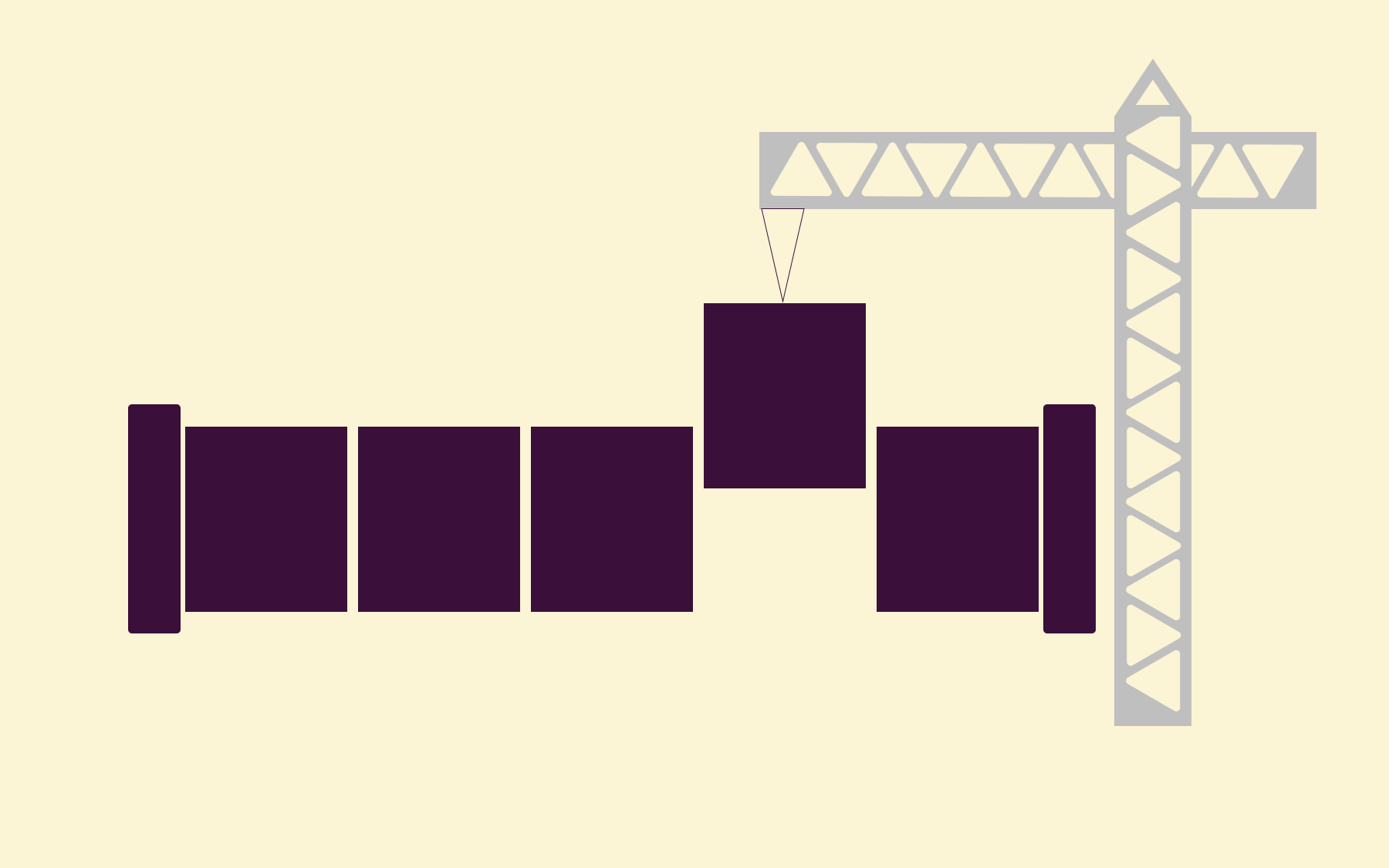
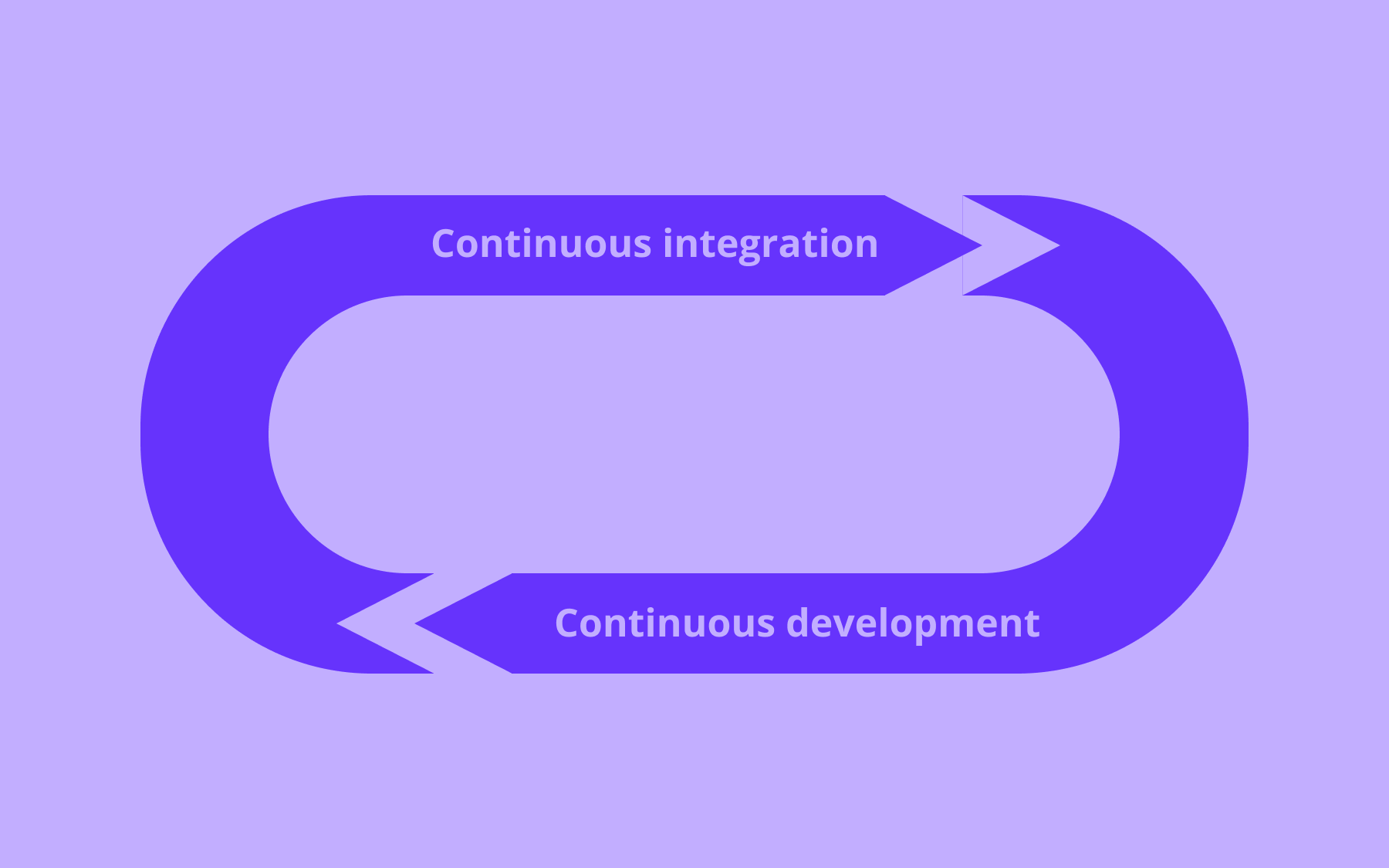
- Decoupling code deployments from release. Teams can merge and deploy continuously without coordinating a release event. Decoupling deployment from release is a prerequisite for trunk-based development and significantly shortens the feedback loop. Deployment is not a release, and dark launching makes that concrete.
- Regulated environments. Teams in banking, insurance, healthcare, or government can validate compliance and system performance in production before any end user touches the feature—without creating a compliance event in the process.
That said, dark launching isn't always the right call.
For low-risk UI changes or minor copy updates, it adds instrumentation and cleanup overhead that usually isn't worth the effort.
If your team doesn’t already have a feature flag platform in place, setting up the infrastructure to do it properly may outweigh the benefit for simple releases. As with any release strategy, the overhead should be proportional to the risk profile of the change.
How to run a dark launch with feature flags
Feature flags are the standard mechanism for dark launching, or any strategy where your releasing features. They allow you to deploy code to production while keeping the feature toggled off, then selectively enable it for specific users or segments, without touching the codebase again.
Here's how the process works in practice, using Flagsmith as the implementing platform.
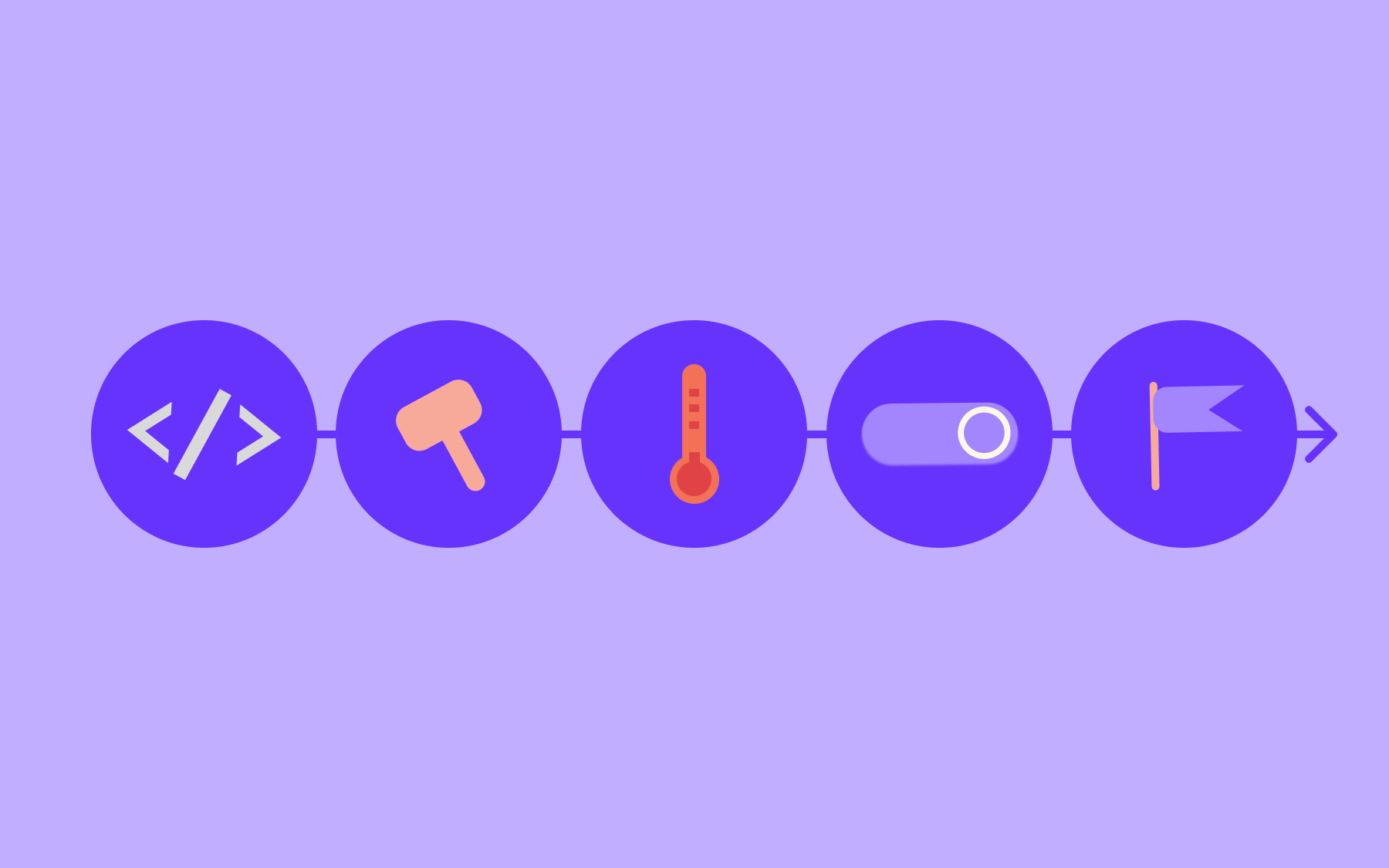
- Define exit criteria first. Agree on what a successful dark launch looks like before deploying. That means specific, measurable thresholds: a latency ceiling, an acceptable error rate, a target load level. Without pre-agreed criteria, dark launches drift—and unused feature flags accumulate as technical debt.
- Deploy behind a flag set to “off”. Merge the feature and deploy to production with the feature toggle disabled at the environment level. No user sees it; no web requests reach the new code path.
- Enable for internal users via segment targeting. Use identity or segment-based targeting to expose the feature to internal users or beta users only. In Flagsmith, you create a segment for your internal group and set the flag to enabled for that segment via a segment override, while the environment default stays off. The feature undergoes its first real test against production infrastructure, but within a controlled group whose negative feedback reaches your team directly.
- Monitor production signals. With the code running under real infrastructure and internal traffic, track error rates, latency, and any relevant service-level indicators. Flagsmith integrates with tools like New Relic to make this straightforward.
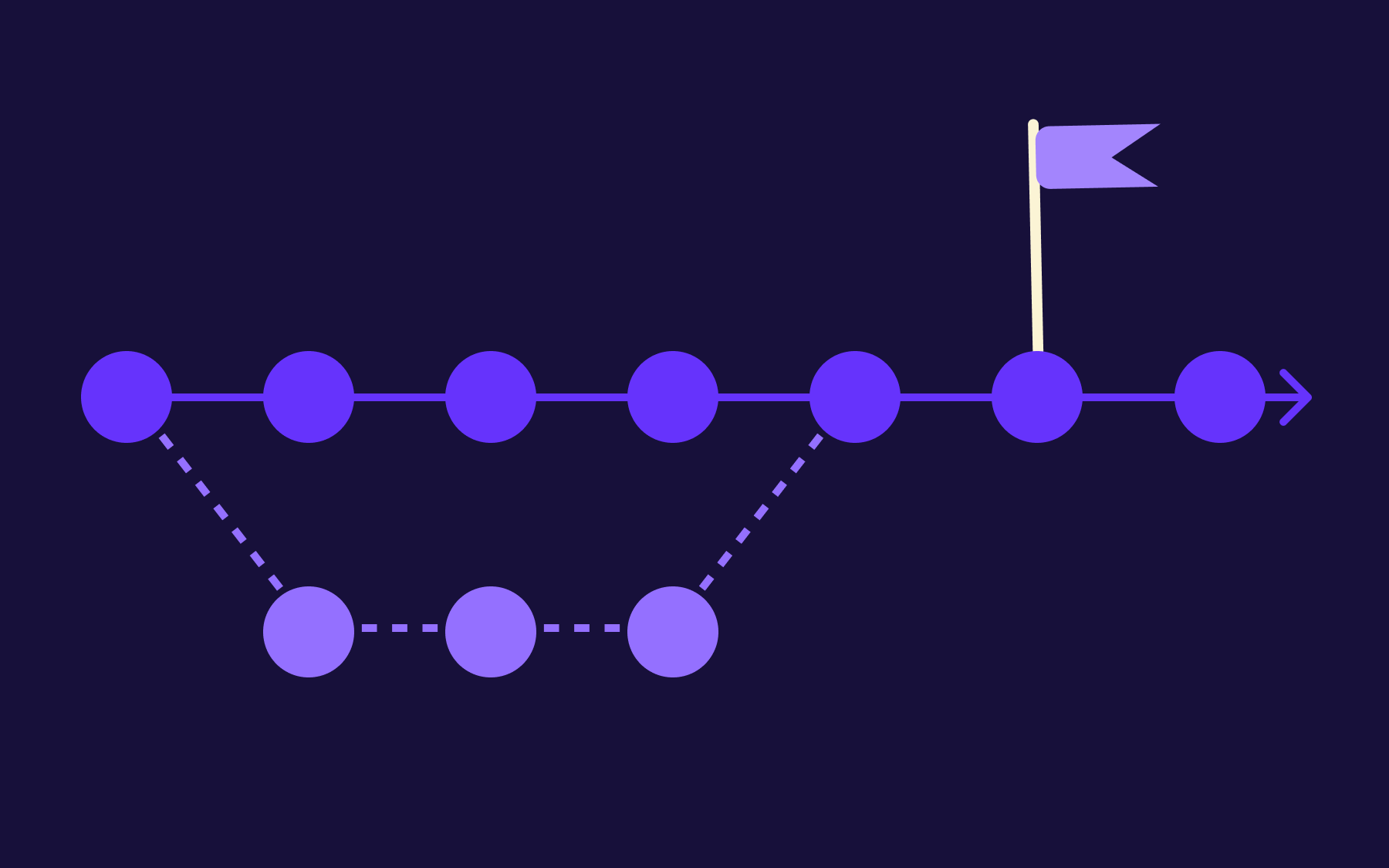
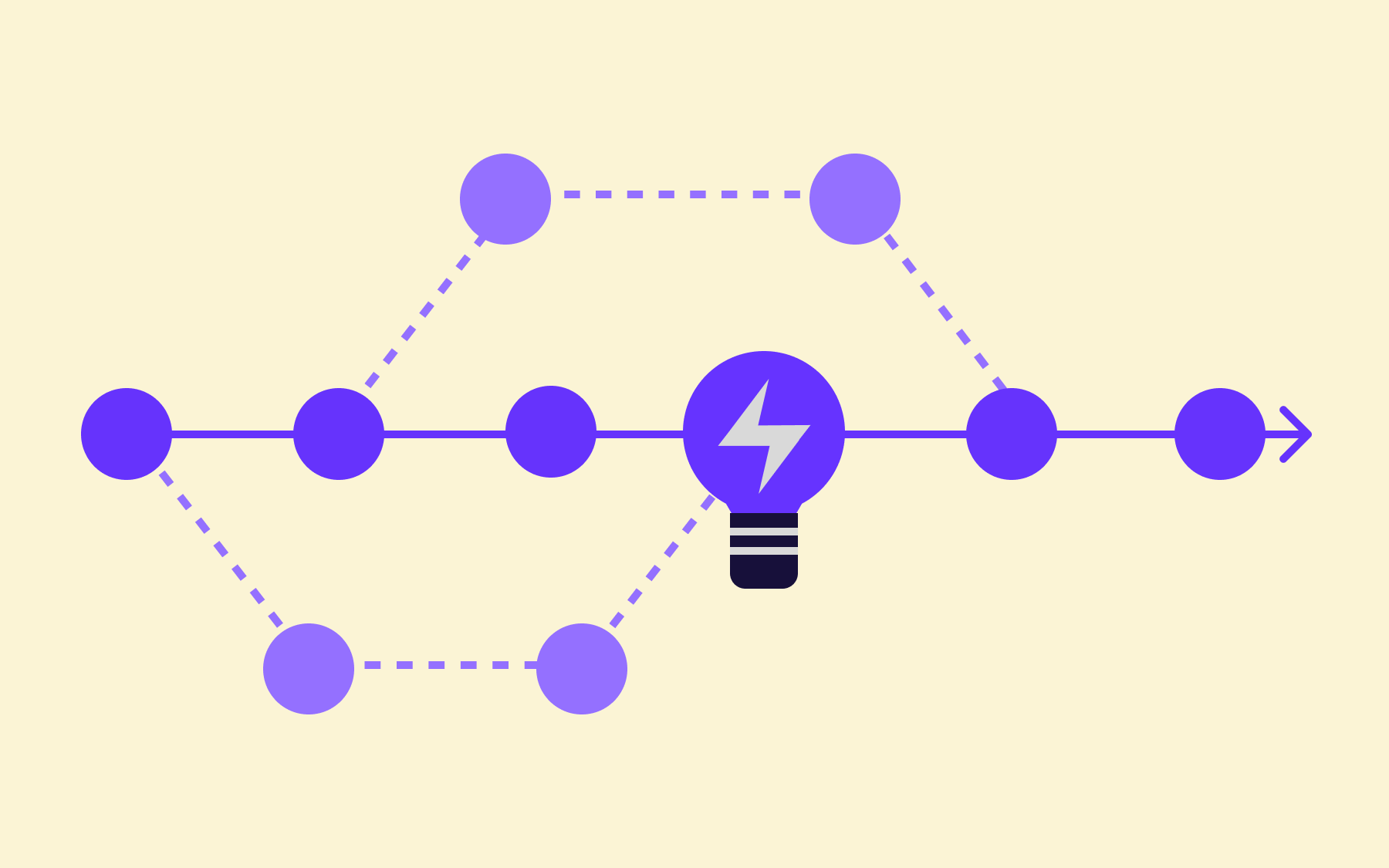
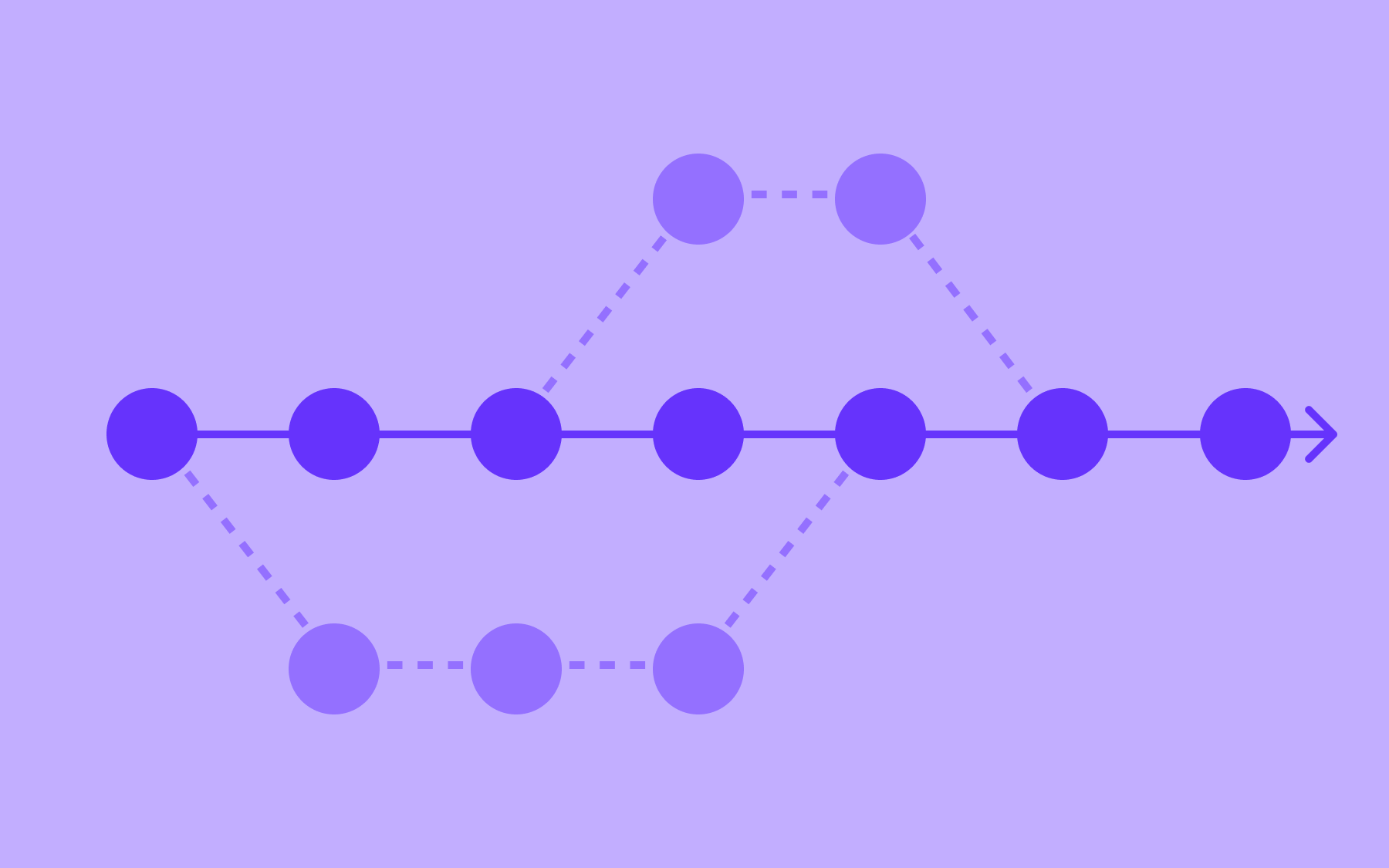
- Expand progressively or roll back. If signals are healthy, use Flagsmith's percentage rollout to gradually increase exposure—starting at 1%, moving to 5%, then 20%, and so on. If an issue surfaces, disable the flag, no redeployment needed—which is the point of decoupling code deployments from release decisions in the first place.
- Clean up the flag. Once the feature is fully rolled out and stable, remove the flag from the codebase. Flags that outlive their purpose become a form of technical debt. Treating flag removal as part of the dark launch process keeps things clean.
Dark launching with Flagsmith
Flagsmith is a feature flag and remote configuration platform that supports dark launch workflows through environment-level flag states, segment-based targeting, and percentage rollouts.
The dark launch process in Flagsmith follows the same pattern described above: deploy to production with a flag off at the environment level, enable for internal users via segment overrides, then open it progressively to a wider audience.
This process gives engineering teams a faster feedback loop on new features without the risk of all-or-nothing launches—and without requiring homegrown feature flag systems or in-house infrastructure to manage it.
Flagsmith is available as cloud SaaS, self-hosted, and private cloud.
The self-hosted and private cloud options are particularly relevant for enterprise-grade architecture in banking, insurance, healthcare, and government, where flag evaluation and identity data need to remain within your own infrastructure.
For teams in regulated sectors, routing user data through a third-party SaaS platform to safely release new software features may not be an option. Thanks to Flagsmith's deployment flexibility, the dark launch process doesn't require a trade-off between control and capability.
Flagsmith is also available in open source, which means teams can audit the codebase, understand exactly how flag evaluation works, mitigate risks associated with the cloud, build an in-house system that suits them, and avoid vendor lock-in—a real consideration when you're introducing a dependency that sits across every feature release.
You can try Flagsmith for free or browse the full documentation to find out if why it’s a great addition to any company’s tech stack.
Conclusion
The core idea behind dark launching is simple: deploy early, release deliberately, and keep the two decisions separate. Production is not staging, and the only way to test something in production is to have it running there—but that doesn't mean your entire user base has to be exposed to it while you find out whether it works.
Dark launching keeps risk contained. It gives your team a faster feedback loop, a clean rollback path, and the ability to release software features when you're ready rather than when the deploy forces the issue. The technique isn't complex, but it does require the right tooling to stay low-overhead at scale.
Dark launch FAQs
What is the difference between a dark launch and a silent launch?
A silent launch makes a feature available to all users without any promotional announcement—people can find and use it, but it isn't publicised.
A dark launch goes further: the feature isn't available to general users at all (or sometimes just a select group of users). The code is deployed and running in the production environment, but access is suppressed or limited to a small internal group.
A silent launch is a marketing decision; a dark launch is a risk management strategy.
When should you use a dark launch?
Opt for a dark launch when the stakes are high, and the blast radius of an unexpected failure would be significant.
Migrations to new back-end systems, payment gateway changes, new database infrastructure, or any feature in a critical path are strong candidates. It's also well-suited to teams in regulated industries who need to validate new functionality in production before real users encounter compliance-relevant behaviour.
For low-risk changes where the overhead of setting up and cleaning up a feature toggle isn't worth it, a straightforward deployment is often the better call.
Do you need a feature flag platform to do a dark launch?
Not strictly, as a simple conditional in code can function as a basic feature toggle. However, homegrown feature flag systems quickly become difficult to manage: they lack audit trails, require code changes to update, and cannot be modified by non-engineering team members.
A dedicated feature flag platform like Flagsmith gives you segment targeting, percentage rollouts, environment-level defaults, and integrations with monitoring tools—all of which make the dark launch process reliable and repeatable rather than fragile. For anything beyond the simplest one-off release, a platform is the more practical choice.
















OpenTelemetry, without the vendor lock-in: Introducing full observability for Open Source and Self-Hosted Flagsmith customers