How to Choose the Best Feature Flags for Your AI Company


AI-assisted engineering has changed the economics of writing code. The bottleneck used to be code production, but now it’s releasing it safely at the pace AI makes possible.
Engineering teams that have adopted AI coding tools aren't waiting weeks to write features anymore. Developers using AI tools daily are merging 2.3 pull requests per week, compared to 1.4 for those who don't—a 60% throughput advantage, according to DX's Q4 2025 engineering impact data across 85,350 developers at 435 companies.

And with increased velocity comes increased risk.
Writing code faster only creates value if that code can reach users safely. For AI coding teams specifically—teams shipping LLM-powered features, prompt-driven interfaces, or model-backed services—the release problem is harder than it's ever been.
AI outputs are non-deterministic. A configuration change, a new model version, or a subtly different system prompt can produce behaviour in production that no staging environment would have predicted. The gap between writing code and releasing it confidently has never required more scrutiny.
This article is for engineering leaders and platform teams evaluating feature flag tools for AI products and trying to find the best feature flags for AI companies. It covers the capabilities of feature management platforms, the governance features that become critical at scale, and what a well-matched feature flag platform looks like in practice.
Why feature flags matter more for AI products
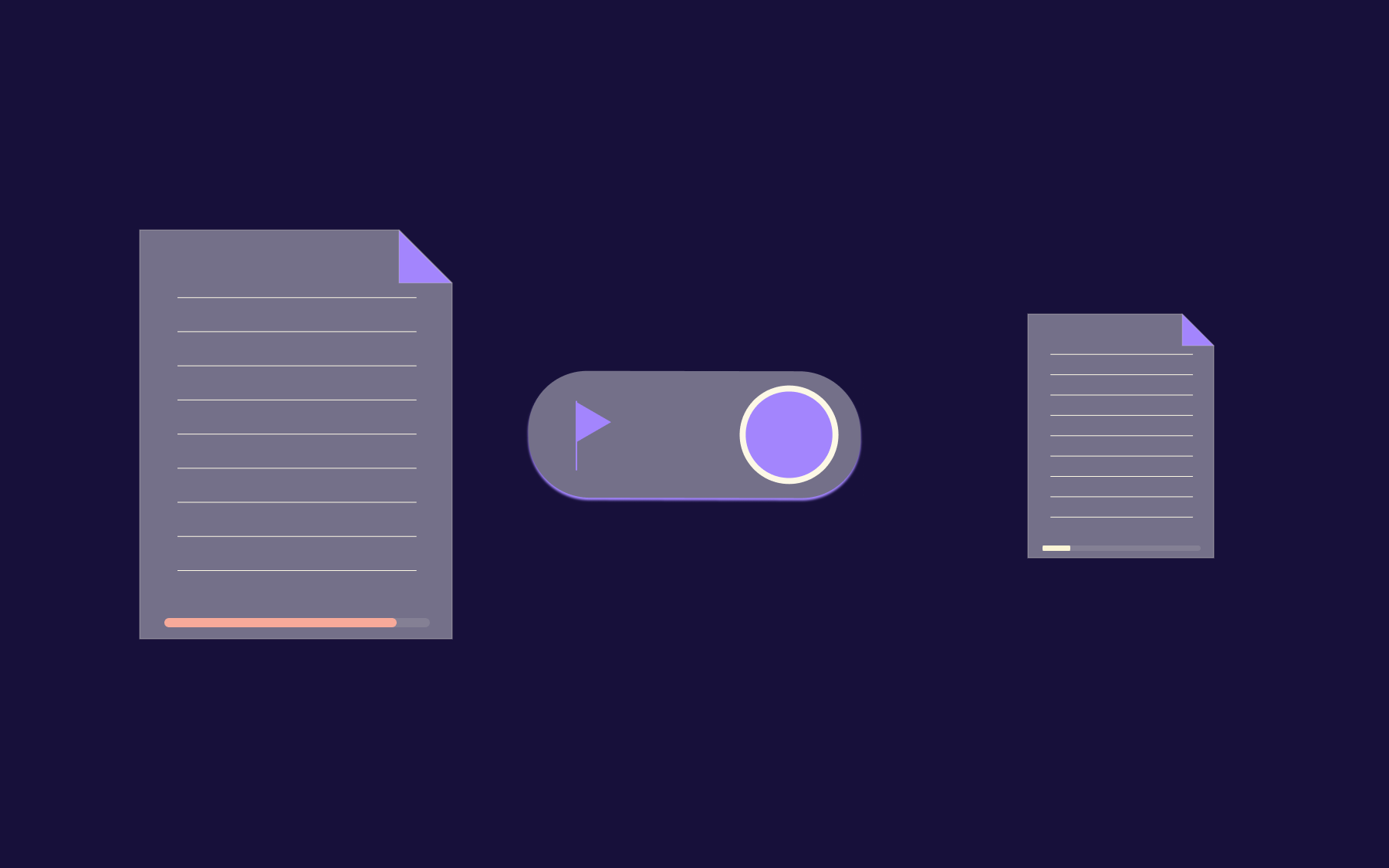
At their core, feature flags are runtime if/else statements—a way to change which code paths run without deploying new code. As Pete Hodgson, Fractional CTO and OpenFeature Governance Board Member, puts it in our ebook Feature Flags: A Safety Net for AI Development: "Feature flags allow us to ship 'latent code' to production—changes that are deployed, but hidden behind a disabled flag."
That capability is valuable in any engineering context. For AI products, it's close to indispensable.
The challenge with AI features is that they behave differently from deterministic code. A conventional bug is usually reproducible and traceable. An LLM that hallucinates, produces off-brand output, or behaves unexpectedly under real production load may not exhibit that behaviour until it's in front of real users with real data.
Testing in staging offers a degree of confidence, but not the kind that protects you when a new model version responds differently to an edge-case prompt that never appeared in your test suite.
Trust in AI accuracy among Stack Overflow respondents dropped in 2025, with 29.6% of them somewhat trusting AI accuracy and only 3.1% trusting it highly, even as AI coding tool adoption reached 84–91% across major developer surveys.

Developers are using AI tools heavily while growing more cautious about their outputs. That's a sensible decision, and it's exactly what makes feature flags for AI a first-order concern rather than a nice-to-have.
Feature flags give engineering teams the ability to deploy AI features, control who sees them, and pull them back without a redeploy. Done well, they turn every AI release into a managed, observable, and reversible process.
Progressive delivery for AI releases
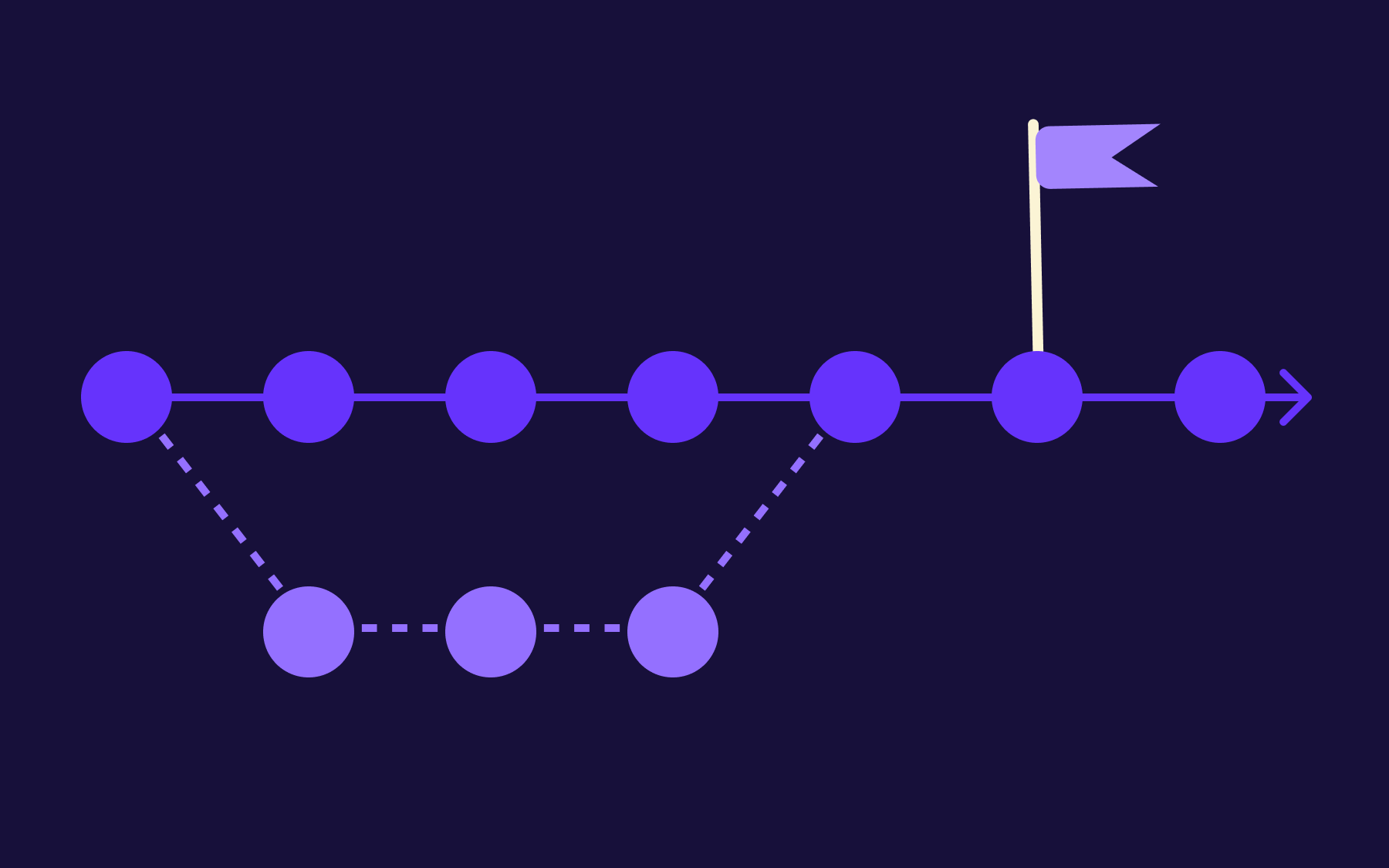
Progressive delivery is the framework that utilizes feature flags the best. You reduce batch sizes, increase deployment frequency, and separate deployment from release.
Rather than shipping a large block of changes in a single release, you deploy continuously and control what each user sees through flags.
For AI teams, this matters because the bottleneck has shifted.
As Hodgson explains, AI has moved the constraint from implementation to delivery: "AI is not just making coders more productive, it's democratizing who gets to contribute to building product experiences. Feature flags are part of that safety net."
When engineers are producing AI-assisted code at a faster rate, the downstream activities—code review, testing, staging, deployment—can quickly become the chokepoint.
Feature flags help remove release friction from that pipeline. You can merge and deploy smaller, safer increments throughout the development cycle rather than waiting until an entire feature is complete.
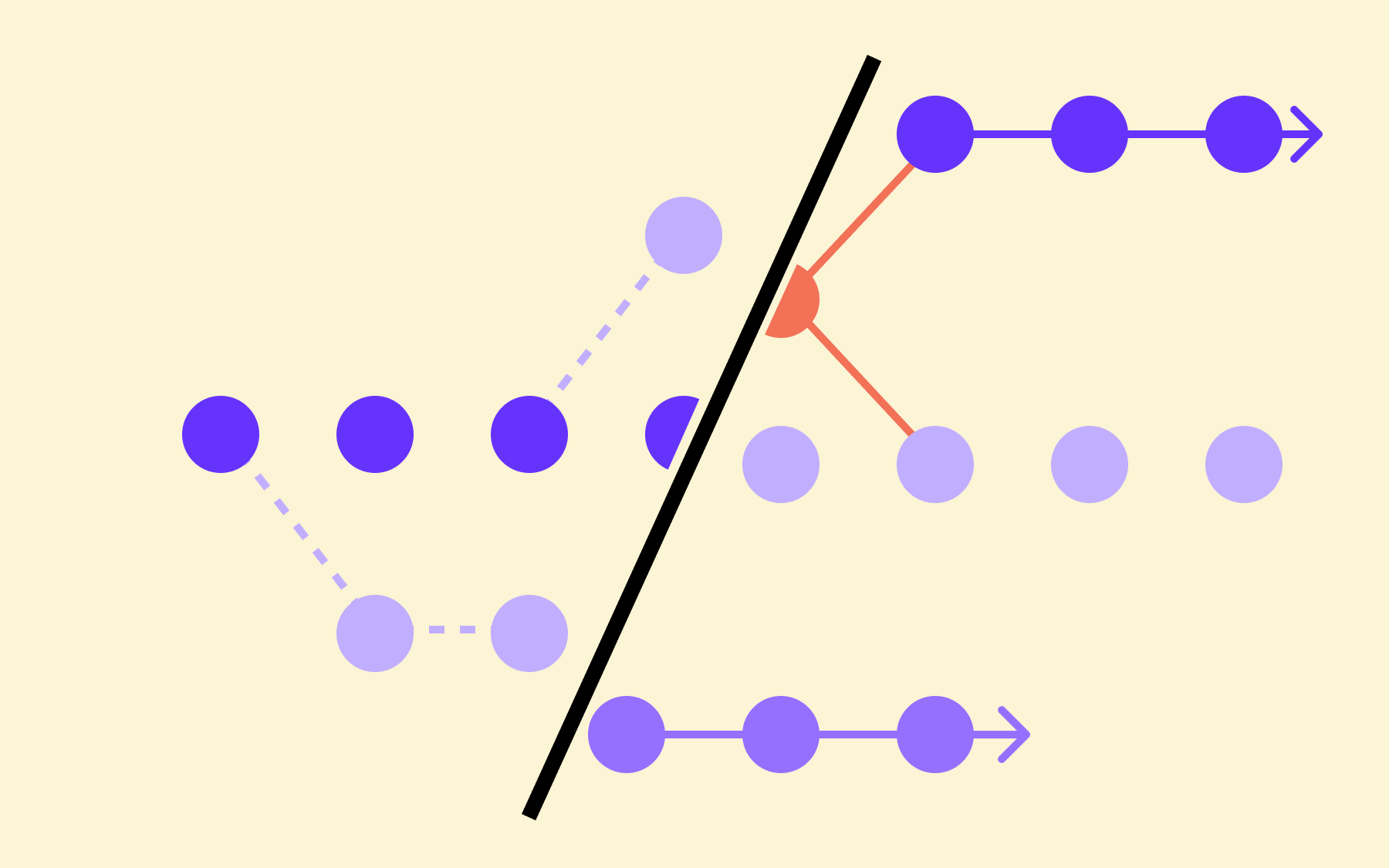
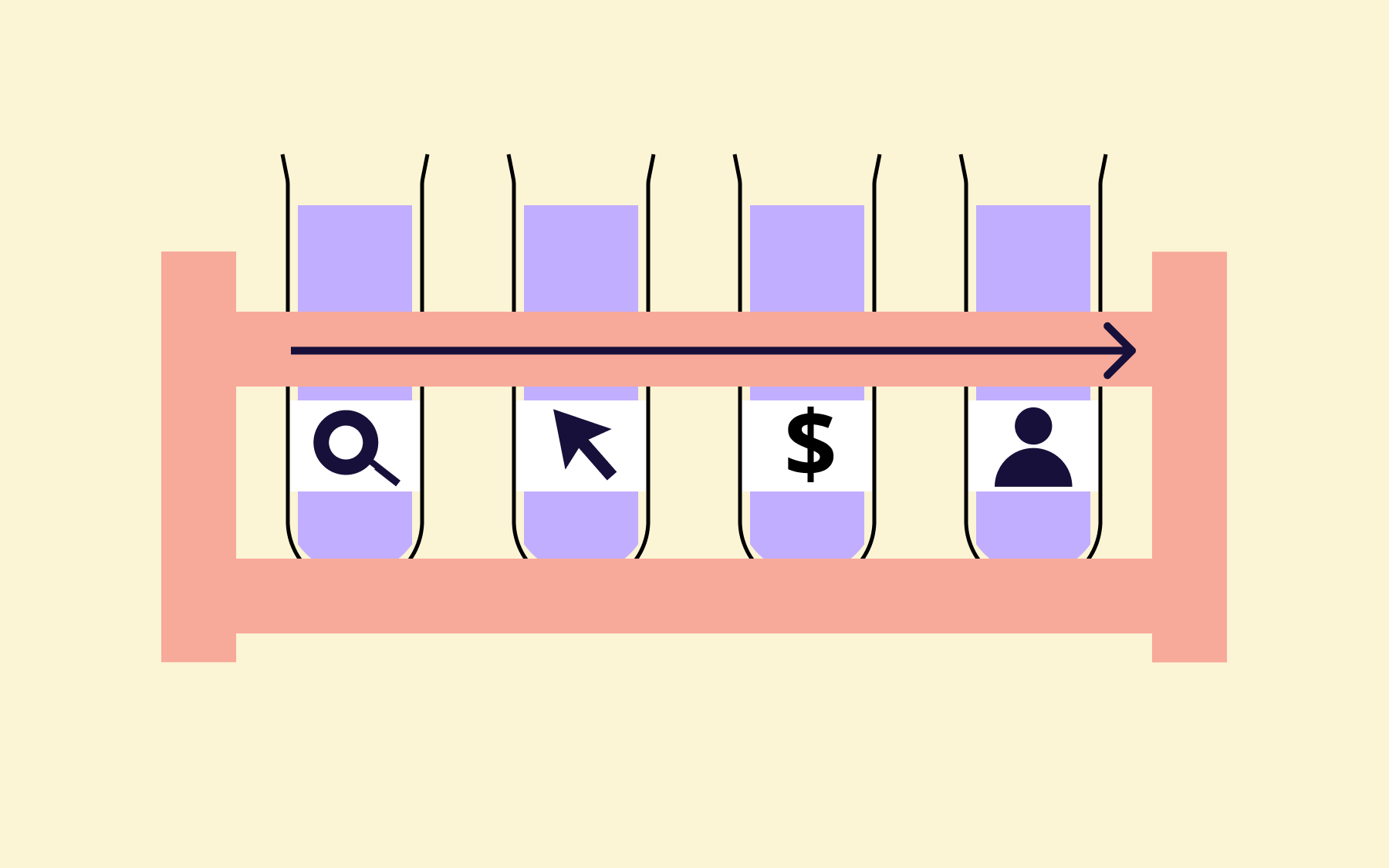
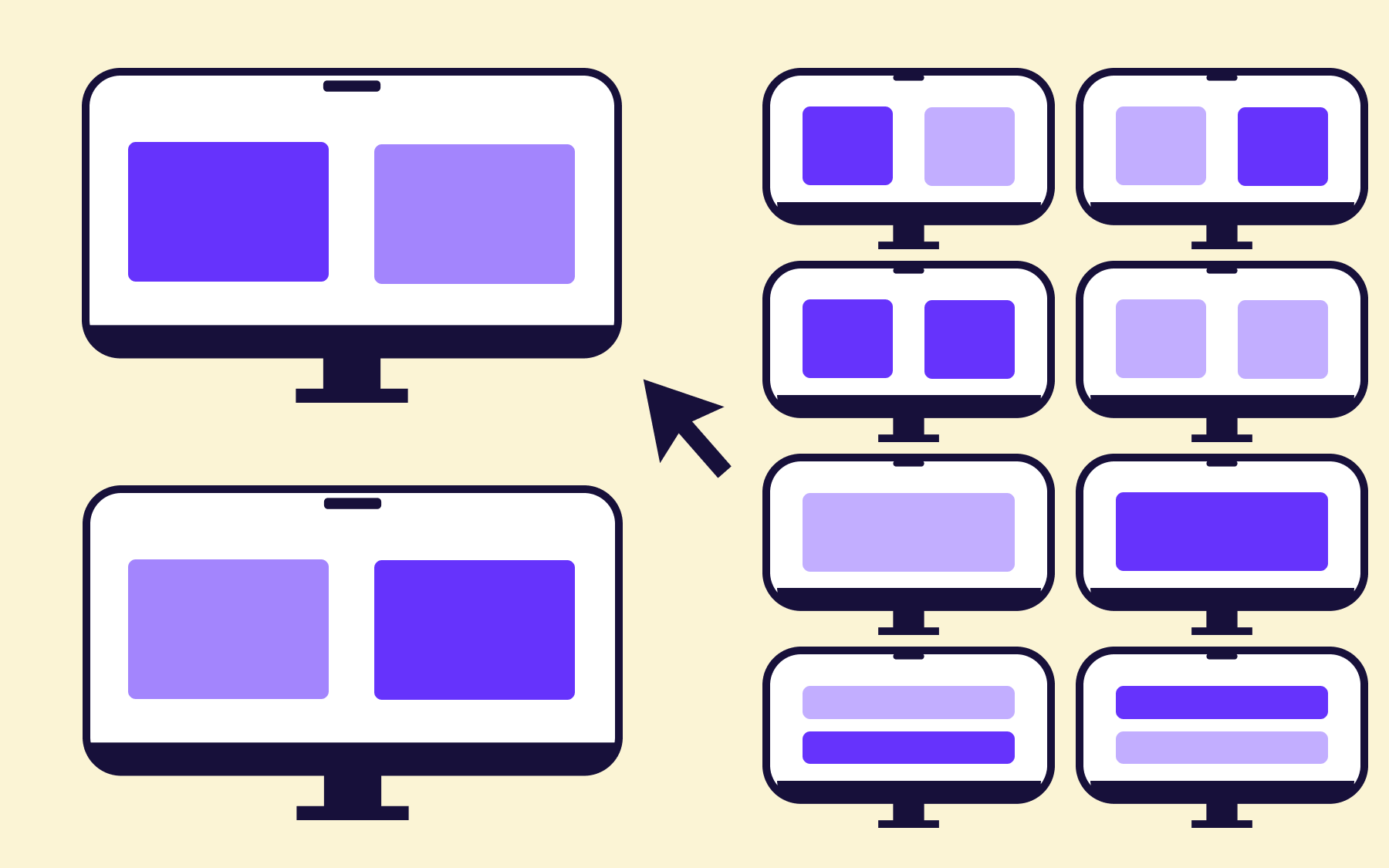
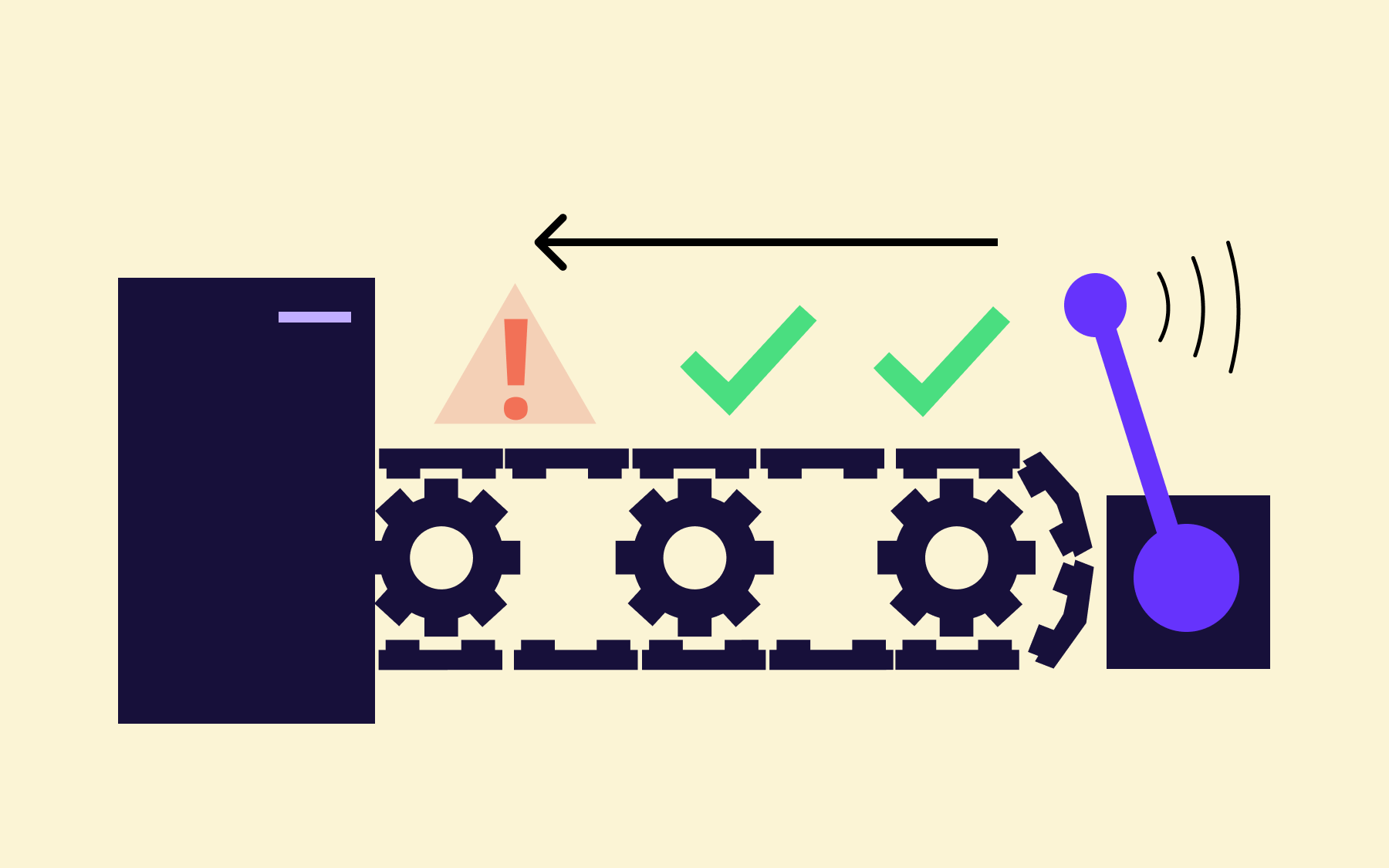
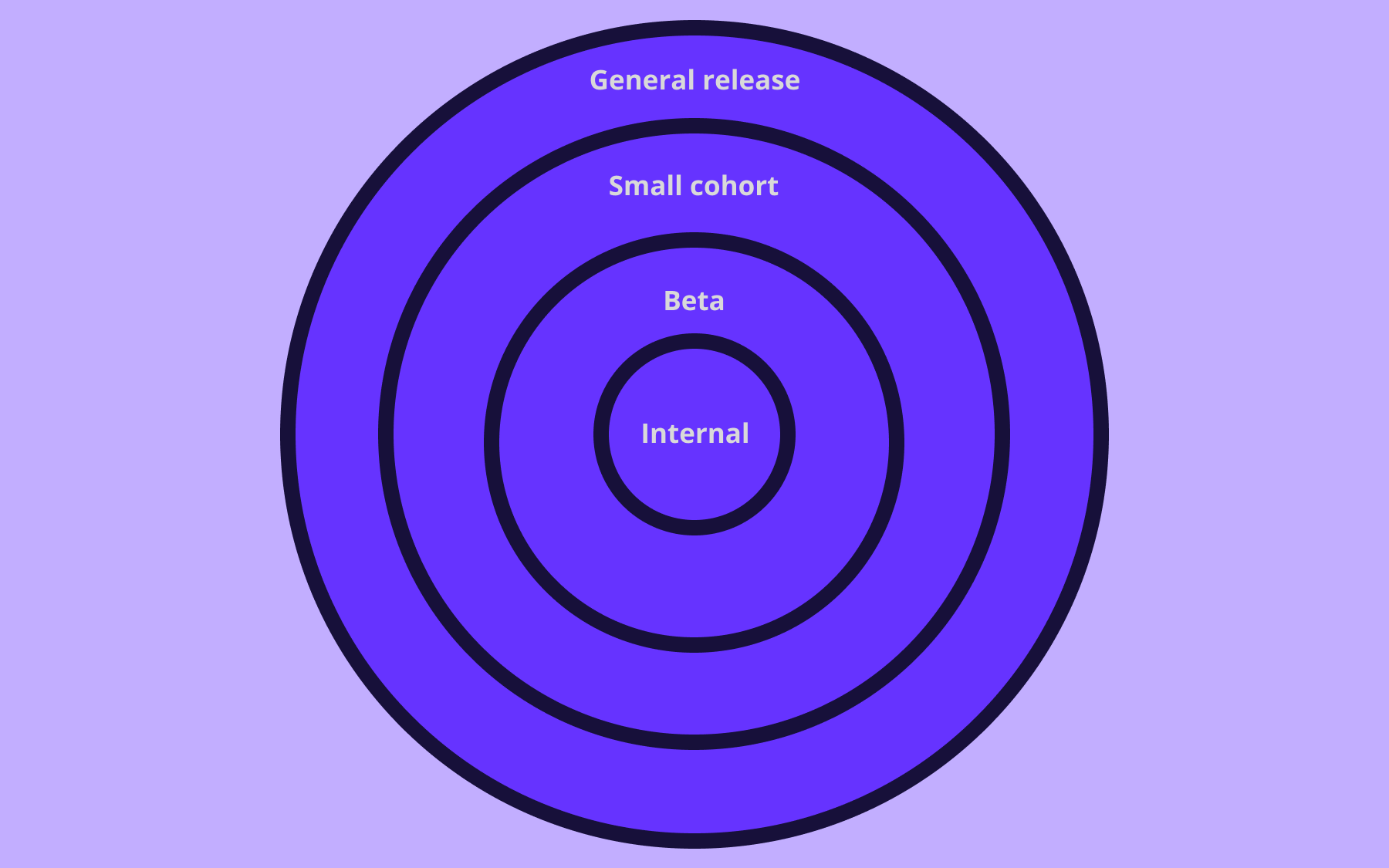
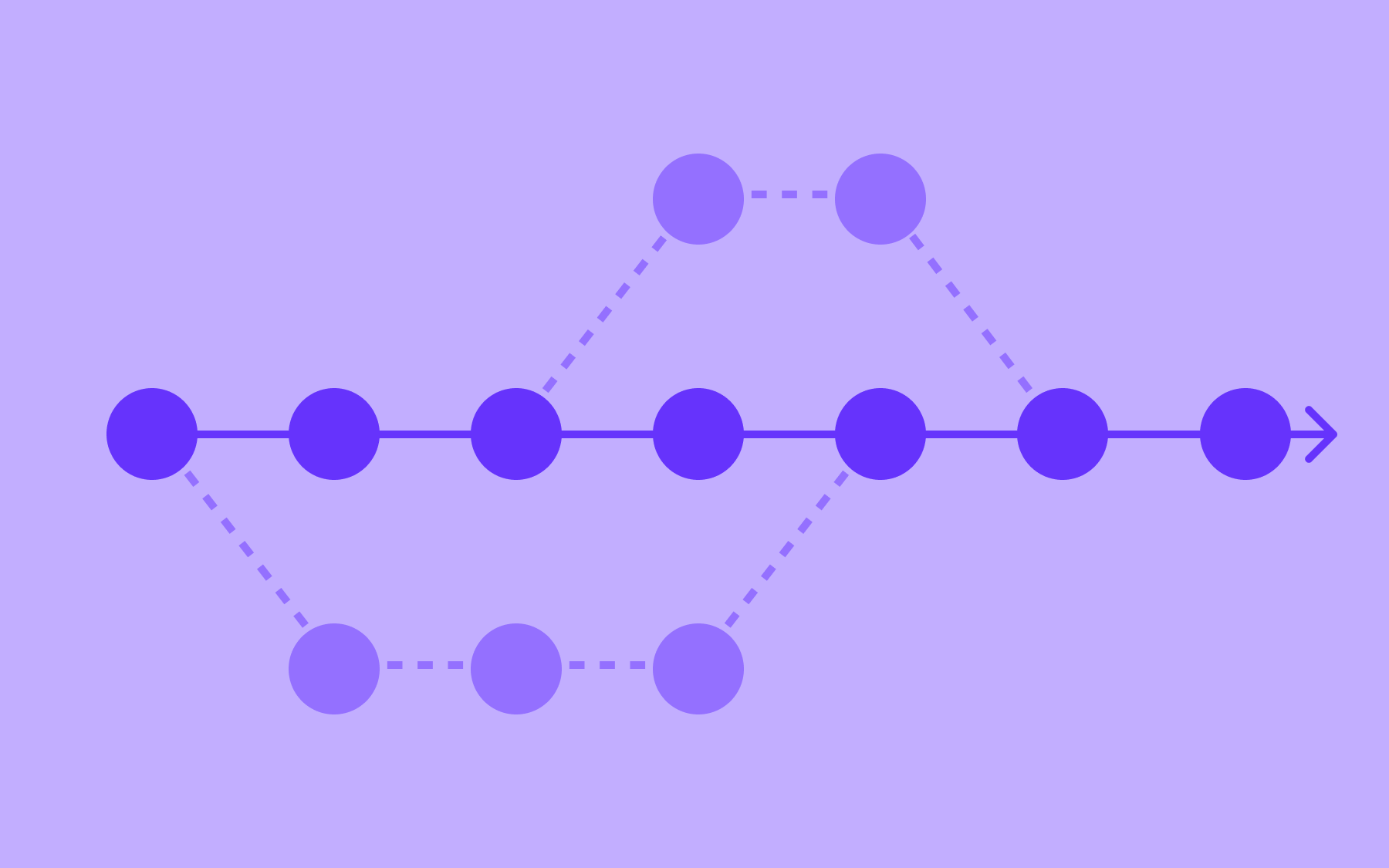
For AI feature releases specifically, progressive delivery enables canary releases—where a new model integration or prompt configuration reaches a small percentage of users first—as well as ring deployments, where new features roll out through defined audience tiers: internal users, then beta segments, then broader populations.
Percentage-based rollouts let teams increase exposure gradually, monitoring for regressions or unexpected model behaviour at each stage before committing to full release.
The mechanic is straightforward. What changes with AI is the stakes: a percentage rollout on a static UI feature is a precaution. A percentage rollout on an LLM-powered feature is often the only way to find out how it behaves at scale.
Testing in production
Staging environments are useful, but for AI products, they're not enough.
The difference between testing in staging and testing in production isn't just infrastructure; it's signal quality. Real users interact with features in ways that test suites and synthetic data don't anticipate, while LLMs respond to real prompts in ways that carefully constructed staging scenarios rarely expose. The only way to know how an AI feature behaves in production is to test it there.
Feature flags make that possible without exposing an untested experience to your entire user base. A feature can be enabled for specific identities—an internal test user, a QA team member, or a particular user segment—while remaining invisible to everyone else.
Testers work in production against real infrastructure, real data volumes, and real edge cases, without the false confidence that staging sometimes creates.
Hodgson calls this "testers in production": the ability to turn on a feature for specific users, test against the exact software and data that production users will experience, and reduce the need for heavyweight pre-production environments that can add significant lead time to the delivery cycle.
The other side of this capability is the kill switch.
For AI features especially, the ability to disable a feature immediately—without a redeploy, without a production incident rollback, and without engineer involvement—is a core safety requirement.
If an LLM integration produces unexpected output at scale, the right response is a single flag state change, not a hotfix deployment. That kind of real-time control is what turns a potential incident into a managed rollback.
Prompt and model experimentation
This is where AI-enabled teams diverge most sharply from conventional software development, and where generic feature flag tools often fall short.
As well as needing to turn features on and off, AI teams need to test different versions of system prompts, model endpoints, and inference configurations.
Prompt engineering is iterative, and you need to test model upgrades side-by-side. Temperature settings, context window strategies, and retrieval configurations all affect output quality in ways that can't be evaluated in isolation.
You need a feature flag platform that goes beyond Boolean flags.
String-value and numeric-value remote configuration is essential—the ability to store a prompt template, a model name, or a floating-point parameter as a flag value, and then vary that value across user segments.
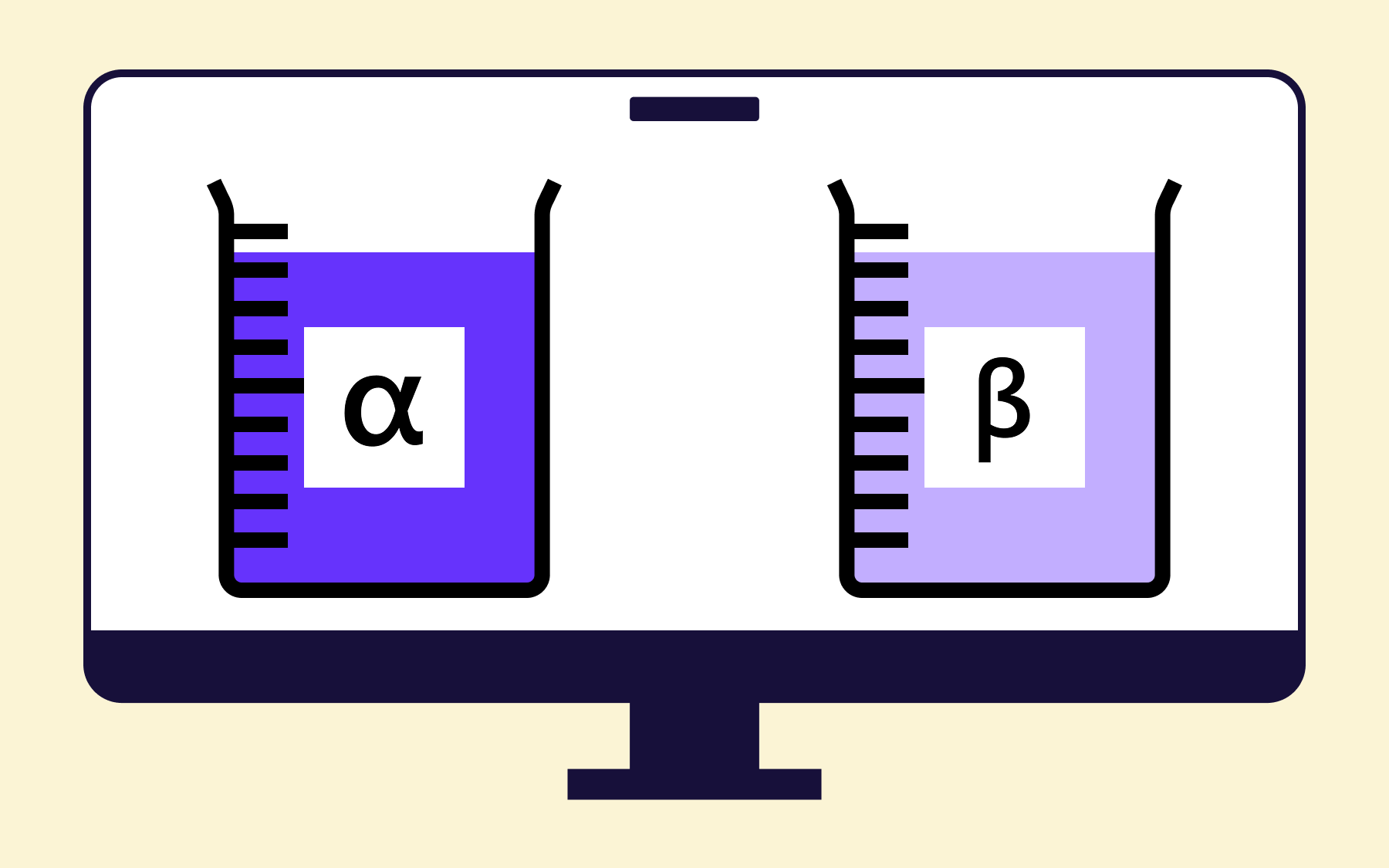
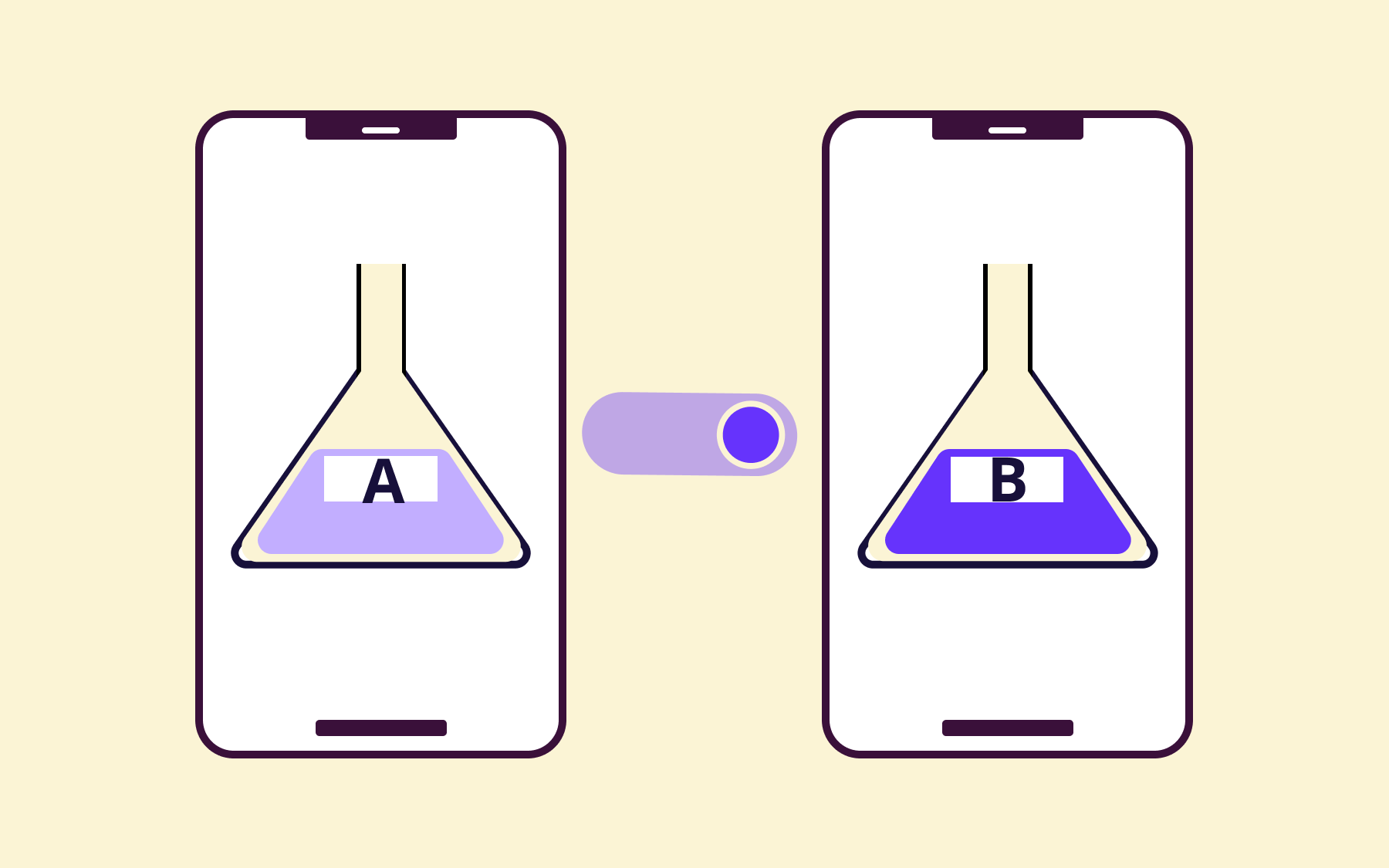
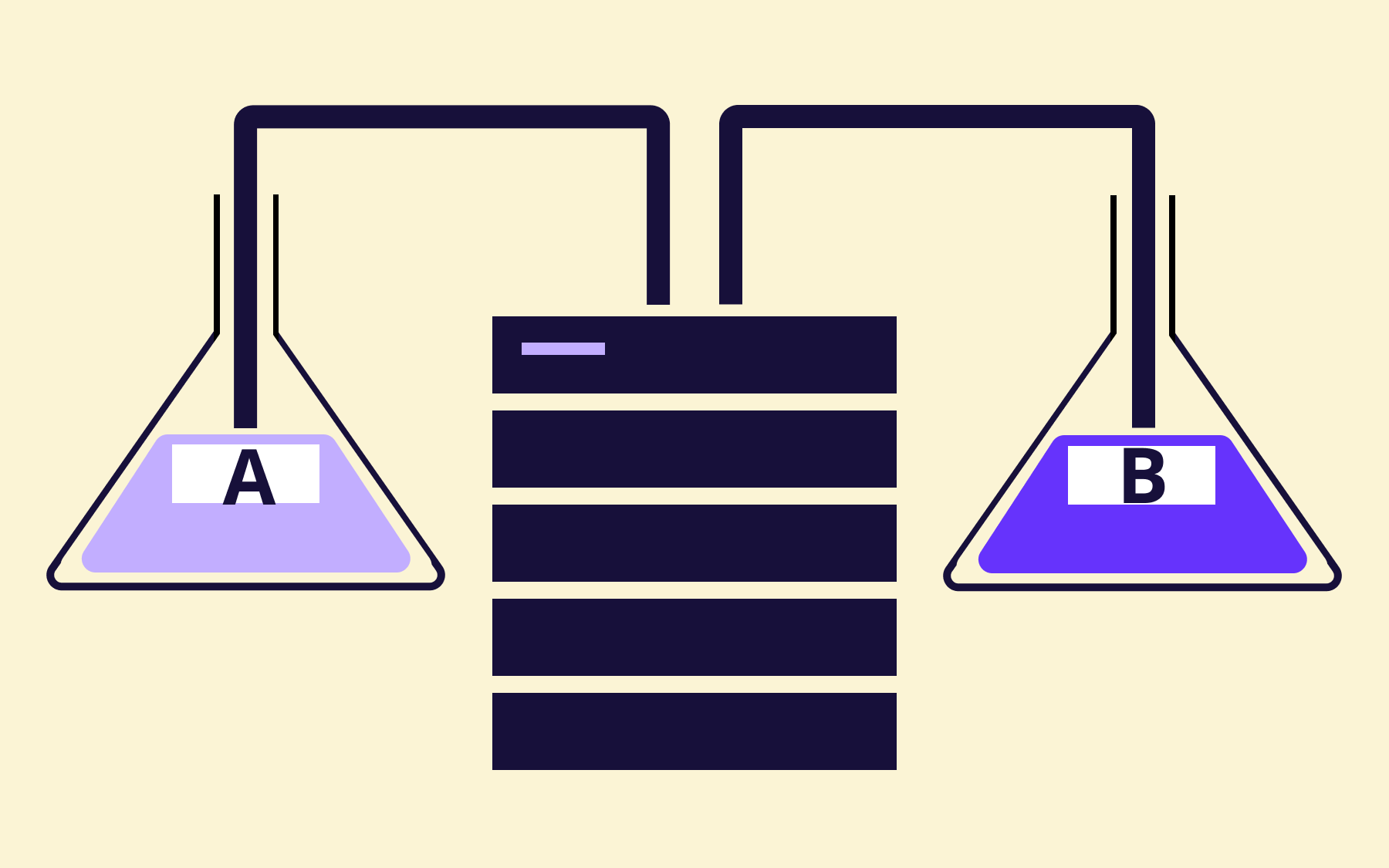
A team running an A/B test between two model versions, for instance, shouldn't need a code deployment to change which model a given user segment hits; that should be a flag value change.
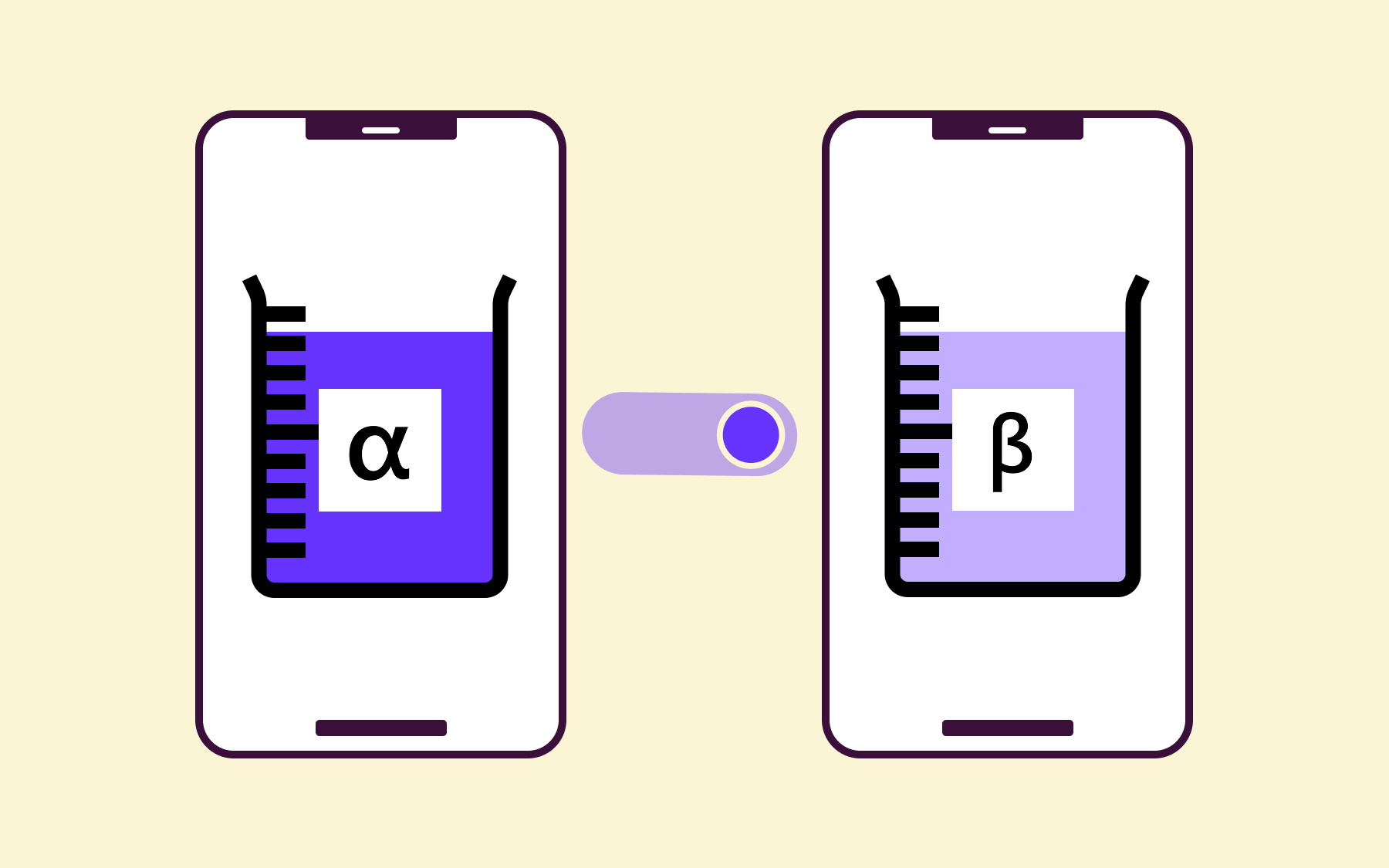
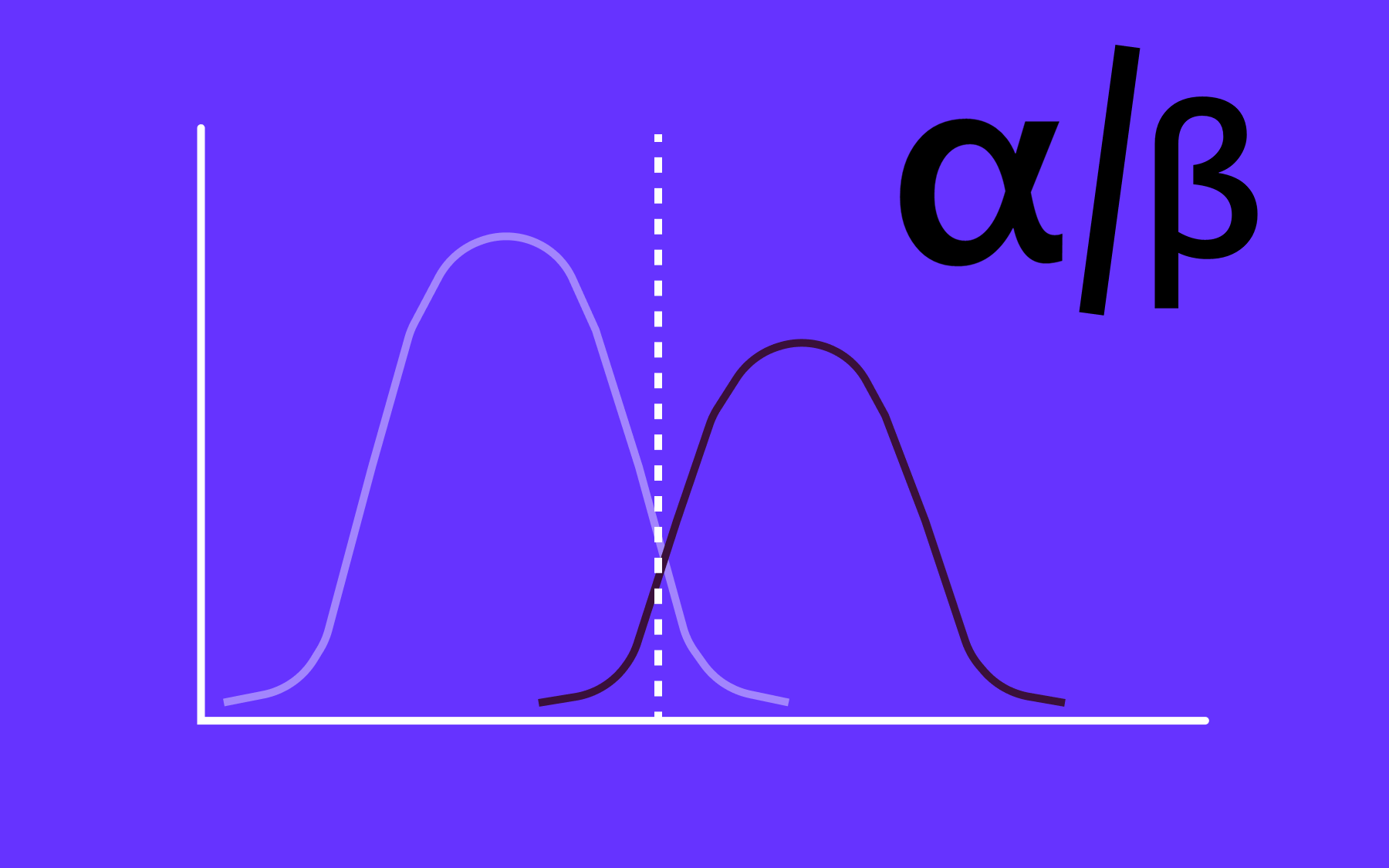
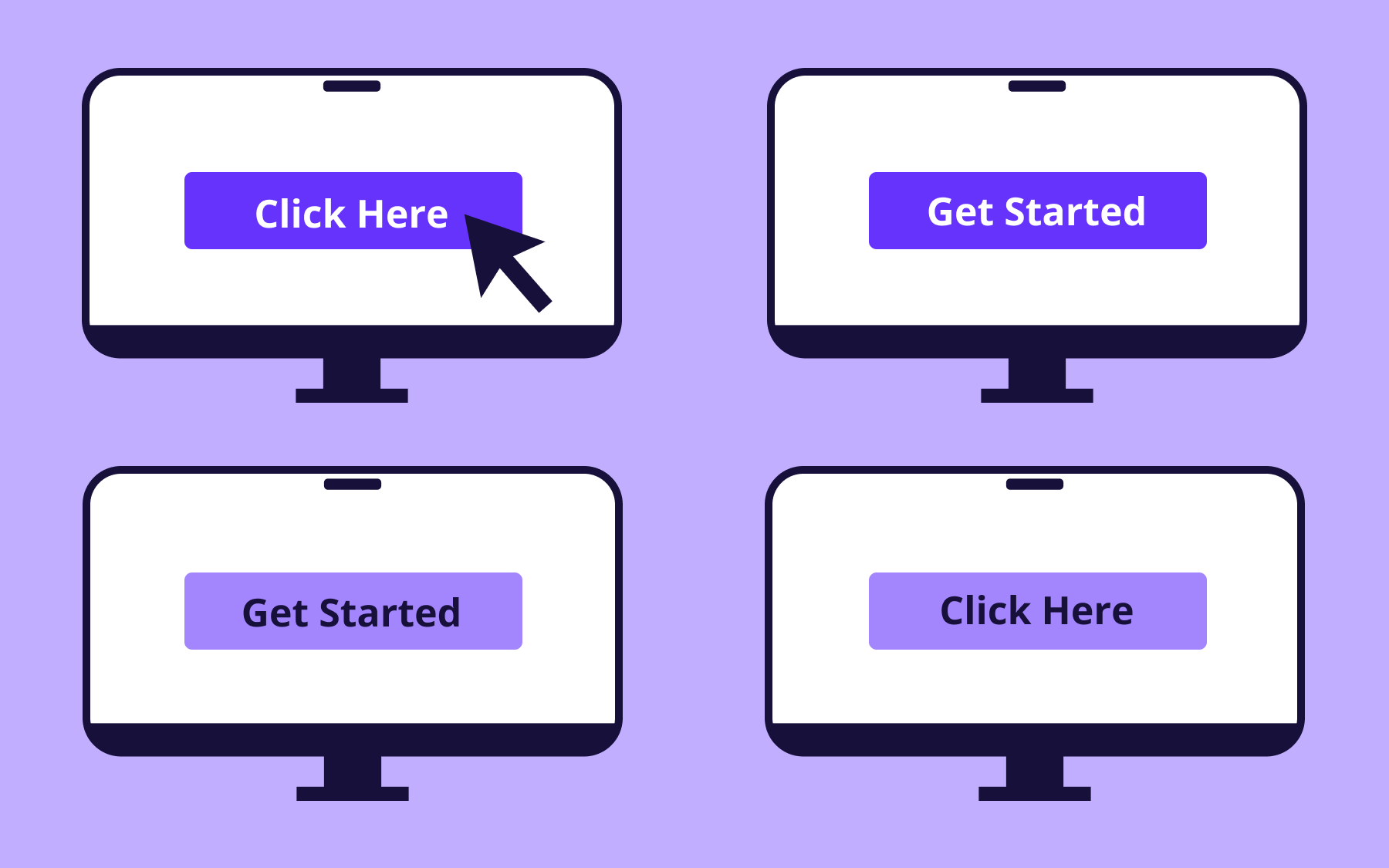
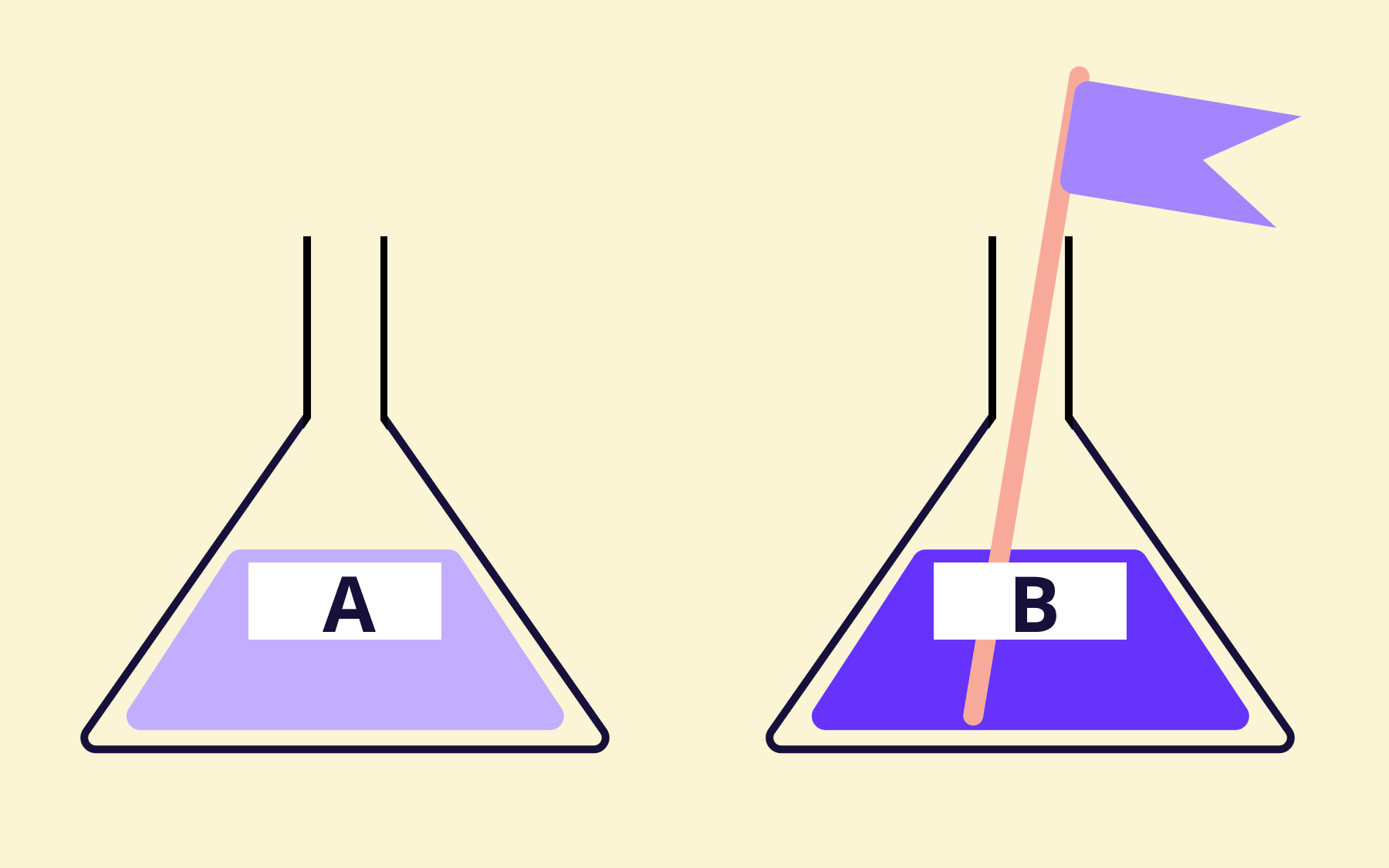
Multivariate flags make this practical as you scale. Rather than a simple on/off, a multivariate flag can direct different segments to different prompt variants, measure the business impact of each, and do so against real users rather than synthetic test populations.
In this context, the important metrics go beyond conventional technical indicators: latency, token cost, and output quality scores sit alongside conversion rates and user satisfaction signals.
The right feature flag tool for AI development treats prompt and model configuration as first-class flag values, not as hardcoded constants or environment variables that require a deployment to change. It’s this capability that turns a static AI integration into an iterative, data-driven one.
Governance and change control
AI-assisted development compresses the time between writing code and shipping it, but it also introduces new vectors for things to go wrong, not to mention new categories of people who might be proposing changes.
When coding agents can generate and propose code changes, and when product managers can interact directly with feature flag management platforms to configure releases, the governance burden shifts from informal team practices to platform-level controls. You can't rely on the same engineer who wrote the code to catch their own configuration errors. The platform has to enforce the rules.
Four-eyes approval, requiring a second approver before a flag state change takes effect in production, is the most important control for high-stakes releases. It adds one step to the release process and significantly reduces the risk of unilateral flag changes reaching users without review.
For AI features that affect user-facing behaviour directly, it's a reasonable requirement for any production change.
Role-based access control ensures that the right people can make the right changes in your feature flag service at each stage of the release lifecycle.
Engineers might create and configure flags for new features; product managers might own percentage rollouts; only senior engineers or platform teams might be able to modify production state in certain environments. RBAC codifies those distinctions without requiring tribal knowledge.
Detailed audit logs are the complement to access control: a complete record of every flag state change, who made it, and when. In regulated industries—finance, healthcare, insurance—this isn't optional, but it's useful for any team that needs to understand what changed when something goes wrong.
Change requests add a formal approval workflow: a proposed flag change that must be reviewed and approved before it's executed, integrating naturally with existing processes.
As Hodgson notes, "Succeeding with AI-assisted engineering isn't about choosing between speed and quality."
The right governance layer enables both.
Automated flag management with AI agents
When managing a feature flag through the progressive delivery lifecycle—creating it, configuring it across environments, running a canary, converting to an A/B test, and cleaning up after full release—the total toil involved has historically been measured in hours.
Each step requires navigating a UI, updating a ticket, and confirming state across environments. It's low-skill work, but it adds friction to every release.
Coding agents connected to a feature flag platform via MCP can take on most of that toil. MCP—the Model Context Protocol—is an open standard that lets AI assistants connect to external tools and services, giving them the ability to act on those systems rather than just describe them.
When a feature flag platform exposes an MCP server, a coding agent gains the ability to create flags, configure them across environments, assign them to segments, orchestrate release pipelines, and clean up stale flags—all from a natural language prompt.
Pete Hodgson mapped the time savings across a complete progressive delivery workflow: creating the flag, internal QA, canary release, A/B test, and flag cleanup. His analysis found a reduction from six hours of toil to 23 minutes.
"When the cost of putting a change behind a feature flag becomes radically cheaper, it starts to become the default for most features."
That default is what teams should be aiming for.
AI features carry enough inherent risk that progressive delivery should be the standard operating procedure, not just for major releases. Automated flag management with AI agents makes it economically viable for teams that previously found the overhead too high.
It also extends the benefits of progressive delivery to a broader group of contributors, including product managers and designers, without requiring them to learn a flag management UI from scratch.
Self-hosting and data residency
For AI features that process sensitive data—e.g., medical records, financial information, and personally identifiable user data—it’s important to consider where the feature flag infrastructure is hosted.
Cloud-based flag platforms are the natural choice for many teams and many AI companies.
However, for organisations operating under regulatory frameworks that constrain data residency, a managed cloud platform may not be an option. Financial services firms and healthcare organisations may need assurances about where configuration data and user attribute information are processed and stored.
Self-hosted and private cloud deployment options address this directly. A self-hosted feature flag platform keeps all flag evaluation, user targeting, and configuration data within the organisation's own infrastructure. A private cloud option provides single-tenant managed hosting with equivalent data isolation.
Multi-region availability is a related concern: if a flag platform goes down, release pipelines stall. For teams running continuous deployment, that's a meaningful operational risk. Platform reliability and high availability should be part of any evaluation for enterprise AI teams.
OpenFeature and avoiding vendor lock-in
OpenFeature is the open standard for feature flag evaluation—a vendor-agnostic API that sits between application code and whichever feature toggle platform a team chooses to use.
Rather than calling a specific provider's SDK directly, teams implement against the OpenFeature interface. The underlying provider can then be swapped without rewriting the instrumentation layer.
For AI companies making long-term infrastructure decisions, OpenFeature is important for one specific reason. Feature flag platforms are deeply integrated with application code—every flag evaluation point is a call to a provider. Switching providers without an abstraction layer means touching every one of those call sites.
OpenFeature eliminates that problem, making it possible to evaluate different platforms, negotiate on commercial terms, or migrate to a self-hosted solution without a codebase rewrite.
The standard is also a signal about where the market is moving. Platforms that support OpenFeature are making a commitment to portability—they're competing on the quality of their tooling rather than the stickiness of their API.
What Flagsmith offers AI teams
Flagsmith is a feature management platform built for engineering teams that need controlled releases, deep experimentation capabilities, zero vendor lock-in, scalable pricing, and the flexibility to deploy wherever their data requires. For AI teams, it maps directly against the criteria set out in this article.
When it comes to progressive delivery and controlled rollouts, Flagsmith supports release pipelines, percentage-based rollouts, canary releases, and ring deployments—the full toolkit for staged AI feature releases. Teams can configure how an AI feature reaches their user base at each stage of its lifecycle, from internal testing through to general availability.
Testing in production is built into the platform. Segment-based targeting lets teams enable a feature for specific identities or user attributes in production while keeping it invisible to everyone else. Combined with a kill switch, this means any AI feature can be enabled, evaluated, and disabled in real time without a redeploy.
For prompt and model experimentation, Flagsmith supports A/B testing and multivariate flags across Boolean, string, numeric, and JSON values. System prompts, model identifiers, and inference parameters can all be managed as flag values and varied across user segments, making it straightforward to run side-by-side comparisons of prompt variants against real users and measure the results.
Governance is handled through four-eyes approval, role-based access control, detailed audit logs, and change requests.
These controls are especially important when AI-assisted development broadens the population of people proposing flag changes—the platform enforces the approval workflow regardless of how a change was initiated.
The Flagsmith MCP Server connects coding agents and AI assistants directly to feature flag management. It's compatible with MCP-enabled IDE extensions such as Cursor, CLI tools such as Claude Code, and custom agents integrated into CI/CD pipelines.
Through the MCP Server, agents can create and update flags, manage segments, orchestrate release pipelines, configure multivariate tests, and manage change requests—turning the manual toil of flag management into a prompt-driven workflow.
Flagsmith is also one of the founding contributors to OpenFeature and provides a fully compatible provider, meaning moving from or to Flagsmith from a different feature flag solution is simpler.
Flagsmith offers cloud, self-hosted, private cloud, and open-source deployment options. For regulated AI use cases—healthcare, financial services, and insurance, for example—the self-hosted and private cloud paths provide the data residency controls that managed cloud platforms can't.
Flagsmith’s open-source codebase is available on GitHub for teams that need full transparency over their flag infrastructure.
Getting started with Flagsmith
AI-assisted development raises the stakes for every release. Features ship faster, contributors are more diverse, and the behaviour of AI-driven code is harder to predict. The right feature flag platform turns that risk into a controlled, iterative process—one where every release is observable, reversible, and measurable.
Start Flagsmith for free—you can create flags and run controlled rollouts within minutes. If you want to connect your coding agents to flag management immediately, the MCP Server documentation covers setup for Cursor, Claude Code, Windsurf, and other compatible clients.

































OpenTelemetry, without the vendor lock-in: Introducing full observability for Open Source and Self-Hosted Flagsmith customers