Product Experimentation: Why Most Teams Get the Foundation Wrong and How To Get It Right

You have a productive quarter ahead. Twelve experiments planned, a roadmap that promises product experimentation as a cultural pillar, full buy-in from the VP, and some exciting hypotheses to test.
Now think about the codebase underneath it: you have new flags to monitor and deprecate, a rollout that needs to be gradual, a targeting rule copied from an old test that might be out of date, and a rollback process that can’t rely on Slack messages.
If you aren't prepared for all that, your team doesn't have an experimentation problem; you have an infrastructure problem.
This article covers what product experimentation actually is and the types of experiments worth running, then gets into the framework that keeps things from breaking.
It also covers the part many people forget: the wiring underneath the test. A hypothesis without a safe way to expose it to real users isn't an experiment; it's a hope with a spreadsheet attached.
What is product experimentation?
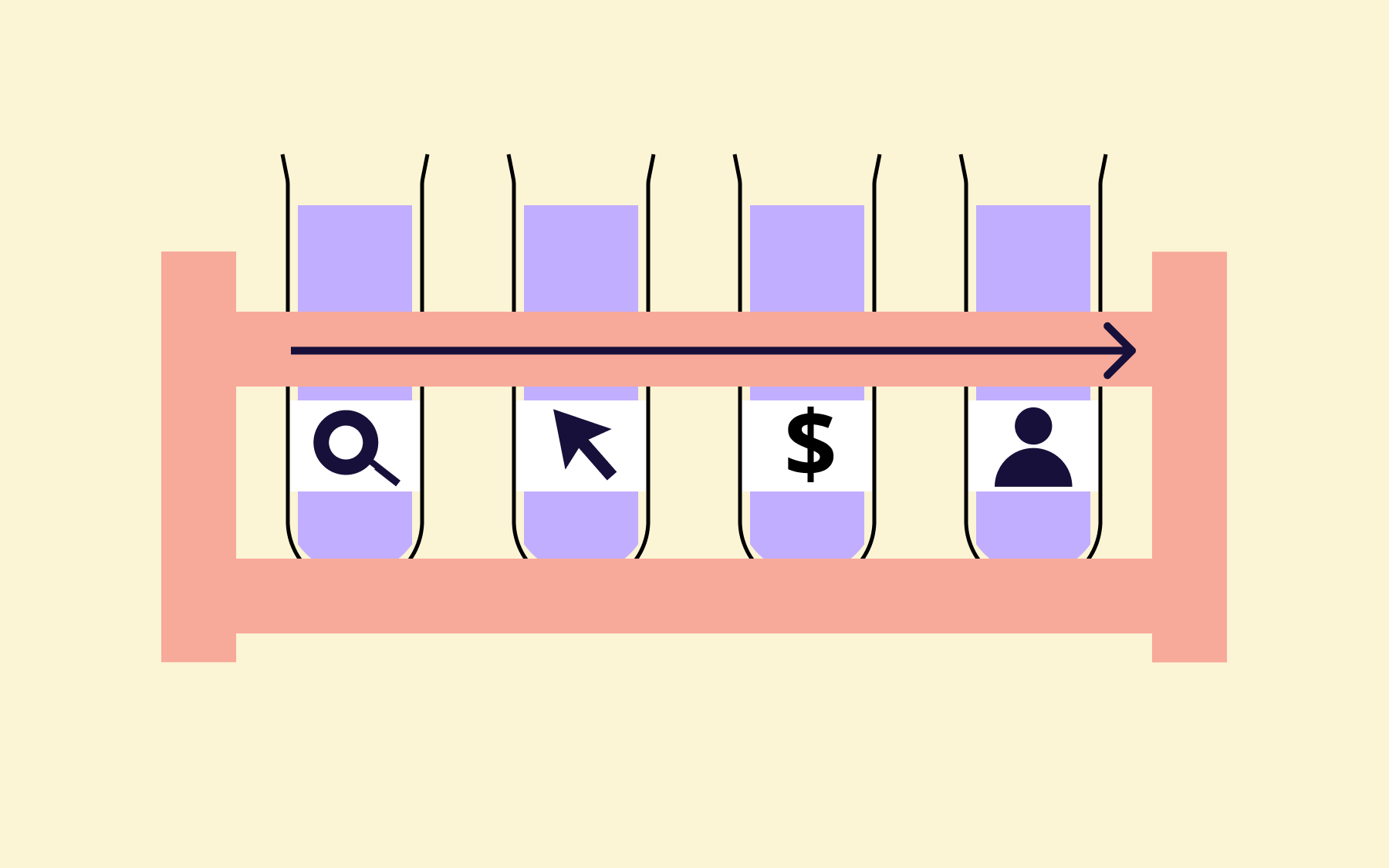
Product experimentation is the practice of testing a specific product change against a control, under supervised exposure, to see whether it moves a metric you've identified.
This hypothesis should be more than a feeling or a hunch; it's a data-led belief that you want to test on a segment of your user base, with a way to turn the change on and off, and insights at the end that tell you whether you were right.
You collect data on real users rather than gathering opinions from colleagues, or even just testing in a sandbox, and that reliable data answers your question.
That is what separates product experimentation from product validation:
- Validation asks whether something is worth building at all: interviews, prototypes, fake door tests, the research that happens before code exists.
- Experimentation asks whether what you've already built actually works better than what it's replacing.
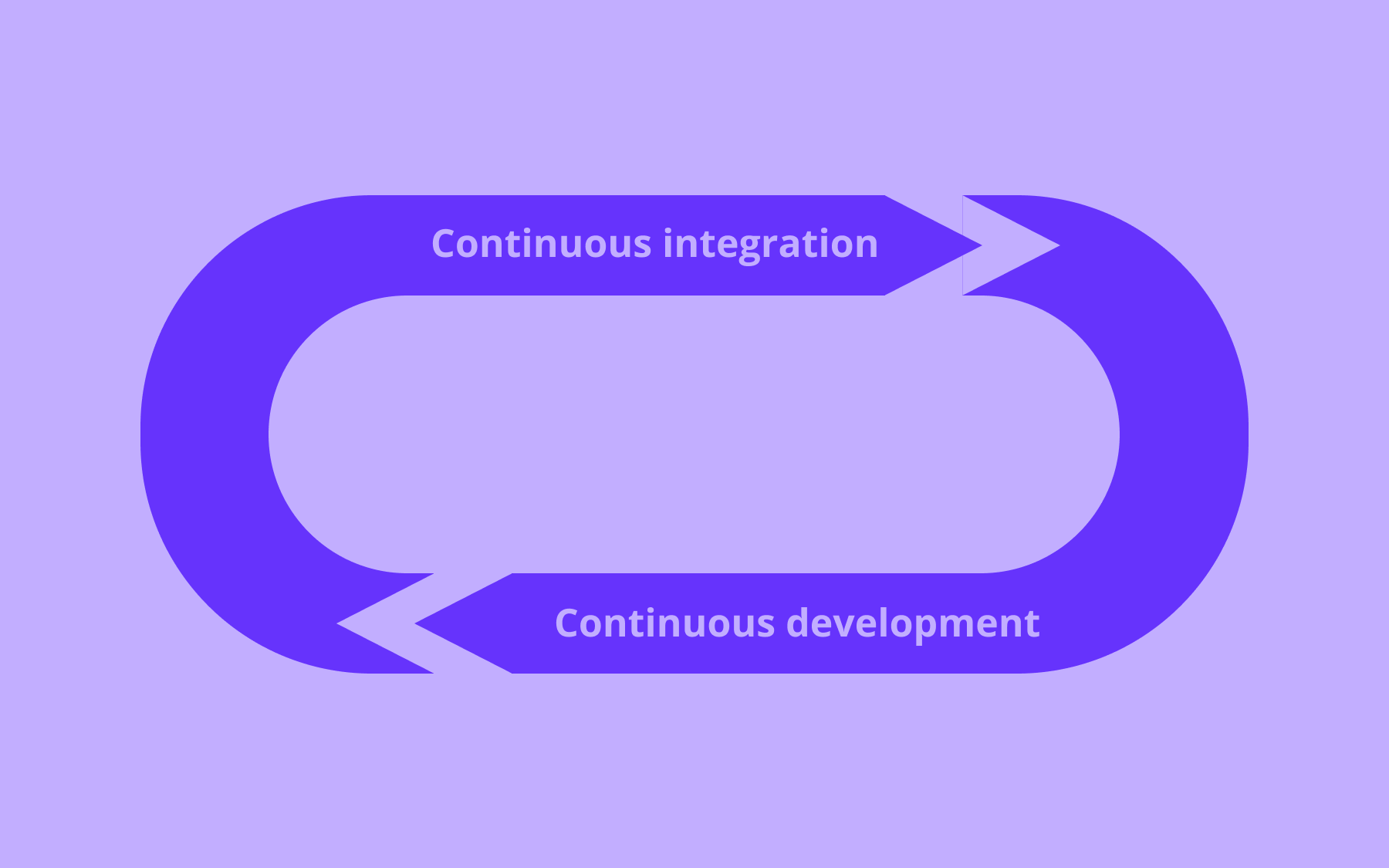
Validation and experimentation feed into each other constantly. Good validation helps you narrow down which ideas deserve the effort of a real test, then good experimentation feeds back into the next round of user research, so the team understands user behaviour and gathers valuable insights it didn't have before.
Treat them as one continuous discovery loop rather than two separate departments, and the whole product development process gets sharper.
Teams that master this loop become dangerous to competitors as they’re able to consistently improve their product and user experience at rapid speed, outpacing teams that haven’t built the experimentation muscle.
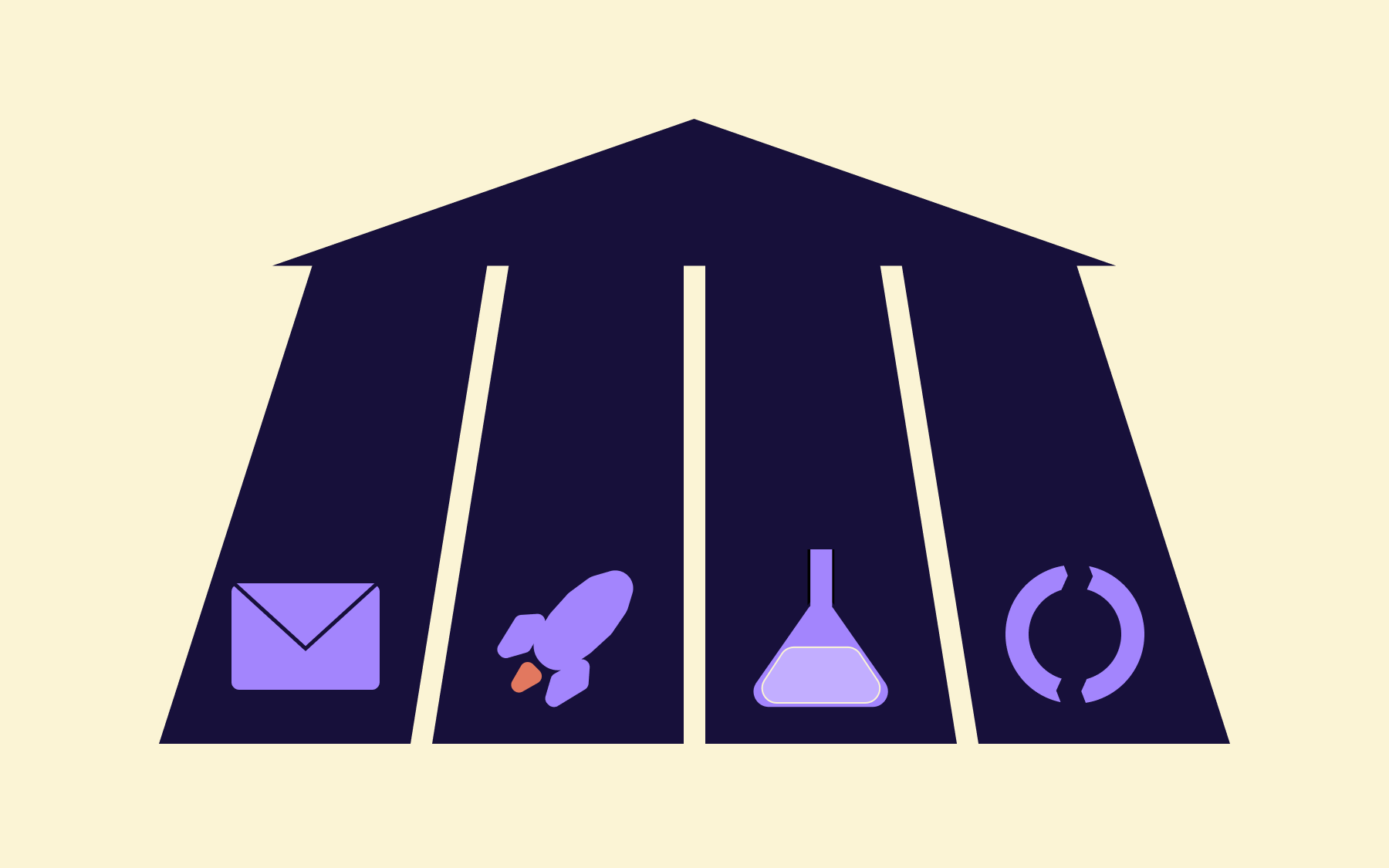
Types of product experiment
You don't need to use every type of product testing in your toolkit at once, and you shouldn't just run experiments to look busy.
You need to know which method answers the question you're actually asking. Below are some of the main testing methods you can employ.
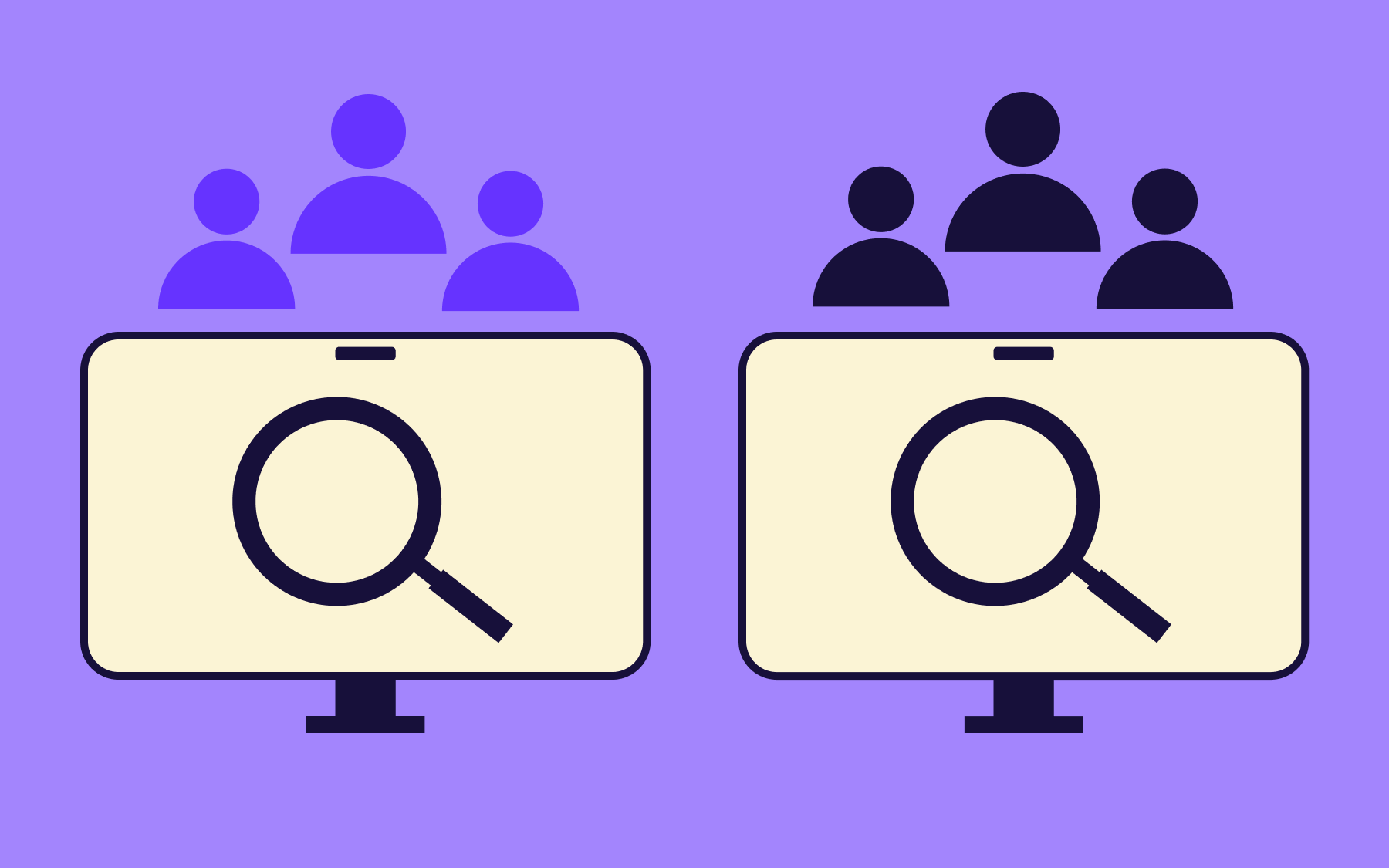
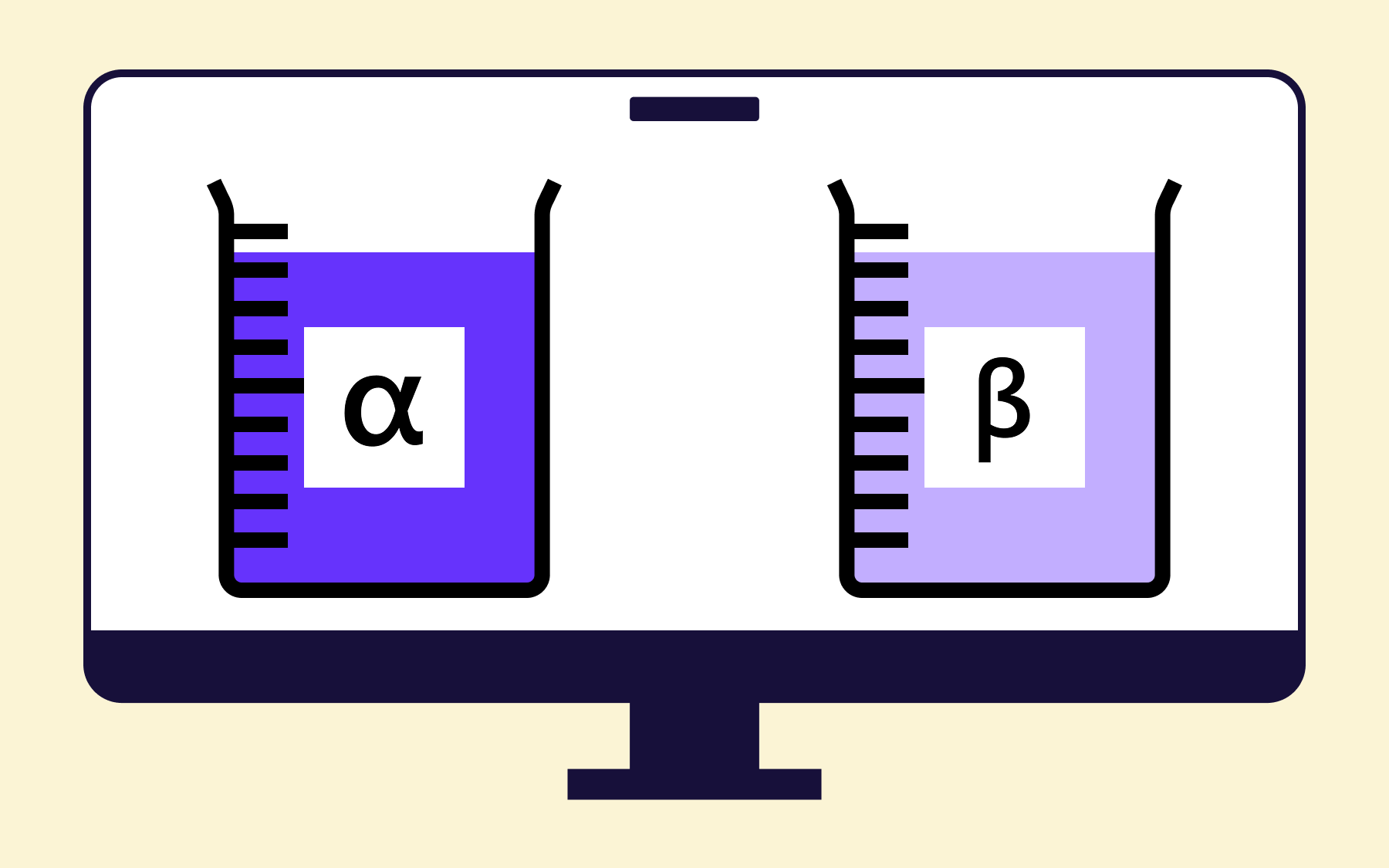
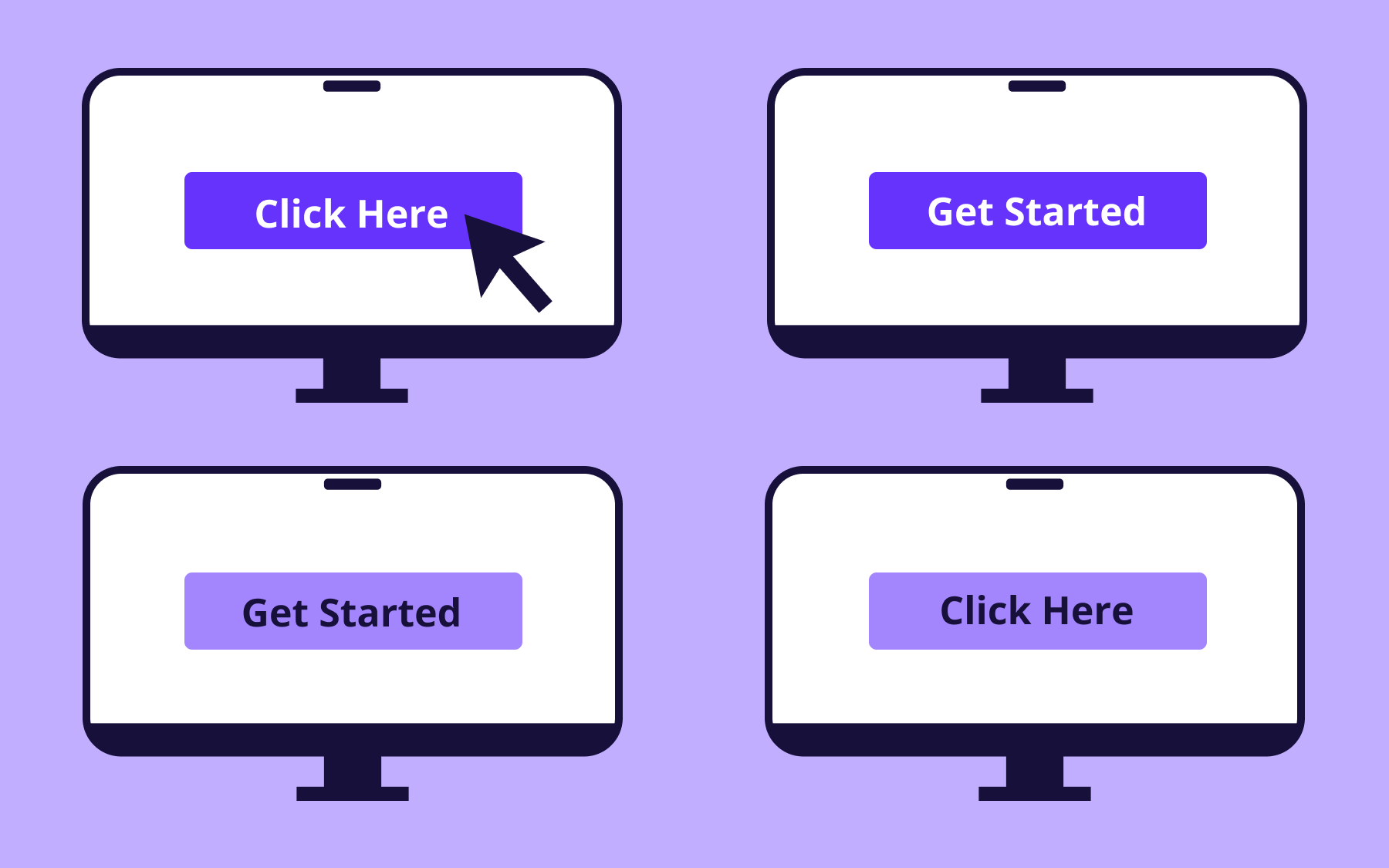
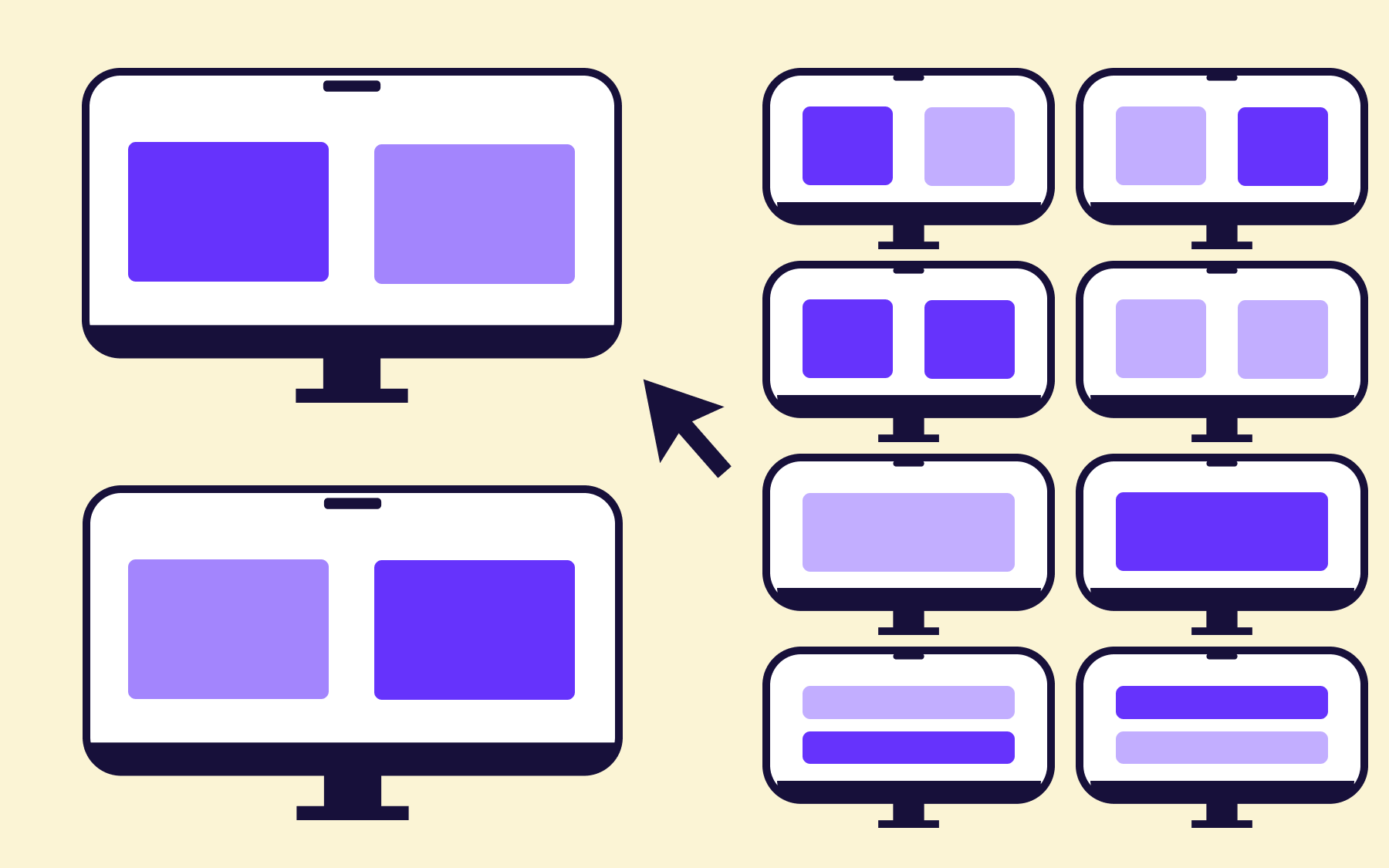
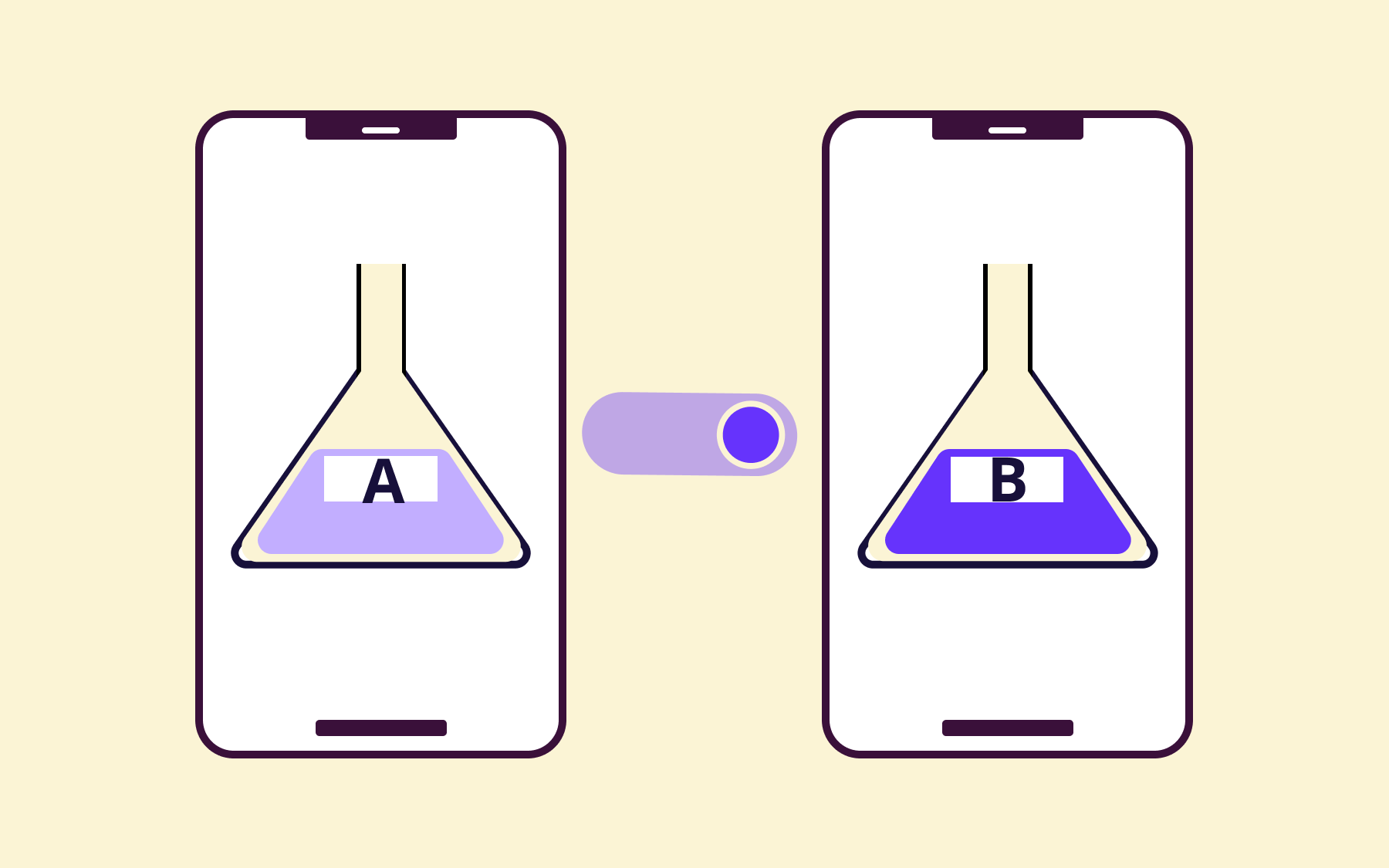
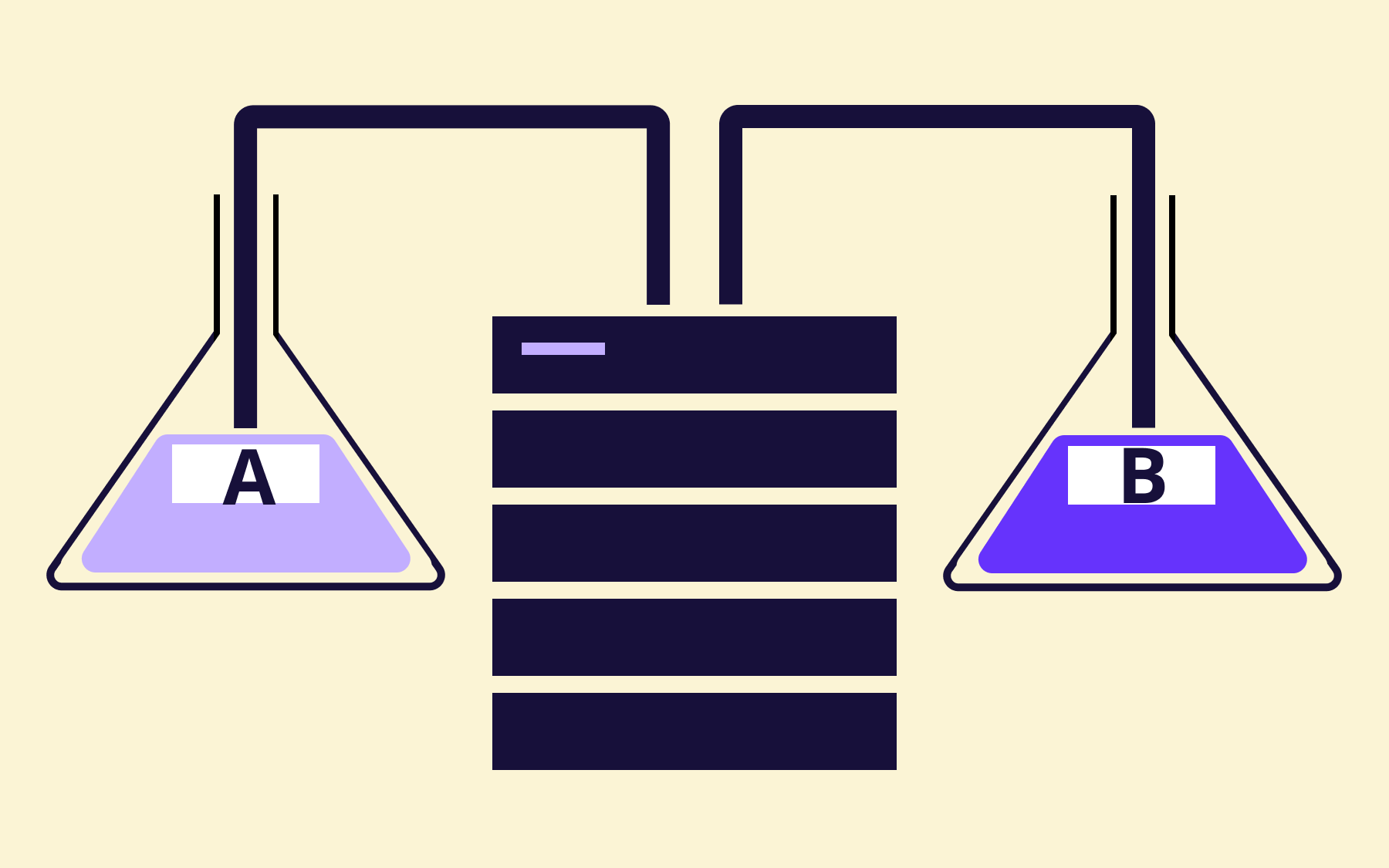
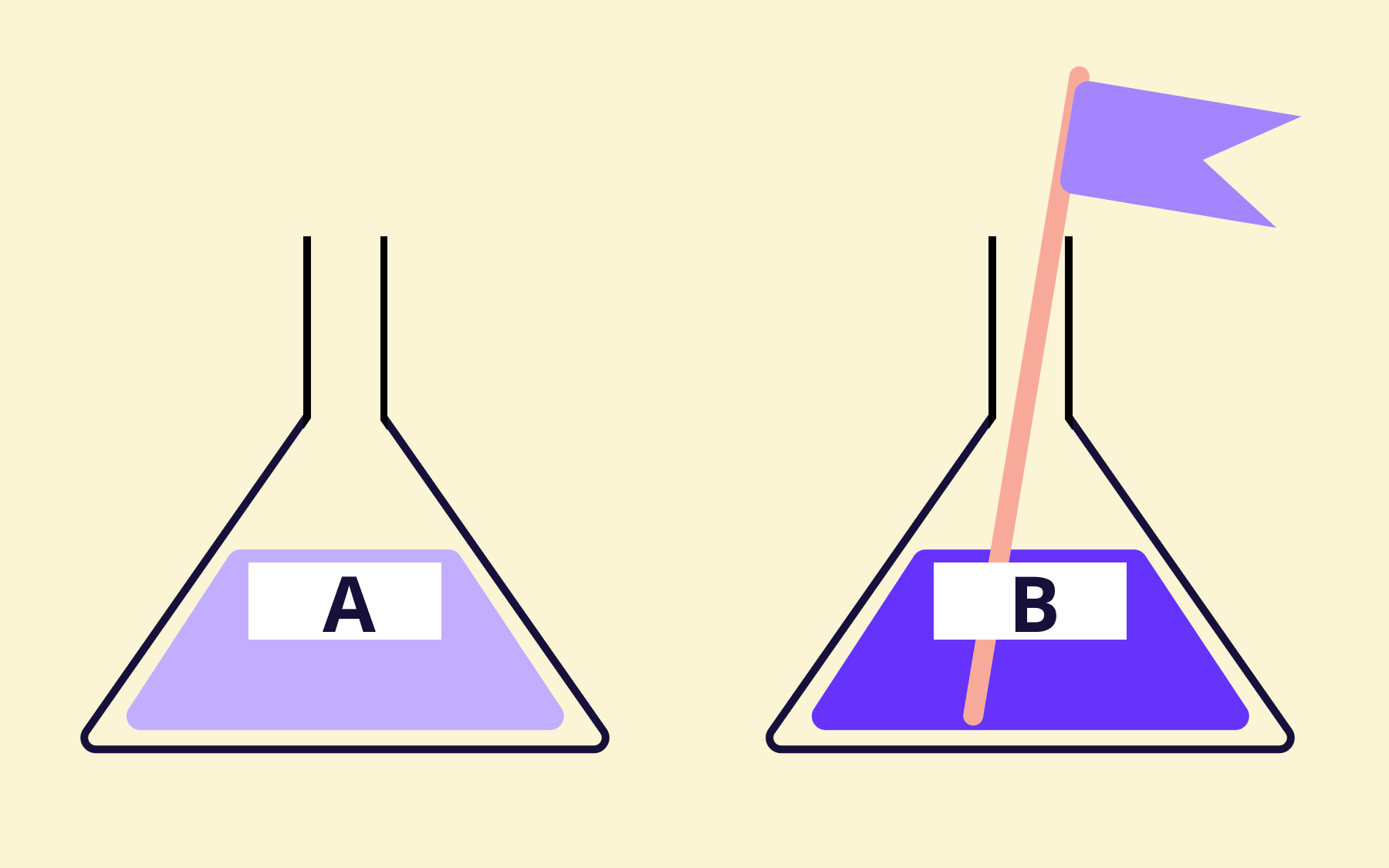
- A/B testing: Two versions, one variable, split traffic. The workhorse of experimentation that isolates cause and effect cleanly. Good for testing a single button, a headline, or a pricing page.
- Multivariate tests: Multiple variables changed at once, tested in combination across multiple components of the interface to find out how they interact, rather than testing each one in isolation—useful when you suspect that a headline only works with a specific layout, not on its own.
- Fake door testing: You build the door, not the room behind it. A button, a menu item, a landing page for a new feature that doesn't exist yet to measure genuine interest before you spend engineering time on it.
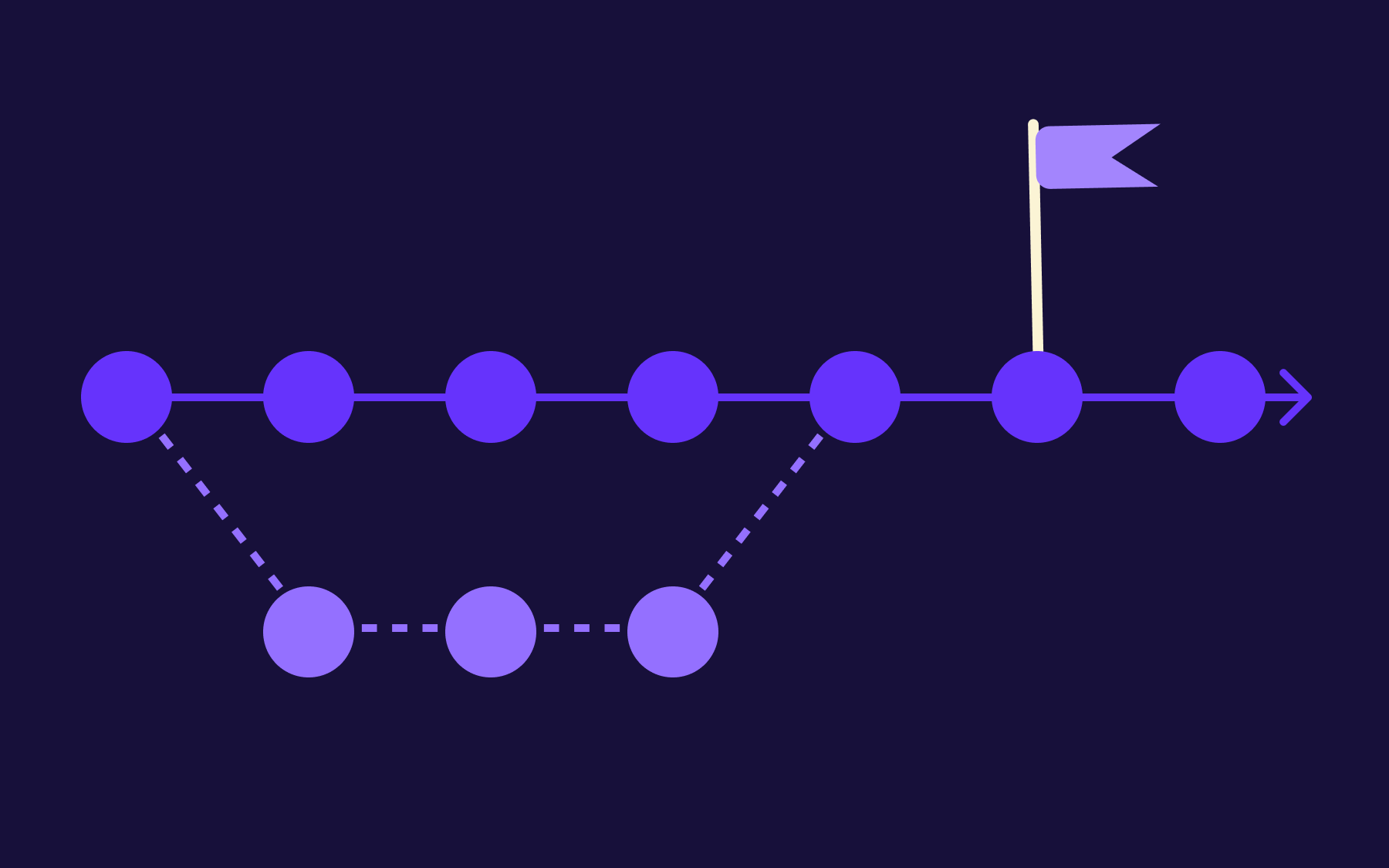
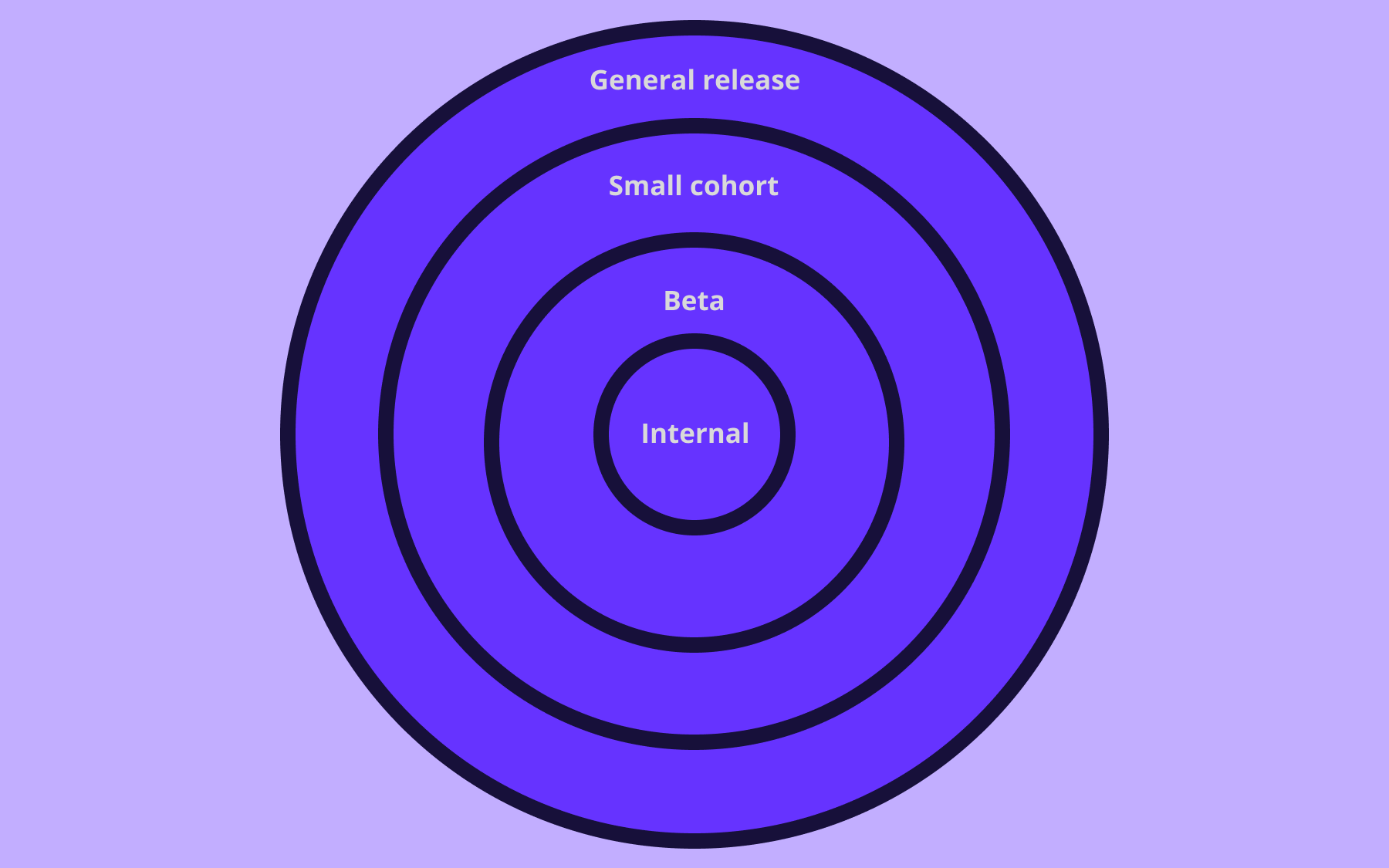
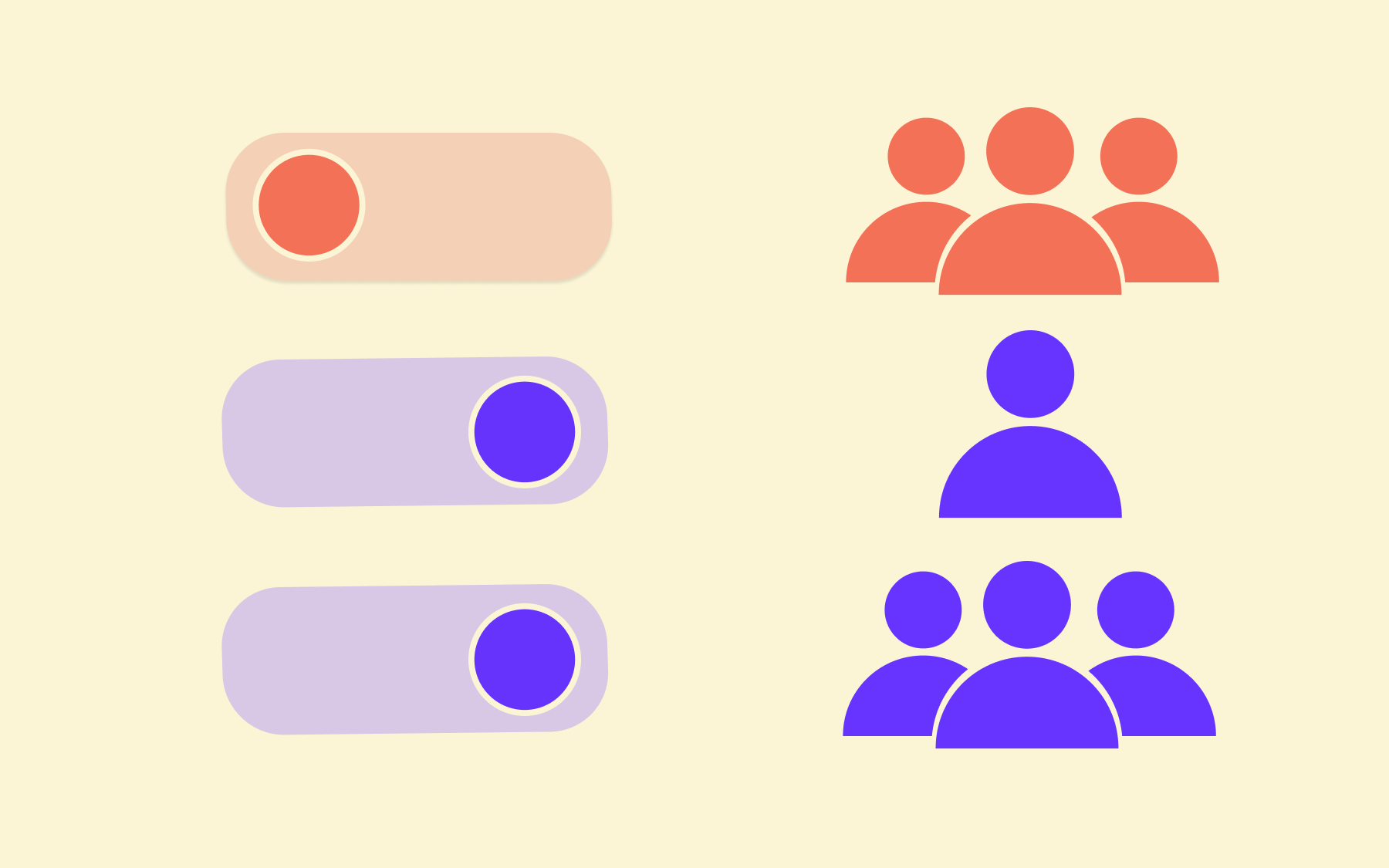
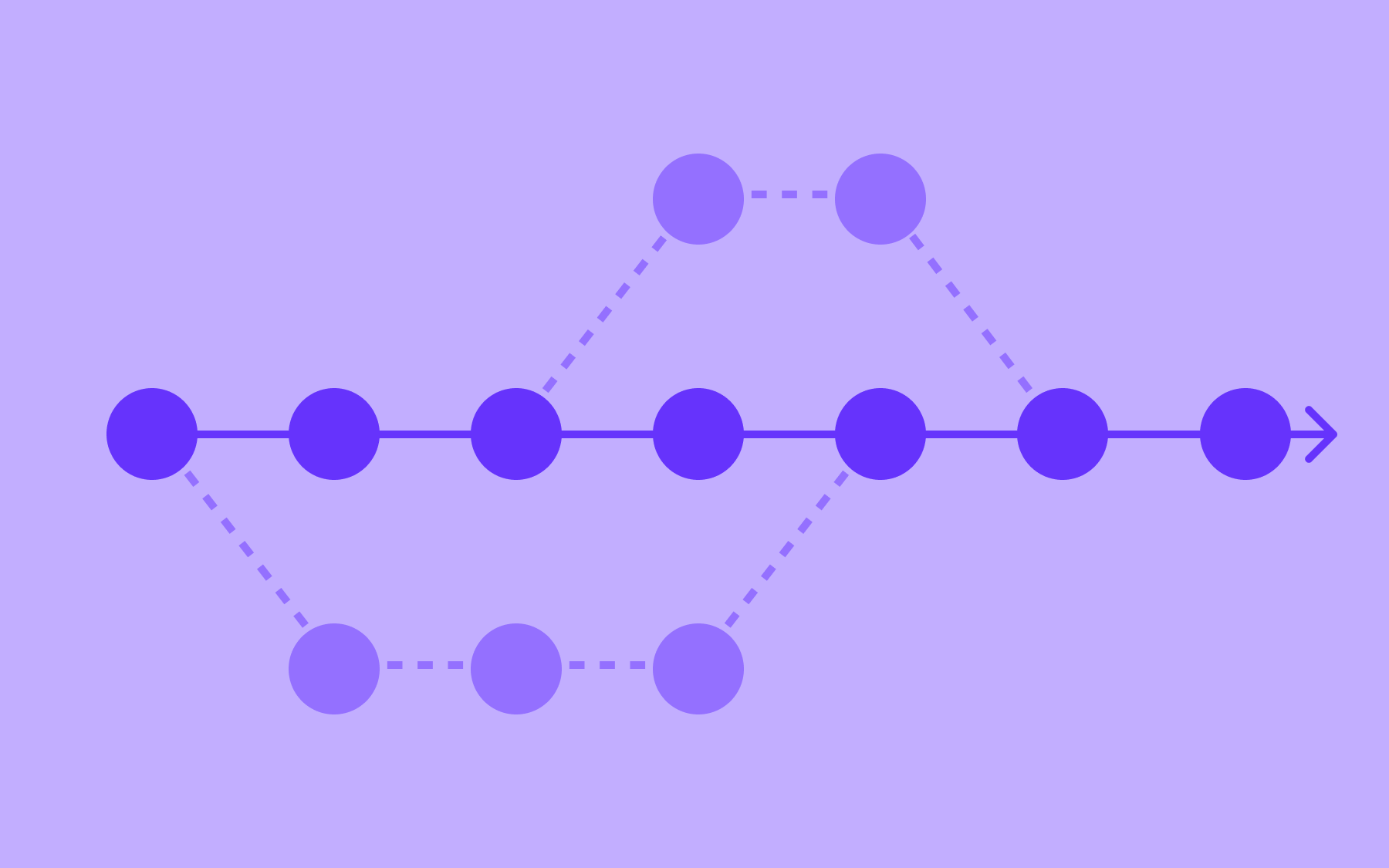
- Canary and incremental rollout: Rather than splitting users into a permanent control and test group, you expose a small percentage to the new experience, watch closely, and expand if nothing breaks. It blurs into deployment strategy as much as it does experimentation, but that overlap is where you get the most insights.
- Landing page tests: Isolated pages, sometimes stretching across multiple pages of a funnel, built to test messaging, pricing, or positioning against traffic you're already generating, without touching the core product experience at all.
- Usability testing: Qualitative rather than statistical, where you watch real or simulated users attempt a task, then note where they hesitate, misclick, or give up. It won't get you to statistical significance, but it explains the why behind the numbers other methods produce.
Most teams reach for A/B testing by default because it's familiar, then wonder why the results are murky. The type of experiment should follow from the question, not the other way round. If you're trying to understand whether users even notice a feature exists, a fake door test tells you more in a week than a multivariate test would tell you in a month.
None of this matters if you can't turn the exposed group off the moment something looks wrong—a constraint applies to every type on this list.
The benefits of product experimentation
The simple answer is that experimentation ends arguments.
Not because data is infallible, but because a well-run test outranks whoever has the loudest opinion in the room, regardless of their job title.
Product teams that build a genuine culture of experimentation make fewer decisions by consensus of opinion and more by evidence, weighing user feedback and key metrics over whoever spoke last in the meeting.
Product experimentation also has the benefit of forcing specificity. A vague goal like "make onboarding better" isn't testable. Removing the second setup screen for new users is.
The discipline of being required to state exactly what you're changing and exactly what you expect to happen improves the product development process even when a given experiment fails.
Experiments that fail are not wasted, either.
A test that disproves your assumption about user behaviour is a data point you didn't have yesterday. Teams that punish failed experiments end up with a pipeline of safe, boring tests designed to succeed rather than to teach anyone anything.
The commercial upside is better user retention and customer retention, stronger customer acquisition, and fewer resources burned building features nobody uses—but treat that upside as the by-product of rigour, not the reason to skip it.
Product experimentation is also one of the few reliable signals for product-market fit that doesn't depend on your gut.
A steady stream of successful experiments, each one nudging retention or user engagement upward, does more to validate ideas than a single glowing testimonial. A steady stream of experiments that all fail to move the needle tells you something useful too.
The infrastructure of product experimentation
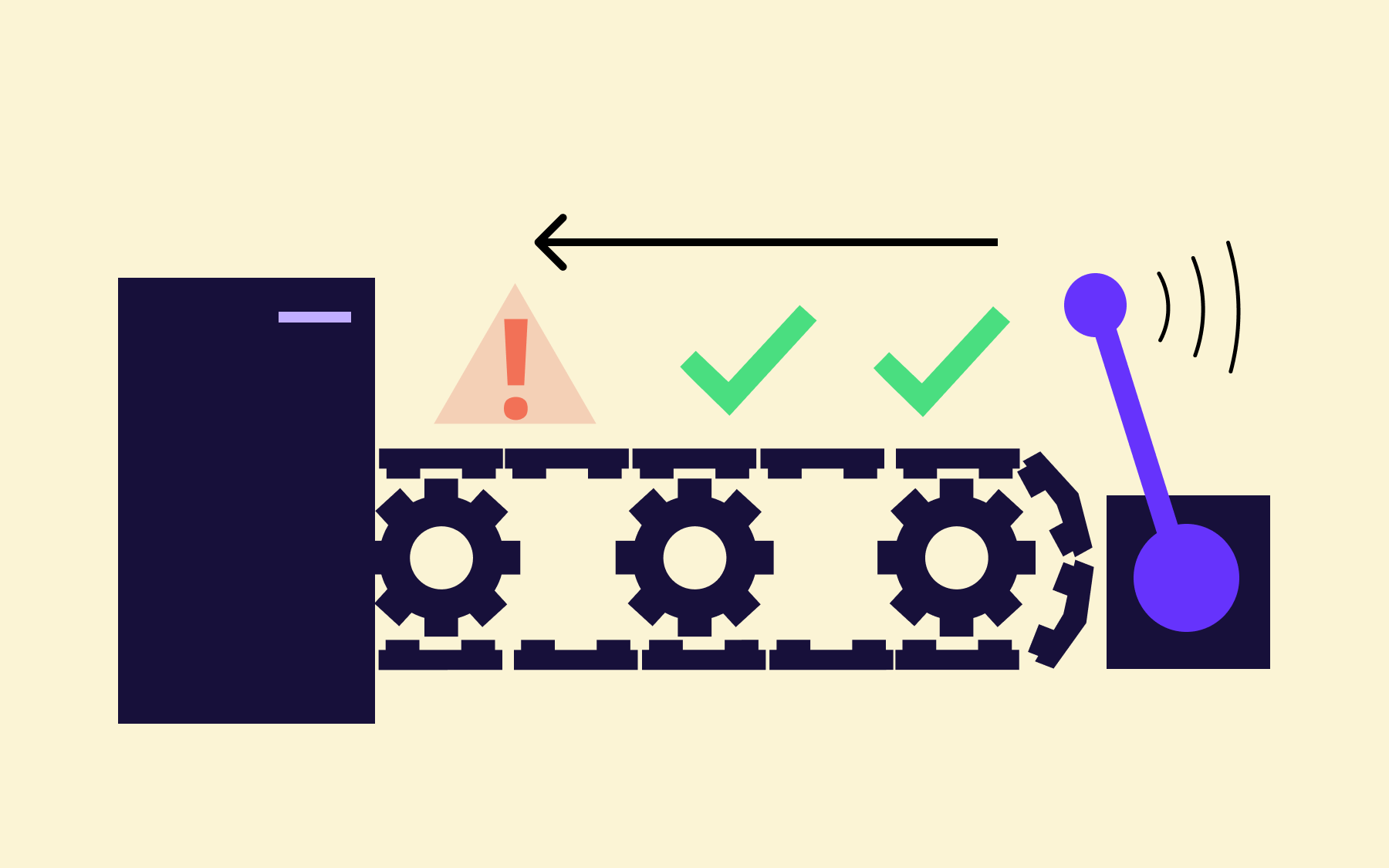
An experiment is only as safe as whatever is controlling who sees it.
Think of it like wiring a building. You can draw up the most elegant floor plan, spec the smartest appliances, but the lights won't function properly if the circuit breakers don't work.
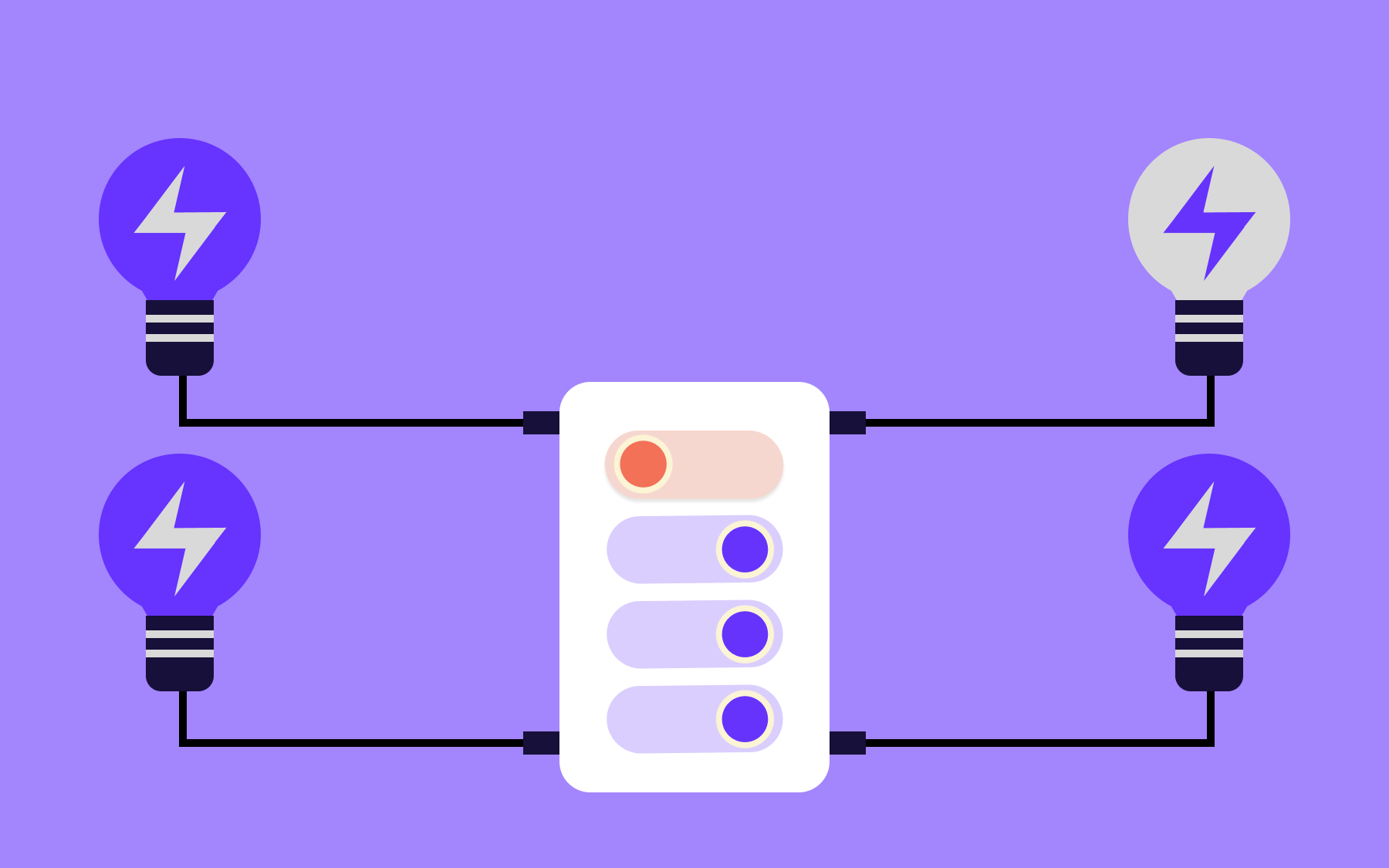
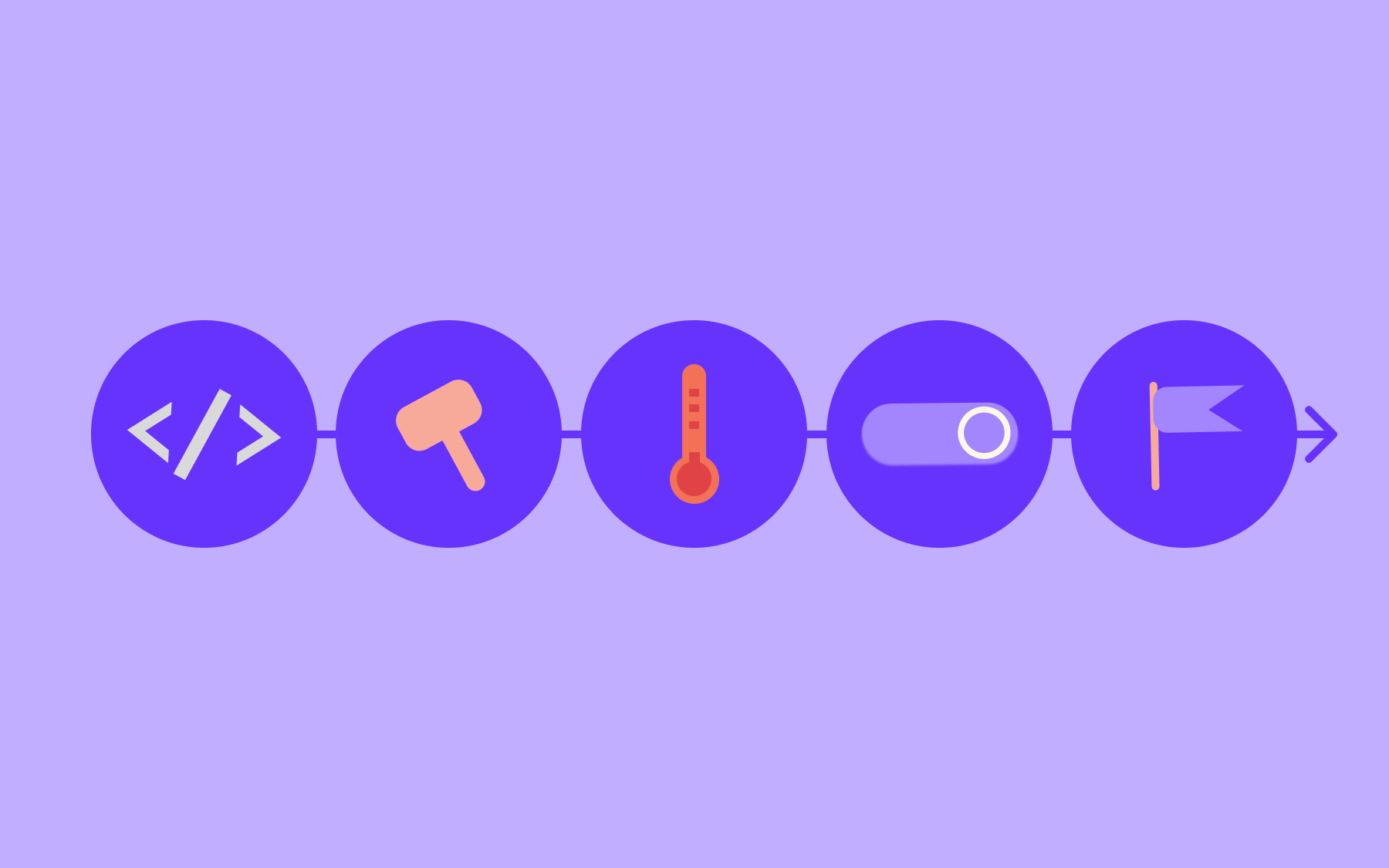
The moment something draws too much current, you need to cut power to that one room without taking down the whole building. Product experimentation runs on the same principle. The hypothesis is the floor plan. Feature flags, targeting rules, and rollout percentages are the breakers.
Teams that skip this step fail not because their hypotheses were bad, but because a test exposed to the wrong user segment, or one they couldn't switch off fast enough, turned into an incident review instead of a learning.
Here is also where you'll encounter the gap between ambition and reality.
Leadership wants twelve concurrent experiments running against different user segments. Engineering has a flagging setup built for one experiment at a time, tangled into conditionals nobody's brave enough to delete.
Rather than a lack of ideas, the real constraint on how many experiments a team can run safely is whether the user interface and the release process underneath it can carry that many changes at once without one bleeding into another.
For regulated industries and enterprise teams, there's a further consideration: where the experiment data lives.
Often for compliance reasons, some organisations need experiment configuration and targeting rules to stay inside their own infrastructure rather than a third party's, which means they need self-hosted and open-source approaches to feature management.
None of this is an argument against ambition. It's an argument for sequencing.
Before a team commits to running a dozen concurrent product experiments across different user groups, you need to know: does your current flagging setup isolate one experiment's blast radius from another's, without an engineer having to manually untangle conditionals at 11 PM?
If the answer is "no", that's what you need to do next, however unglamorous it looks next to "build an experimentation culture" on a roadmap.
Running a product experimentation framework, step by step
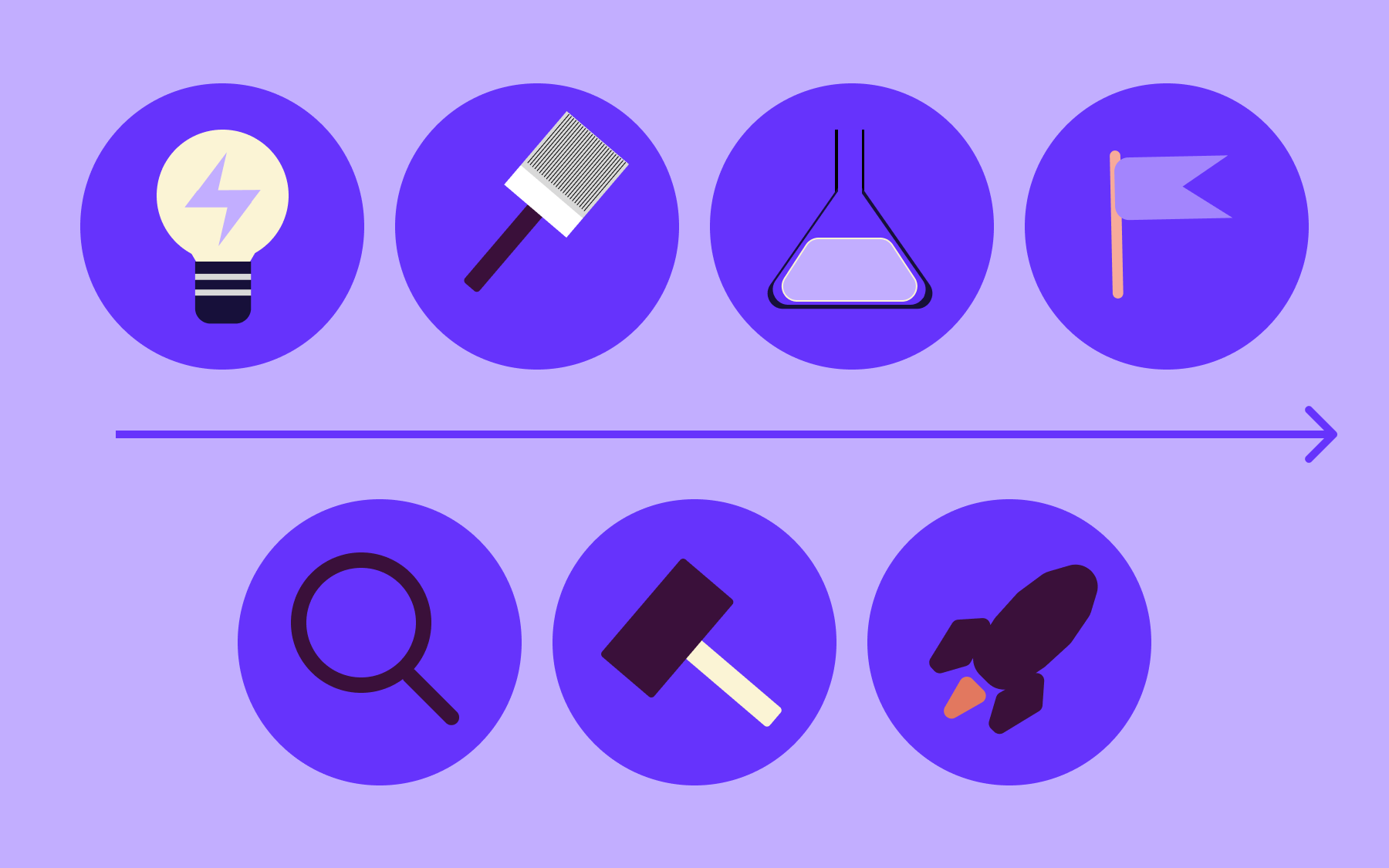
A structured process turns testing hypotheses from a one-off event into a repeatable discipline.
- Form a specific hypothesis: State the change you're making, the outcome you expect, the metric that will prove it, and the reasoning that connects all three. Vague hypotheses produce vague experiment results, however sophisticated your data analysis afterwards.
- Choose success metrics and guardrail metrics: Pick the one or two numbers that define success before the test starts, plus the metrics that must not regress even if your primary number improves. Deciding this after the fact will allow vanity metrics to creep into your report.
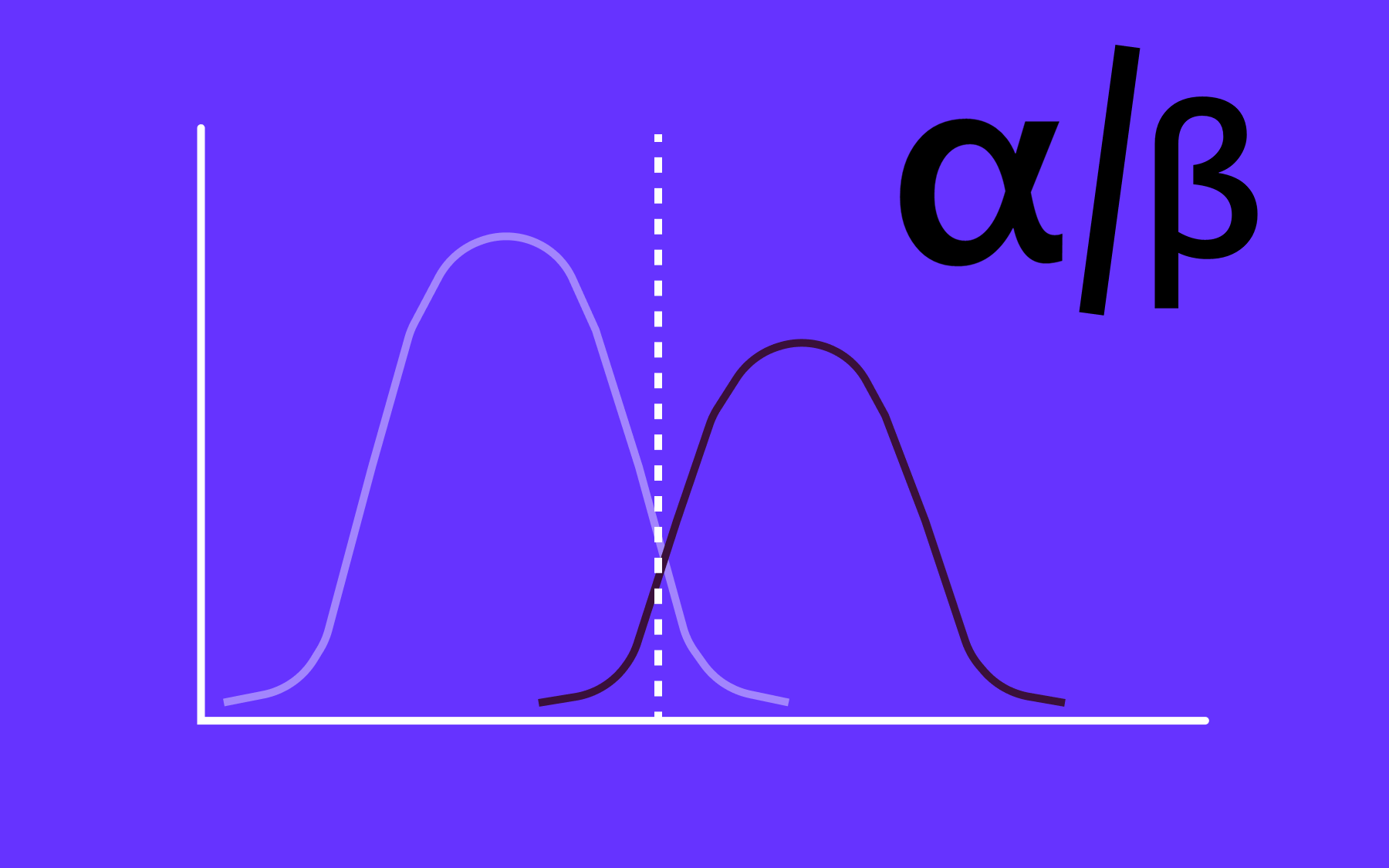
- Work out your sample size: How many users you need depends on how small an effect you're trying to detect. A change you expect to move a metric by half a percent needs a far bigger user base than one you expect to double conversions.
- Run the controlled experiment: Expose the control group and the test group, keep everything else constant, and resist the urge to read the results daily. Monitor metrics for anything alarming, but let the test finish. Sequential testing methods help prevent your team from peeking early and inflating false positives.
- Analyse and decide: Compare experiment data against your pre-agreed success criteria, not against whichever number moved the most. If the guardrail metrics held and the primary metric improved with statistical significance, ship it. If not, document why. That record becomes the seed for future experiments.
That five-step process works whether you're testing a button colour or a pricing model. What varies between teams is the discipline applied to each step, not the steps themselves.
If your team writes the hypothesis down but skips the sample size calculation, you gather raw data, just not data that will necessarily contain the insights you need—which may only surface when a decision you make based on that data makes things worse.
For a deeper walkthrough of building this into a repeatable, team-wide practice rather than a one-off checklist, Flagsmith has covered how to build a full product experimentation framework.
How does AI reduce product experimentation costs?
Artificial intelligence (AI) is changing the cost structure of product experimentation.
AI makes it quicker to get from idea to testable variant to insights
To generate a handful of onboarding copy variations, you used to need a written brief, a design review, and then wait in a queue for a few days. Now, you can write a prompt and a working draft within the hour.
AI also speeds up analysis after the test ends: instead of a data analyst manually slicing experiment results by device and region and user segment, AI tools surface where a lift or a regression is concentrated in minutes, flagging patterns a human reviewing a dashboard might take days to notice.
Product teams already running AI-assisted analysis report faster decision-making—97% of product managers say AI helps their department make decisions faster—partly because pattern detection that once required days of manual analyst work can now run while the test is still live.
Anyone can run product experiments
A product manager without a data science background can ask an AI tool a plain-language question about why a variant underperformed for one user segment, while sharing the data.
They can get a structured answer drawn from the raw qualitative data and data points from the experiment, instead of waiting for an analyst to be available to review it.
AI still relies on reliable infrastructure
However, the reality is that none of those savings survives contact with weak release infrastructure. If AI helps you generate five times as many hypotheses and design five times as many variants, you now need to run five times as many controlled experiments safely, concurrently, without them contaminating each other's user segments.
As OpenFeature's Pete Hodgson puts it in our ebook Feature Flags: A Safety Net for AI Development:
“I spend a lot of time talking to engineering leaders, and one of the most prominent themes in those conversations is that AI has not dramatically reduced the overall cost of delivering features. It's just moved the bottleneck. Engineers are using AI to produce code faster, but those changes are now hung up in code review, testing, or deployment.”
You are now facing a flagging and targeting problem, not an analytics problem.
Lower the cost of designing an experiment without also raising the capacity of the system that exposes and monitors it, and the savings just relocate into incident response instead of disappearing.
Where product experimentation goes wrong
Vanity metrics are the most common trap in experimentation, and the only reliable preventative measure is defining relevant metrics before the test, not after you've already found something that moved.
Run controlled experiments on too small a user base, and you'll see false positives dressed up as statistical significance. The maths doesn't care how excited the team is about the result, which is what makes underpowered samples so potentially damaging: the numbers look good right up until the rollout fails to replicate them.
Some traps are organisational rather than technical. When the highest-paid person's opinion overrules a clean result because it contradicts what they already believed—i.e., dealing with the HiPPO—no amount of statistical rigour saves you.
A data-driven decision-making culture only holds under pressure if leadership commits to it before the results come in, not after.
And then there's the trap nobody likes admitting to: treating experimentation as a substitute for judgment rather than an input to it. A pricing change with legal implications, or a decision to sunset a product line entirely, isn't something a controlled experiment can make for you.
Data narrows the range of reasonable choices, rather than picking the right one on its own—pretending otherwise just shifts the same bias from the HiPPO to whoever designed the experiment.
Flagsmith's feature flagging and rollout infrastructure solves the mechanism problem with controlled exposure, targeting, and kill switches.
To solve the statistics problem, most teams still pair Flagsmith with a separate analytics platform to read the results—though Flagsmith's own Experimentation capability is available.
Sample size, significance thresholds, and honest interpretation of experiment data are still on the team running the test, whichever tool ends up doing the calculations.
How to build an effective experimentation culture
Build your experimentation culture on documentation to survive past the first few tests.
Write down every experiment, successful or not: what was tested and why, what happened, and what the team decided to do about it. Your archive becomes the resource new product managers read before proposing an idea someone already tested eighteen months ago.
Your engineers should own the guardrails as much as product owns the metrics. The people who understand exactly how a rollout can fail should be the ones deciding how gradual it needs to be, not the last people consulted before launch.
Get product and engineering on the same page about which user flows a rollout is allowed to touch, before anyone is exposed to it, to prevent issues that could later get blamed on the experiment itself.
Use the same tools and the same structured process for every experiment, rather than allowing each product manager to improvise their own. By being consistent, your company can compare this quarter's experiments against last quarter's and spot patterns across user groups.
Continuous improvement beats big, rare experiments. Run small, frequent tests against real users to learn faster, rather than a single elaborate quarterly test.
Utilise Flagsmith's feature flags to make that frequency possible without turning every test into a deployment event, and give product managers the targeting and rollout control that a genuine testing culture depends on.
Conclusion
Product experimentation is a hypothesis, a controlled group of real users, a metric agreed before the test starts, and infrastructure underneath that is capable of switching the whole thing off the moment it goes wrong.
Get the wiring right, and everything built on top of it—the framework, the AI-assisted analysis, an experimentation culture that actually holds under pressure—has a solid foundation. If you want to see how that wiring works in practice, sign up for Flagsmith and run your first controlled rollout.
Product experimentation FAQs
How is product experimentation different from product validation?
Product validation happens before something exists in a usable form: interviews, prototypes, fake door tests to gauge interest. Product experimentation happens once a change is live, or live enough to expose to a slice of real users, and measures whether it actually performs better than the current version.
How many users do you need for a valid product experiment?
It depends entirely on the size of the effect you're trying to detect. Smaller expected changes in a metric require a larger sample size to reach statistical significance; larger, more dramatic changes can be detected with fewer users.
Running a sample size calculation before the test starts, rather than guessing, is what prevents false positives later.
What's the difference between product experimentation and A/B testing?
A/B testing is one type of product experiment: two versions, one variable, split traffic. Product experimentation is the broader discipline that also includes multivariate tests, fake door testing, canary rollouts, and usability testing—along with the hypothesis and the underlying infrastructure that make any of those methods trustworthy.



















OpenTelemetry, without the vendor lock-in: Introducing full observability for Open Source and Self-Hosted Flagsmith customers