The Engineering Team's Guide to Release Strategies That Actually Work

How you release software matters as much as what you release. A team that ships excellent code but deploys it all at once—to everyone, with no ability to pull back quickly—is taking on unnecessary risk.
The teams that are consistently confident about releases are being more deliberate about how features reach user, not just writing the next code.
A release strategy is what teams have in place in order to be deliberate. It defines which users get access to new functionality, in what order, and under what conditions.
It's repeatable, intentional, and scalable, and without one, every release is essentially improvised. A software release strategy ensures that the process is controlled.
It's also worth noting that even though 'deployment' and 'release' are often used interchangeably, they're not the same thing, and understanding the difference is what makes modern release strategies successful. More on that shortly.
This guide covers the main software release strategies—canary releases, phased rollouts, ring deployments, dark launches, and more—along with how to approach release management at a team and organisational level, and how analytics close the loop between a release decision and its real-world impact.
Whether you're running continuous delivery across a single product or coordinating releases across multiple teams, the goal is the same: ship software with confidence and minimal disruption.
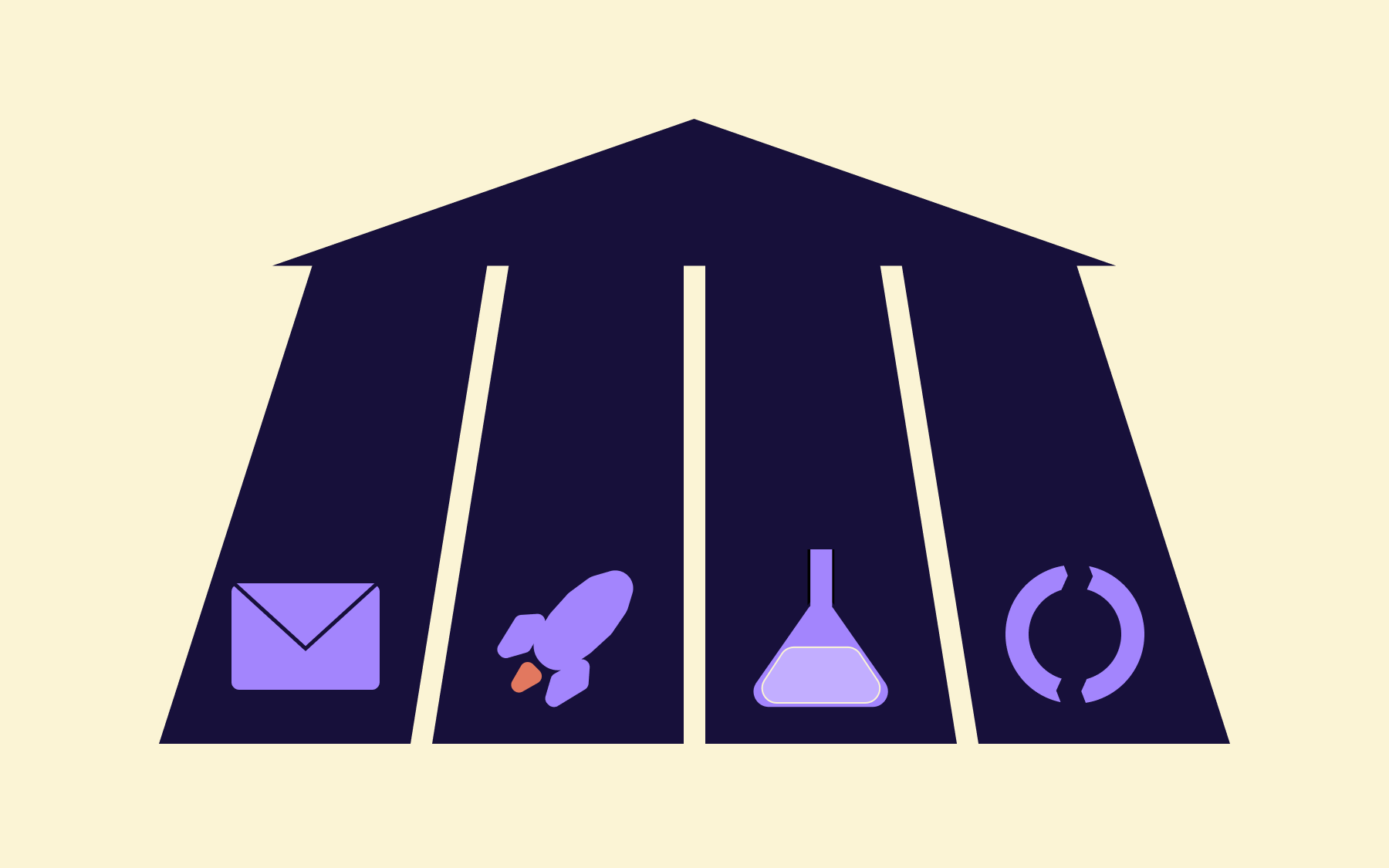
The main software release strategies
No single strategy fits every team or every feature. The right choice depends on your risk tolerance, the potential impact on end users, and how much control the team needs over the rollout. A change to a payment flow warrants a different approach than a minor UI update.
Here are the most widely used software release strategies—along with how feature flags make each one much easier to execute without heavy infrastructure changes.
Canary releases
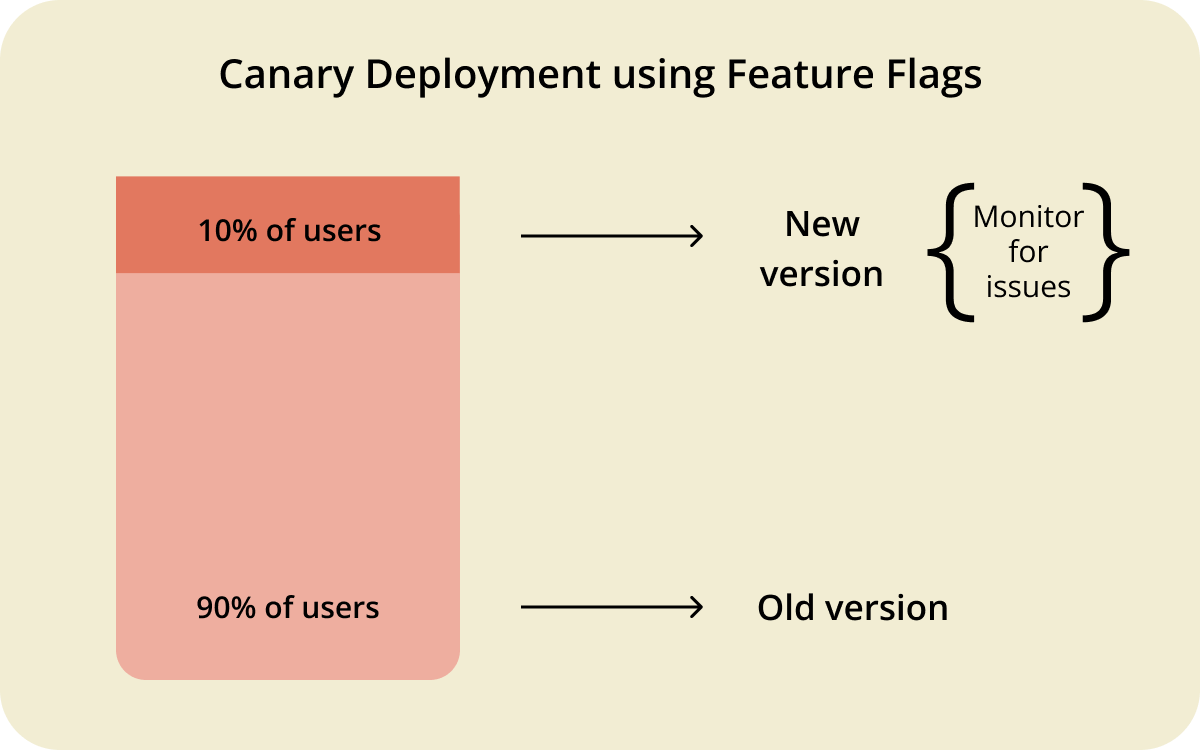
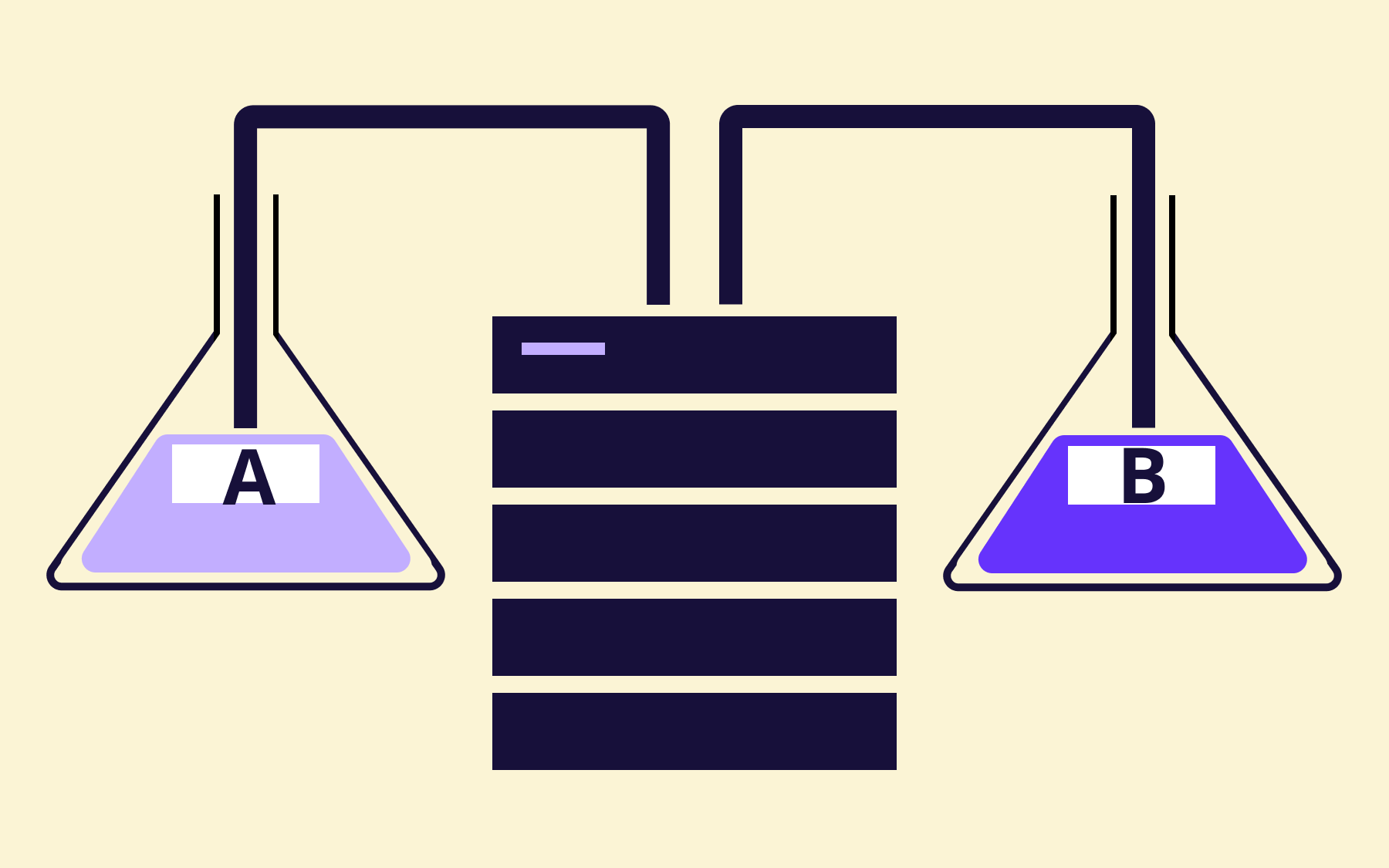
A canary release routes a new feature or version to a small, defined subset of users before anyone else sees it. The name comes from the practice of coal miners carrying canaries into mines as an early warning system for toxic gases—if something was wrong, the canary signalled it first.
The logic is the same in software delivery. If there's a bug, a performance regression, or an unexpected edge case, it surfaces in a controlled group rather than across your entire user base.
Once you're confident that your release is stable, you expand access gradually, monitoring error rates and latency at each stage.
Without feature flags, canary releases typically require infrastructure-level traffic routing—load balancer rules, separate deployments, or service mesh configuration. With feature flags, any development team can execute a canary release in minutes. You define the target segment, set a percentage, and adjust it as the product passes user testing stages. No redeployment required.
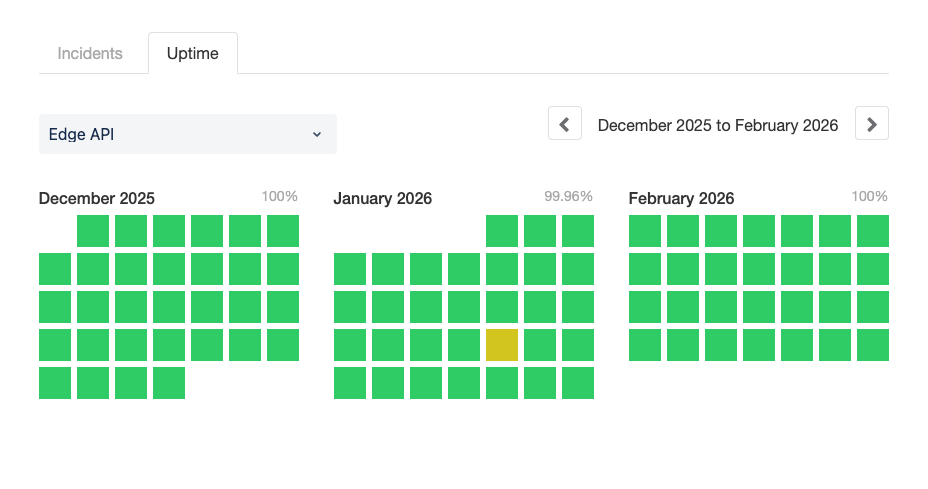
We often use the canary strategy at Flagsmith for feature releases and updates—but they’re not perfect. You can read about a recent Edge API incident we had and how we fixed it in our article about when canary alerts go wrong.
Phased rollouts
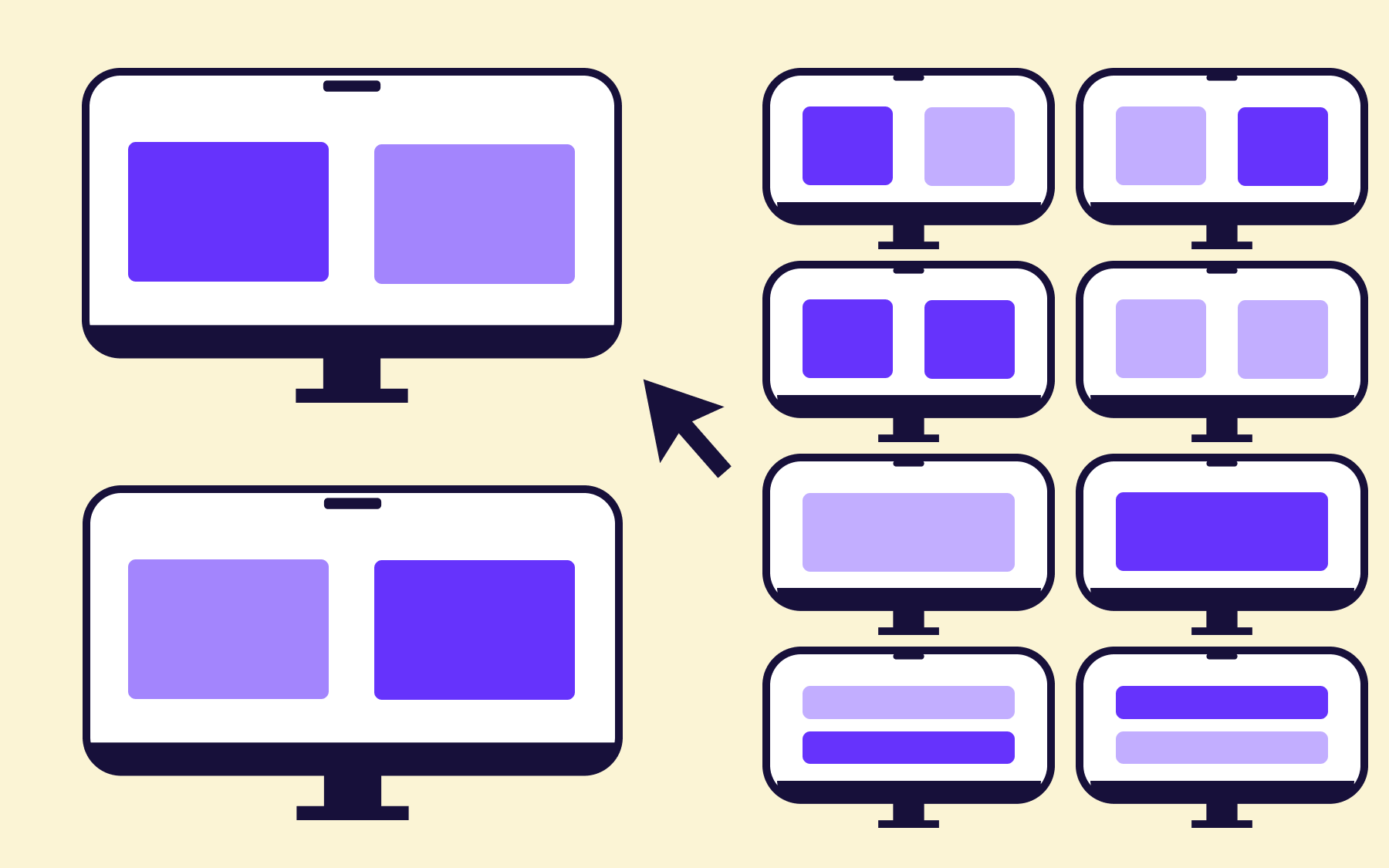
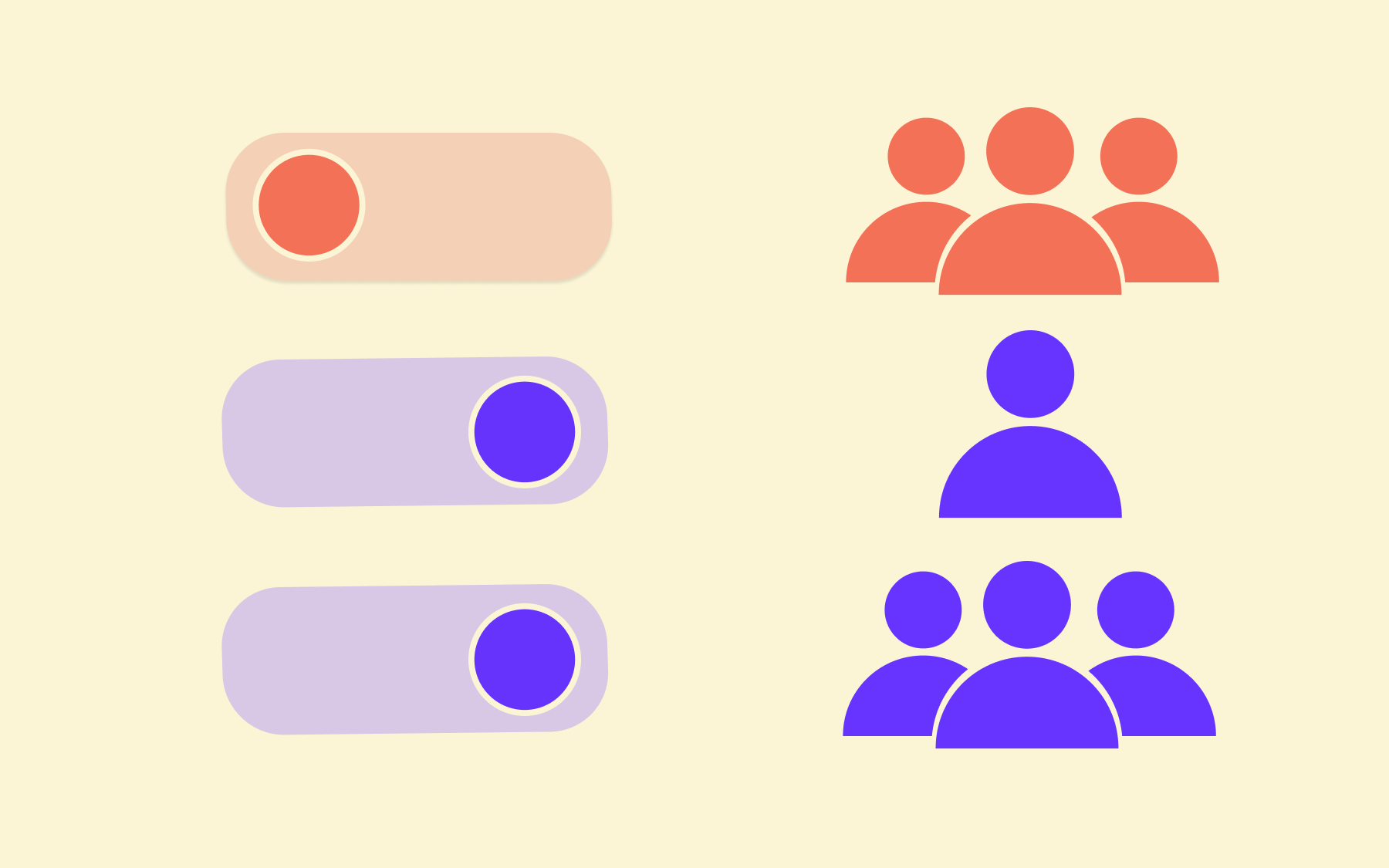
A phased rollout applies the same principle of gradual expansion but across a percentage of your overall user base—moving from 5% to 25% to 50% and eventually to 100%.
Where a canary release often routes to a specific pre-defined group (say, internal users or beta testers), a phased rollout is about breadth: controlled exposure across a broad population, increasing incrementally as confidence builds.
You get real production signals at every stage. Problems that don't appear in staging—because they only emerge at scale, or in specific user environments—become visible before they affect everyone.
Flagsmith's percentage-based targeting makes this straightforward to configure and adjust in real time, without touching the underlying deployment. Roll forward or pull back with a slider, not a deployment pipeline.
Ring deployments
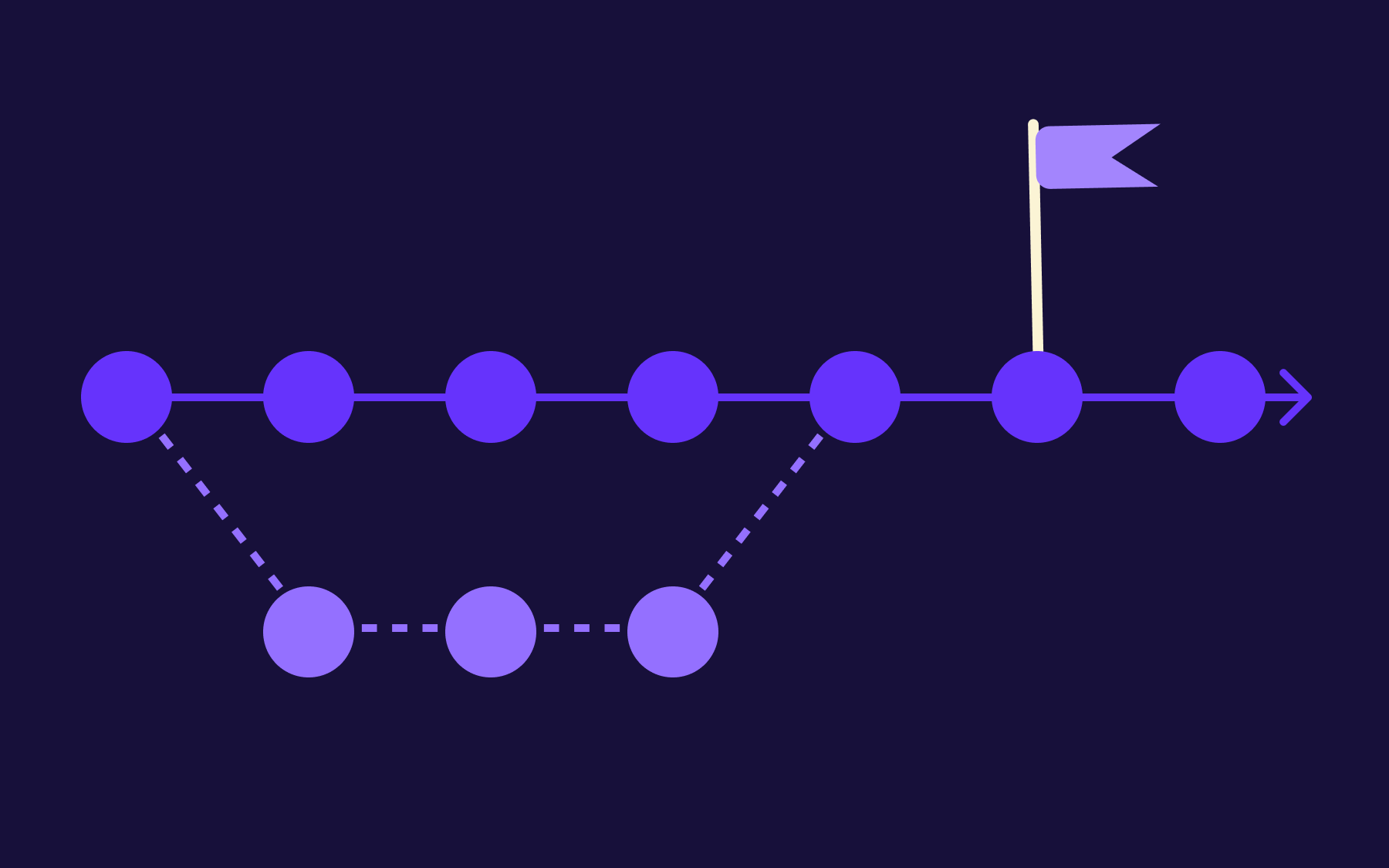
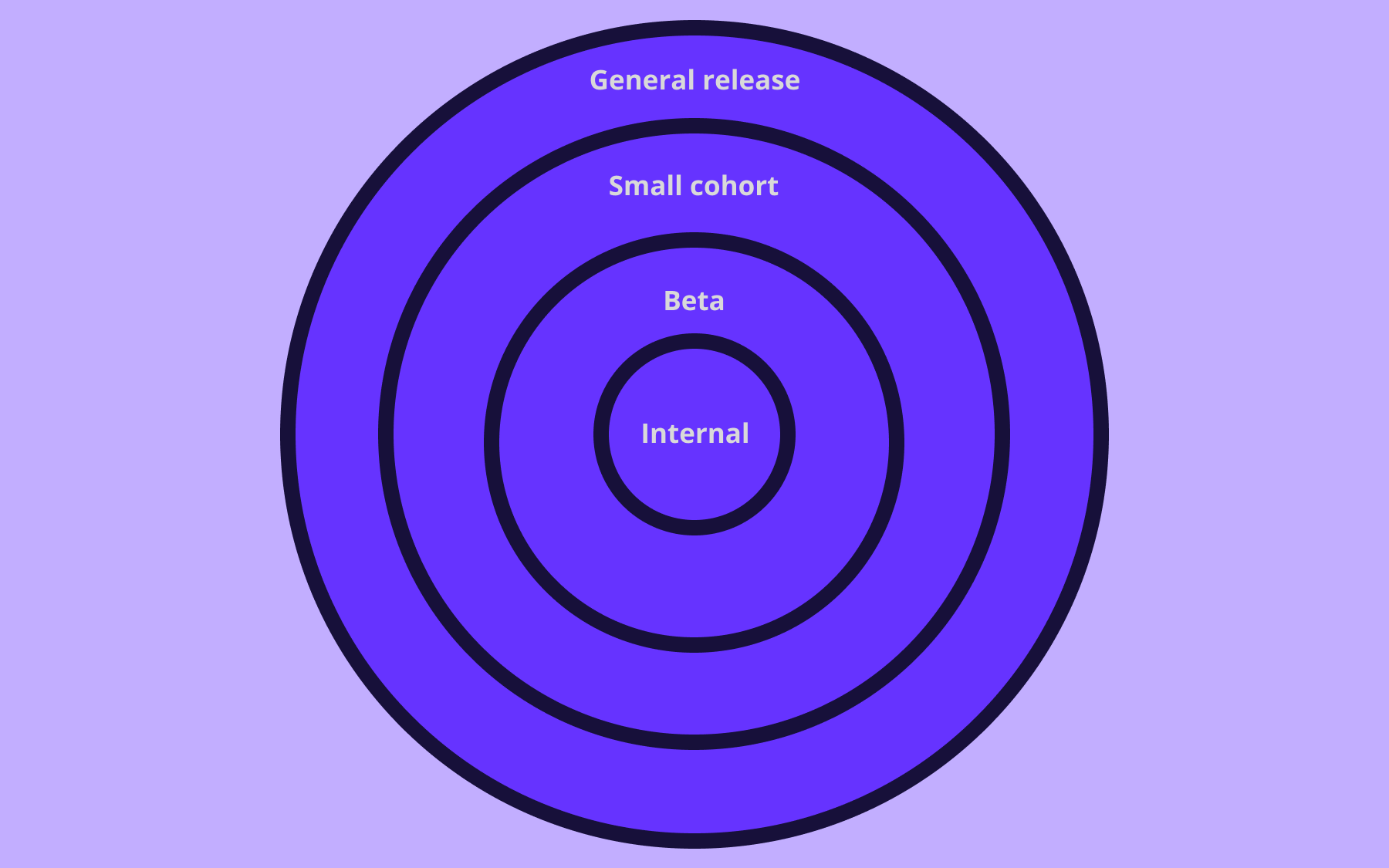
Ring deployments formalise the expanding circle model: code ships first to an innermost ring of internal users, then to beta users, then to early adopters, and finally to the general population.
Each ring acts as a validation gate. If a ring surfaces problems, the rollout stops until they're resolved—rather than expanding an issue to the next group.
Jez Humble introduced this approach in the book Continuous Delivery, and it's particularly well suited to regulated or high-stakes environments where staged validation is a requirement rather than a preference. Financial services and healthcare organisations often find that ring deployments map neatly onto their existing release management process, as each ring creates a natural audit trail and a clear escalation path before a change reaches the full production environment.
Dark launches
A dark launch means shipping code to a production environment without exposing it to any users.
The feature exists in the codebase, it's running in production, but no one can see it. Dark launches are useful when you want to:
- Load-test under real conditions
- Validate integrations before launch
- Stage new functionality ahead of a coordinated marketing announcement without risking an early reveal
It's also where you can make a clearer distinction between deployment and release. The code is deployed—but the release hasn't happened yet.
Feature flags are the natural mechanism to make that happen. A flag controlling visibility can sit in an 'off' state indefinitely, and enabling features for users is a deliberate business decision, not an engineering event. This separation is at the core of what makes continuous deployment practical at scale.
Big bang releases
The big bang release is the default that most of the above strategies exist to avoid. All code changes go to all users at once.
It can be the right call for small, genuinely low-risk updates, but at scale it compounds risk: every change is simultaneous, rollback is disruptive, and there's no gradual signal to catch problems early.
Organizations have shifted away from big bang releases in modern software development in response to hard-won experience of what happens when things go wrong at full exposure.
Release vs. deployment
Much of the content around release strategies and deployment processes conflates two pipeline stages that serve different purposes—and the distinction is more important than it seems. In fact, deployment and release are not the same.
- Deployment is a technical event: code moves from one environment to another, controlled by engineers or a CI/CD pipeline. It's largely automated, repeatable, and its goal is to get code running in production.
- Release is a business decision: users gain access to a feature. It might be owned by a product manager, timed to a marketing date, or gated behind user acceptance testing. Reversing a deployment means redeploying. Reversing a release means actively removing something users may already be relying on.
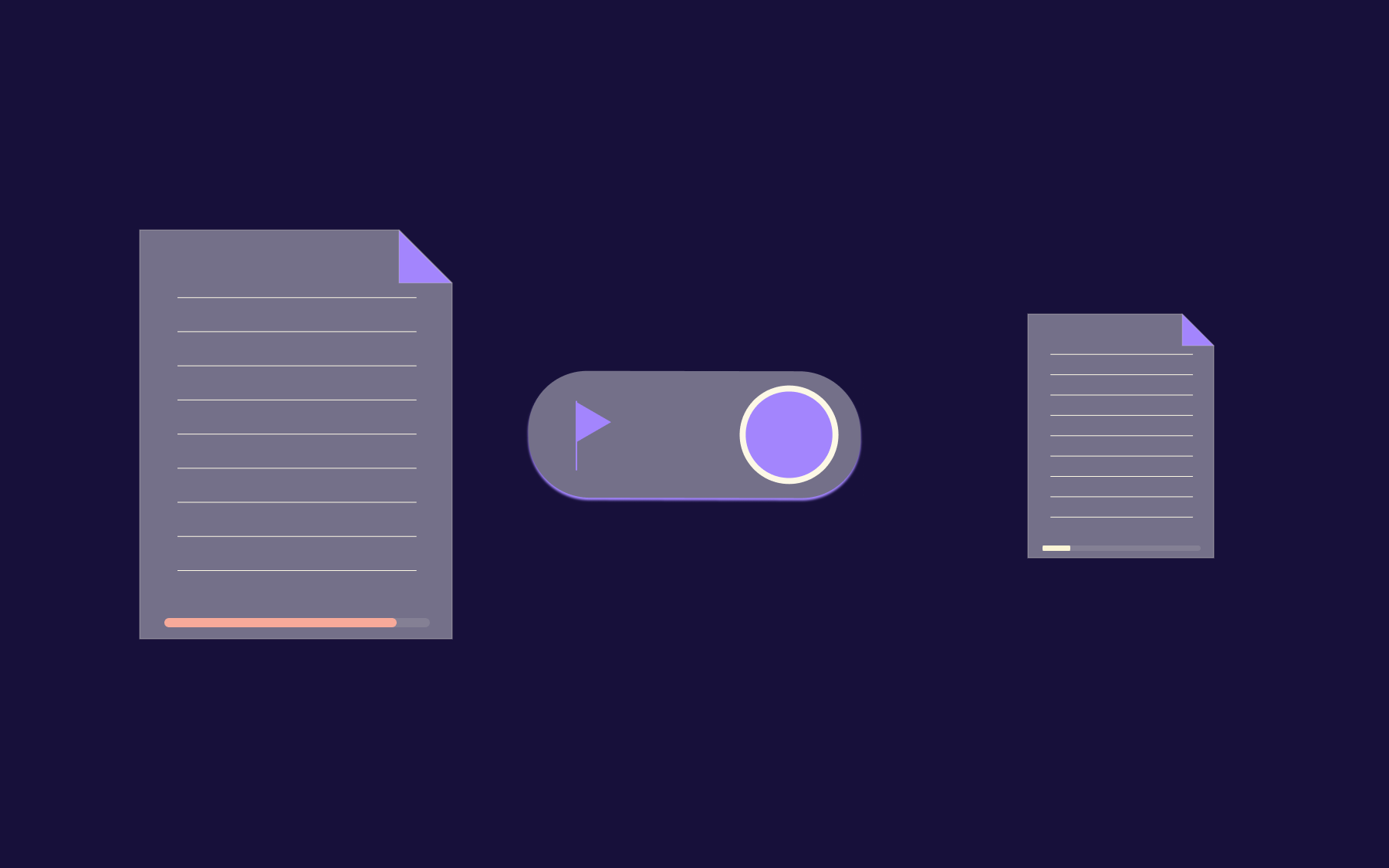
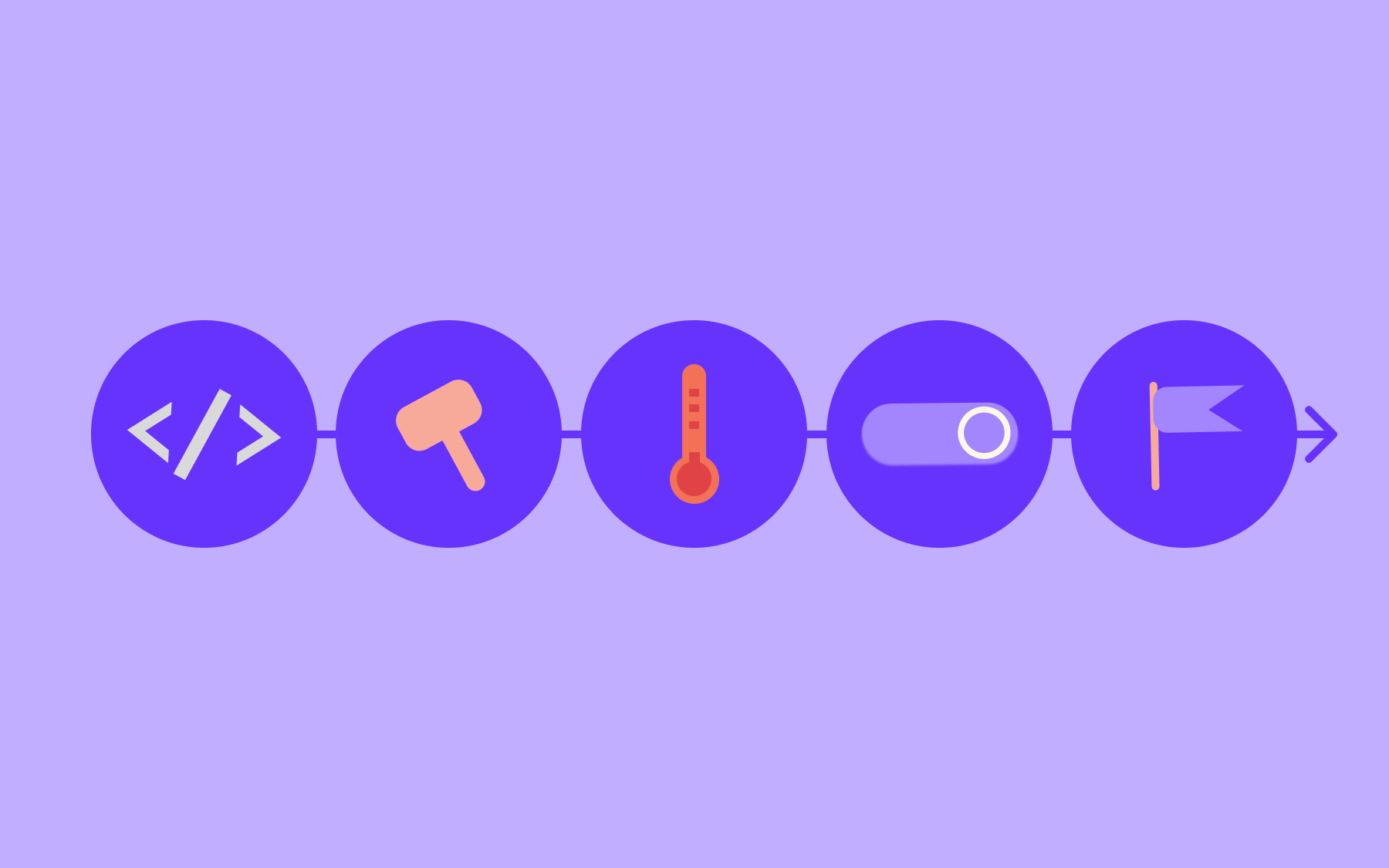
Feature flags decouple deployment from release.
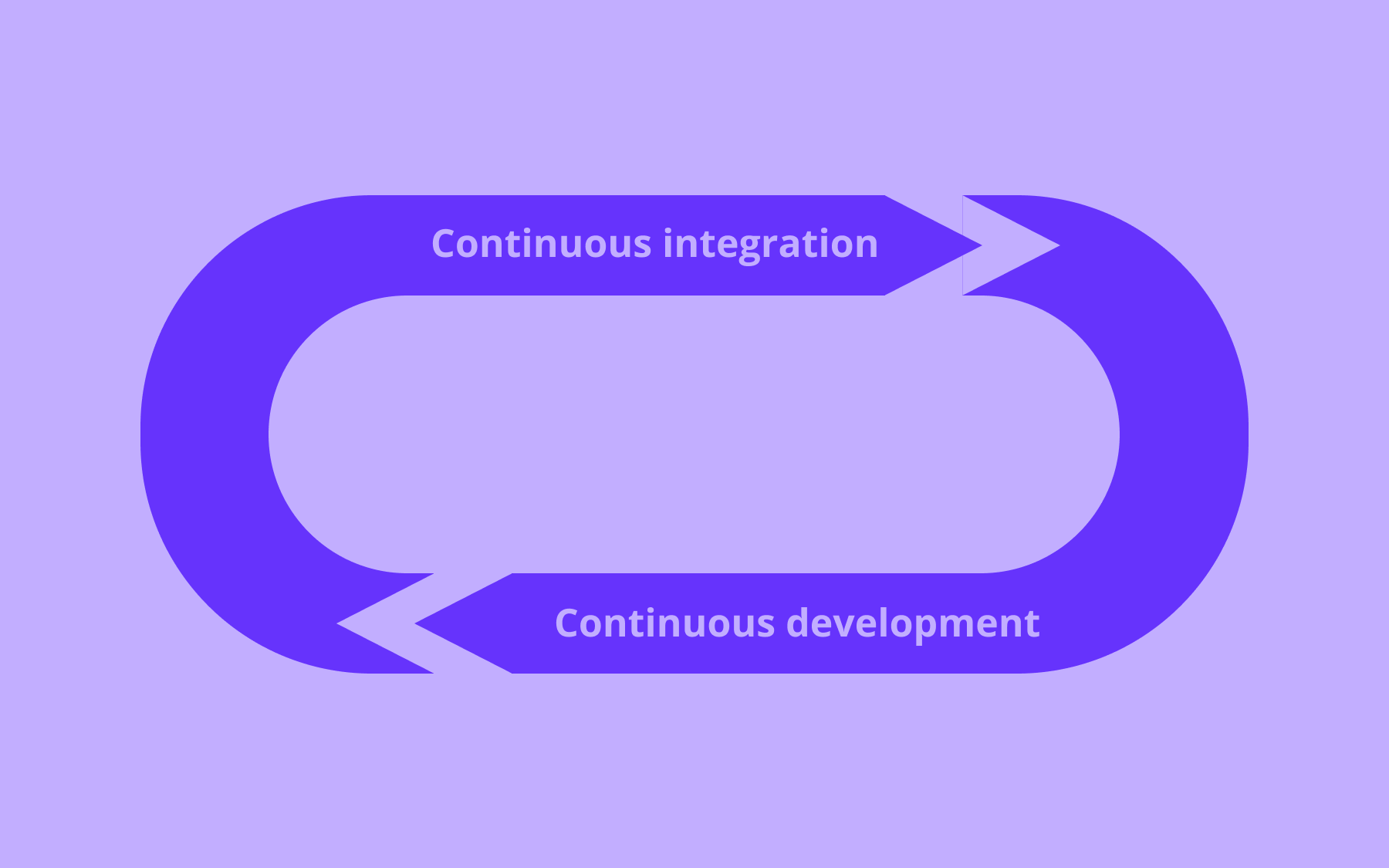
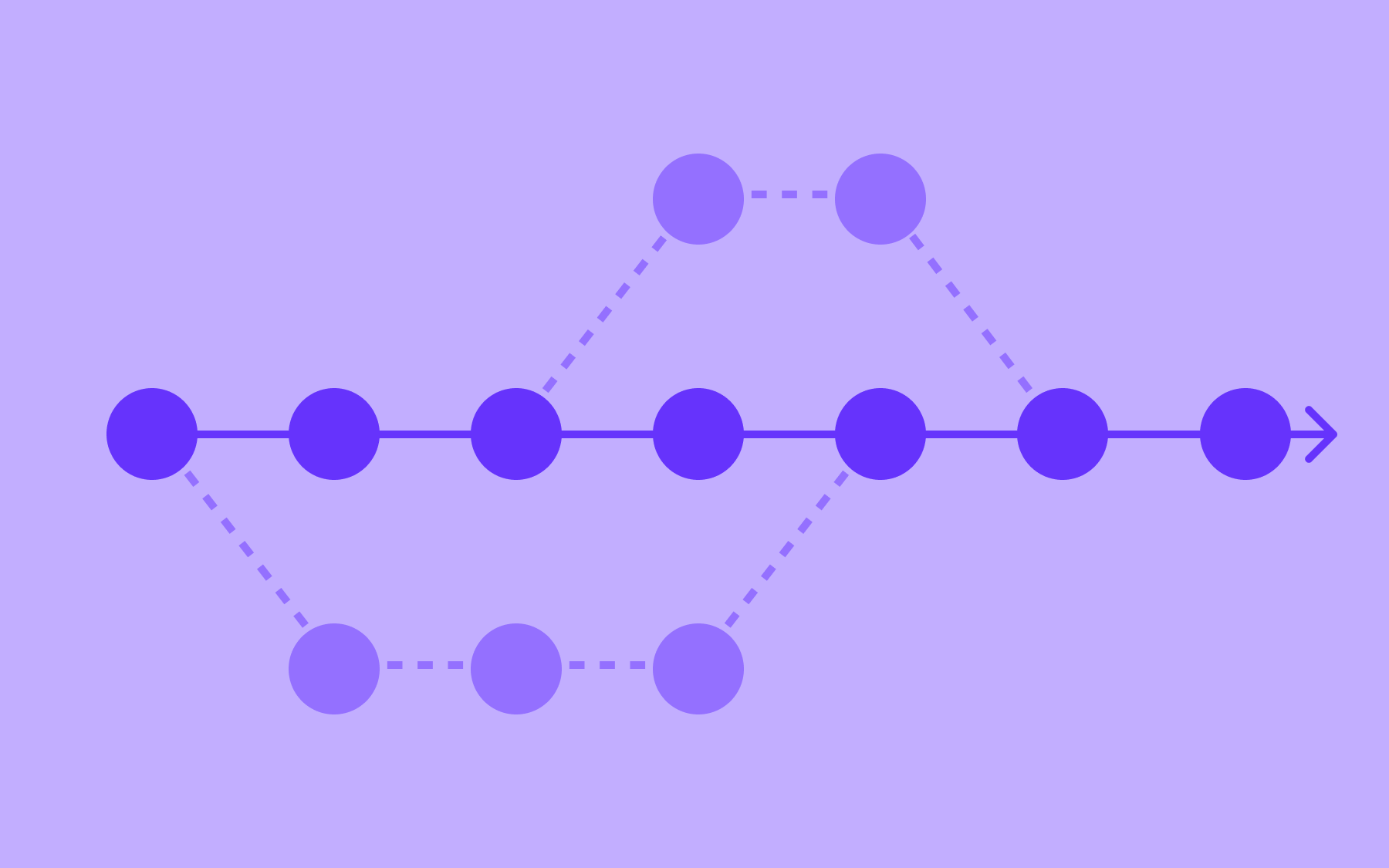
Code can ship continuously—which keeps branches short, reduces merge conflicts, and supports continuous delivery practices—while releases happen on a schedule that suits the business.
Without feature flag management, deployment and release collapse into a single moment, and you lose most of the control that the strategies above are designed to provide. They should remain separate in your software development process.
Release management strategies
Picking a rollout method is only half the task.
Release management covers the rest: how rollouts are planned, communicated, coordinated, and measured across software development teams and systems—consistently, every time.
That consistency is what enables a team to ship with confidence as it scales.
Every release management strategy looks different depending on team size.
A startup shipping daily with a single team needs a lightweight release process: clear ownership, a shared understanding of rollback criteria, and solid monitoring.
An enterprise coordinating multiple teams across regulatory requirements and customer commitments needs more formal planning: release calendars, documented scope, approval workflows, and defined escalation paths for emergency releases.
Neither is wrong—the goal is fit, not ceremony.
A few principles remain the same, however:
- Release planning and scope definition. Before a release begins, everyone involved should know what's in it, what's not, who’s involved, and why. Scope creep is one of the most common causes of a messy release—features added late bring risk that wasn't part of the original risk assessment.
- Cross-team communication. A release that surprises the support team, or lands before the documentation is ready, creates downstream problems. Key stakeholders should be informed before, during, and after. Communication is even more important when it comes to emergency releases, which need a clear fast-track process rather than ad hoc decisions under pressure.
- Pre-agreed rollback criteria. Decide what 'bad' looks like before the rollout starts. What error rate, latency spike, support ticket volume, or user drop-off triggers a rollback? Defining key performance indicators in advance removes ambiguity at exactly the moment you can least afford it.
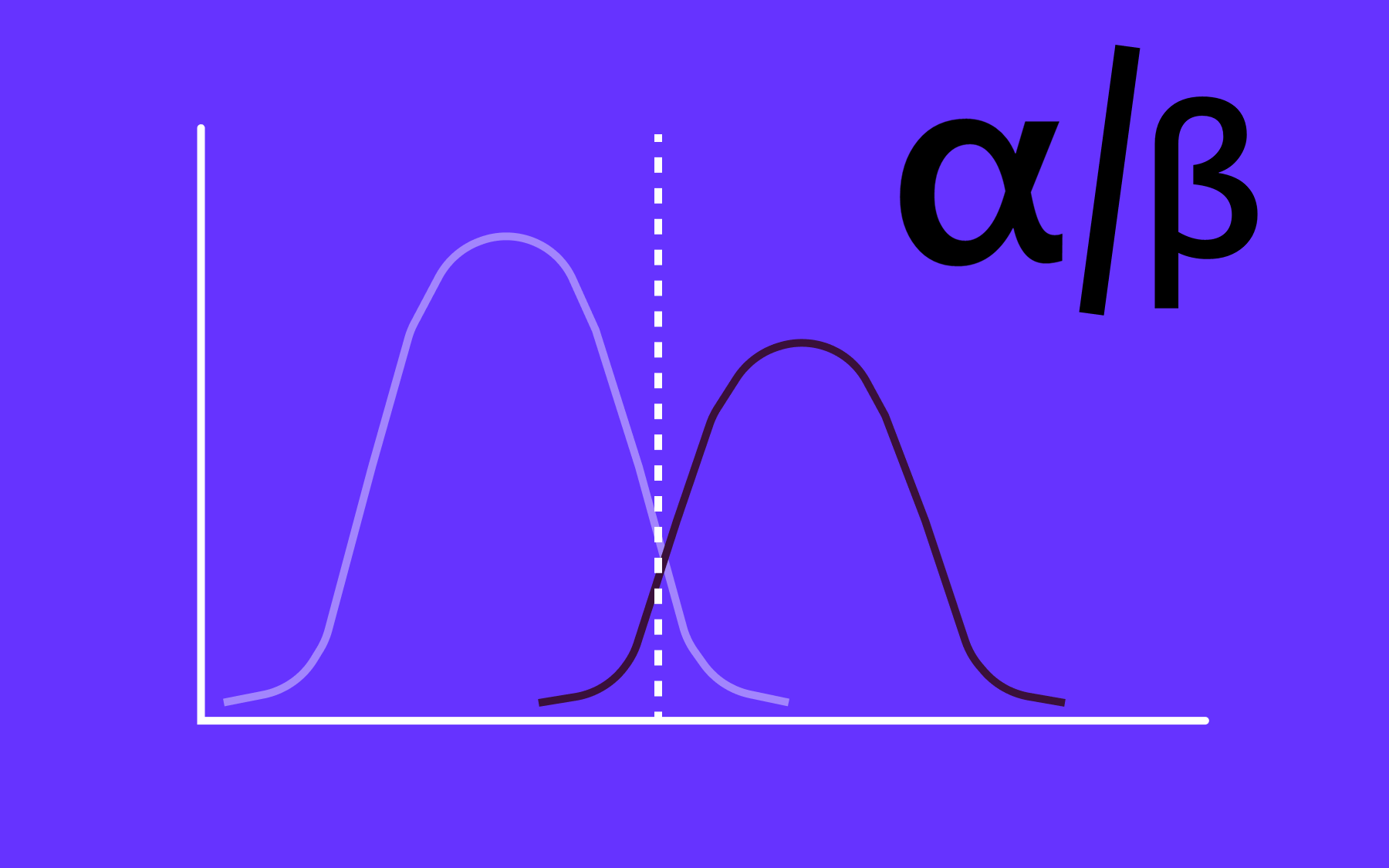
The 2024 DORA State of DevOps report found that elite engineering teams deploy on demand and maintain a change failure rate of 0–15%. The insights have consistently shown that speed and stability reinforce each other at the top.
Teams that invest in streamlined processes and clear release management tend to ship more frequently and more reliably, so don’t treat careful release management as a brake on velocity.
How analytics improve release decisions
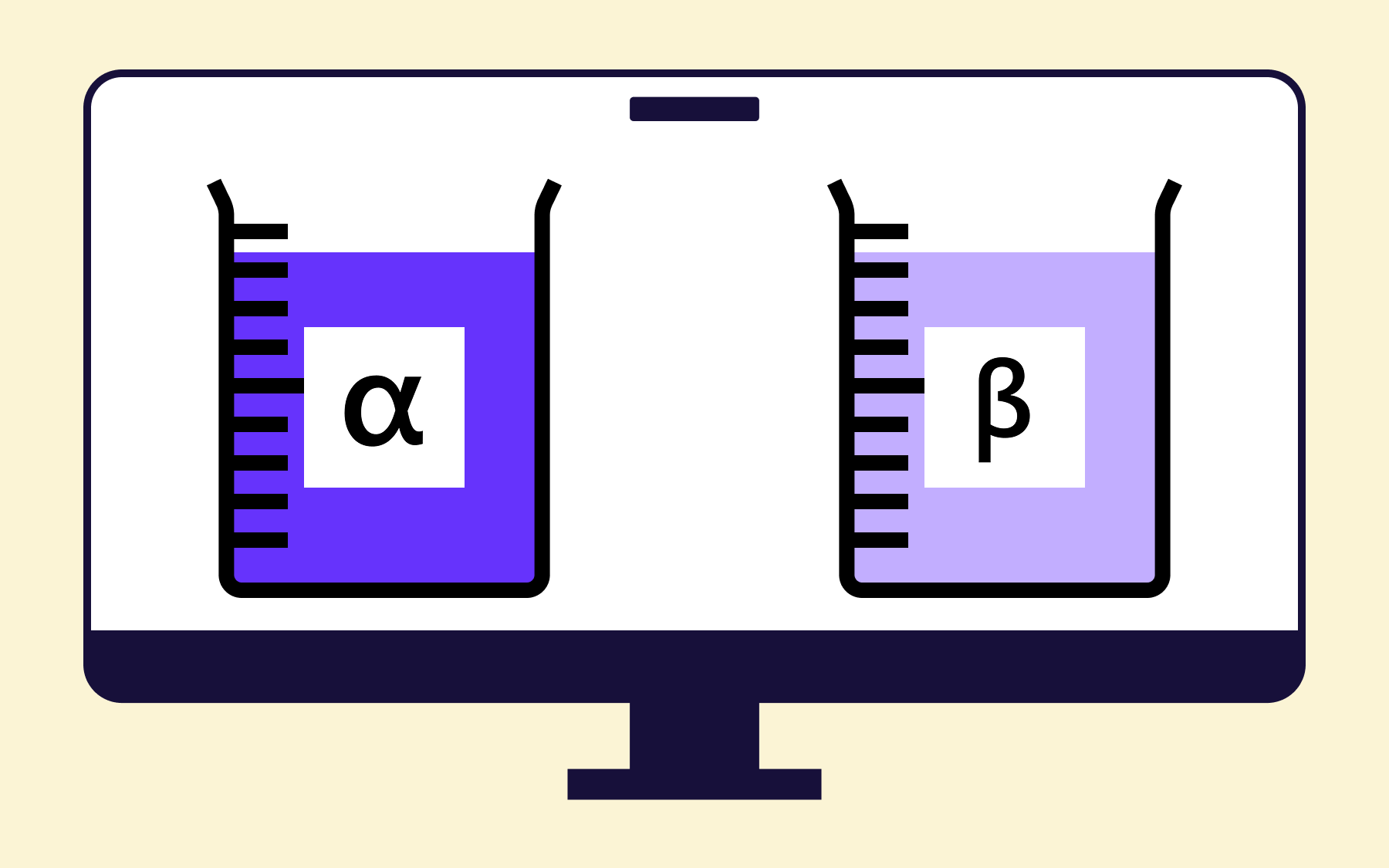
Releasing without measurement is just shipping and hoping. Analytics are what turn it into a decision-making system—and the difference between teams that iterate confidently and teams that release and hope.
During a canary release or phased rollout, these are the questions to ask to ensure you follow best practices:
- Is the error rate increasing?
- Is latency climbing?
- Are users who received the new feature behaving differently from those who didn't?
- Are they completing key actions at the same rate?
Based on the answers, you can determine whether you expand the rollout, hold, or roll back.
Having a pre-agreed threshold—defined before the release begins—means you're making those calls on logic rather than gut feel, under conditions where gut feel tends to be optimistic.
When feature flags control feature visibility and you can instrument usage at the flag level, you get a direct line of sight between a release decision and its measurable impact.
Release management tools like Flagsmith's analytics and targeting capabilities support this: you can see which users have been exposed to a flag, correlate that with downstream behaviour, and make an informed call on whether to proceed.
This closed loop—release, observe, decide, adjust—is the foundation of continuous improvement in any release process.
User feedback is part of this loop, too.
Early access programmes, in-app surveys, and support analysis all contribute to the same picture. With them, you can build a richer understanding of how new functionality is landing with the people it's meant to serve, so that future releases are more informed than the last.
Choosing a release strategy that fits your team
Canary releases and phased rollouts suit most teams shipping product features at pace.
Ring deployments add structure for regulated environments or high-stakes changes.
Dark launches give you the flexibility to separate shipping from announcing.
If none of that applies—where the change is small, low-risk, and well-tested—a direct release is an option.
Understanding the distinction between deployment and release is what unlocks your team’s ability to use these approaches without overhauling your infrastructure.
Feature flags are the practical mechanism that makes all of it work—enabling teams to ship code continuously while releasing deliberately, rolling back in seconds rather than hours, and building feedback loops that make every release smarter than the one before.
Overall, this means a faster time to market for your features and products, and continuous integration with your live product, without risking downtime.
If you're looking to get started, Flagsmith offers feature flagging and percentage-based targeting that supports all of the strategies covered here.
You can sign up for free and start creating flags in under five minutes.

























OpenTelemetry, without the vendor lock-in: Introducing full observability for Open Source and Self-Hosted Flagsmith customers