Three teams. Eight hours. Three amazing features: Flagsmith’s 2026 Lisbon Offsite and Hackathon

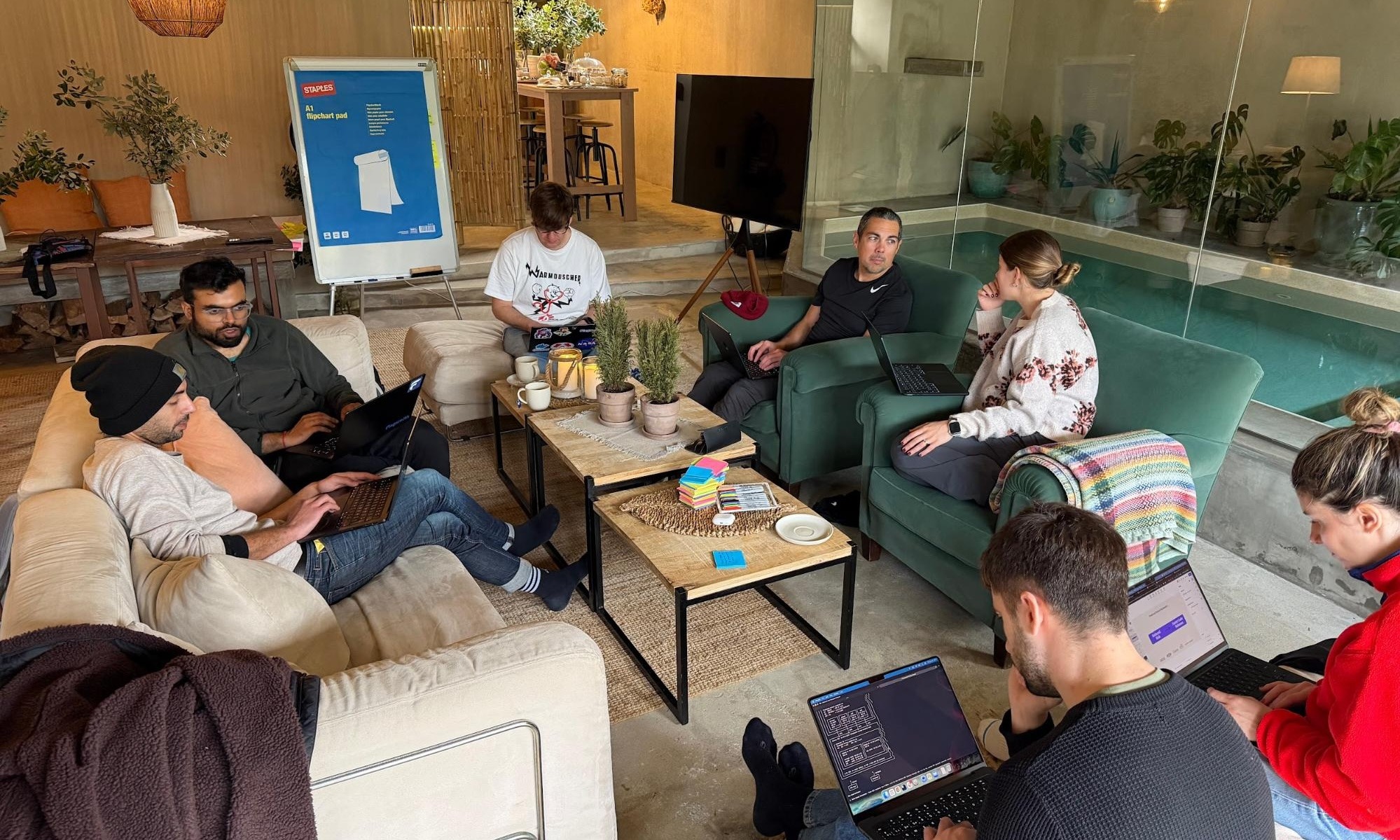
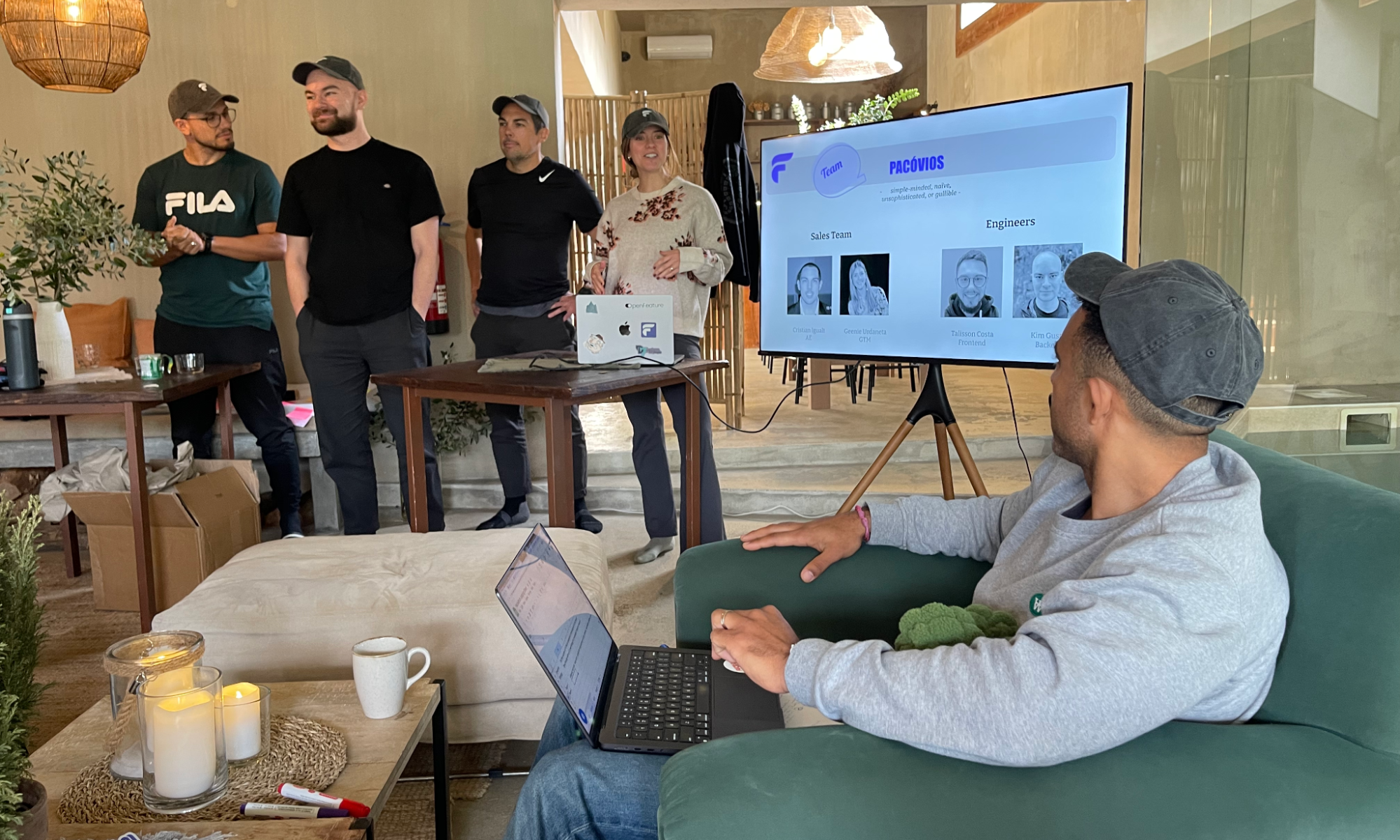
Our team is spread across the globe. We’re fully remote, which means getting together at least once a year in person is incredibly important for team connection and morale—and for creating another year’s worth of inside jokes. This year, we got to meet up in beautiful Lisbon, specifically in the coastal town of Azenhas do Mar. It was a rain-filled week, but fortunately, the area we were in was not as impacted as other parts of Portugal. The weather also meant our team spent a lot of quality time indoors, with just a dash of Olympic curling thrown in, too.
A big component of the week was a company-wide hackathon where we got to put our product iteration approach into practice. “Walk the walk” and all that. The goal was to drive impact in one of three product themes—continuing to help large enterprise teams, solving developer pains, and driving the use of quick product iteration and experimentation. The last item is not only a product focus but a cultural one. We want to showcase how we can help teams drive agile product iteration using AI-led coding and experimentation to improve their products. We realise a lot of companies are struggling with the last one, and it was a way to help showcase how feature flags can help.
Teams of four, made up of one Frontend Engineer, one Backend Engineer, and two folks from Go-To-Market (Customer Success, Sales, or Marketing) had eight hours across three days to create something that would have real impact for our customers.
Putting our money where our mouth is: shipping straight to production
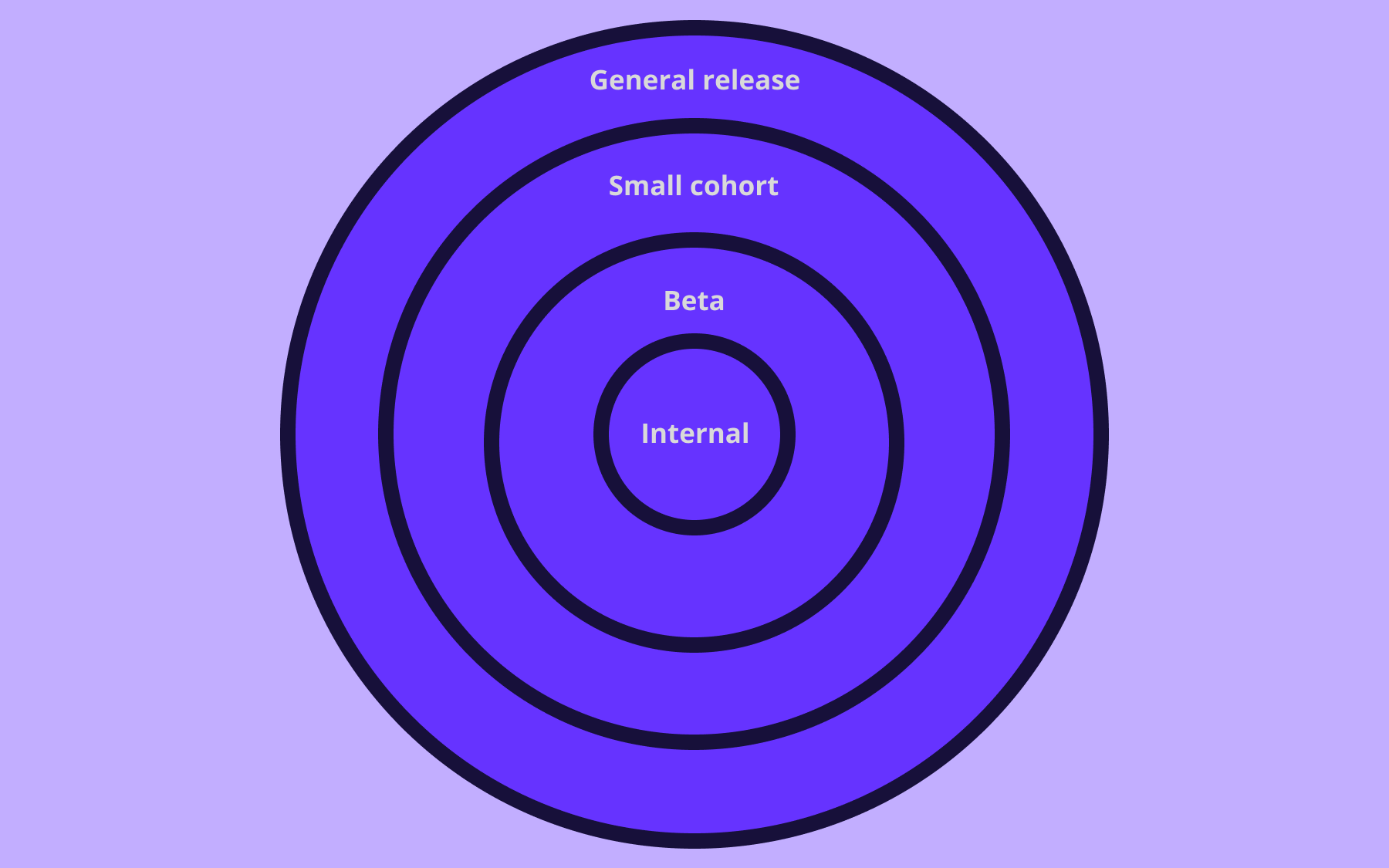
The hardest and most important requirement of the week was that whatever was built had to be launched directly into production. We talk about this all the time as a best practice: a way to test with a low blast radius and iterate quickly, but as soon as this became real, I realised how truly scary it can be. What if we introduce a bug? What if we negatively impact our codebase? What I loved about this was that even those internal team members who are typically more cautious pushed us to move forward with this approach. We launched directly into our production environment!
Vibe coding for engineers
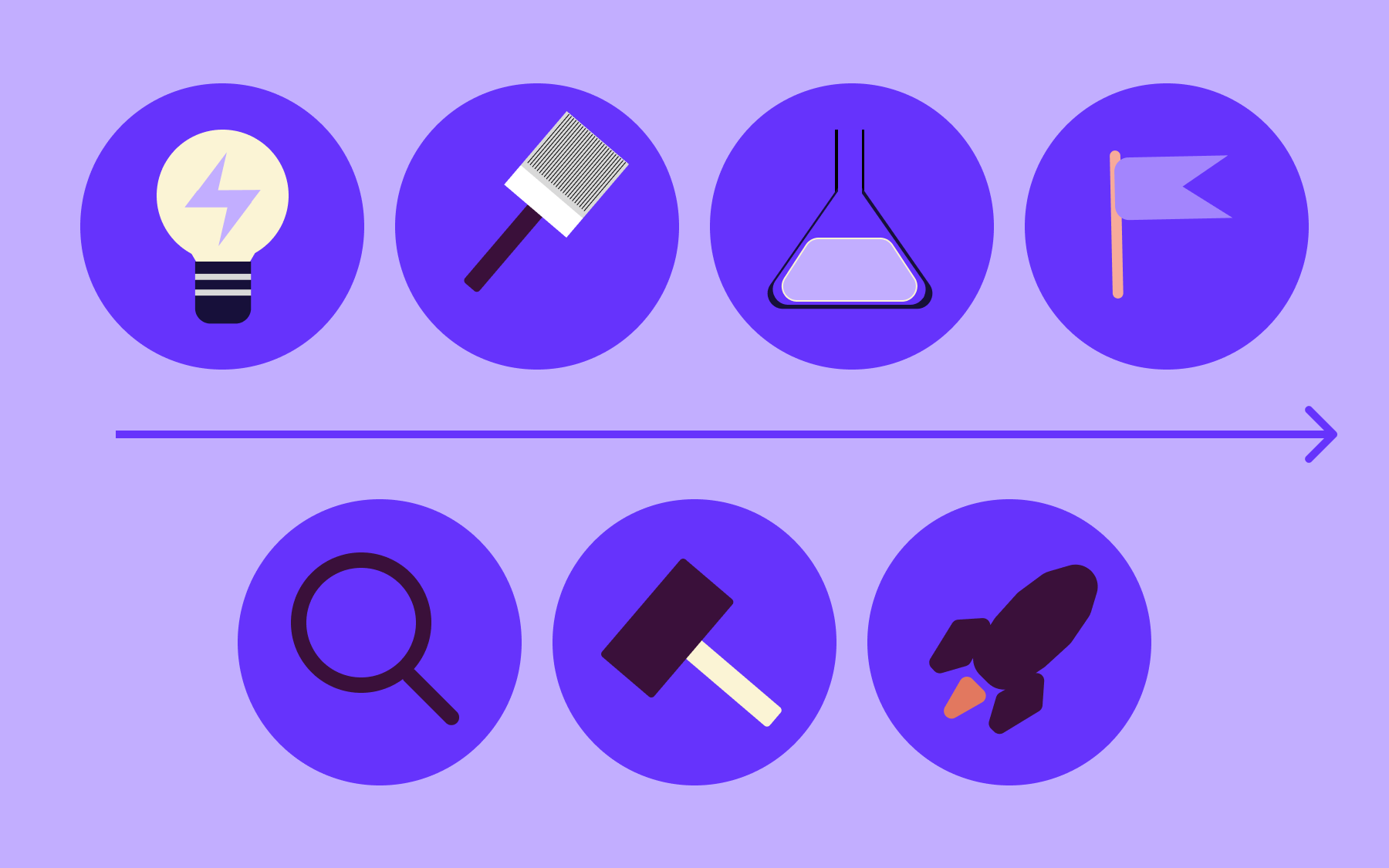
Regardless of how you see it playing out, AI has changed the modern development process. It’s our job to experiment with it and keep pushing ourselves. Teams started by identifying which area they wanted to focus on and then brainstorming around where they could have the most impact in the amount of time given. Could they create a feature or feature improvement that we would actually want to productise?
Of course, Claude Code helps make this easier. As a company, we are leaning into the same practices we recommend to our customers: AI-led code helps with super-fast feature creation and iteration, and feature flags allow for safe rollout and experimentation. Once a “test feature” has been launched, we sit back and watch the results. If they’re favourable, we bring it back in for the engineers to develop and productise.
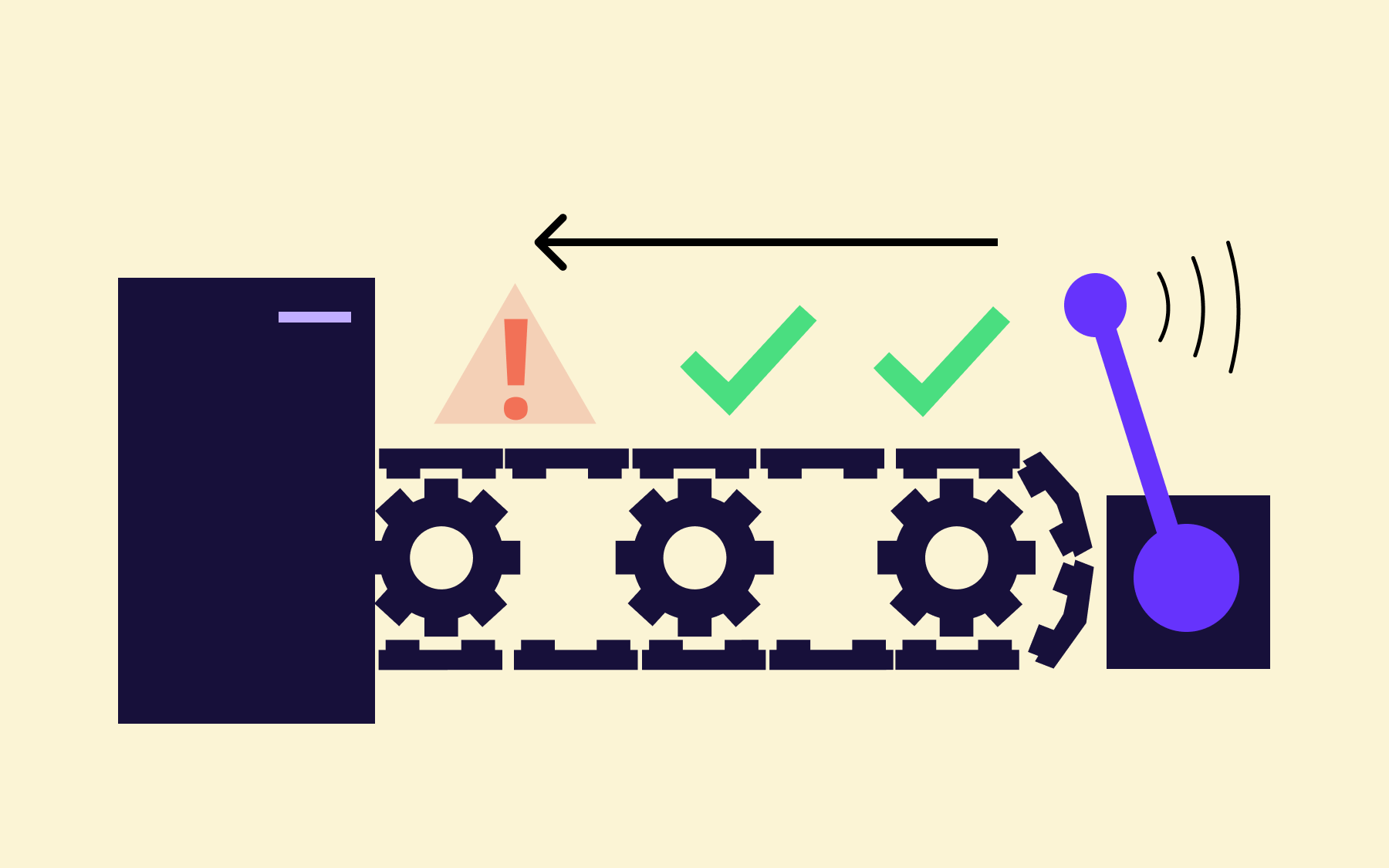
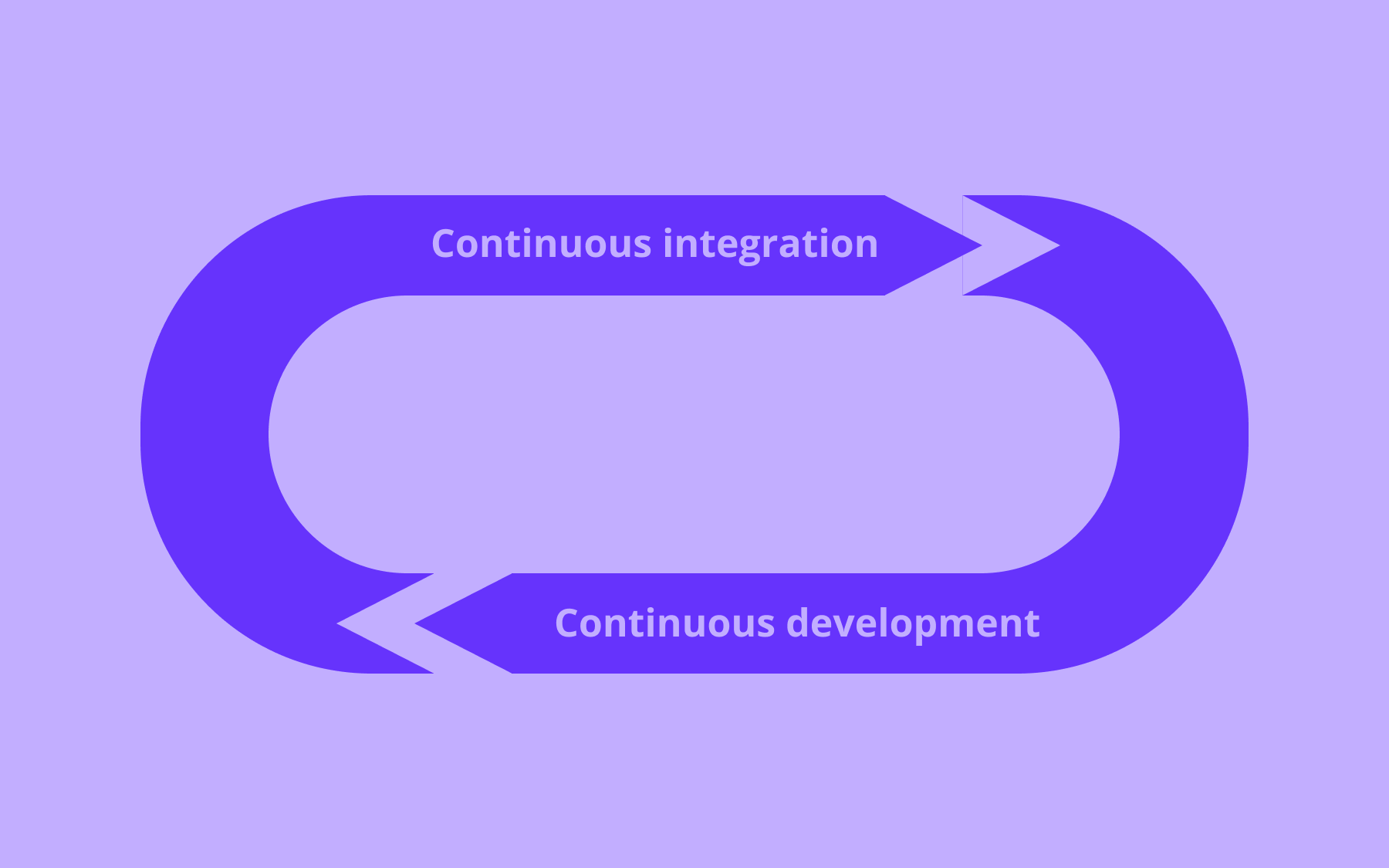
Claude Code meant we could have both technical and non-technical users contributing code. The work of getting something built was easy, but the act of integrating it and releasing it was the next challenge. Integrating that code had challenges with working through our end-to-end tests. As the deadline approached, we spent the last hour integrating everything to get it streamlined for production.
The results
Three teams. Eight hours. Three amazing features. We did it!
Honestly, one of the most important parts of this exercise was that it allowed us to focus on empathy for our customers. The teams not only worked on the code, but how to ship it and package it. All team members got to experience first-hand how our customers are using feature flags for faster and safer releases.
We also had some new team members who got to instantly dive into our product and get connected to the space. It gave our go-to-market team a lot of empathy for the workflow of our engineers. They rarely get exposed to the development process in our remote world. It also gave our engineers more exposure to go-to-market in how we have to package, position, and potentially sell the products we create.
In the end, we had three successful features that we’ll get customer feedback on and integrate into our product. If you’re looking to start your journey with product iteration, here are a few useful tips
- Don’t be afraid to launch directly in production. Put it behind a flag early on and allow your team to validate a new concept with real data.
- Using AI can help get an idea out there to validate your approach. Sure, you’ll have to tweak it later, but it’s worthwhile to get real feedback before you invest time in polishing it.
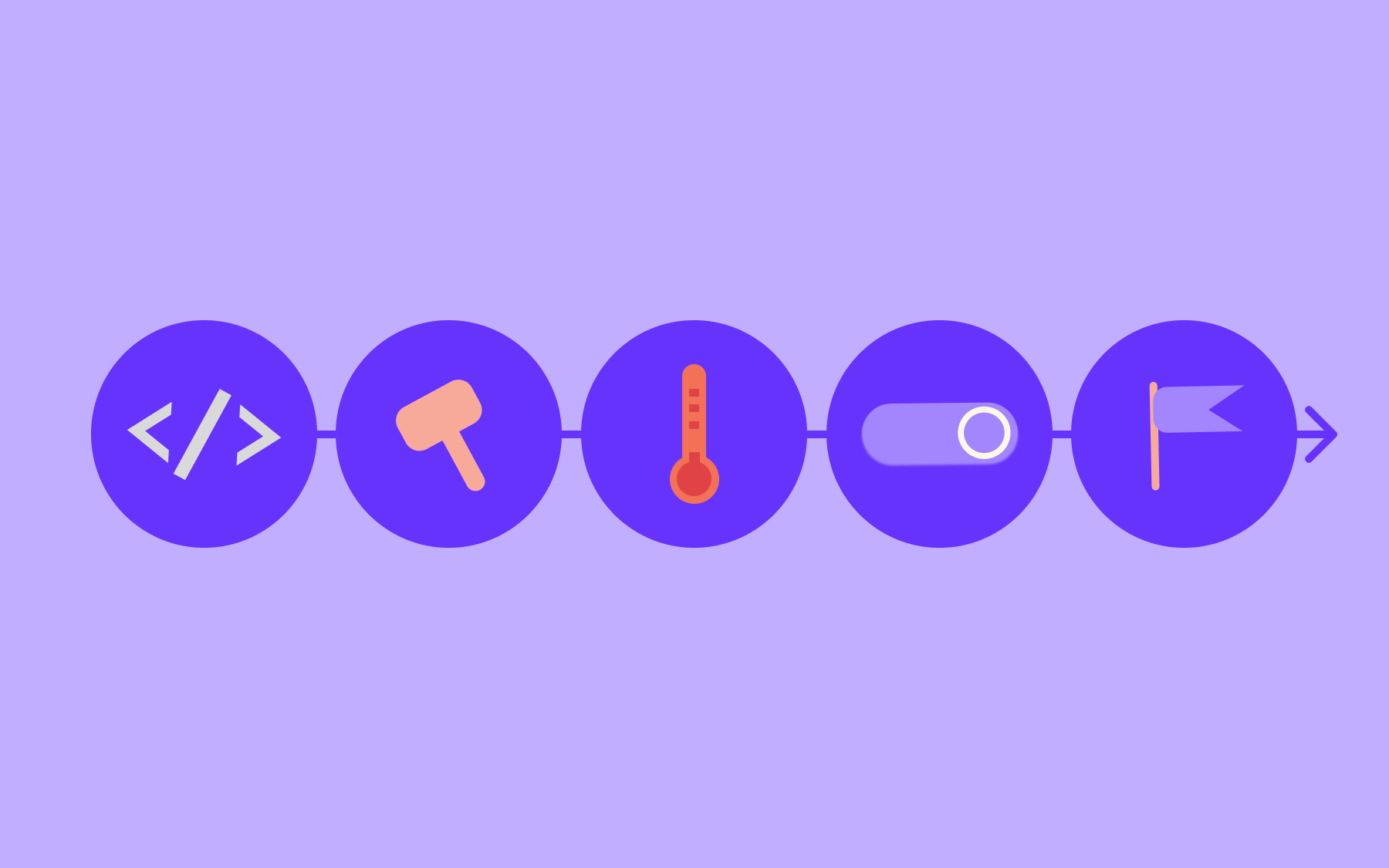
- AI makes it easier to get something built, but work hard on integrating it with your own development best practices. We focused on branch naming convention, tagging branches, and making sure the code passed all of our end-to-end tests.












OpenTelemetry, without the vendor lock-in: Introducing full observability for Open Source and Self-Hosted Flagsmith customers