Server Side Testing: What It Is and How to Do It Right With Feature Flags

Server-side testing is the method development teams use to experiment with the parts of an application a browser never sees: pricing logic, search algorithms, backend workflows, and anything else that lives behind the feature flags or config that controls it.
As web applications have grown more complex, teams need more sophisticated tests to validate new features. Server-side methods enable them to run advanced tests that a simple JavaScript snippet in the browser could never reach.
This article covers what server-side testing is, how it differs from client-side testing, and the practical steps involved in running a test on the server rather than in the browser.
It also looks at where feature flags fit into the process, since for a growing number of development teams, they're the mechanism doing the work.
What is server-side testing?
Server-side testing is a method of experimentation where the variation a user sees is decided and rendered directly on the web server, before the page or response ever reaches their browser.
Instead of a script rewriting content after the page loads, the server itself determines which version of a feature, page, or piece of backend logic a given visitor receives, then sends back the finished result.
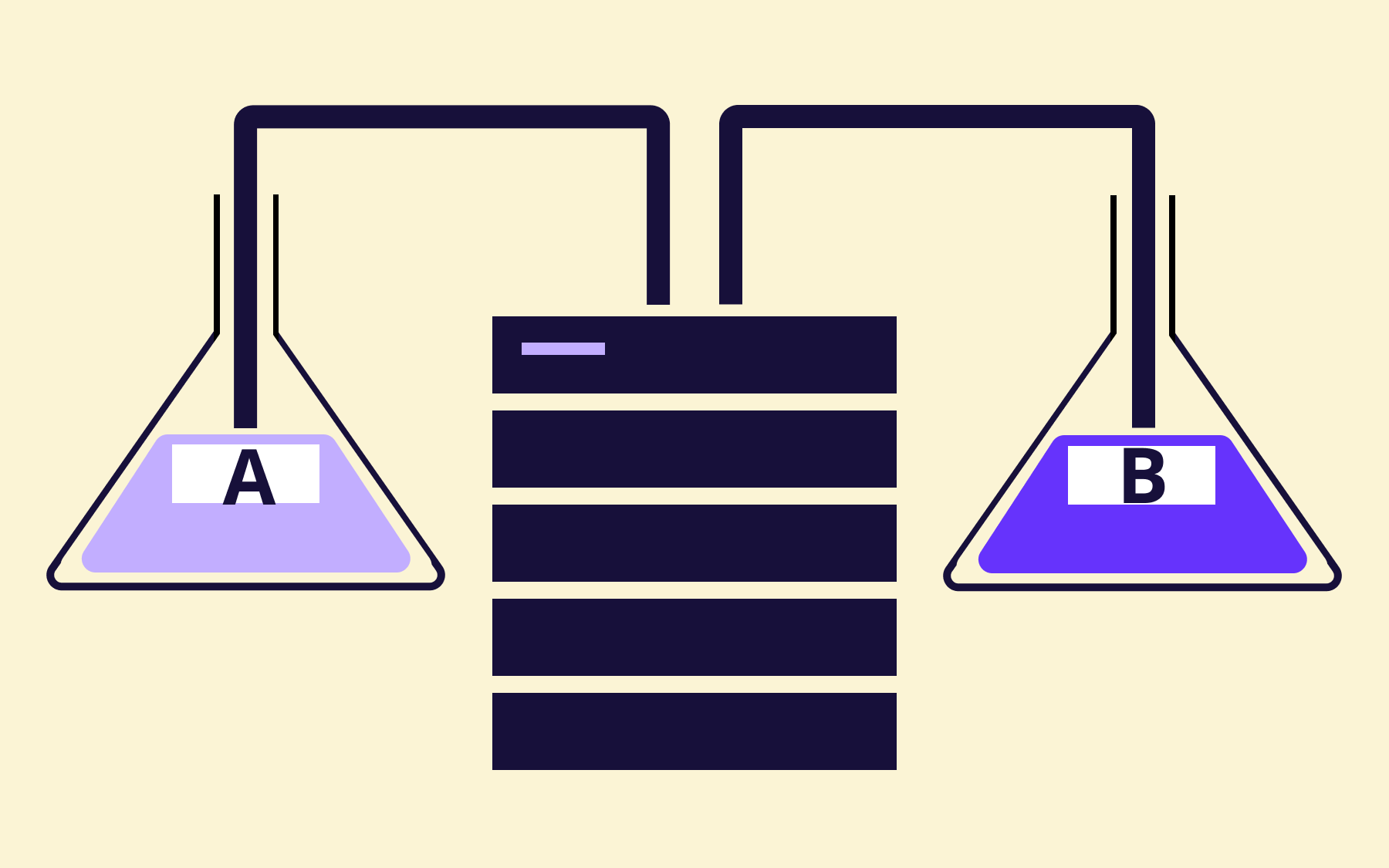
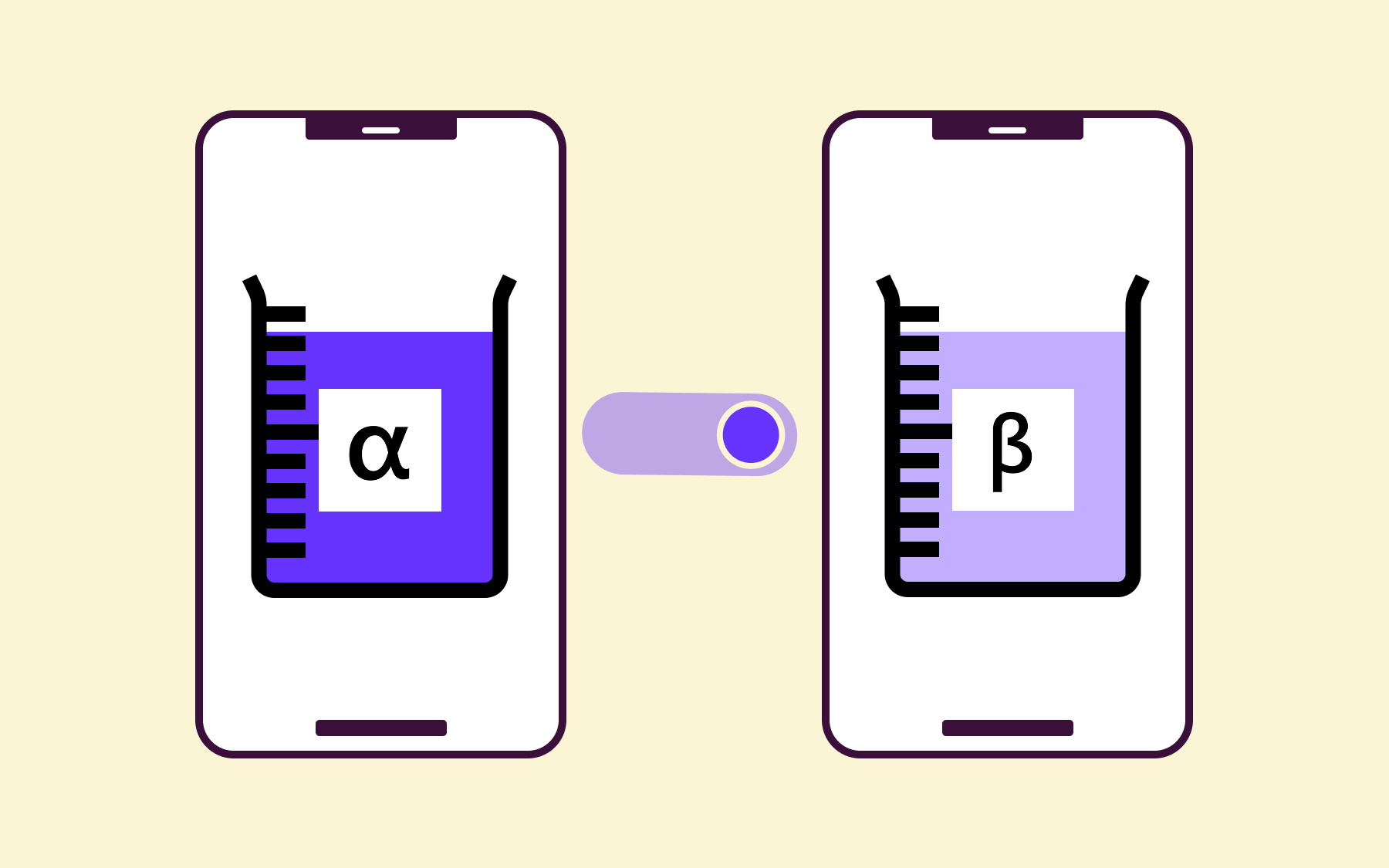
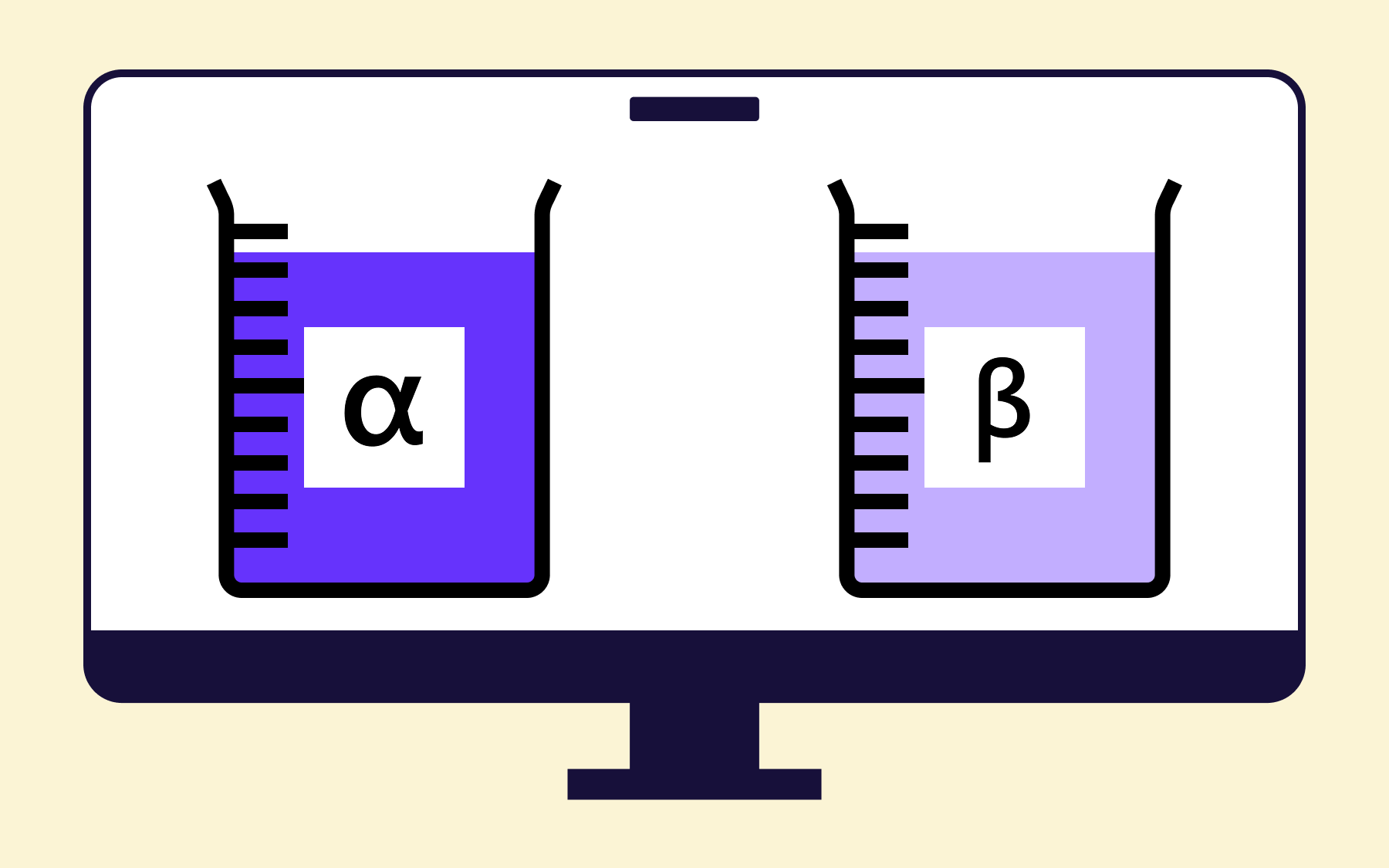
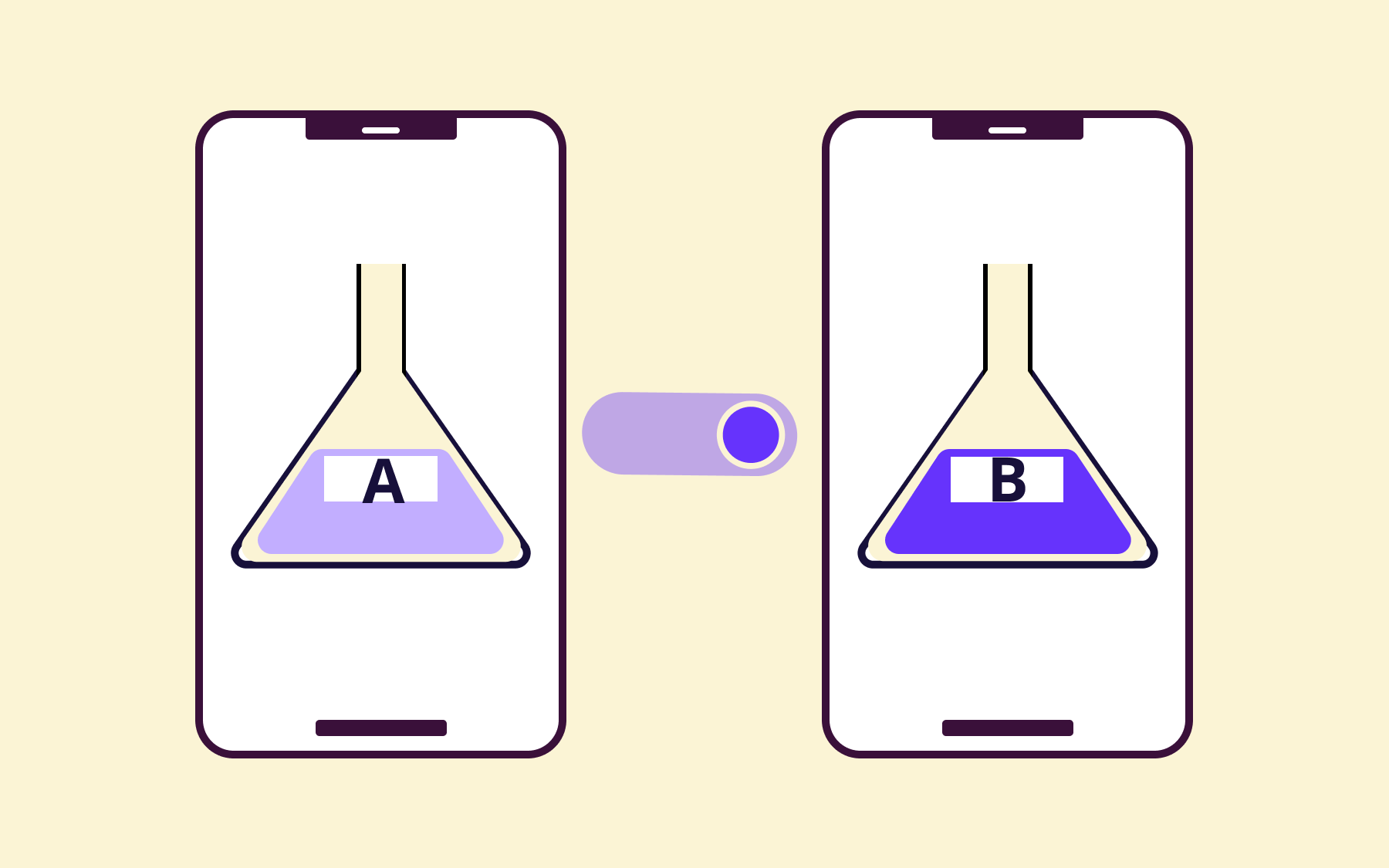
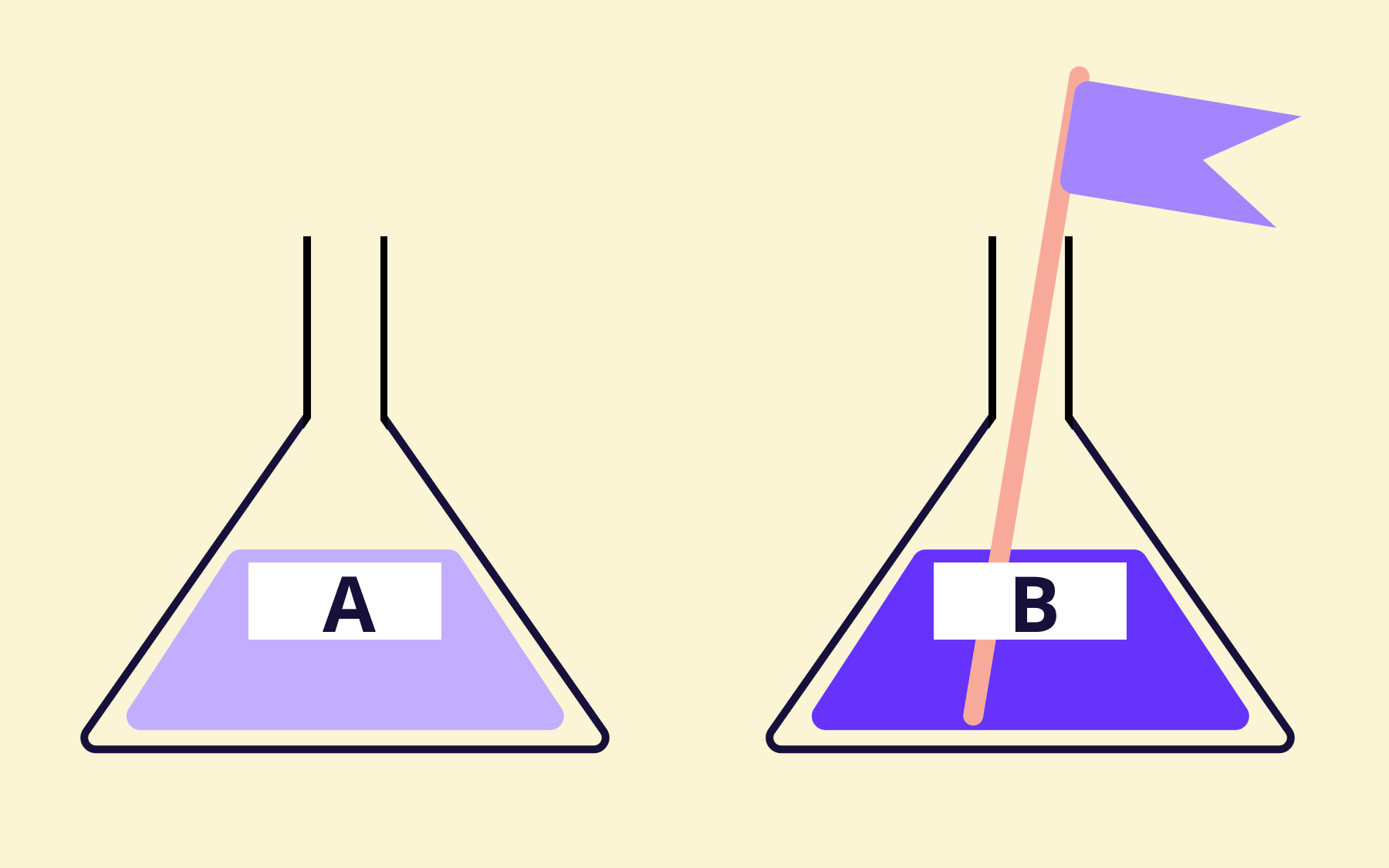
Server-side A/B testing refers to when two or more variations of something exist on the server, and a rule decides which one a user gets, with the choice being made before delivery rather than after.
A test confined to the browser can only touch what JavaScript can reach – i.e., mostly visual and interactive elements. A test run at the server level can touch anything the application's back end controls, including logic no user-facing script could ever access.
Server-side testing has become more common as applications come to rely on more backend logic: personalised pricing, algorithm-driven search results pages, and features that pull from multiple services before a page is even assembled.
None of that can be tested by rewriting HTML in a visitor's browser, which is exactly the gap server-side experimentation fills.
Server-side testing vs. client-side testing
Server-side testing and client-side testing solve the same underlying problem—working out which version of something performs better—but they do it in different places, for different audiences, and with different advantages and disadvantages.
Deciding between server-side vs. client-side testing starts with an understanding of where each one runs and what that location enables you to do.
How client-side testing works
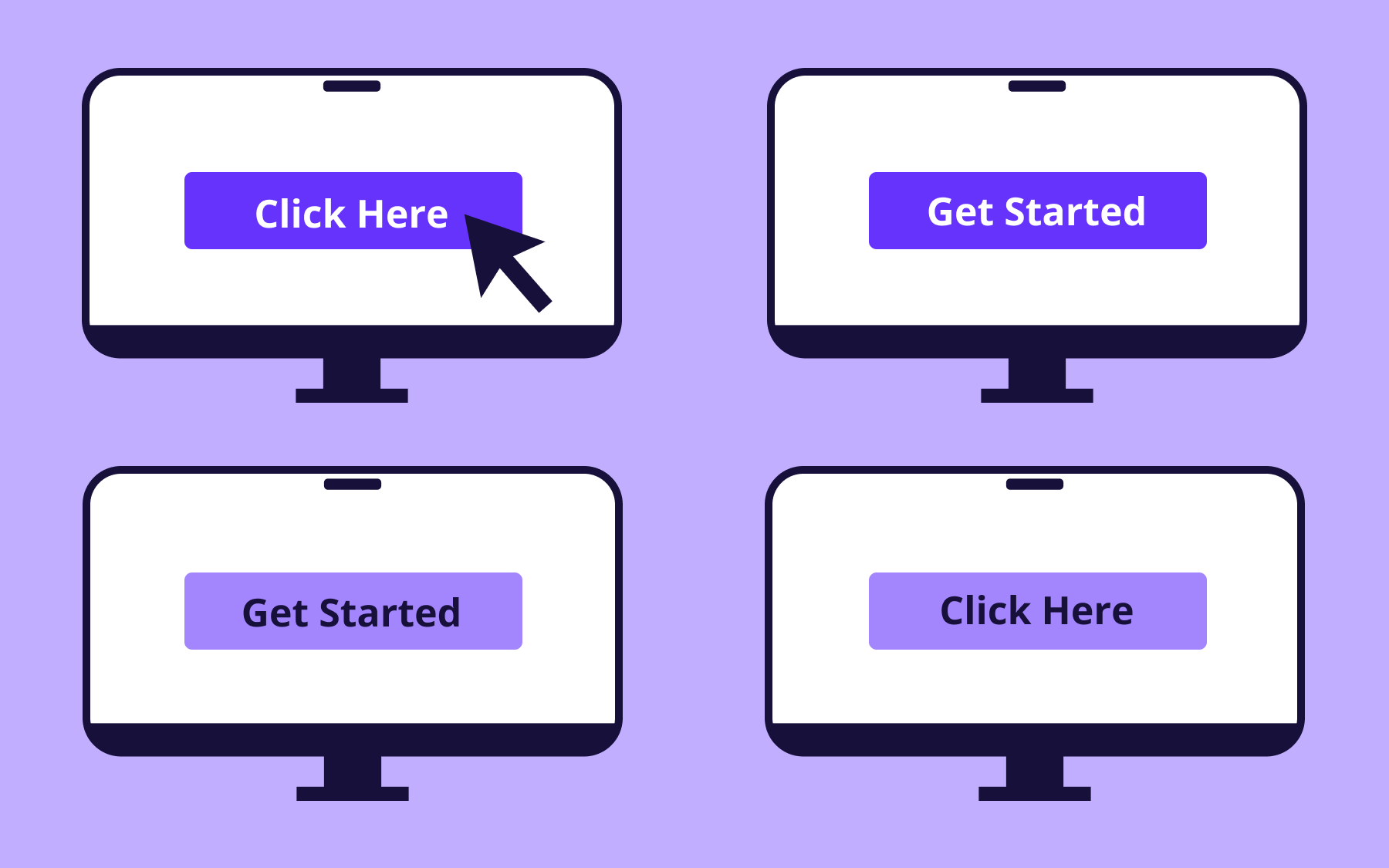
Client-side testing runs in the user's browser. The browser requests a page, the web server sends back a single default version, and a script, usually JavaScript, then rewrites parts of that page to create the test variation the visitor actually sees.
Because everything happens after the page has already loaded, client-side testing is well suited to marketing teams and product managers making small changes: swapping button copy, testing a new headline, or trying a different layout for a promotion. It doesn't require a developer to ship new code, and most testing tools built for this approach include a visual editor that makes small changes to dynamic content straightforward.
Where client-side testing falls short
The same browser-based approach that makes client-side testing accessible also limits it.
Because the original page loads first and the variation is applied afterwards, users can briefly see the untested version before the script swaps it out. Developers commonly call this the flicker effect, and beyond being visually jarring, it can skew results: a visitor who notices the page shift behaves differently to one who doesn't, which quietly distorts the data a test is supposed to produce.
Client-side testing also adds to page load time, since the browser has to download and run extra code before the final version renders.
Because the test logic lives entirely in the browser, it can't reach anything on the back end: no database queries, no third-party integrations, no server-side algorithms, and no API-level logic. It's built for the front end, not for testing how a product actually works underneath it.
Where server-side testing takes over
Server-side testing removes the flicker effect entirely, since the variation is already decided before any HTML reaches the browser.
There's no swap to notice, no shift in load time caused by client-side scripts, and no gap between what loads first and what the user is meant to see.
It also opens up an entirely different category of tests. Development teams can run tests in production against backend logic, algorithms, database queries, and third-party integrations – none of which client-side scripts can touch.
It makes server-side testing the natural choice when a development team, rather than a marketing team, owns the experiment.
Many teams run both: client-side tools for quick front-end iterations and server-side testing for anything that touches backend logic or needs to stay consistent across different platforms.
How server-side testing works
The general process behind server-side testing is similar across different implementations, even though the specific tools used change. Understanding the pattern is how to run successful server-side testing, regardless of which platform ends up running it.
- A user's browser or app sends a request to your web server or backend service, just as it would for any normal page load or API call.
- The server checks which test, if any, applies to this request, and which variation the user should receive. That decision typically depends on a stable identifier for the user, so the same person gets the same variation on repeat visits, and any targeting rules for specific user segments.
- The server renders or assembles the appropriate variation of the feature, page, or backend logic entirely on the server side.
- The finished result is sent to the client's browser or app as a single response. No further changes happen after delivery, so there's nothing left to flicker.
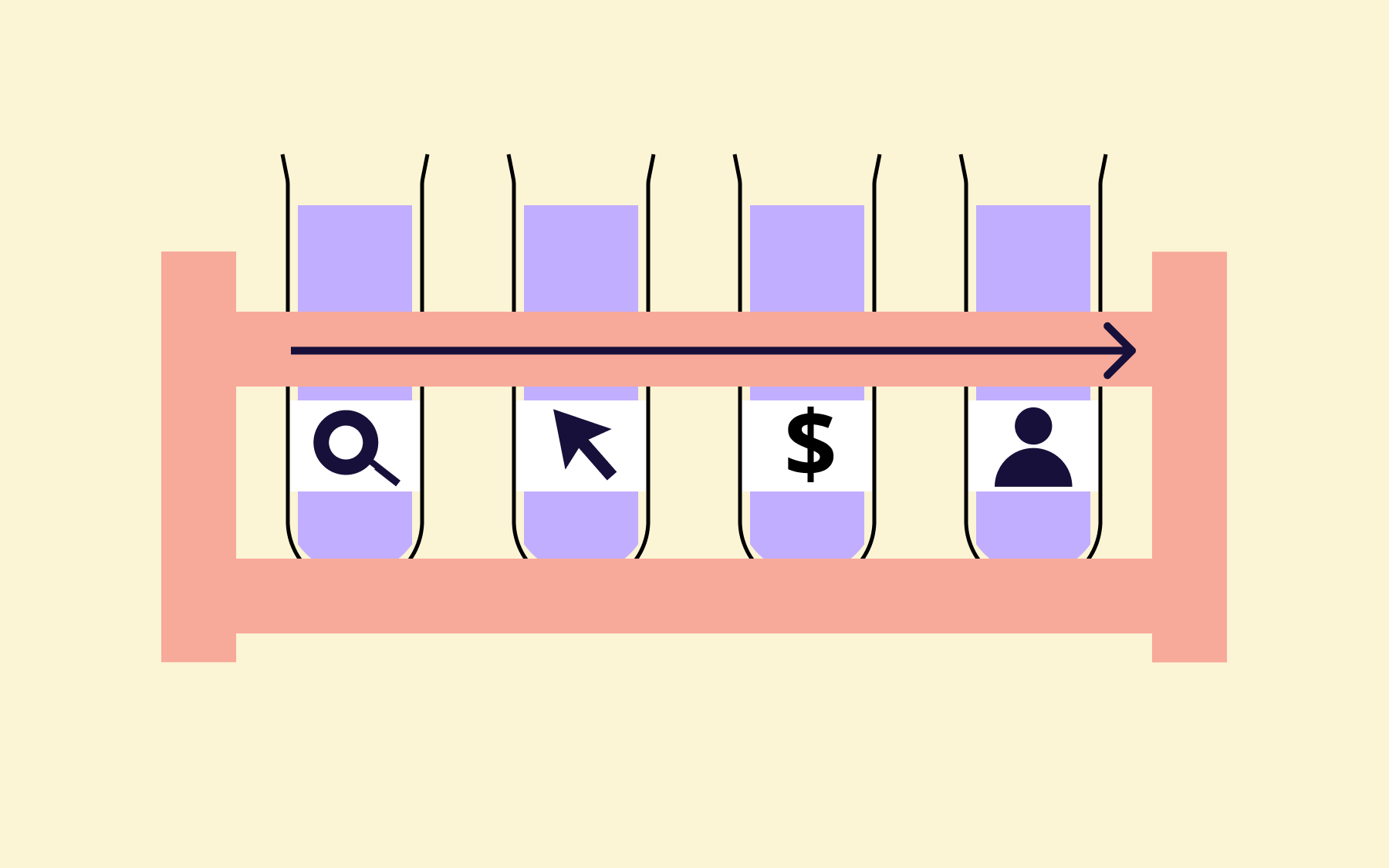
- The user's interaction with that variation, along with any direct user feedback, is logged, feeding into the data you'll use to determine which version performs better.
Running server-side tests safely
Consistent bucketing is what keeps a server-side test reliable. If a returning user is assigned a different variation on their next visit, your data stops meaning anything, so the assignment logic needs to key off something stable, like a user ID or a persistent identifier, rather than being re-rolled on every request.
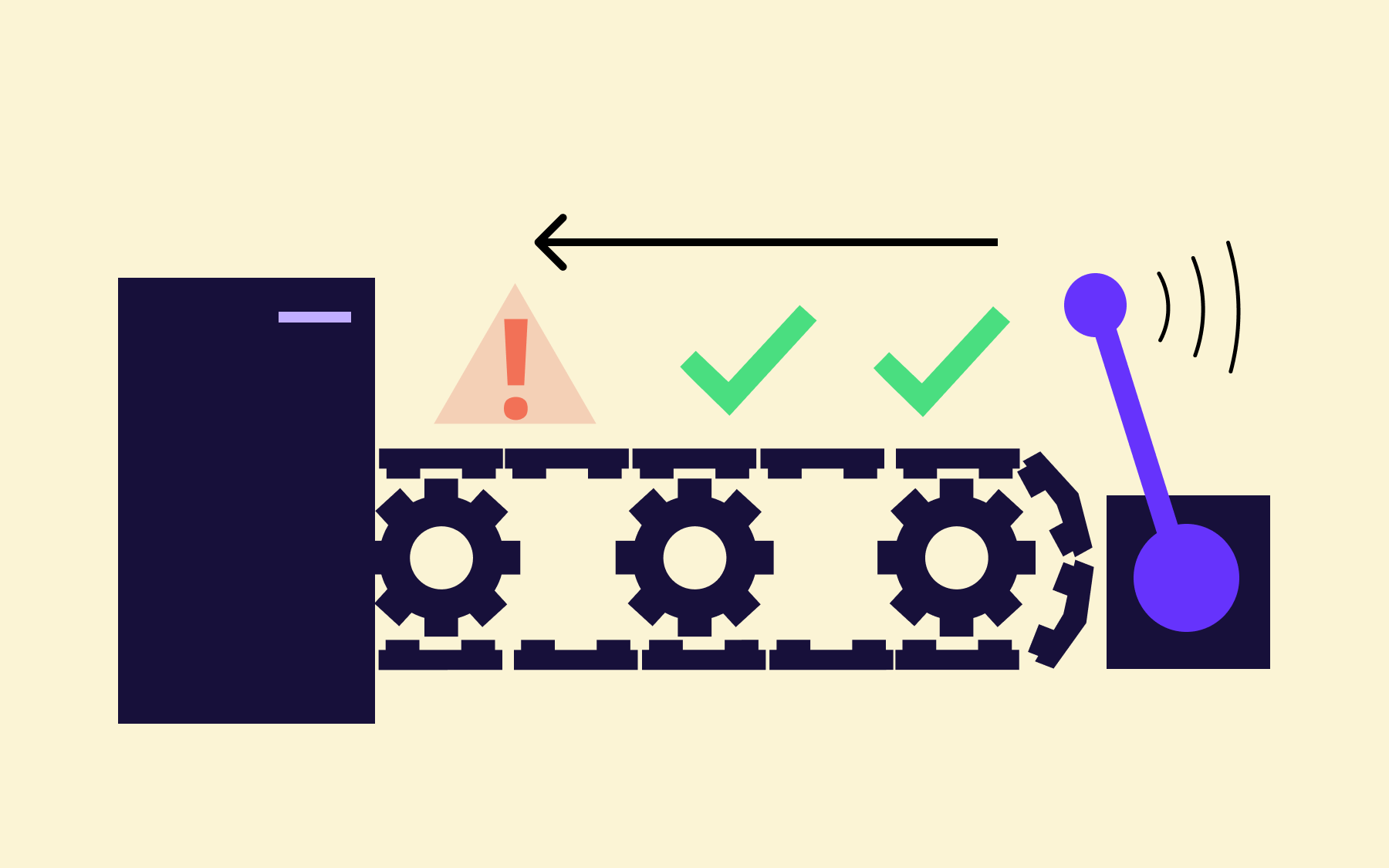
It's also worth building in a way to end a test quickly. If a variation turns out to cause errors, hurt conversion rates, or behave unexpectedly under real traffic, you want the ability to switch every user back to the original version immediately, without waiting on a new deployment.
A feature-flag-based approach to server-side testing has a genuine advantage here over methods that require you to redeploy code to make a change.
Server-side testing methodologies
Most server-side tests fall into one of two categories, depending on how many variables you're comparing and how deep the insight needs to be.
Server-side A/B testing
A/B testing is the most common starting point: two variations of the same feature or piece of logic are shown to users simultaneously, with a single metric—conversion rate, error rate, or engagement—used to decide the winning variation.
Server-side A/B testing applies this same comparison to backend logic instead of front-end elements, whether that's a pricing algorithm, a checkout flow, a search ranking change, or a recommendation engine.
Multivariate testing
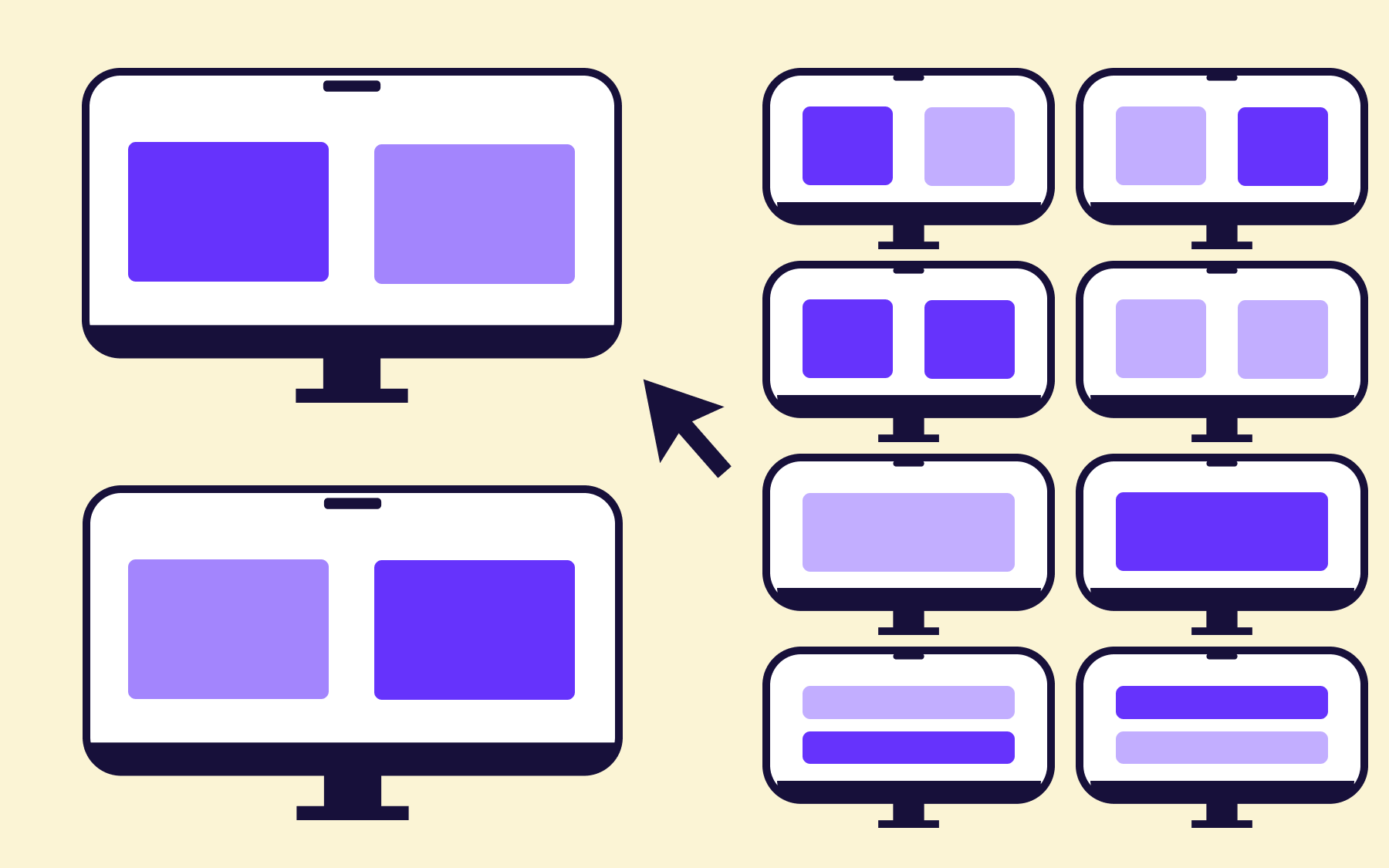
Multivariate testing compares more than two variations at once, often testing combinations of several changes together rather than a single change in isolation.
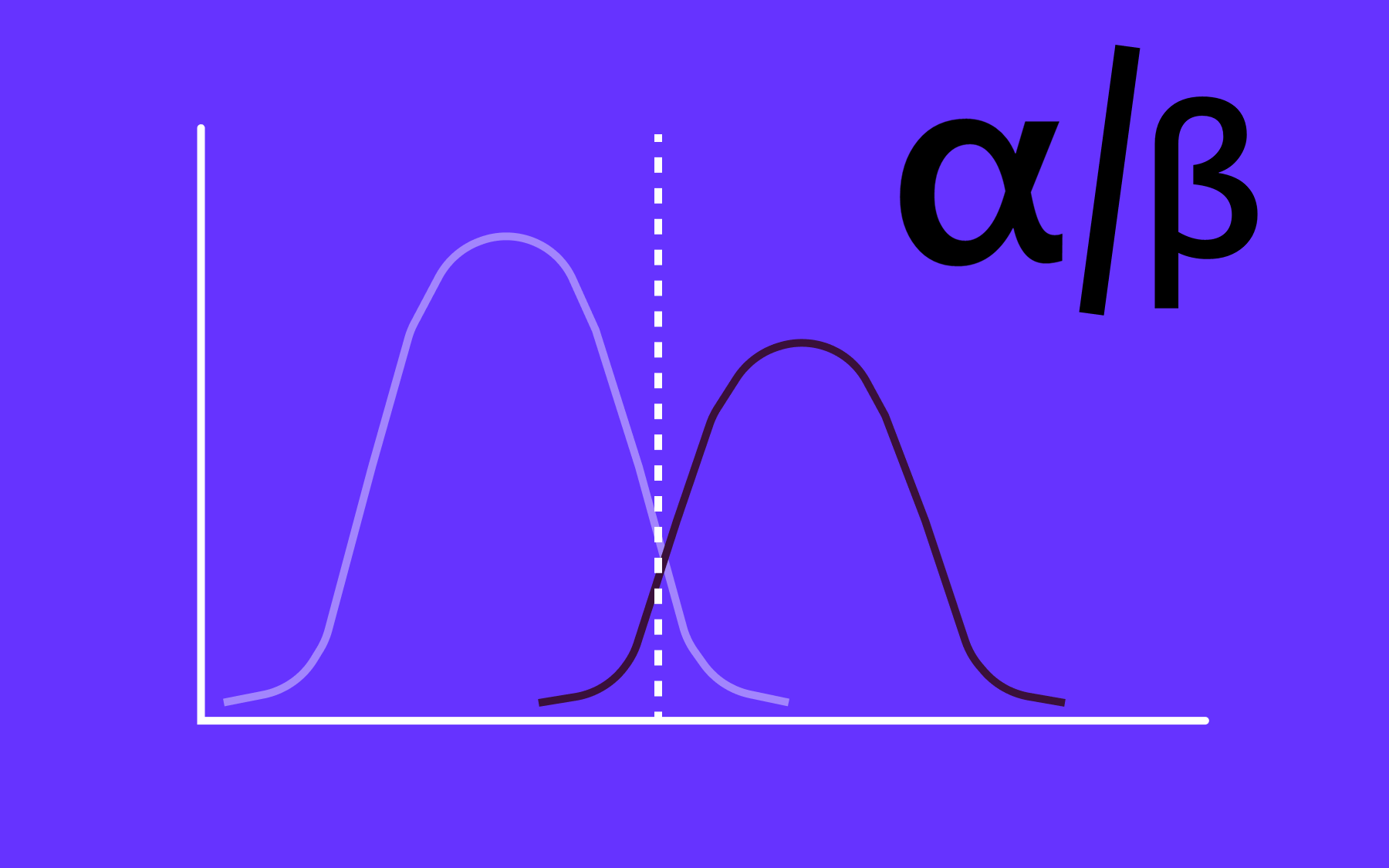
It produces deeper insights into which combination of elements works best, but it also splits your traffic into more groups.
To run a multivariate test well, you usually need either high traffic volume or a longer testing period to reach accurate results, which is why it tends to suit established features rather than early-stage ones.
Benefits of server-side testing
Server-side testing offers a handful of benefits that are difficult to replicate with a client-side approach.
- Data security. Because the test logic and any sensitive data involved never reach the client's browser, there's less exposed surface area for something to leak or be tampered with client-side. Server-side testing enables you to keep pricing rules, algorithms, and internal logic entirely on infrastructure you control.
- Deep insights. Testing at the server level means you can measure things a browser-based tool never sees, from database performance to backend response times to how a change affects the full stack rather than just the page.
- Minimal impact on the user experience. With the variation decided before delivery, there's no flicker effect and no added page load time from client-side scripts running after the fact.
- Consistency across different platforms. A server-side test can apply the same logic across web, mobile, and API clients at once, since the decision happens before the response goes out, not inside a browser-specific script.
Server-side testing tools
Server-side testing tools are found in more than one single product category. Broadly, teams pick between two approaches, depending on what you're actually trying to learn.
Dedicated experimentation platforms are built primarily around statistical analysis: calculating significance, modelling confidence intervals, controlling for false positives, and surfacing a winning variation with a defined level of certainty.
If your team's main need is rigorous statistical modelling across a large volume of product experimentation, a platform built specifically for that is often the stronger choice is you need deep analytics.
Feature flag platforms take a different route.
Rather than treating testing as a separate system, they let a development team run server-side experiments using the same flags they already use to control releases.
A flag with a percentage-based rollout or multiple variations becomes the mechanism for the test, evaluated on the server side as part of the request path, with no separate testing infrastructure to maintain.
A feature-flag-first approach generally gives developers more control over targeting and rollout logic, and it means the same tool that runs your test can also kill it instantly if something goes wrong.
What it doesn't always provide is the statistical sophistication of a platform purpose-built for experimentation. Plenty of teams end up using both: feeding flag-level test data into an existing analytics stack rather than treating the two categories as mutually exclusive.
Server-side A/B testing with feature flags
Feature flags are, at their core, a way to decouple what code is deployed from what a given user actually experiences.
When a flag has more than one variation, or a percentage-based split, evaluating that flag on the server becomes the mechanism for a server-side A/B test: the server checks the flag before responding, and the response reflects whichever variation the flag assigns to that user.
A simple example with Flagsmith
Flagsmith is an open-source feature flag platform that supports this pattern. A flag can be marked as server-side only, so it's evaluated entirely on the back end and never exposed to a client-side SDK, which keeps any sensitive logic attached to it off the browser altogether.
Using the Python SDK, evaluating a flag for a specific user looks like this:
from flagsmith import Flagsmith

flagsmith = Flagsmith(environment_key="FLAGSMITH_SERVER_SIDE_ENVIRONMENT_KEY")

identifier = "user-8214"
traits = {"plan": "enterprise"}

identity_flags = flagsmith.get_identity_flags(identifier=identifier, traits=traits)

if identity_flags.is_feature_enabled("new_checkout_flow"):
    variation = identity_flags.get_feature_value("new_checkout_flow")
    # Render the variation this user has been assigned
The variation is decided and rendered before anything is sent back to the user's browser, and the same flag evaluation can run identically from a mobile back end or another service, without duplicating logic per platform.
Why this is important for specific user segments
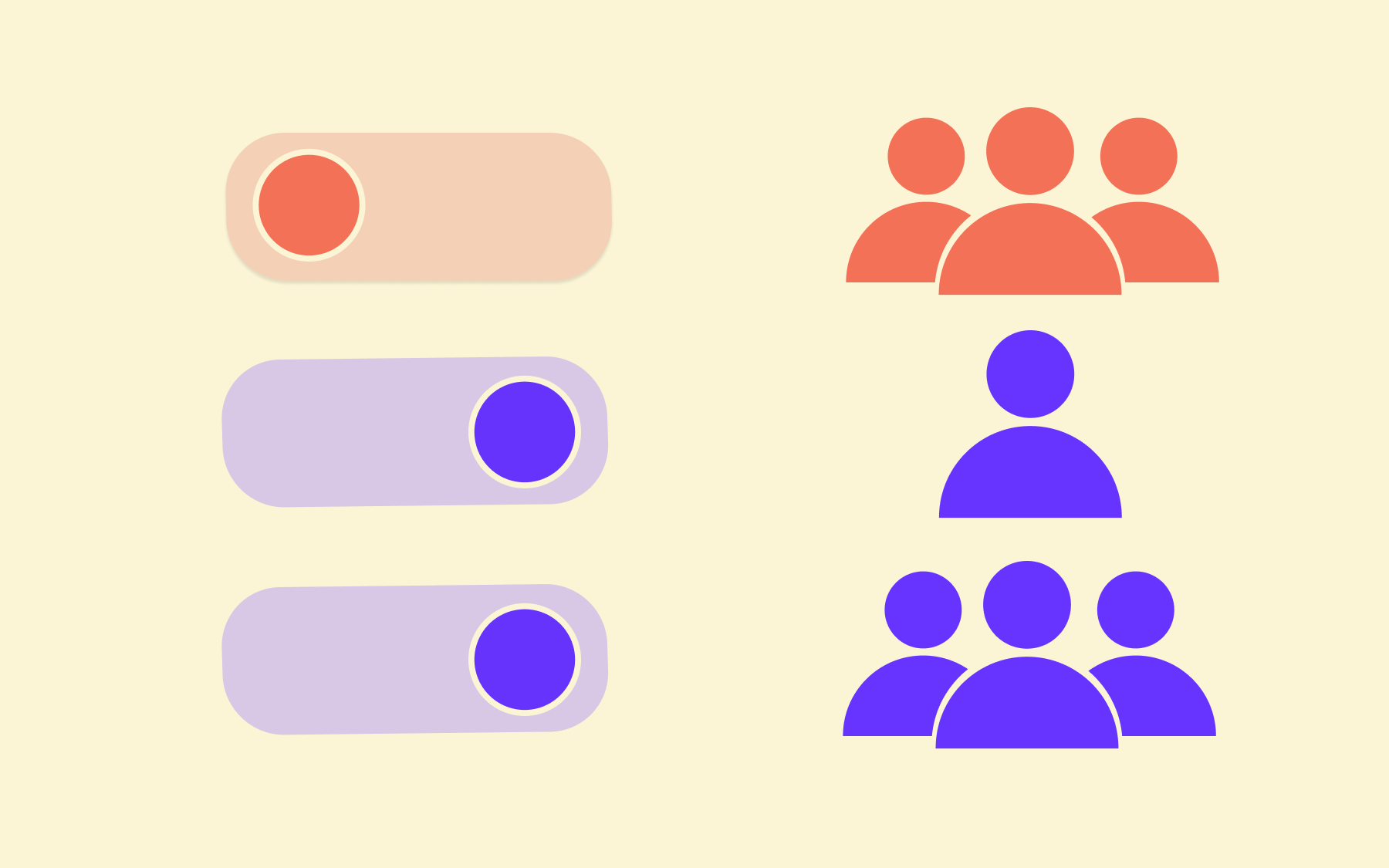
Flags evaluated on the server side can also target specific user segments based on traits like plan type, account age, or region, rather than splitting all traffic evenly.
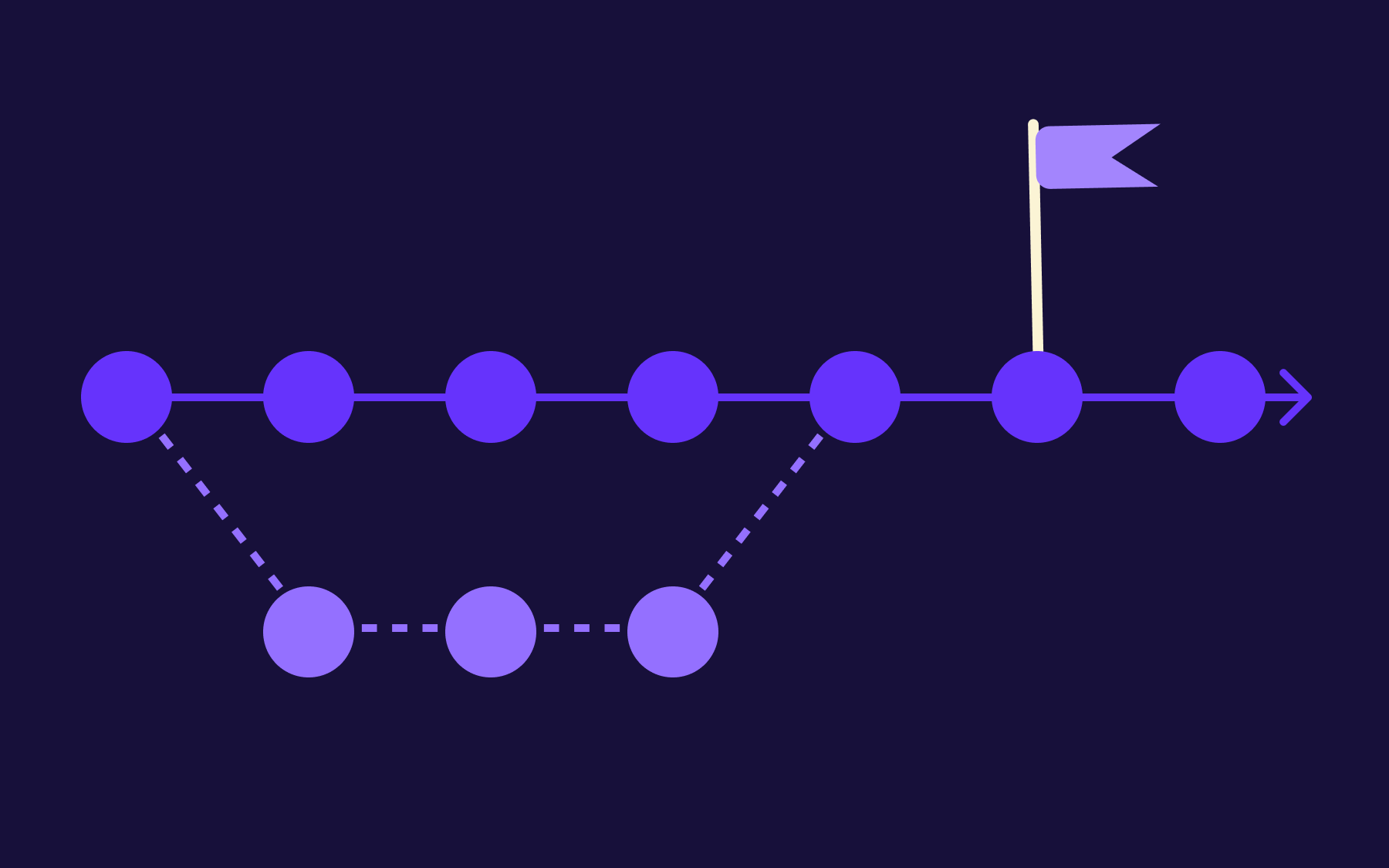
When combined with a percentage-based rollout, it gives a development team full control: a test can start small, expand gradually, be monitored continuously, and be switched off for everyone in seconds if the results turn out badly.
You can also use the same flag that ran the experiment as the kill switch.
Conclusion
Teams rely on server-side testing because modern applications have outgrown what a browser-based script can test.
This method removes the flicker effect, protects sensitive data and backend logic from ever reaching the client, and lets a development team validate changes with one consistent process across every platform a product runs on.
For teams already managing releases with feature flags, running that first server-side test can be as simple as adding a variation to a flag you're using today.
Sign up to Flagsmith to try server-side A/B testing with feature flags on your own application.
Server-side testing FAQs
Does server-side testing require developers?
Generally, yes. Because server-side tests touch backend logic and require changes to how the server responds to requests, a development team typically needs to be involved in setting up the test, even if a product manager or marketing team designs the experiment itself.
Can you combine server-side and client-side testing?
Yes. Many teams run both at once: client-side tools for quick, low-risk changes to layout or copy, and server-side testing for anything touching backend logic, pricing, or functionality that needs to stay consistent across different platforms. Running both isn't redundant, since they cover different parts of the application.
What is the quickest way to start server-side A/B testing?
The fastest path for most development teams is to reuse infrastructure they already have. If one of the A/B testing tools you're already using are feature flags to manage releases, adding a percentage split or multiple variations to an existing flag is usually a smaller lift than adopting a dedicated experimentation platform from scratch.




































OpenTelemetry, without the vendor lock-in: Introducing full observability for Open Source and Self-Hosted Flagsmith customers