What Is Feature Management and Why Does It Matter?

For most of software development's history, shipping a new feature meant one thing: a full code deployment. If something went wrong, the only path back was another deployment or a stressful rollback under pressure.
Feature management changes that equation entirely. In short, it's the practice of controlling when features in a software application become available and to whom, independently of when the underlying code is deployed.
This article covers everything engineering teams need to build a solid grounding in the topic: a feature management definition, how feature flags work as the underlying mechanism, the key rollout strategies available to development teams, the main benefits, and the practices that separate teams who do this well from those who accumulate technical debt and confusion.
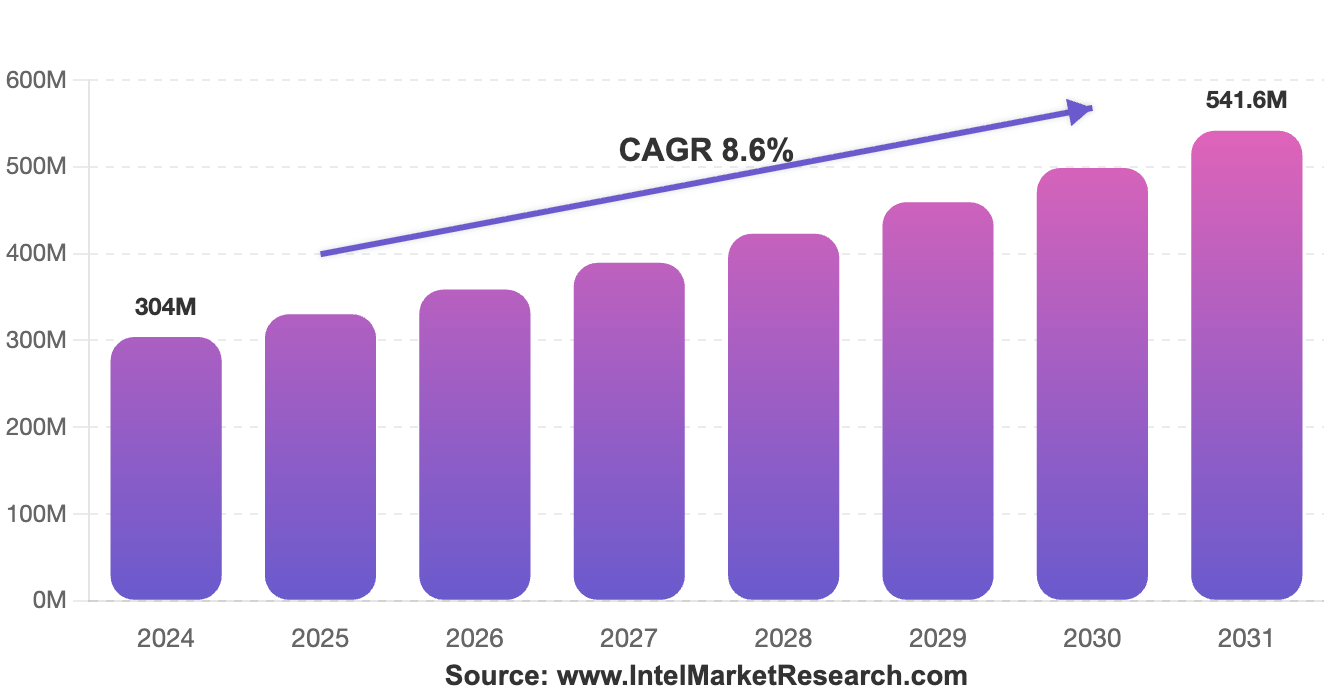
Software teams are already changing how they think about releases. The global feature management software market was valued at around $304 million in 2024 and is projected to reach almost $521 million by 2032—a compound annual growth rate of 8.6%, driven in large part by the rapid adoption of CI/CD pipelines and agile development across the enterprise.
What is feature management?
Feature management is the practice of controlling the availability and visibility of features within a software application by decoupling when code is deployed from when a feature is released to users. When it comes to feature management’s definition, that separation is the core idea. It represents a meaningful shift from how software has traditionally been shipped.
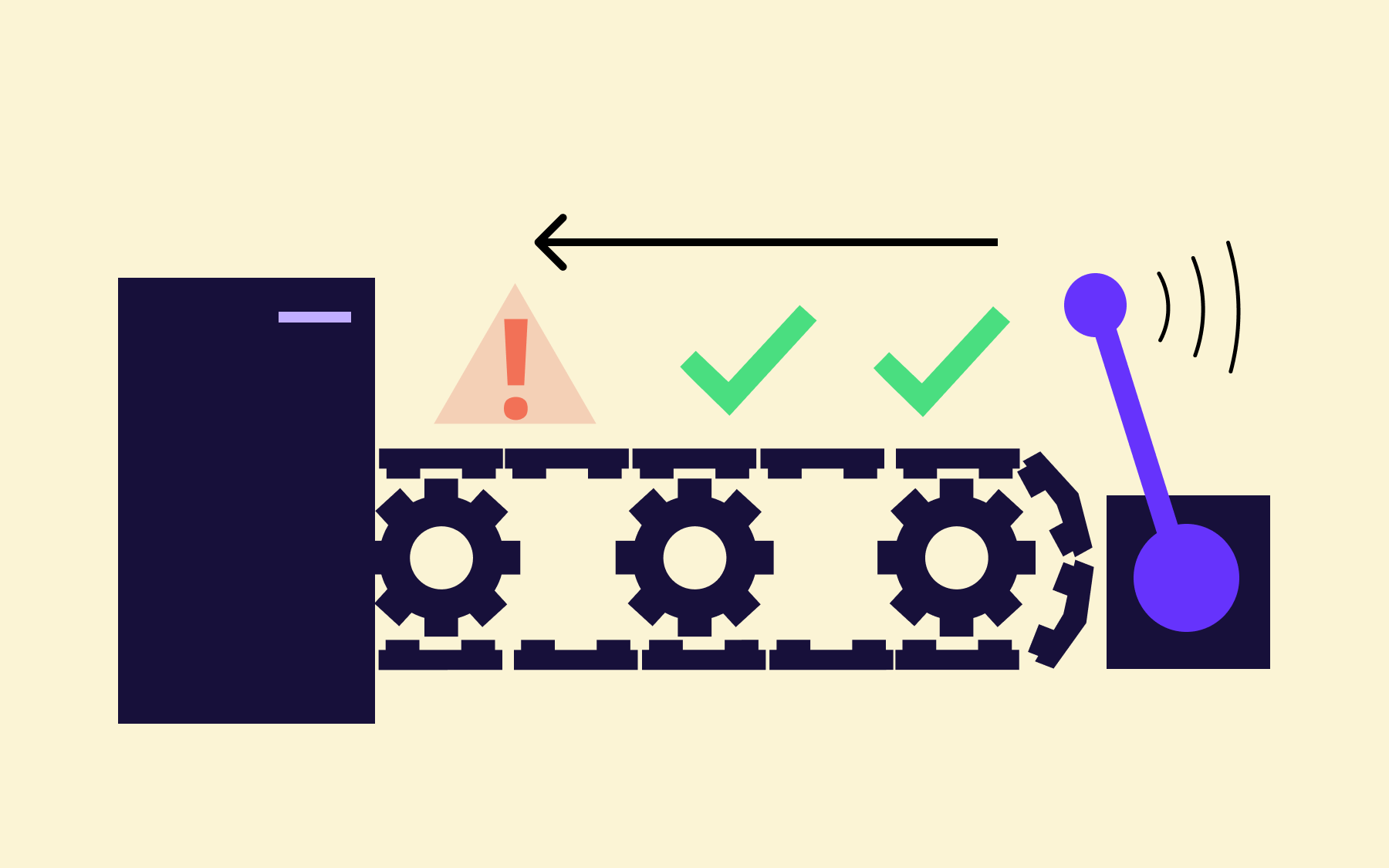
In the traditional approach, deploying code and releasing features were the same event. The moment new functionality was pushed to production, it was live for everyone. Every deployment was high-stakes, with limited ability to roll back safely or quickly.
Feature management breaks that link. Code can ship continuously—sitting in production, fully deployed—while the feature itself remains invisible until the team decides to release it, and to whom.
Adopting improved software development practices is not just writing better code; it’s about building the infrastructure and processes around software delivery that give teams real control over what users see and when.
What is a feature flag?
Feature management as a practice depends on a specific technical mechanism: the feature flag. Understanding what feature flags are is essential to understanding how feature management works in practice. If you want a deeper look, our full guide on what feature flags are covers the concept in detail.
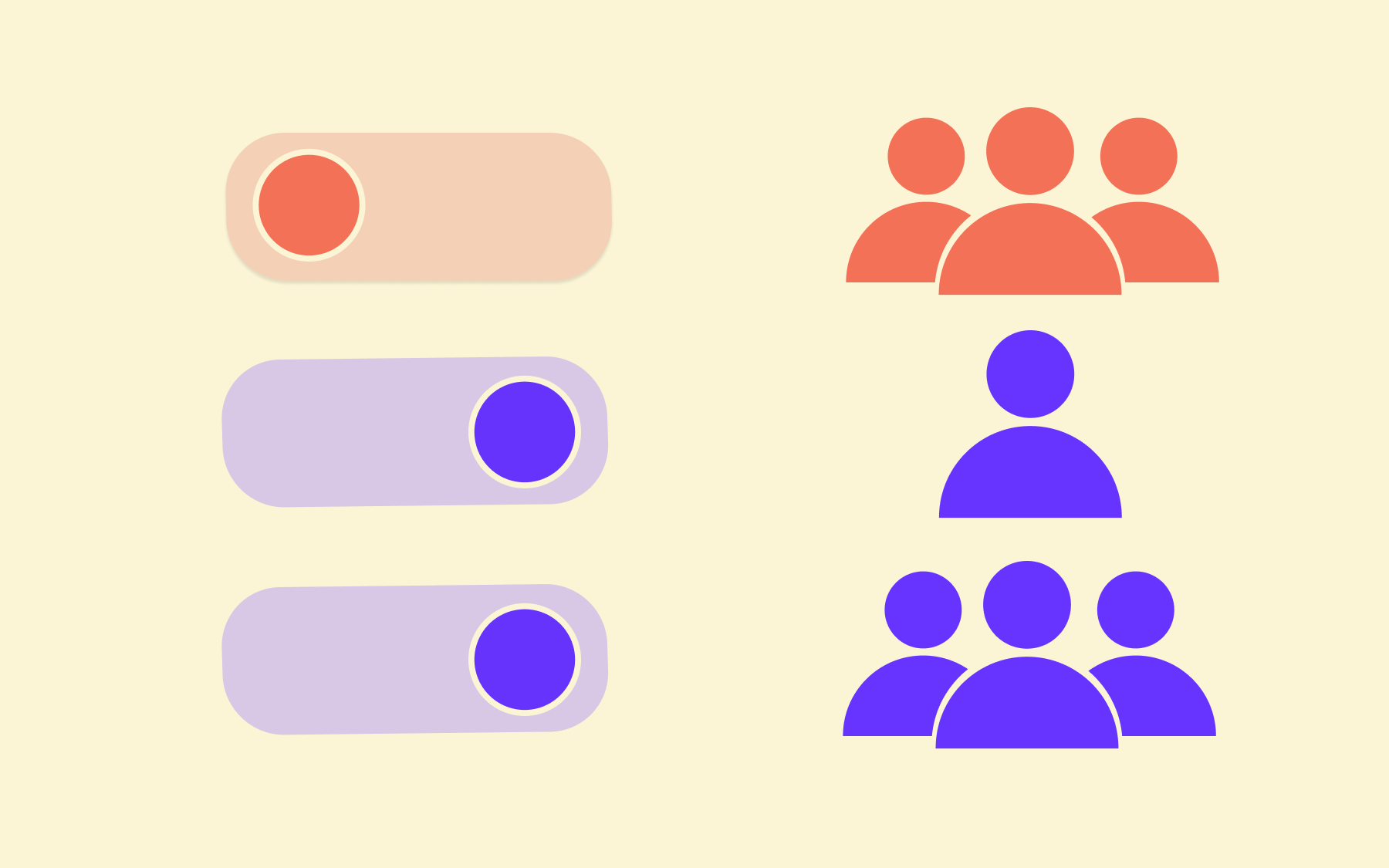
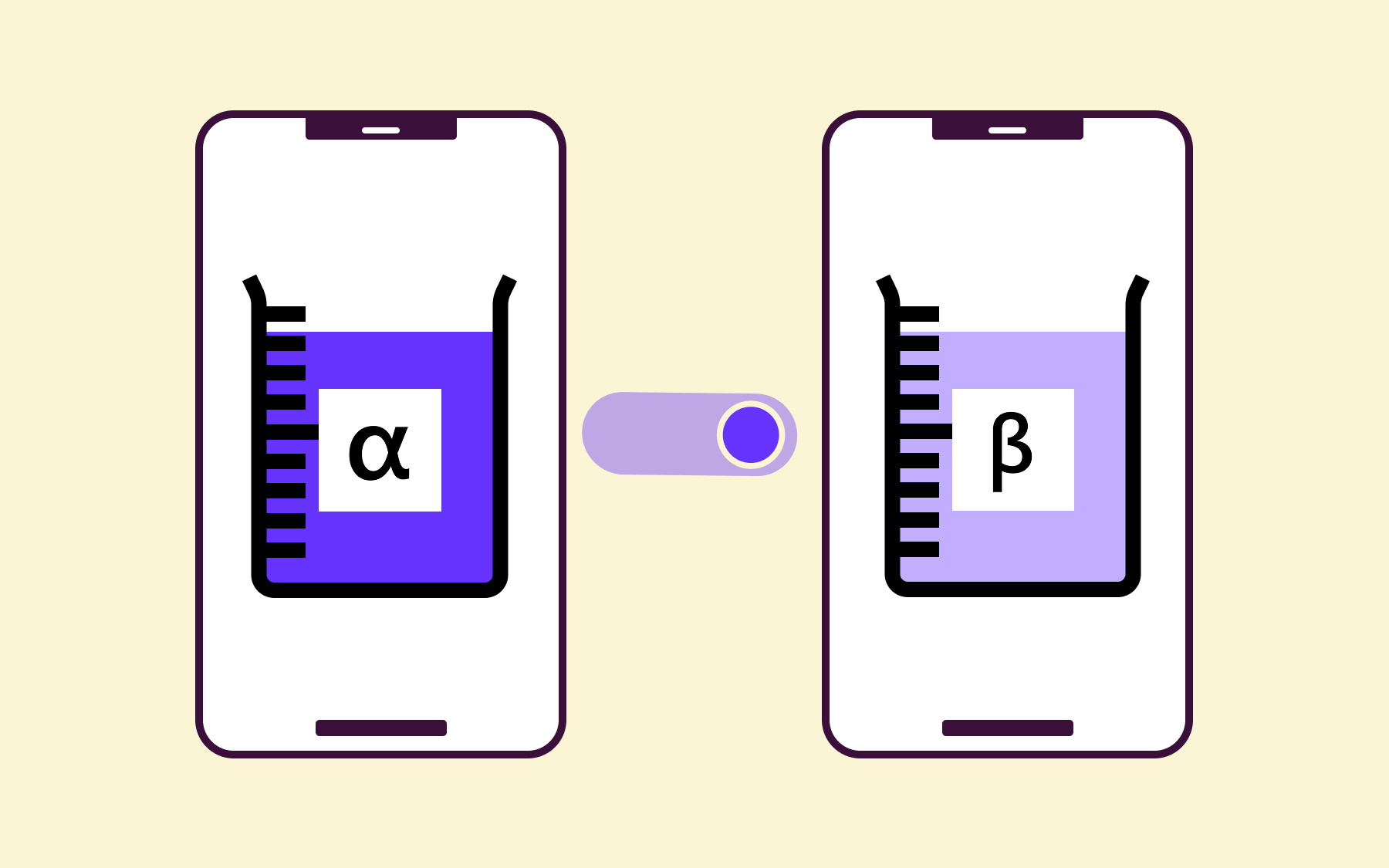
At its simplest, a feature flag, also called a feature toggle or feature switch, is a conditional in code that determines whether a particular feature is active for a given user or environment. The logic is straightforward: if the flag is on, the user sees the feature; if it's off, they don't. No redeployment required.
In practice, there are three key components to any feature flag setup.
- The flag itself defines what is being controlled.
- The feature manager handles the lifecycle of all flags across an application: creation, configuration, activation, and eventual removal.
- Filters define the rules for when a flag is active: specific user groups, geographies, device types, account tiers, or time windows, for example.
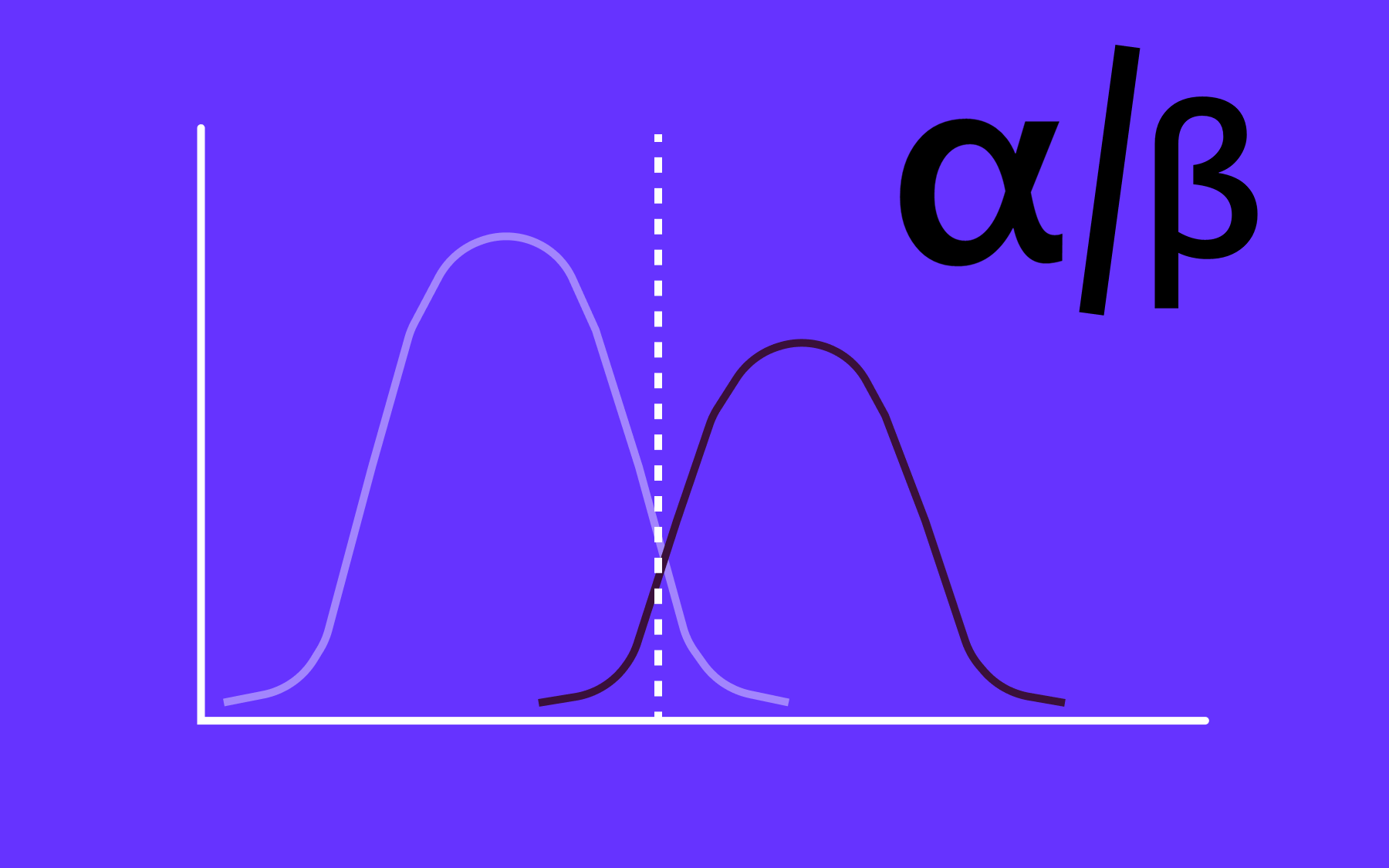
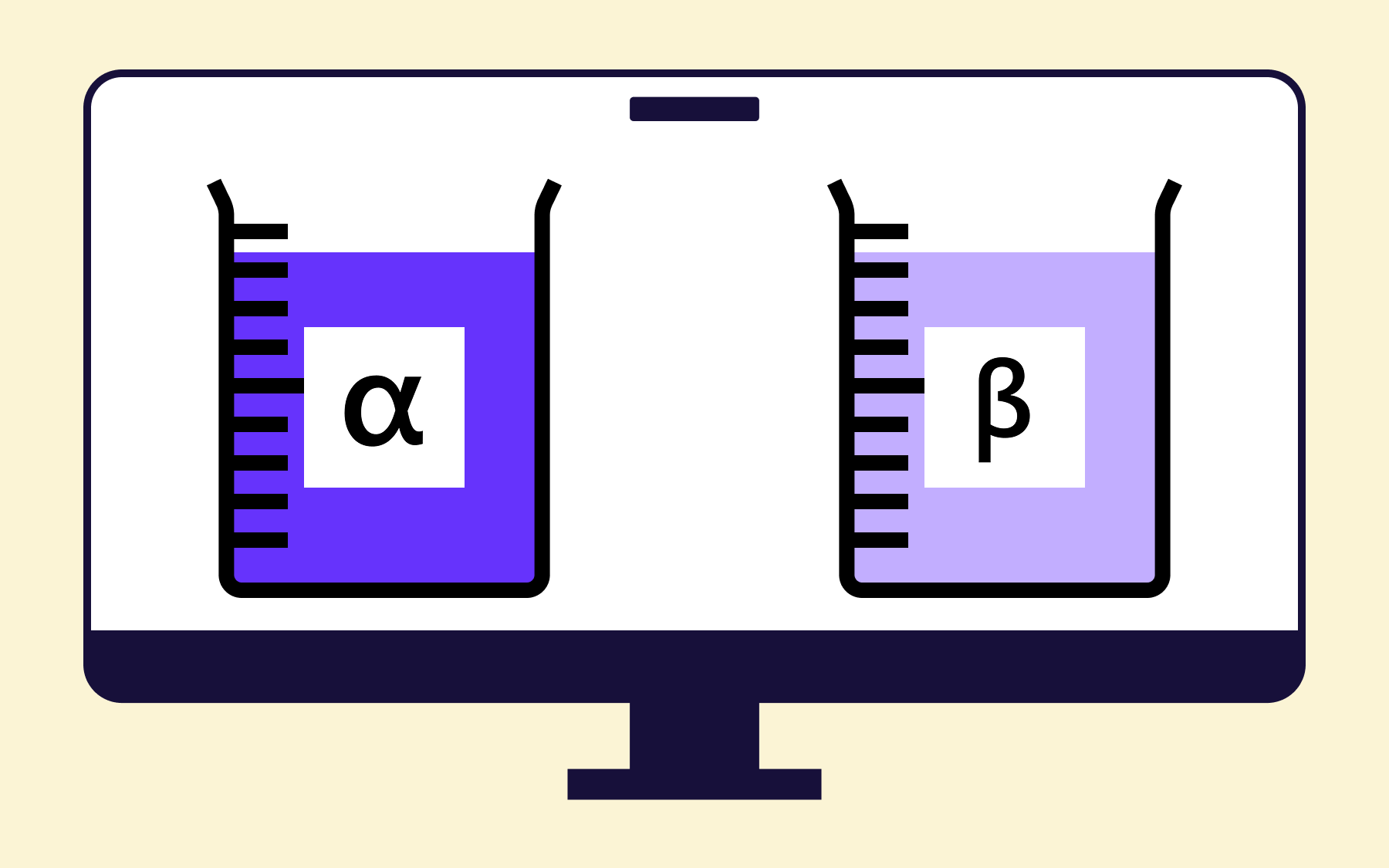
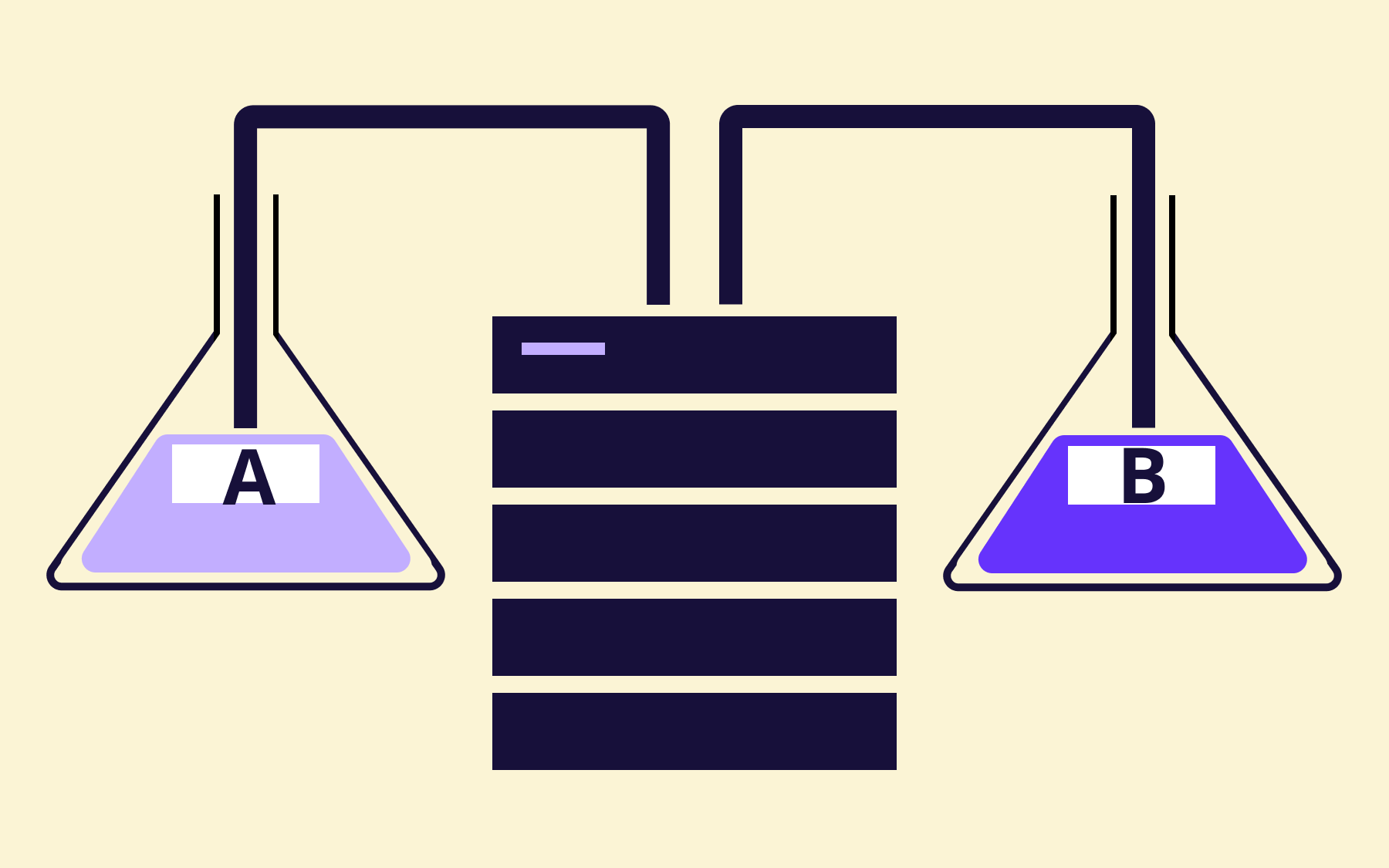
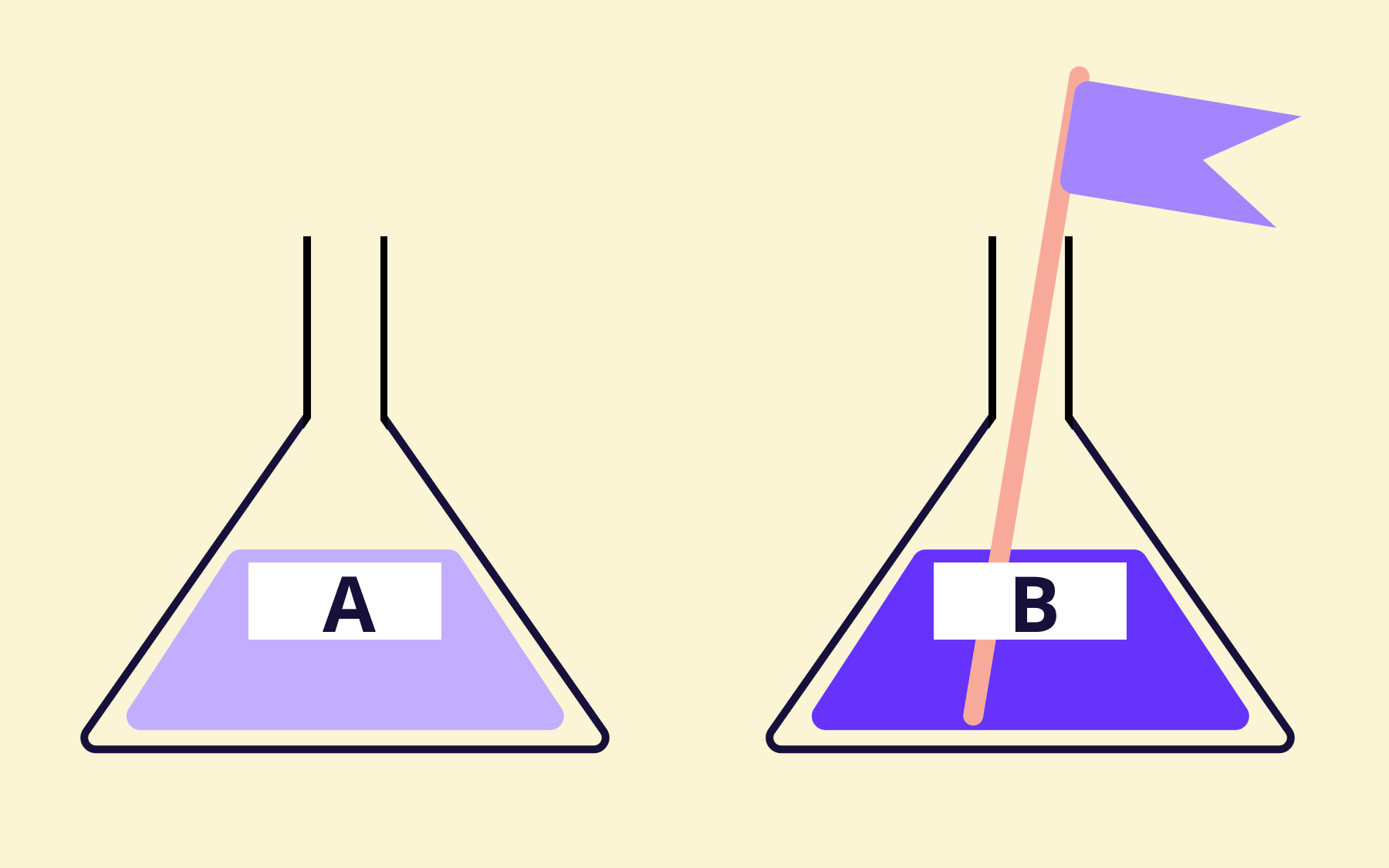
Together, these components let development teams do far more than simple on/off switching. The same flag can behave differently for different user segments, enabling targeted rollouts, A/B testing, and personalised experiences—all from a single codebase, without touching new code.
The feature flag lifecycle
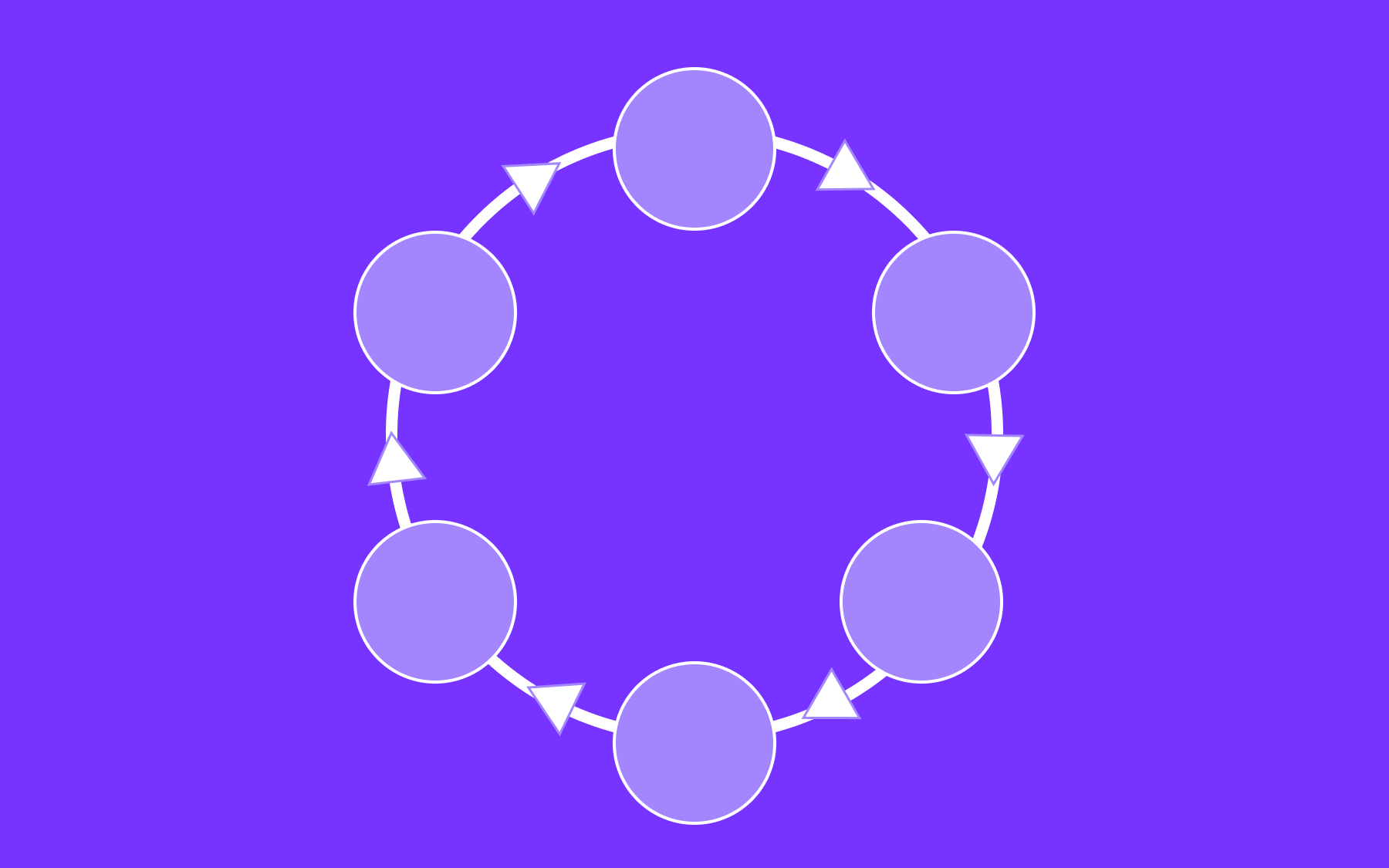
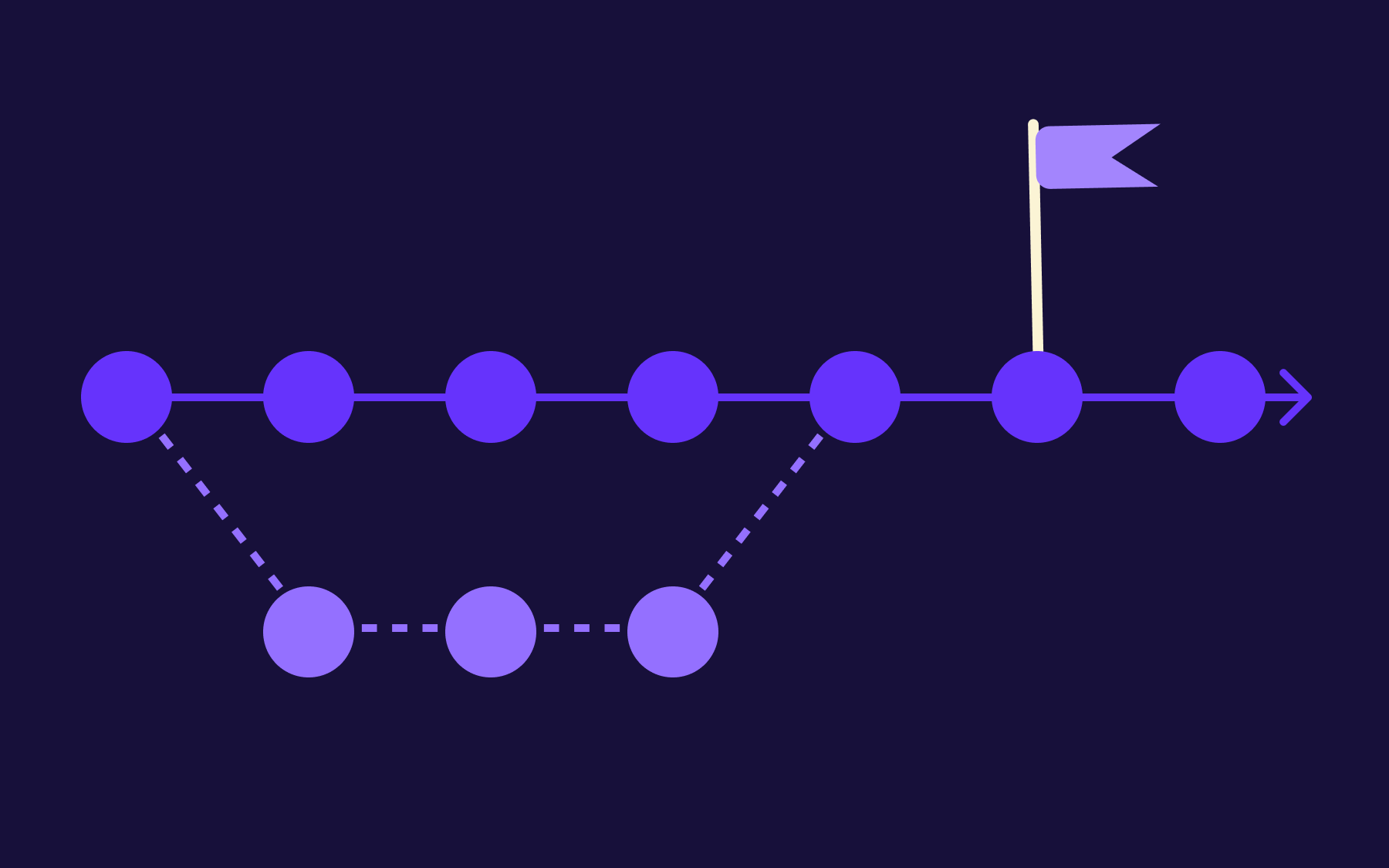
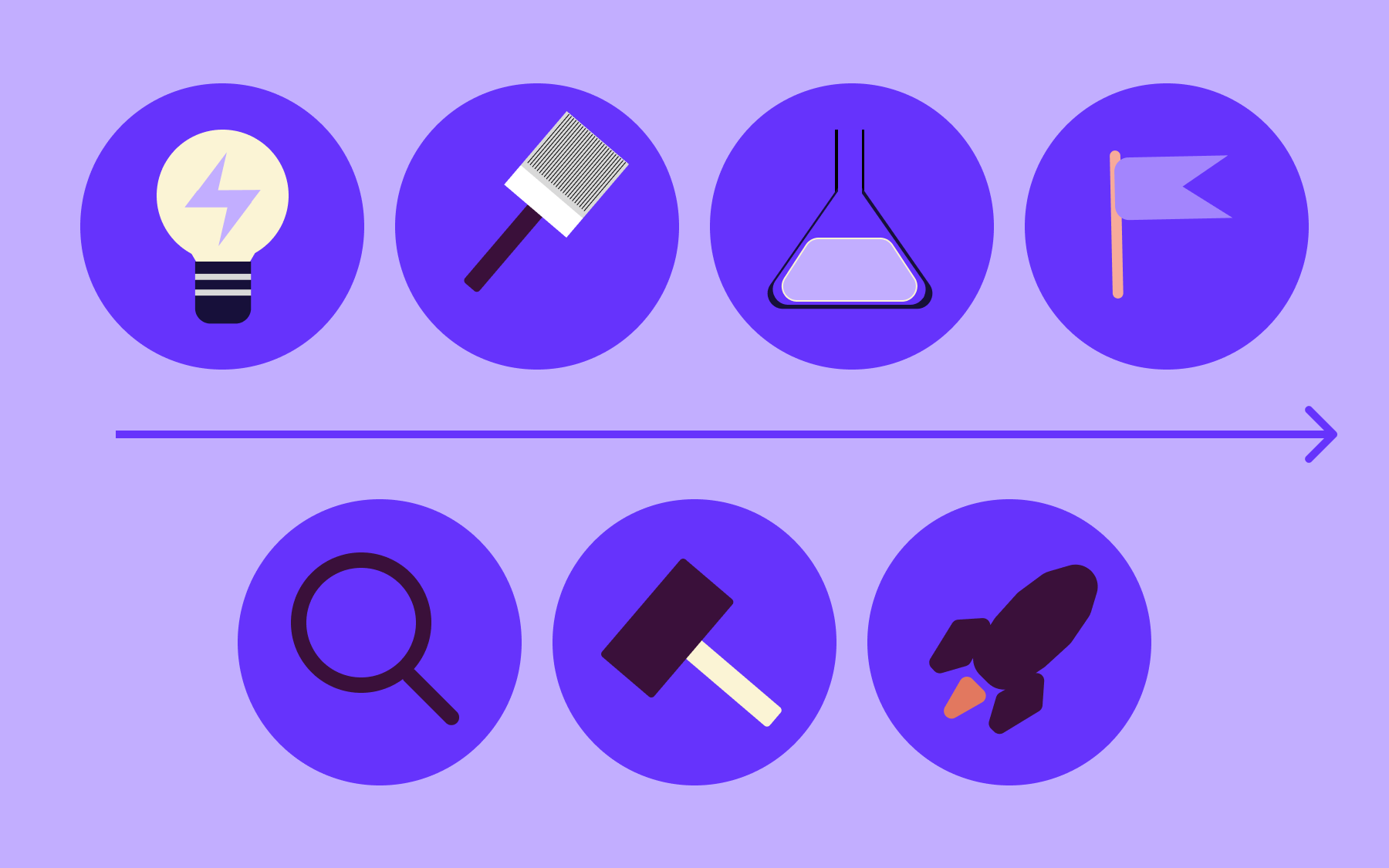
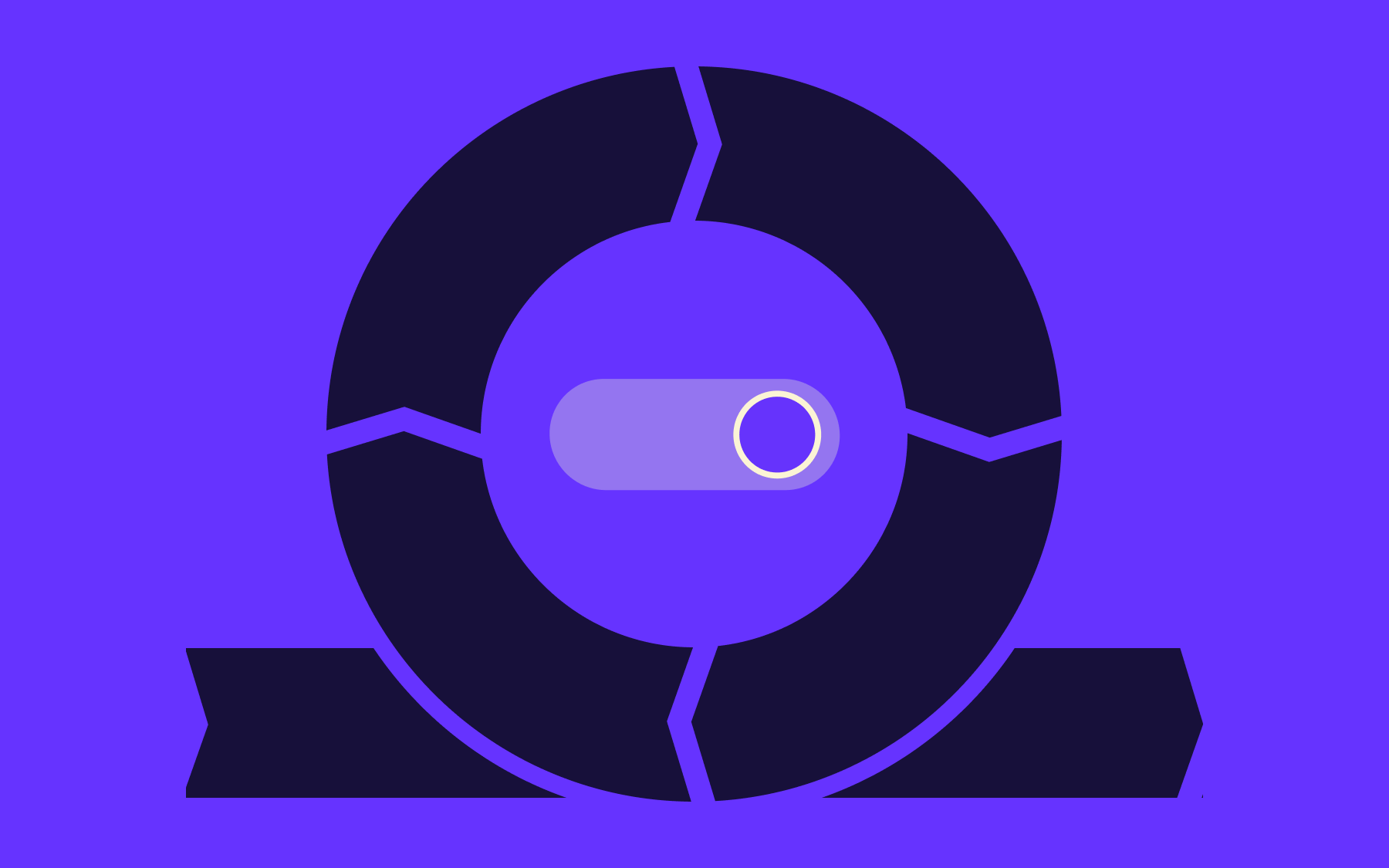
Understanding feature flags as a mechanism is one thing; managing them well over time is another. Every feature flag moves through four stages, and skipping any of them is where teams run into trouble.
- The first stage is creation and configuration: defining the flag, naming it clearly, assigning ownership, and specifying the targeting rules
- The second is deployment and activation: the code ships and the flag is enabled in production, initially for a limited audience.
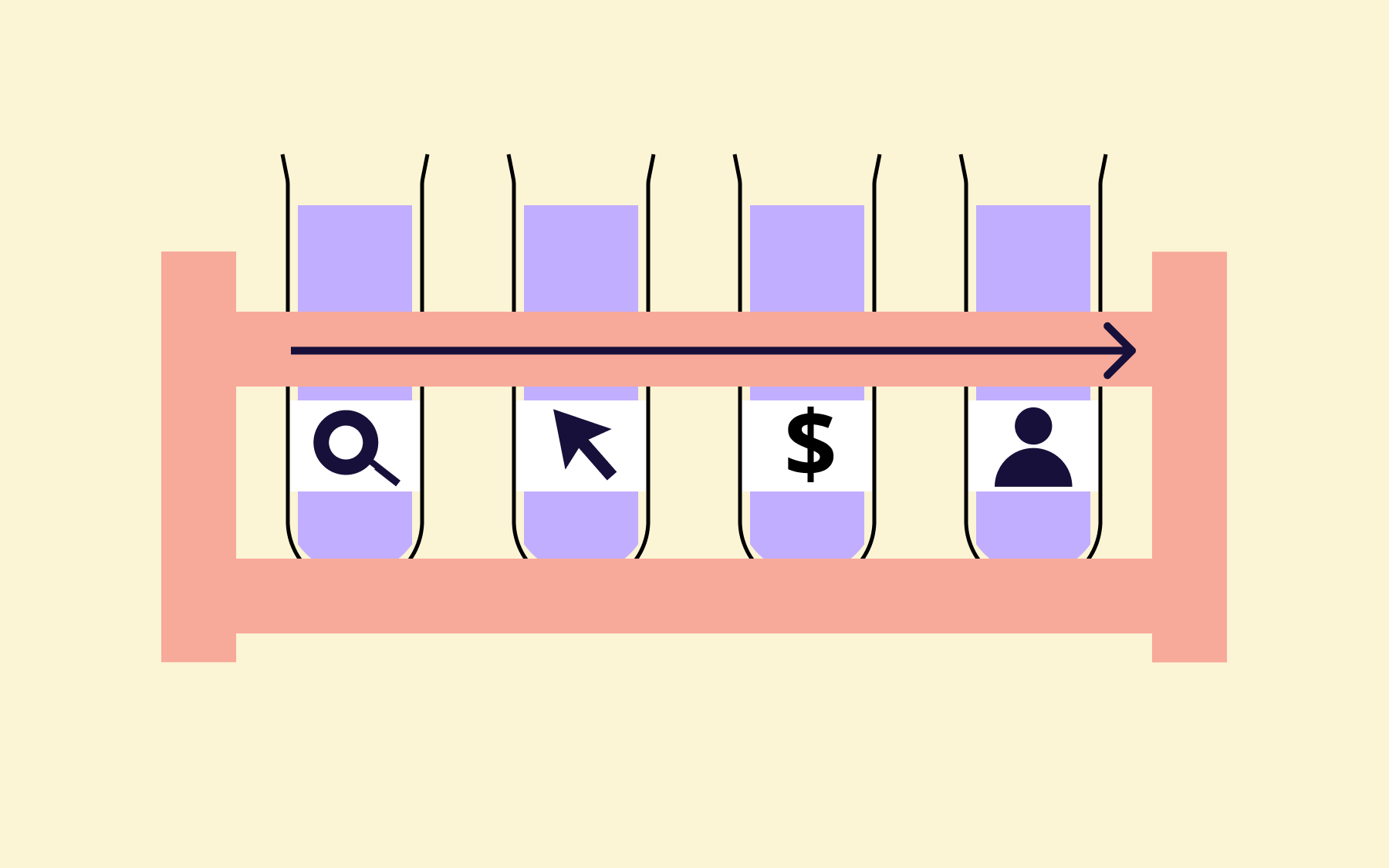
- The third is monitoring and analytics collection, where teams observe how the feature performs and gather user feedback to inform decisions about whether to proceed, iterate, or roll back.
- The fourth, and most commonly neglected, is sunset. When a feature is fully rolled out and the flag is no longer serving a purpose, it needs to be removed.
Flag accumulation is one of the most common sources of technical debt in modern software development teams. Old flags that no one dares to touch, flags whose purpose has been forgotten, flags creating untested combinations of application behaviour—these are real operational risks.
Effective feature management isn't simply about turning features on; it's about having a structured, repeatable process for managing a feature's full journey, from development through to removal. That process is what gives the next set of decisions, around how to release features, a stable foundation to build on.
Effective feature rollout strategies
With a clear picture of the flag lifecycle in place, it's worth examining the rollout strategies that feature management actually enables. The ability to choose how features are released is one of the most valuable things this approach offers development teams.
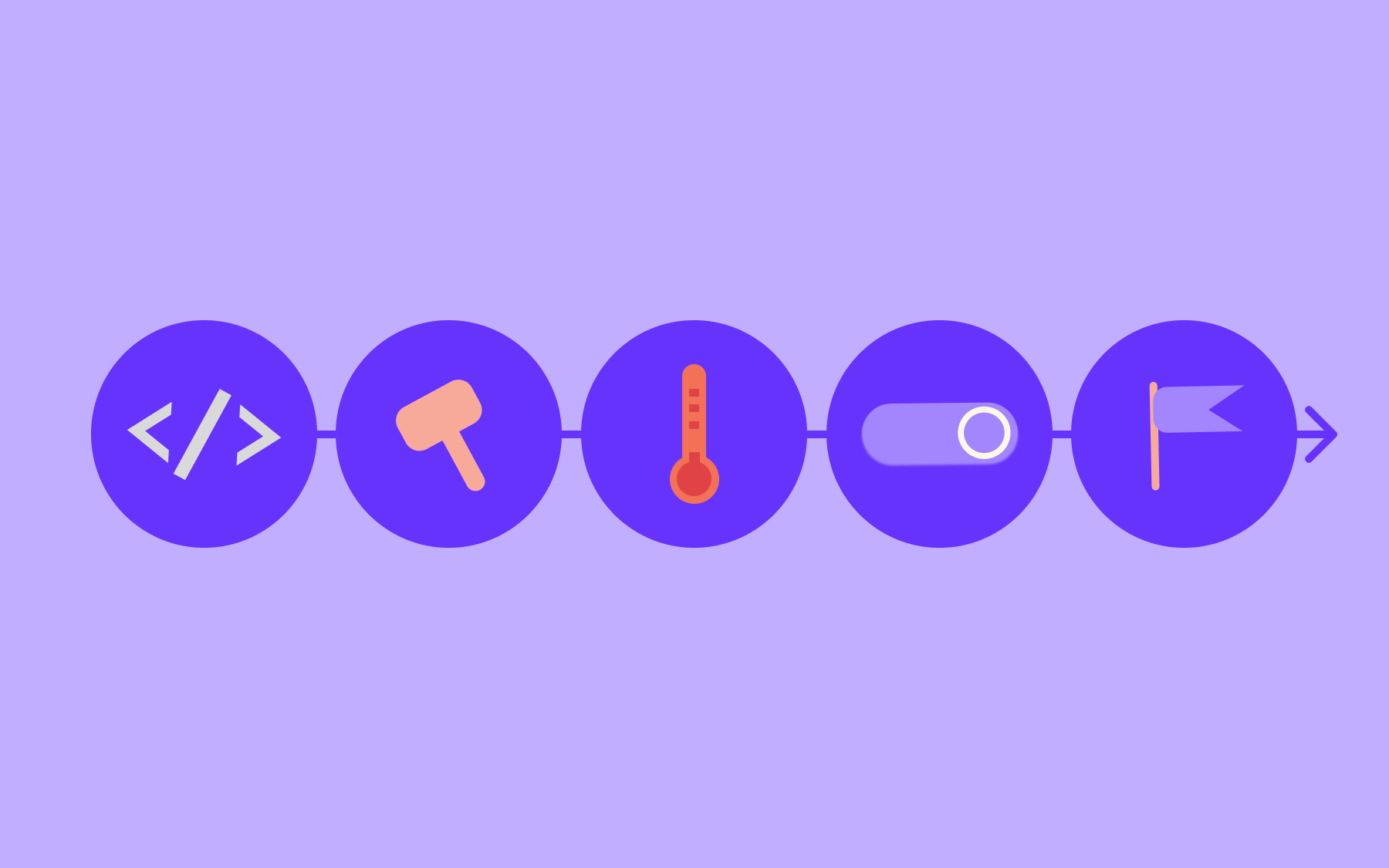
Here are some of the most common rollout methods and techniques, which can be used individually or in concert with each other:
- Phased rollouts
- Canary deployments
- Targeted rollouts
- Dark launches
- Percentage rollouts
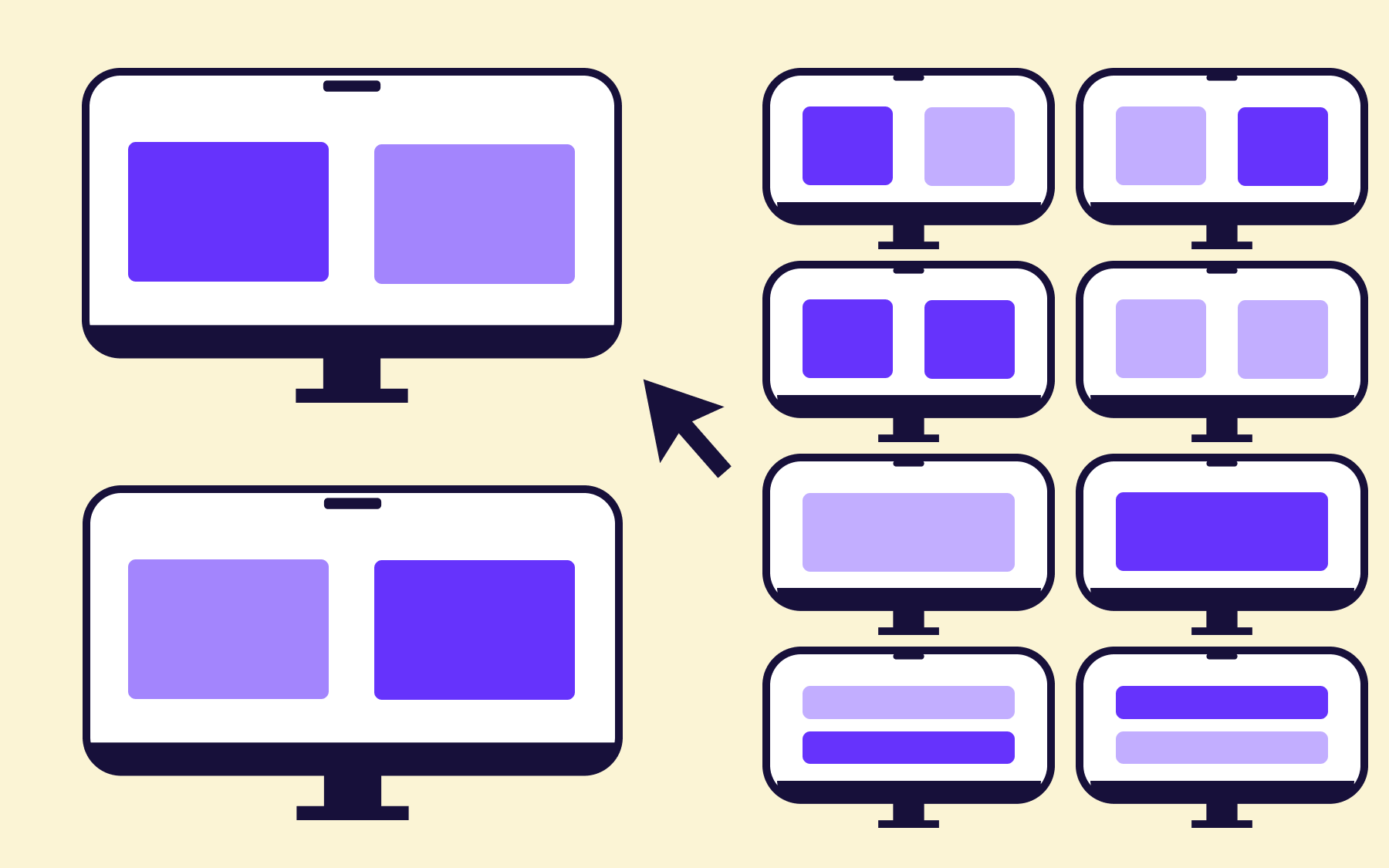
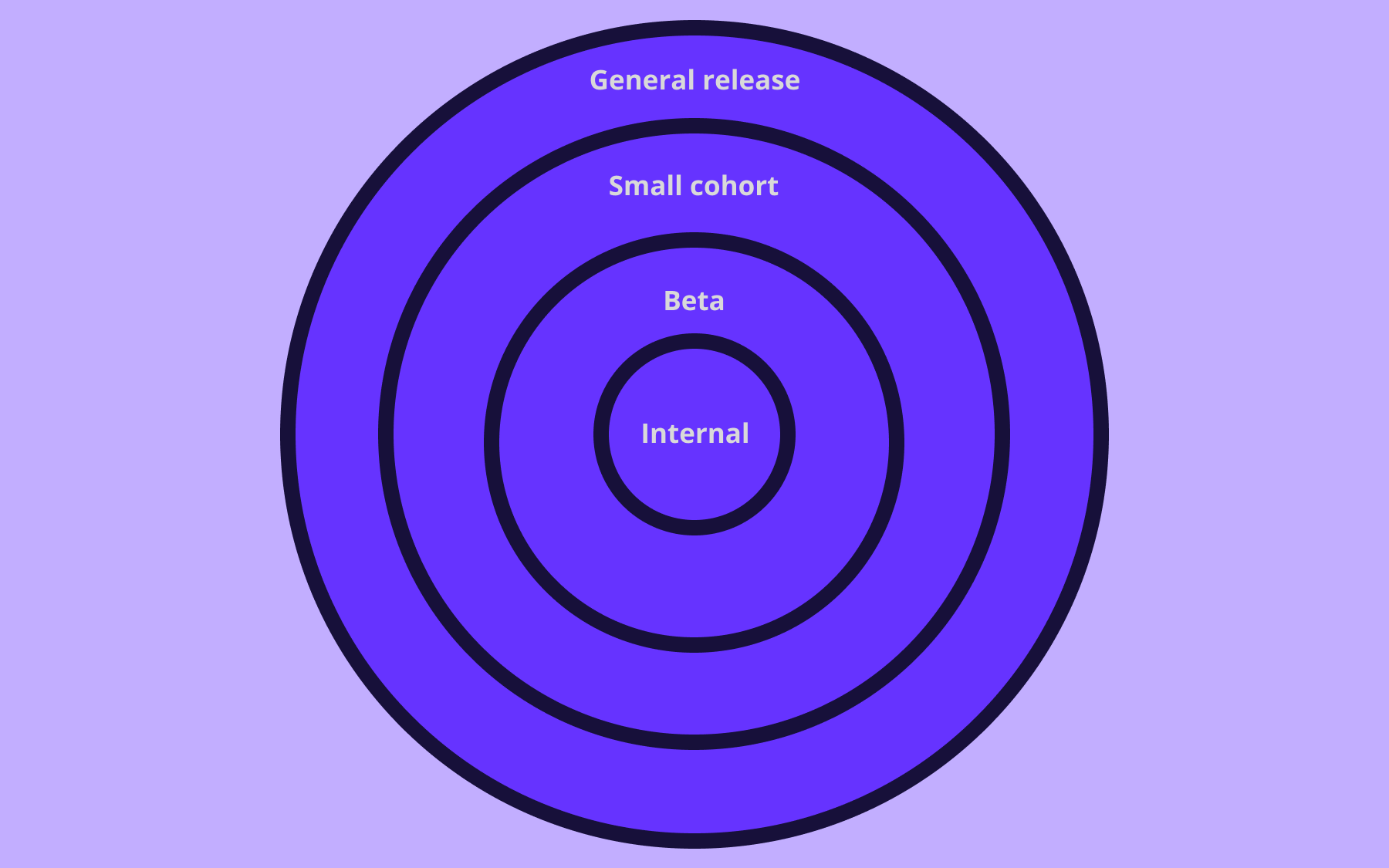
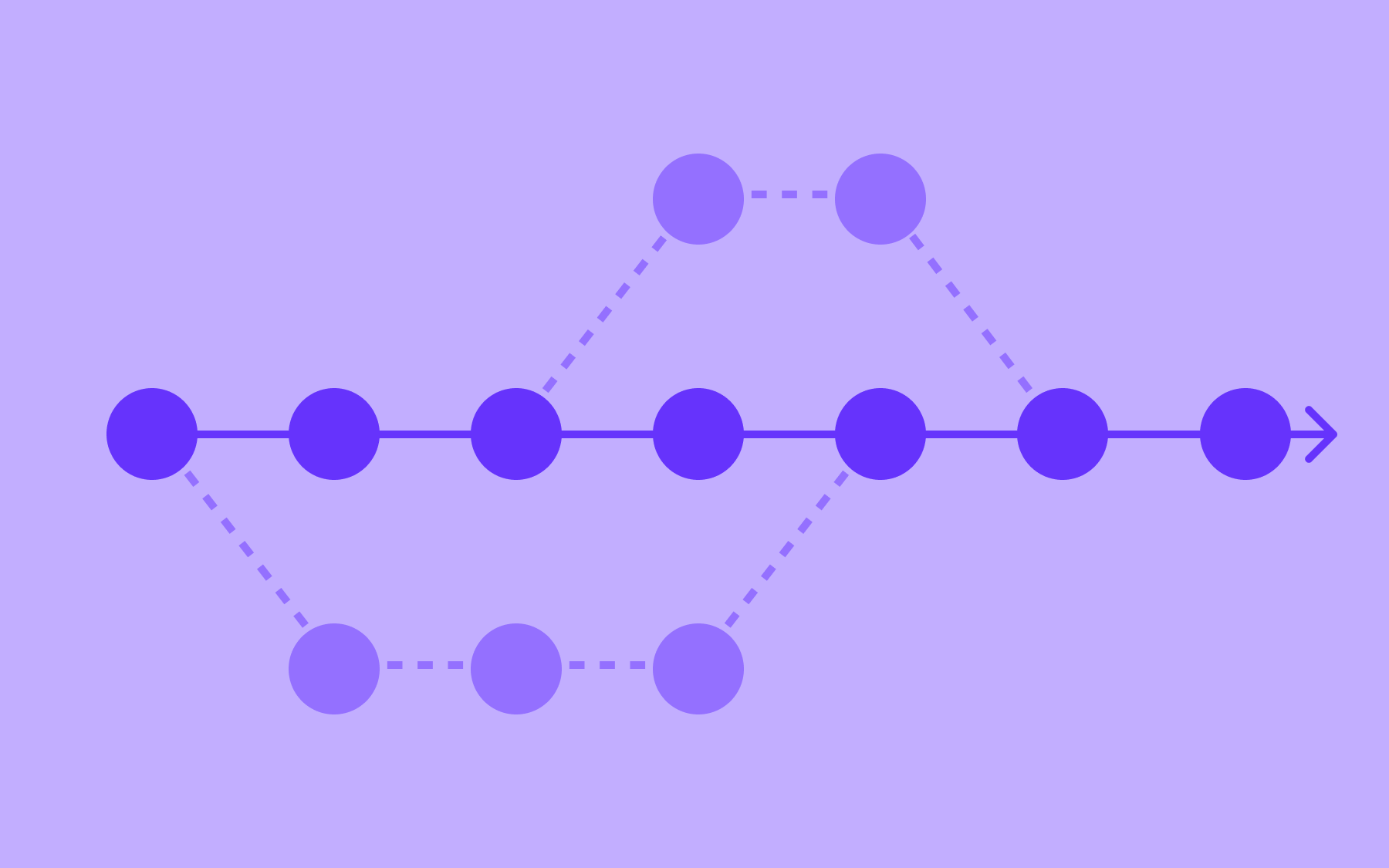
Phased rollouts gradually expand access to a feature from a small group to the full user population, giving teams the chance to identify bugs and address issues before the majority of users are affected. Canary releases go a step further, exposing new functionality to a tightly defined subset of users first to validate performance and stability in production.
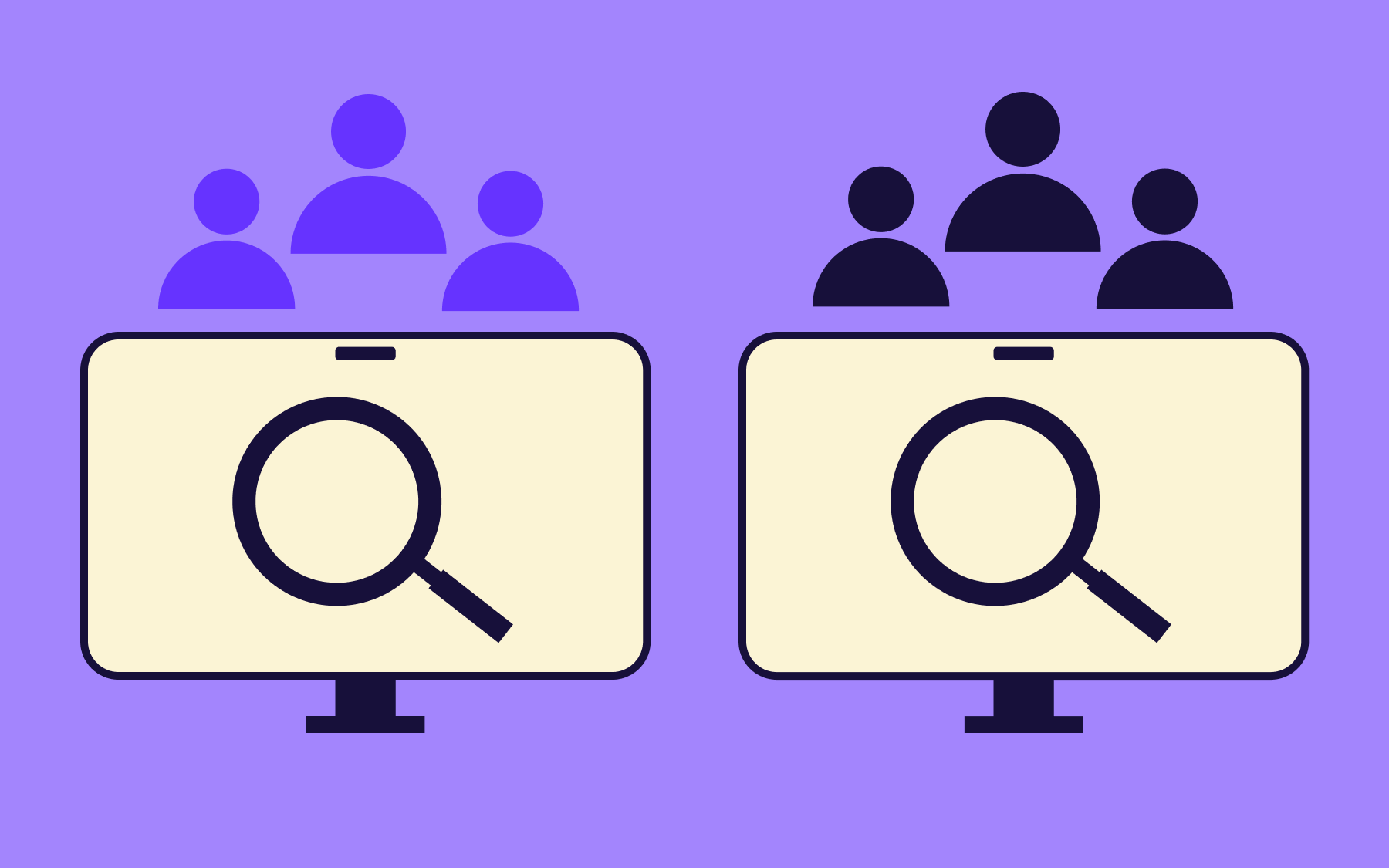
Targeted rollouts release features selectively based on user attributes such as location, subscription tier, or device type, enabling controlled market launches or compliance-driven releases to specific user groups.
Dark launches deploy code to production silently, so it runs without being visible to users; this is particularly useful for load-testing new infrastructure before it ever touches the end-user experience.
Percentage rollouts incrementally increase the proportion of the user population with access to a feature, typically moving from 1% to 5% to 50% and so on, with monitoring at each stage to support data-driven decisions about whether to continue.
Each of these strategies reduces the blast radius of any given release. Together, they give development teams the confidence to ship features faster.
The benefits of feature management
The rollout strategies above hint at the broader value of feature management, but it's worth being direct about what engineering and product teams consistently report once they've adopted this approach in practice.
Risk reduction is the most immediate benefit. The ability to disable a broken feature instantly, without redeploying code, transforms how teams respond to production issues and substantially reduces the pressure around every release.
Release velocity also improves significantly. Teams using feature flags experience 60% faster release cycles. Decoupling deployment from release removes the coordination overhead that slows down software delivery: teams no longer need to synchronise across workstreams or hold for a fixed deployment window before code can ship.
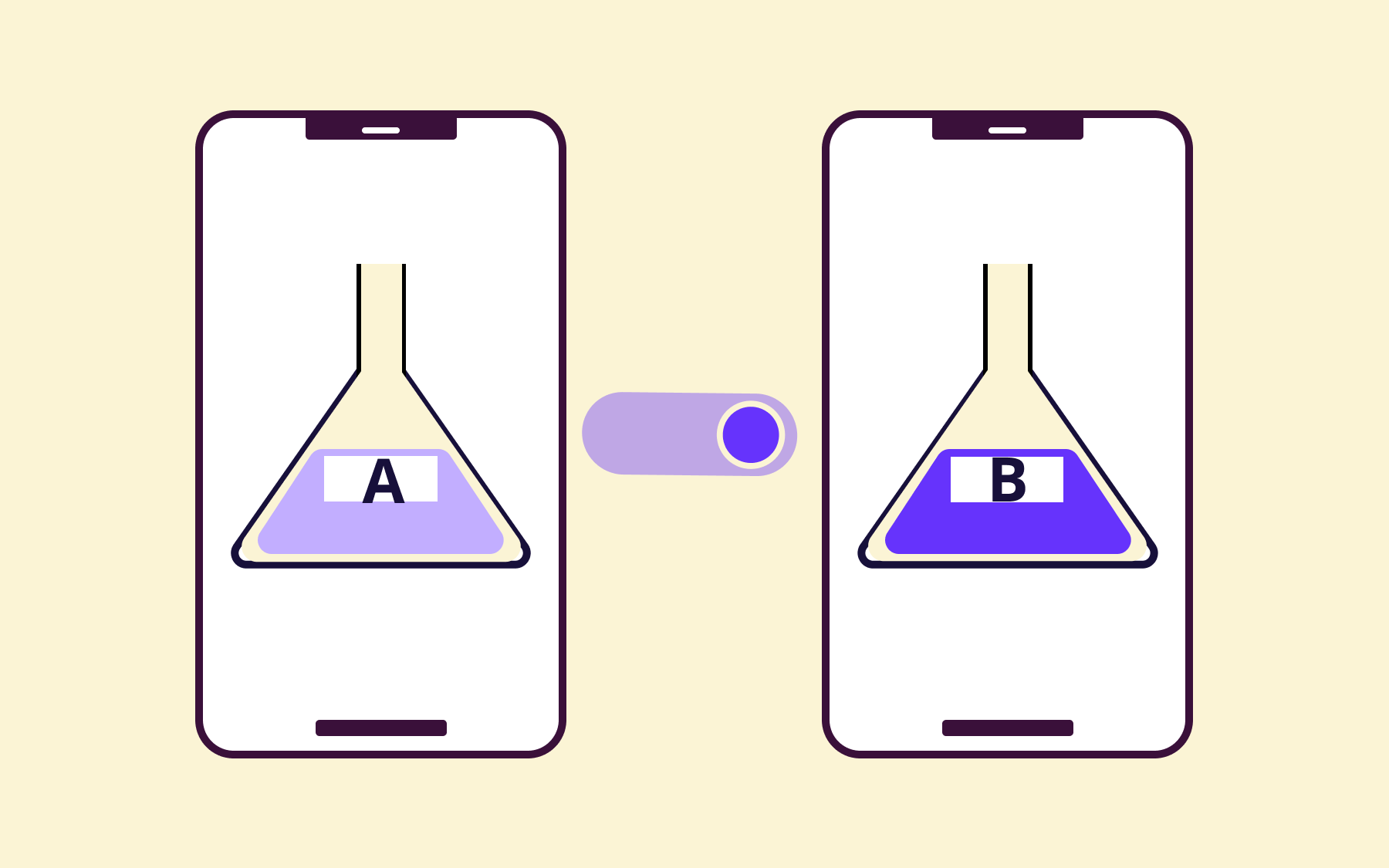
Personalised user experiences become genuinely achievable at scale. Targeted flags mean different user segments can see different versions of a product simultaneously, without maintaining separate code branches, which enables A/B testing, geographic launches, beta programmes, and tiered feature access, all from a single codebase. User engagement and user satisfaction both tend to improve when features are tested and refined with real users before wider release.
Finally, feature management platforms collect usage and performance data against specific flags, giving teams the insight to make better-informed decisions about which features to invest in, improve, or retire.
Rather than relying on intuition, development teams can use real user behaviour data to guide product direction and prioritise the work that actually moves the needle on business outcomes.
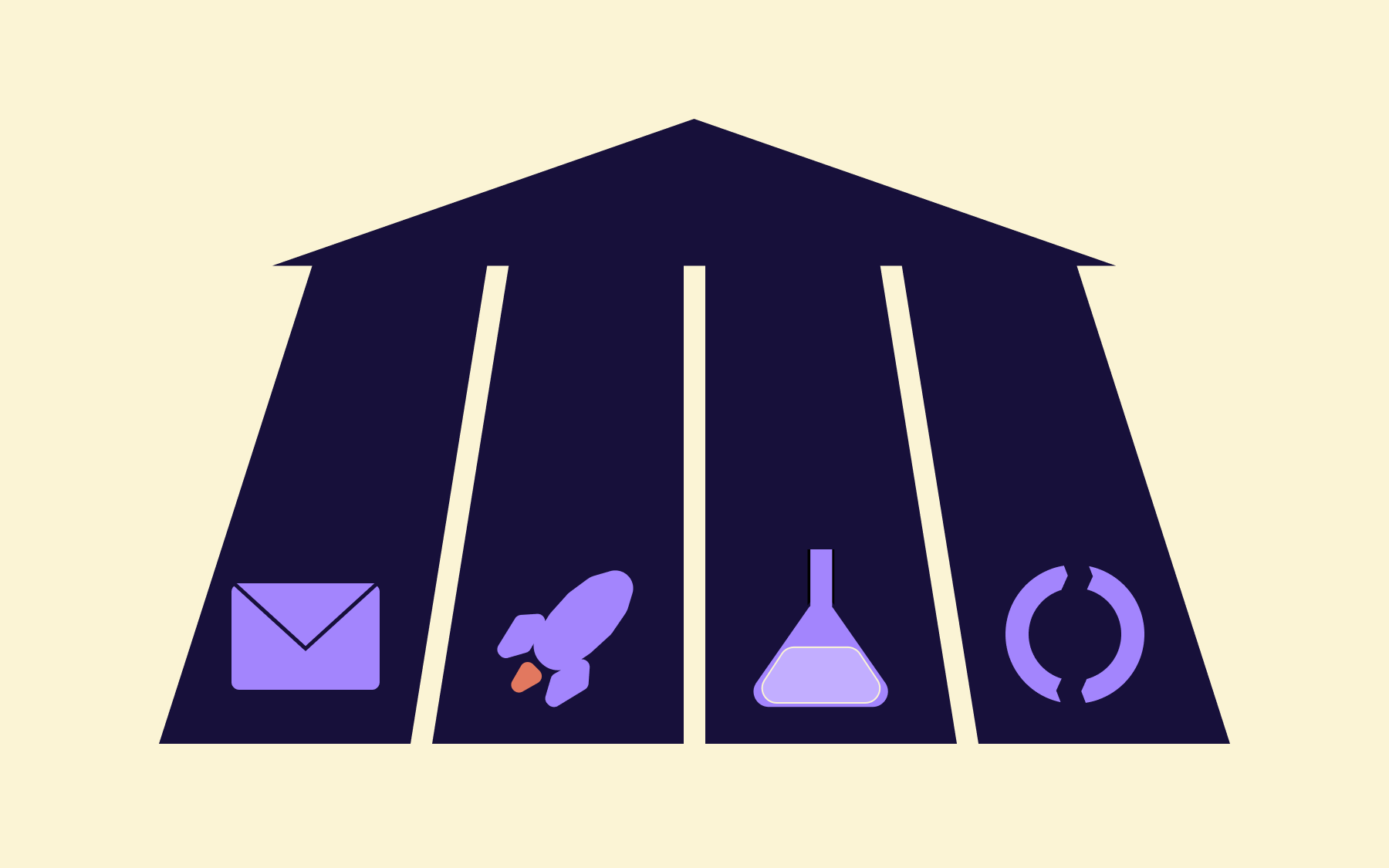
Here are the benefits in a quick, scannable table:
Feature management best practices
The benefits above are achievable, but they depend on feature management being approached with discipline. The teams that get the most value from this approach tend to share a few common practices.
Governance
Governance starts at the point of creation. Establishing clear naming conventions and flag ownership from day one prevents the sprawl that turns a clean setup into a confusing tangle of legacy conditionals.
Every flag should have an owner, a documented purpose, and a planned end date. Without this information, even a small team can end up with hundreds of flags and no clear picture of what any of them do.
Security
Security is non-negotiable, particularly for teams in regulated industries.
Role-based access controls ensure that only authorised team members can create or modify flags. Regular audits of active flags, and the changes made to them, provide the audit trail that teams in banking, healthcare, and insurance need to meet compliance requirements.
Feature management platforms like Flagsmith are built with exactly these security-conscious organisations in mind, offering self-hosted and private cloud deployment options for teams that can't rely on shared SaaS infrastructure.
Performance
Performance matters too. Evaluating flags as close to the user as possible minimises latency, while using hashing and segmentation rather than storing large user lists in configurations keeps the system lean and responsive as usage scales.
Collaboration
Collaboration is where many teams underinvest. A centralised dashboard that shows the current state of all flags—visible to developers, product managers, and QA alike—prevents the miscommunication that leads to unexpected behaviour in production.
When everyone can see what's live and for whom, the whole team makes better decisions with less back-and-forth.
Hygiene and reviews
Regular cleanup is the practice that most directly prevents technical debt. Scheduling flag reviews, retiring flags that are no longer needed, and removing the associated code keeps the codebase clean and the feature management system manageable over time.
Remove feature flags promptly once they've served their purpose—the longer they sit, the harder they become to remove safely.
For more guidance, read our blog on feature flag best practices.
Getting started with feature management
Feature management is a straightforward idea: deploy code continuously, and control separately when each feature becomes visible to users. Done well, it reduces risk, speeds up release cycles, enables personalised product experiences at scale, and gives development teams the data they need to build better software.
Flagsmith is a feature flag and remote configuration platform built for engineering teams that need fine-grained control over feature releases. It supports private cloud, on-premises, and SaaS deployment, making it a natural fit for teams in regulated industries such as banking, healthcare, and insurance, as well as fast-moving product teams who want to ship features with confidence.
Create a free account and start managing feature releases the right way.



























OpenTelemetry, without the vendor lock-in: Introducing full observability for Open Source and Self-Hosted Flagsmith customers