Why OpenAI Paid $1.1 Billion for a Feature Flag Company

When OpenAI acquired Statsig—a product experimentation platform built around feature flags, A/B testing, and real-time decisioning—for $1.1 billion, and handed its founder one of the most senior engineering roles in the organisation. It was a signal about where software leverage lives when AI removes the code-writing bottleneck.
TL;DR
- OpenAI acquired Statsig for $1.1 billion in an all-stock deal
- Statsig's founder and CEO Vijaye Raji is now OpenAI's CTO of Applications, responsible for product engineering across ChatGPT and Codex
- OpenAI was already a Statsig customer before the acquisition
- This is about where product leverage lives when writing code stops being the bottleneck
The bottleneck has always been writing code
For most of the history of software development, the bottleneck was writing code. Engineering time was the scarcest resource in any product organisation. It was rationed, guarded, and planned around. PMs spent enormous energy justifying roadmap decisions because every item competed for a fixed pool of expensive, slow-to-scale human hours. The decision was always what the team can actually afford to build.
That shaped how teams were structured, how roadmaps were prioritised, and how strategy was written. If you could get engineering time, you could ship. If you couldn't, you waited.
AI is changing that faster than most teams have had time to process.
The bottleneck has moved
When code generation becomes cheap and fast, when a skilled engineer can produce in an afternoon what used to take a sprint, the constraint shifts. It's no longer writing the code; it's deciding what to ship, to whom, and when. It's managing risk at the point of release. It's knowing whether a change is actually working once it's out in the world.
And in September 2025, the most watched technology company in the world put a number on exactly that problem.
OpenAI paid $1.1 billion for a feature flagging platform
OpenAI acquired Statsig—a product experimentation platform built around A/B testing, feature flags, and real-time decisioning—for $1.1 billion in an all-stock deal. Statsig's founder and CEO Vijaye Raji is now OpenAI's CTO of Applications, reporting to Fidji Simo, OpenAI’s CEO of applications.
OpenAI's own announcement described Statsig as "one of the most trusted experimentation platforms in the industry—powering A/B testing, feature flagging, and real-time decisioning for some of the world's most innovative companies, including OpenAI."
OpenAI was already a Statsig customer. They knew exactly what the product did. They paid $1.1 billion for it and handed its founder one of the most senior engineering roles in the organisation—responsible for product engineering across ChatGPT and Codex.
This wasn't an infrastructure play. It was a direct statement about what matters at the top of an AI-native engineering organisation.
Shipping fast is not the same as shipping safely
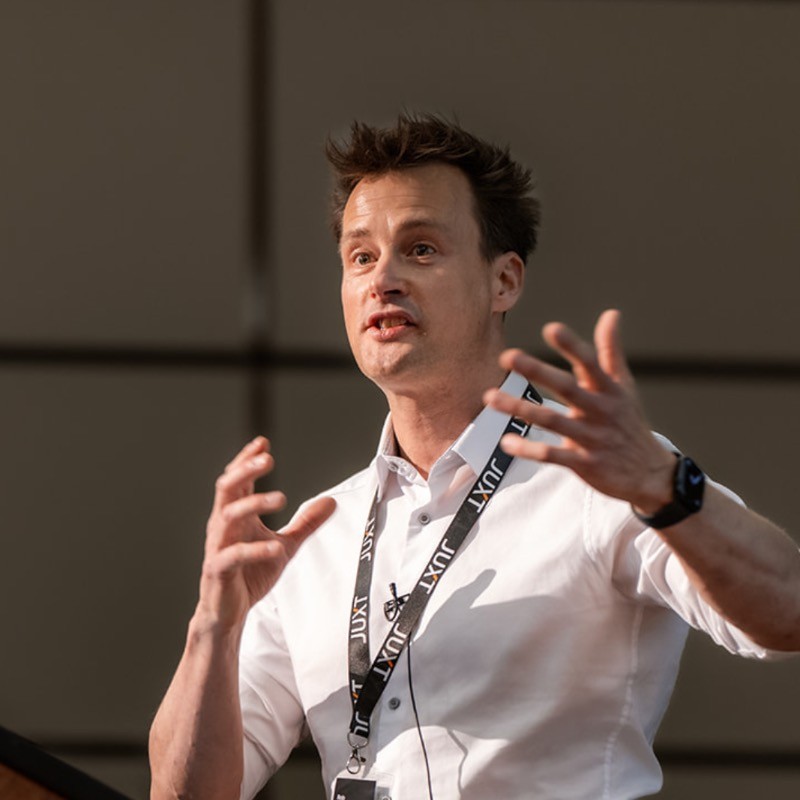
Vijaye Raji spent a decade leading large-scale consumer engineering at Meta before founding Statsig in 2021. In four years, Statsig grew to serve teams at Atlassian, Notion, Brex, Bloomberg and thousands of others.
When OpenAI made Raji CTO of Applications, they weren't hiring someone to tighten up process. They were bringing in someone who has spent his career on one specific problem: how do you ship software to millions of users, learn from it quickly, and act on what you learn—without breaking things along the way?
Fidji Simo put it clearly in her statement on the hire:
"He's joining at a time when our models are opening entirely new ways to build, and his leadership will help turn that progress into safe applications."
— Fidji Simo, CEO of Applications, OpenAI
Safe applications—At a company with access to the most powerful models in the world, the thing they invested $1.1 billion in wasn't raw capability, it was the infrastructure to deploy that capability reliably, observably, and reversibly.
Feature flags are not just a front-end convenience
Most teams encounter feature flagging for the first time on the front end: wrap a UI component in a flag, flip it on, see what happens. It's useful, but it undersells what feature management actually is.
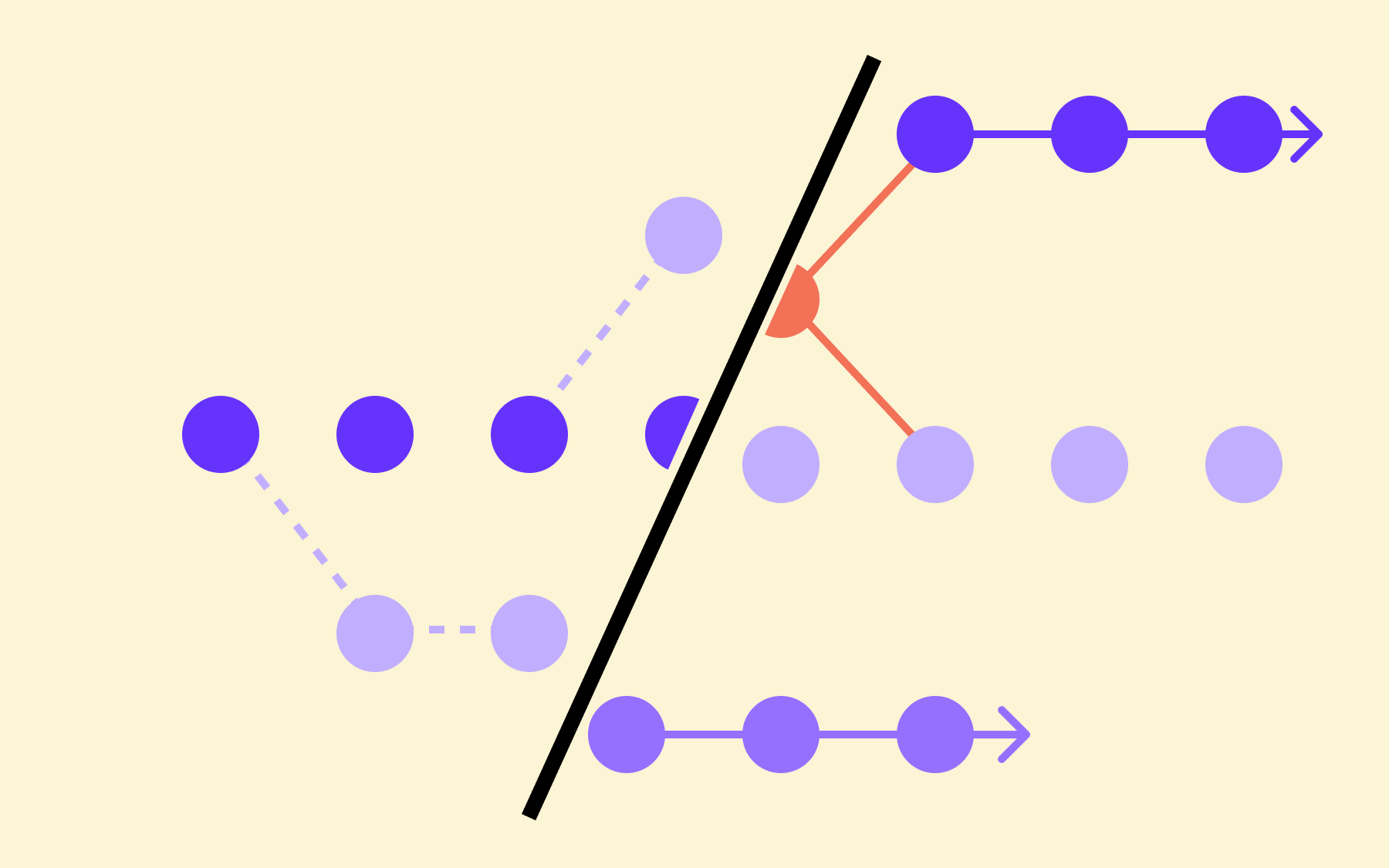
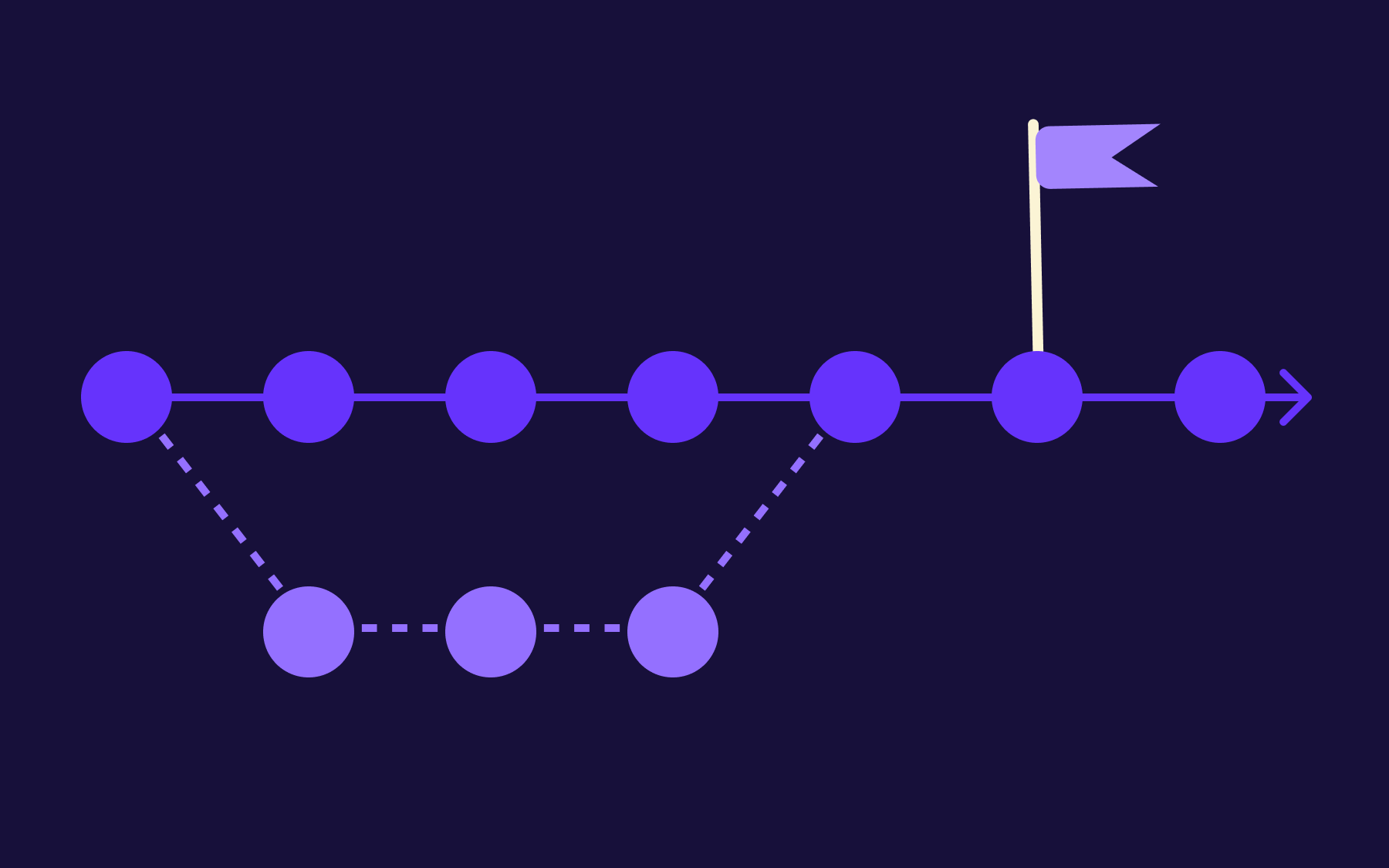
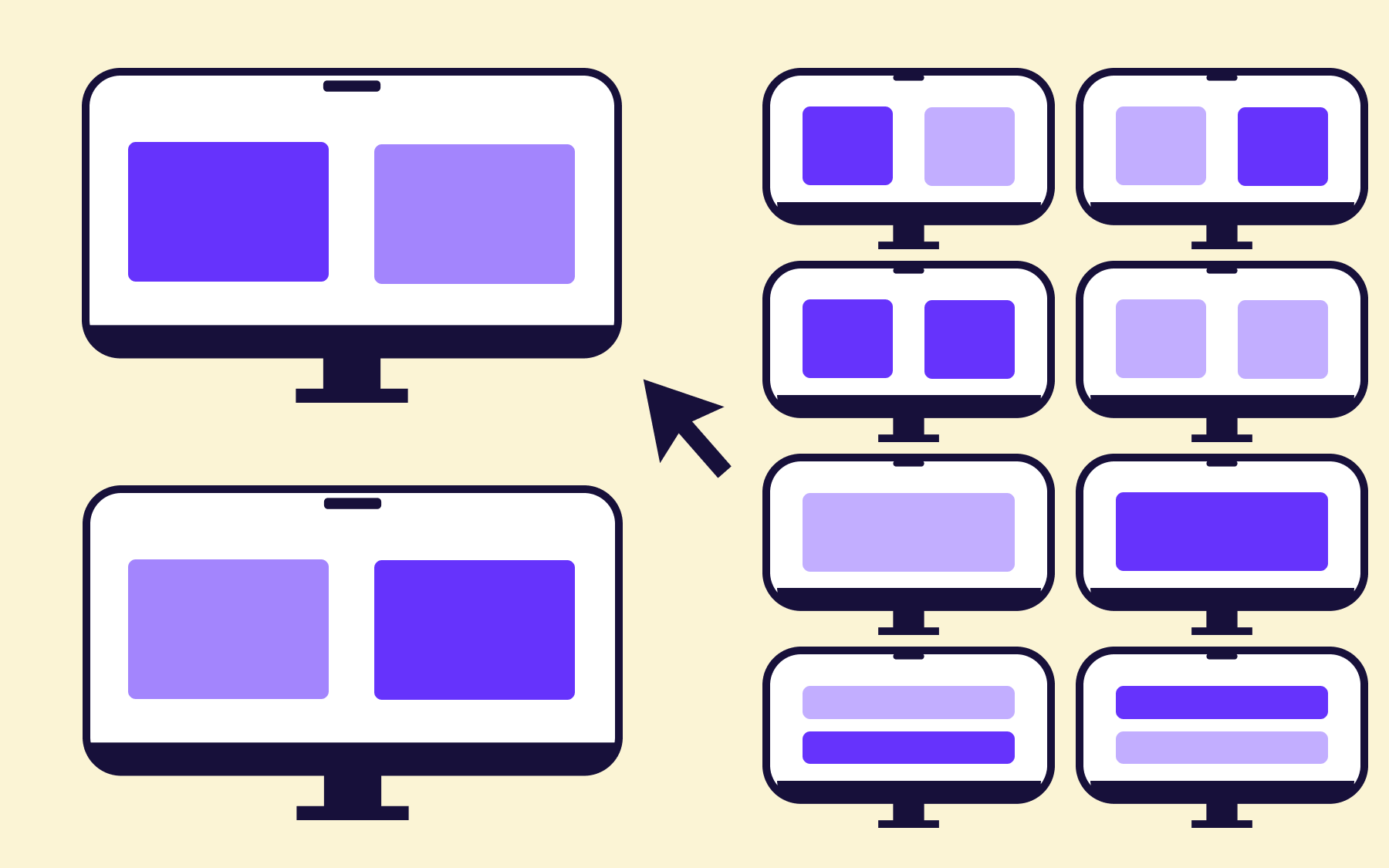
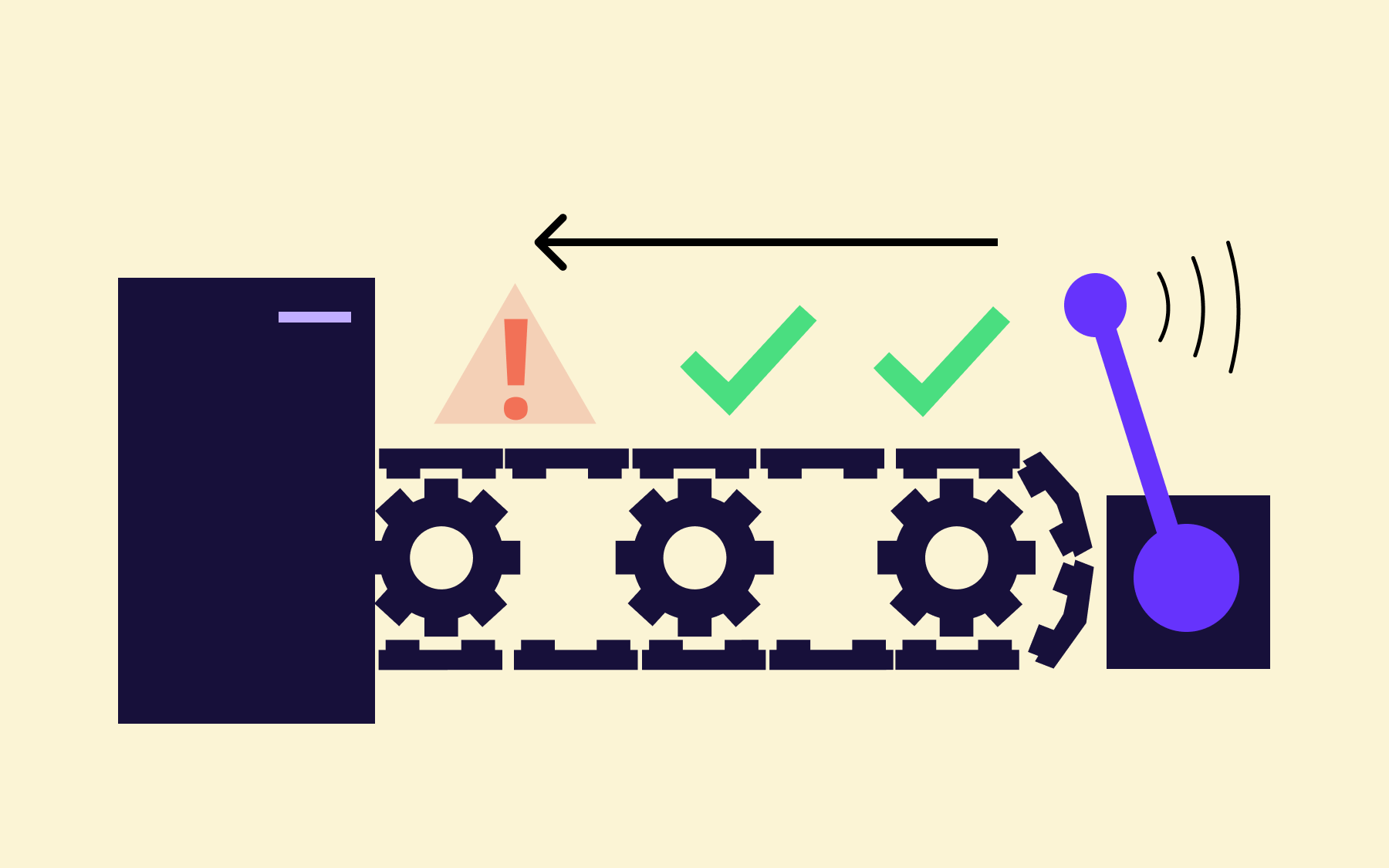
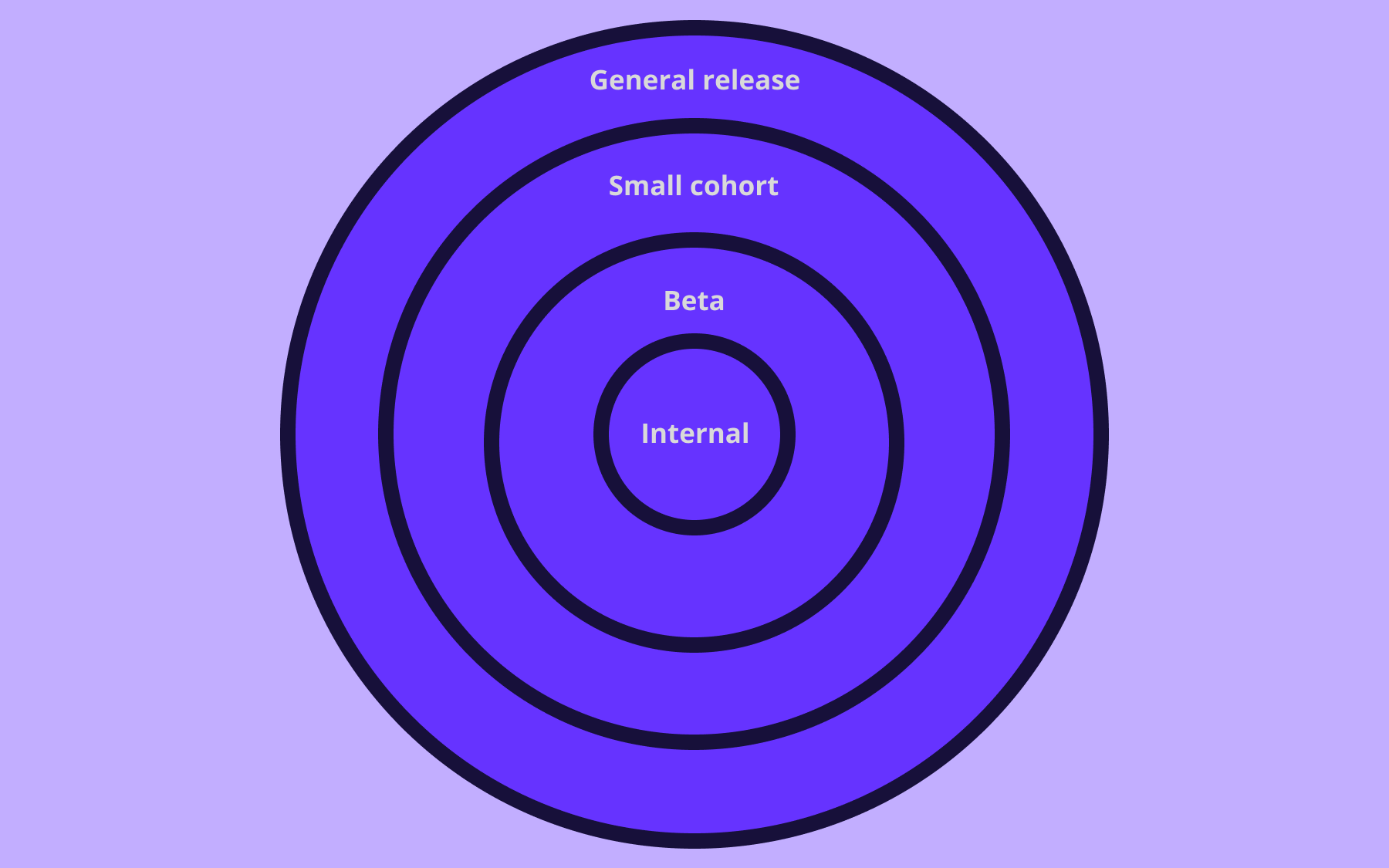
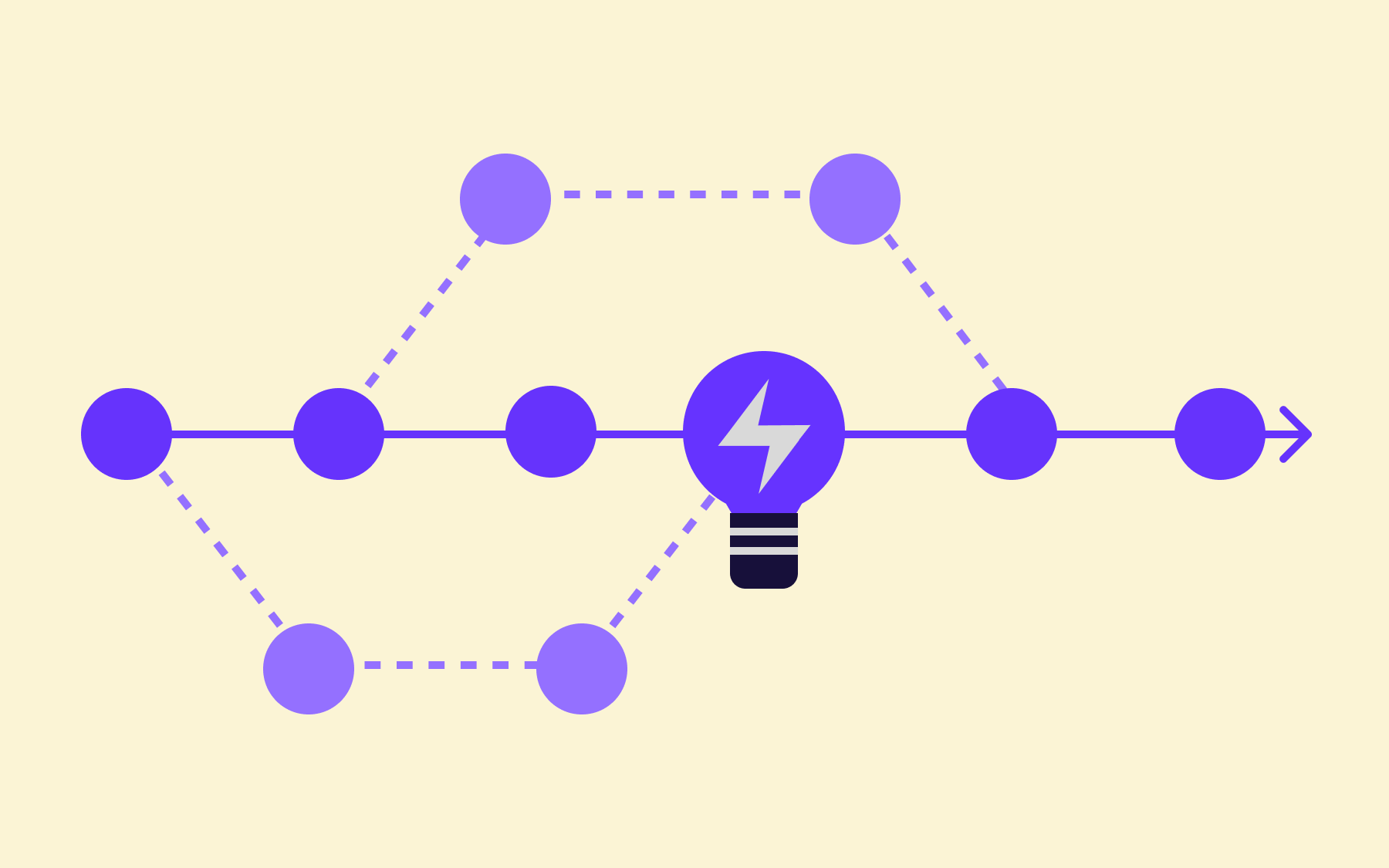
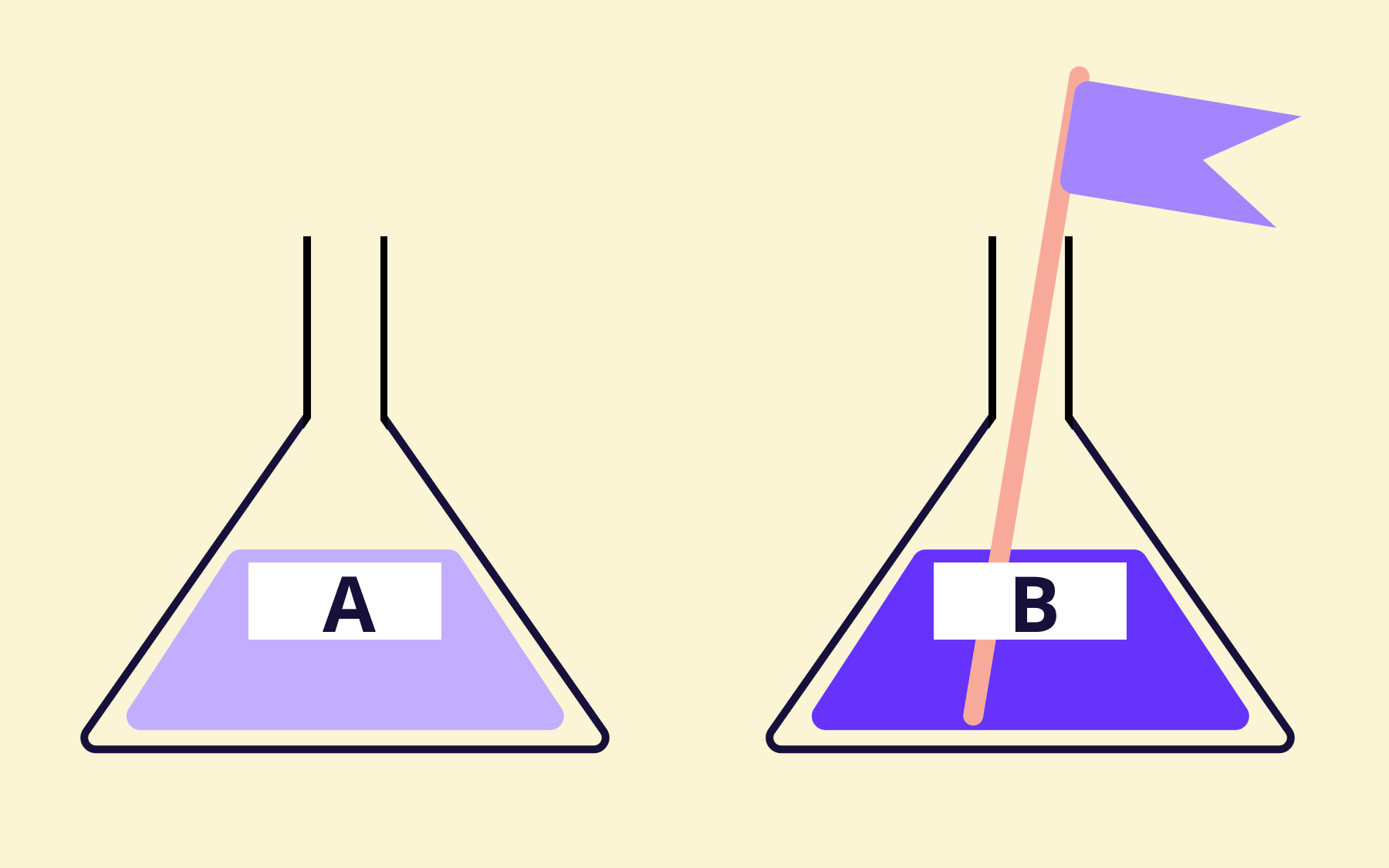
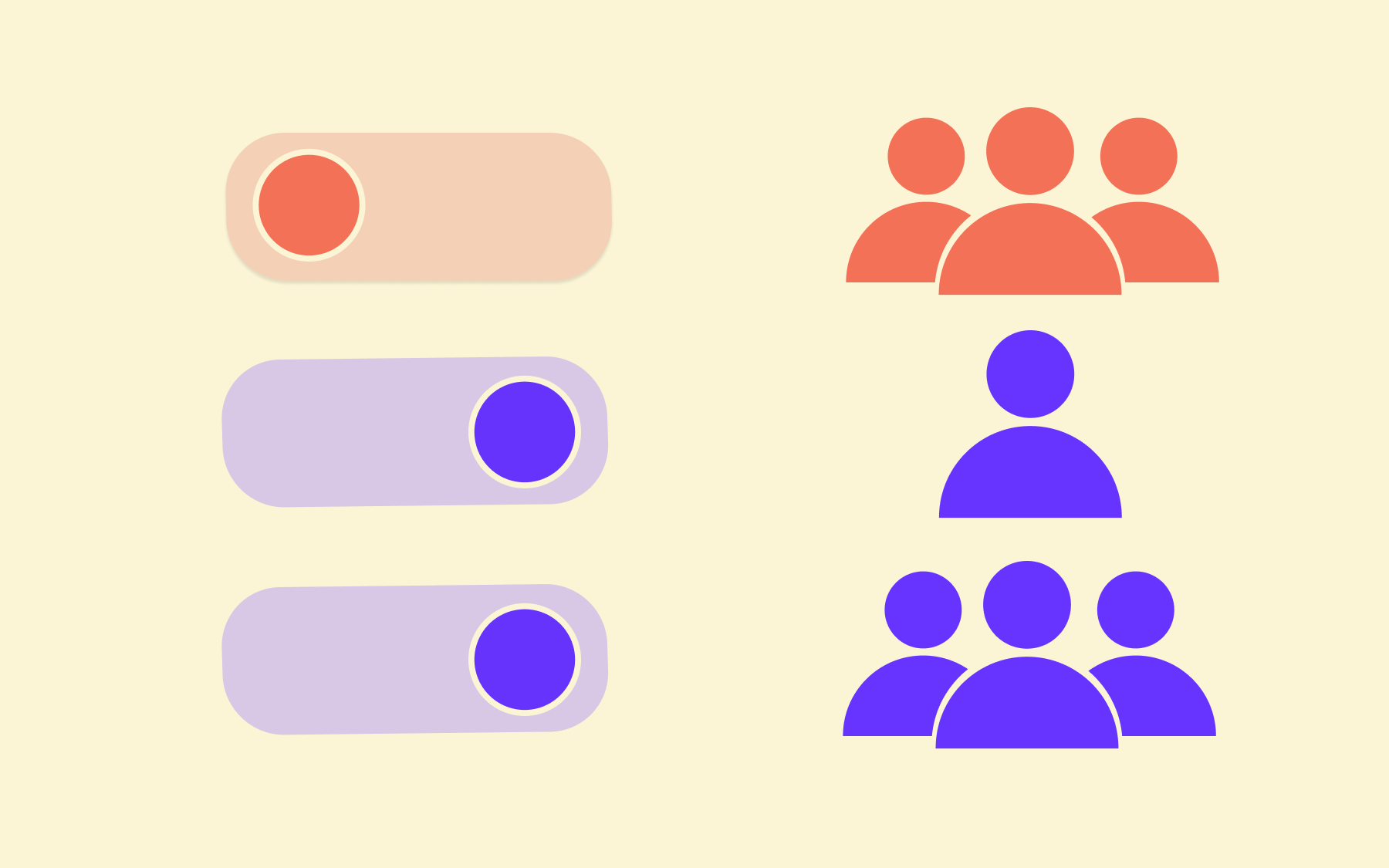
Feature flags, done properly, are what let you separate deployment from release. Code goes to production, but the feature doesn't reach users until you decide. You roll out to 1% of organisations, watch the metrics, catch the errors, roll back instantly—without a redeployment. You target by segment: Enterprise customers see one version, trial users another—a different experience for a specific geography.
The rollback capability isn't a nice-to-have; it's a precondition for shipping at all. That's what feature flags give you. And that's what OpenAI just paid $1.1 billion to own at scale.
The faster you can build, the more this matters
The reason engineering time was rationed so carefully was that building the wrong thing was expensive. A two-sprint investment in a feature that didn't move the needle was painful. PMs filtered hard. Scarcity forced discipline.
If that scarcity diminishes, if the cost of building falls, you might think the need for that discipline falls too. It doesn't. It intensifies. When you can build and ship faster than you can learn whether you should have, the tooling to validate quickly, roll back safely, and run clean experiments becomes more valuable, not less.
Feature management isn't a slower-speed problem. It's a higher-speed problem.
What this means if you're building with Flagsmith
We created Flagsmith because we believe the gap between "we shipped" and "we learned" is where products are won and lost. The ability to manage releases with precision—to target, to test, to roll back, to observe—has never been optional for teams that care about what they ship. That's truer now than it's ever been.
If your team is moving faster because of AI, the question is whether your release infrastructure is keeping pace. Shipping fast without the ability to control, observe, and reverse is exposure.
OpenAI paid $1.1 billion to close that gap for themselves. The infrastructure they bought is the same infrastructure Flagsmith provides: feature flags, experimentation, real-time decisioning, safe rollouts. You don't need a billion-dollar acquisition to build that way.
AI changed how you build. Now change how you ship with Flagsmith; open source feature flag management that keeps you in control and your releases data-driven. You can get started for free.








































OpenTelemetry, without the vendor lock-in: Introducing full observability for Open Source and Self-Hosted Flagsmith customers