Continuous Integration vs. Continuous Deployment: What's the Real Difference?

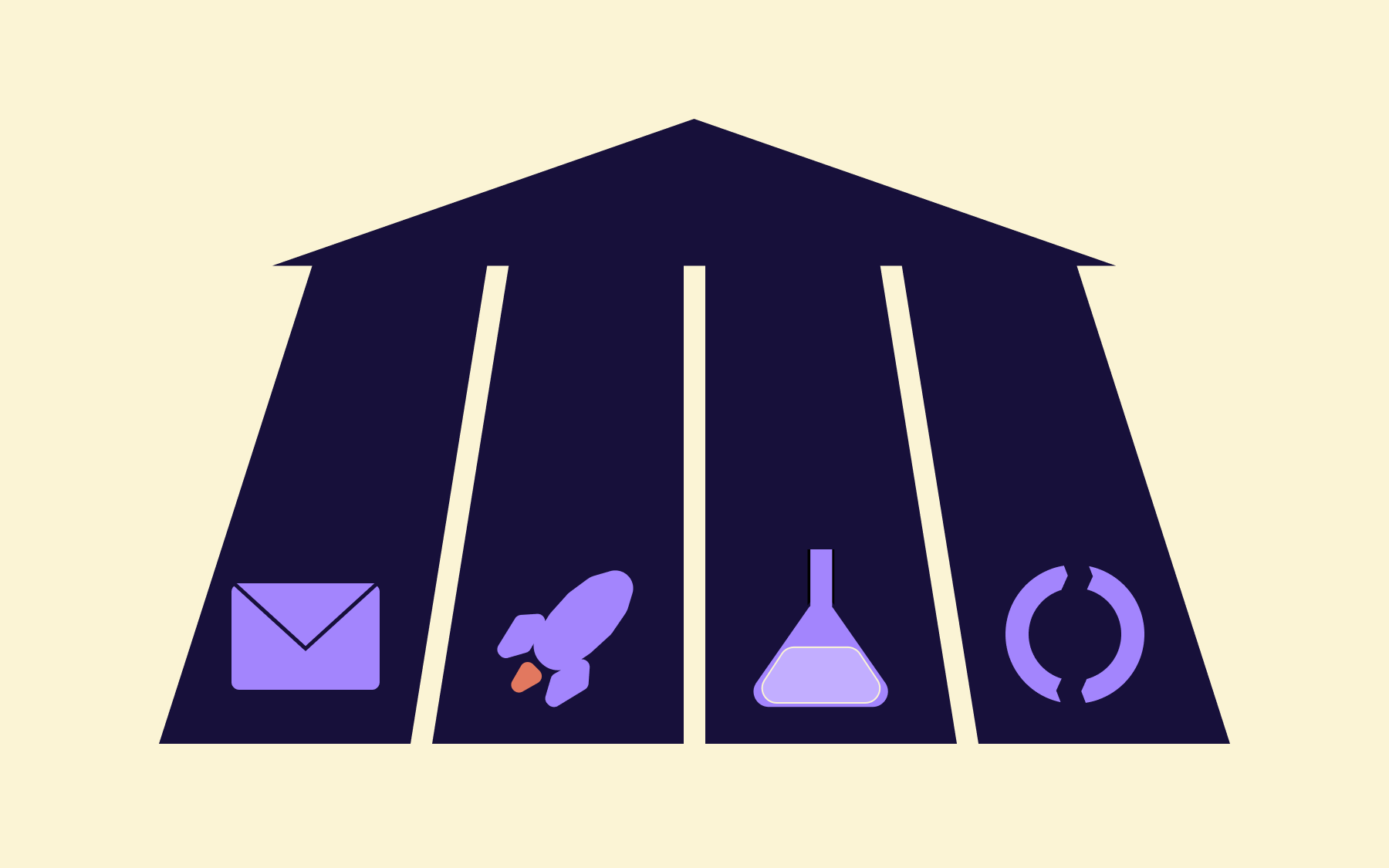
CI vs. CD seems like a simple comparison, as they're distinct possible parts of a software engineering lifecycle, and then "CD" turns out to mean two different things depending on who's talking.
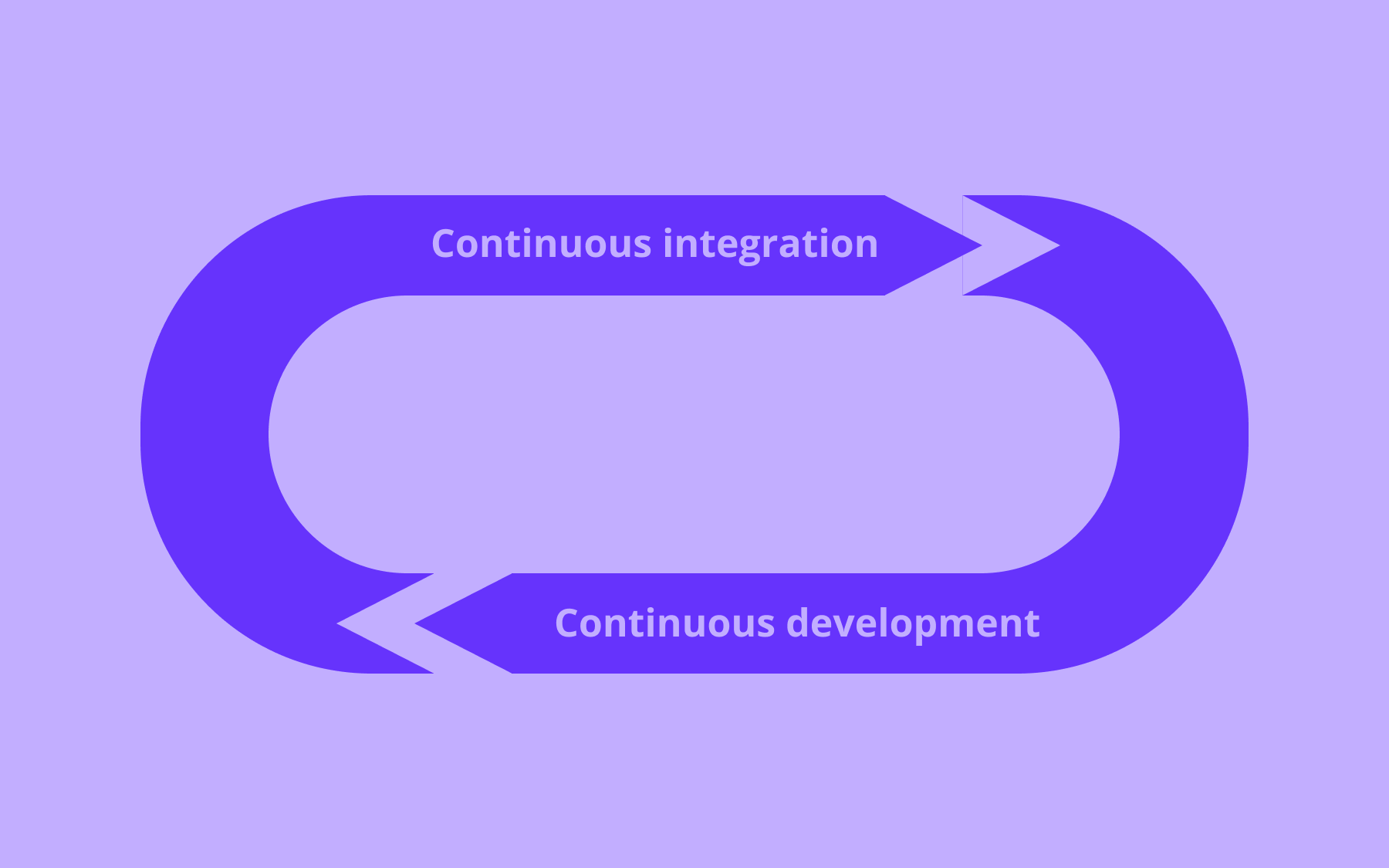
Continuous integration (CI) is about merging and validating code changes. Continuous deployment (CD) is about what happens to those changes once they're validated, and it's easy to mix it up with its close relative, continuous delivery. They're often combined into CI/CD as they are so closely interlinked.
Add continuous testing into the mix, and you've got four terms that often get used in the same sentence, despite describing genuinely different points in the path from a code change to something a user sees.
This guide defines each term, comparing continuous integration and continuous deployment directly, then widening out to show how continuous delivery and continuous testing fit alongside them.
From there, it covers how to work out what your team actually needs next, the common mistakes teams make when moving from CI toward CD, and how feature flags help you get much of continuous deployment's speed without giving up delivery-style control over releases.
What is continuous integration?
Continuous integration is the practice of merging code changes from multiple developers into a shared repository on a regular basis, usually several times a day, with an automated build and test suite running against every change.
Rather than each developer working in isolation for days or weeks before merging, small changes go in continuously, and a continuous integration server catches integration issues while they're still small and easy to fix.
A typical CI process includes unit tests that check individual pieces of code in isolation, plus integration tests that confirm those pieces still work together correctly.
If a change fails, the build breaks immediately and the developer who merged the code that caused it gets rapid feedback, rather than finding out weeks later that their change conflicts with someone else's.
This tight feedback loop is what makes CI valuable, even for teams that have no plans to automate anything past it.
What is continuous deployment?
Continuous deployment takes automation a step further: every code change that passes the automated test suite gets deployed to the production environment automatically, with no human approving the release.
There's no separate "ship it" decision. If the tests are green, the change goes live.
That's a meaningfully bigger leap of trust than continuous integration, and it's often confused with continuous delivery, which has all the same characteristics of continuous deployment except the final automatic step.
Delivery proves a change is ready to ship at any time, while deployment actually ships it, automatically, every time. Knowing the difference is a step towards having an effective CI/CD pipeline.
Continuous integration vs. continuous deployment: the key differences
CI and CD sit at different points in the same CI/CD process, and conflating them causes real confusion about what's actually automated and what still needs manual input.
- Continuous integration is scoped to the build and testing process: it answers whether a change is safe to merge.
- Continuous deployment is scoped to the entire process of getting a validated change in front of users: it answers whether a change should be live right now, and then acts on that answer without waiting for anyone to weigh in.
CI produces a validated build. Continuous deployment produces a live production release as its default behaviour rather than as an occasional event.
Teams practising CI without any deployment automation may still only release on a schedule, while teams running continuous deployment can ship changes to production automatically, dozens of times a day if their pipeline supports it.
Deployment frequency is one of the clearest signals of how much friction a team has actually removed from its release process.
A team that only needs continuous integration hasn't failed to reach some higher tier, and a team running full continuous deployment isn't automatically ahead of one that still ships behind a manual gate.
What is important is whether the practice a team has chosen matches what its test coverage and monitoring can actually support, given its appetite for risk.
Continuous integration vs. continuous deployment vs. continuous delivery vs. continuous testing
Continuous delivery and continuous testing add further confusion.
Where continuous delivery fits in the process
Continuous delivery sits between continuous integration and continuous deployment.
Every change gets built and tested, and stays deployable at any moment, exactly as continuous deployment requires.
The difference is the last step: a person decides when a given change actually ships, usually by approving a release through a manual approval process. Think of continuous deployment as continuous delivery with that final human checkpoint removed.
Every team practising continuous deployment is, by definition, also practising continuous delivery. Not every team practising continuous delivery wants to go further.
Where continuous testing fits in the process
There is no real comparison between continuous integration vs. continuous testing, as the two aren't competing practices so much as different scopes of the same idea: continuous testing is what runs throughout the entire pipeline rather than sitting at a single gate.
It includes the unit and integration tests that run during CI, but it also covers broader checks: end-to-end tests, tests that run against staging and production environments, and ongoing monitoring that keeps testing a release even after it's live.
Continuous testing is what makes it possible to remove the manual approval step. Without a testing process that genuinely covers what a human reviewer would have caught, continuous deployment isn't automation; it's a gap in your safety net that happens to work most of the time.
CI vs. CD: how to decide what your team needs next
Each step depends on the one before it actually working, and continuous deployment specifically depends on having enough automated testing and monitoring in place that removing the manual gate doesn't just mean removing your last line of defence.
A reasonable sequence looks like this:
- Get CI solid first. Reliable automated tests, a fast build, and an effective testing process are the foundation everything else depends on. If your test suite is slow or flaky, nothing built on top of it will be trustworthy.
- Move to delivery once you trust the pipeline. Confidence in your test suite, plus staging environments that genuinely resemble production, make every change deployable on demand, even if a human still decides when it actually goes.
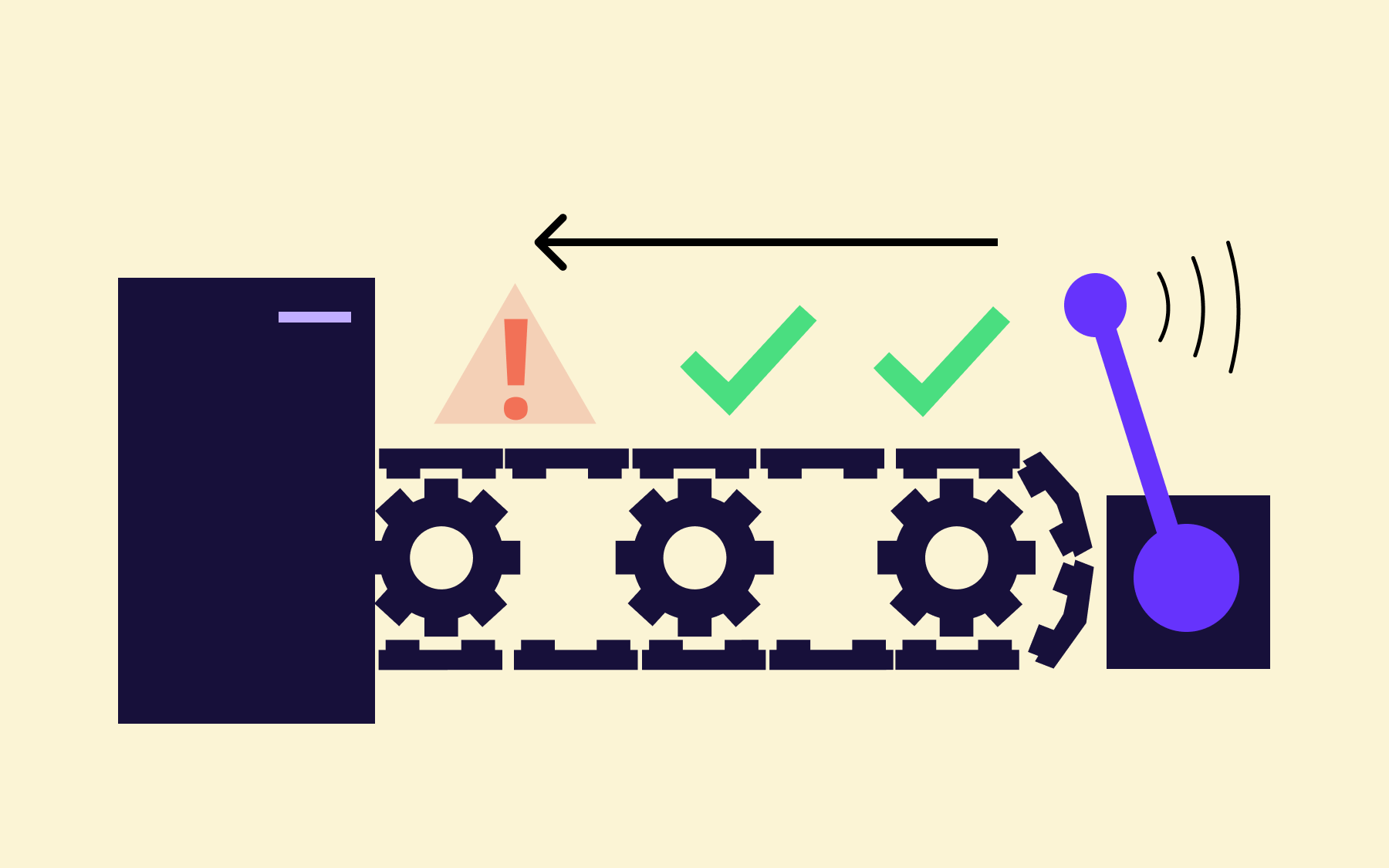
- Only move to deployment once monitoring and rollback are real. Continuous deployment depends on knowing within minutes if a change caused a problem, and on being able to reverse it quickly. Without that, you've automated the risk along with the release process.
Continuous deployment doesn't automatically equal the better outcome for every team. Plenty of well-run engineering teams deliberately stay at continuous delivery, sticking to a manual approval process because it doubles as a documented sign-off for compliance purposes, or because the cost of a bad release in their domain is high enough that a human checkpoint is worth the extra friction.
Our CI/CD implementation guide covers the practical steps for building a working pipeline.
How feature flags bridge the gap between continuous delivery and continuous deployment
Most of the tension between continuous delivery and continuous deployment comes down to one question: do you trust your automated pipeline enough to let it make the release decision unattended?
Feature flags make that question easier to answer by separating deploying code from releasing it to users.
With code wrapped in a flag, you can deploy continuously in the technical sense: every change that passes your tests reaches the production environment right away. What it does once it's there is a separate decision, controlled by the flag rather than by whether the deployment happened.
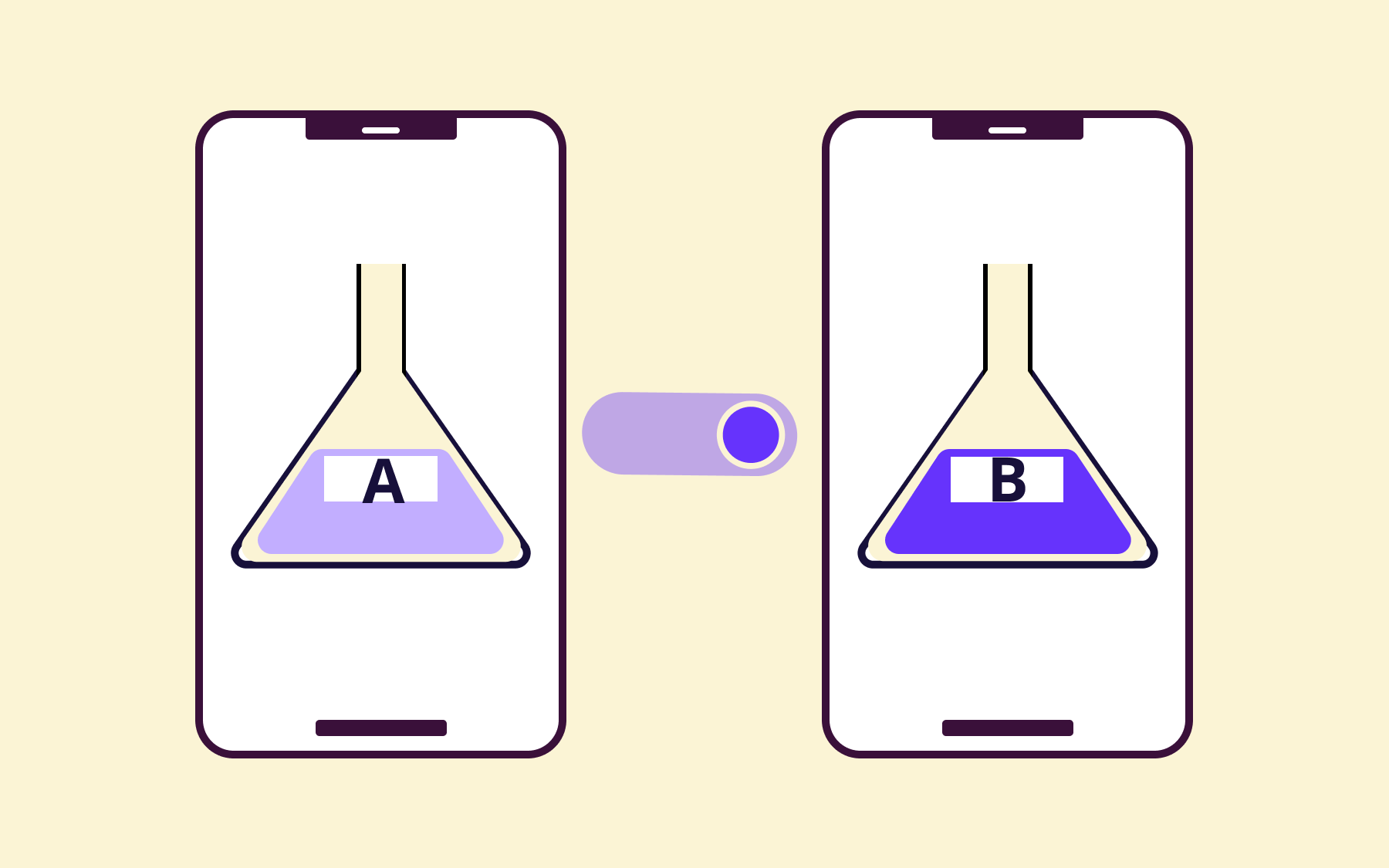
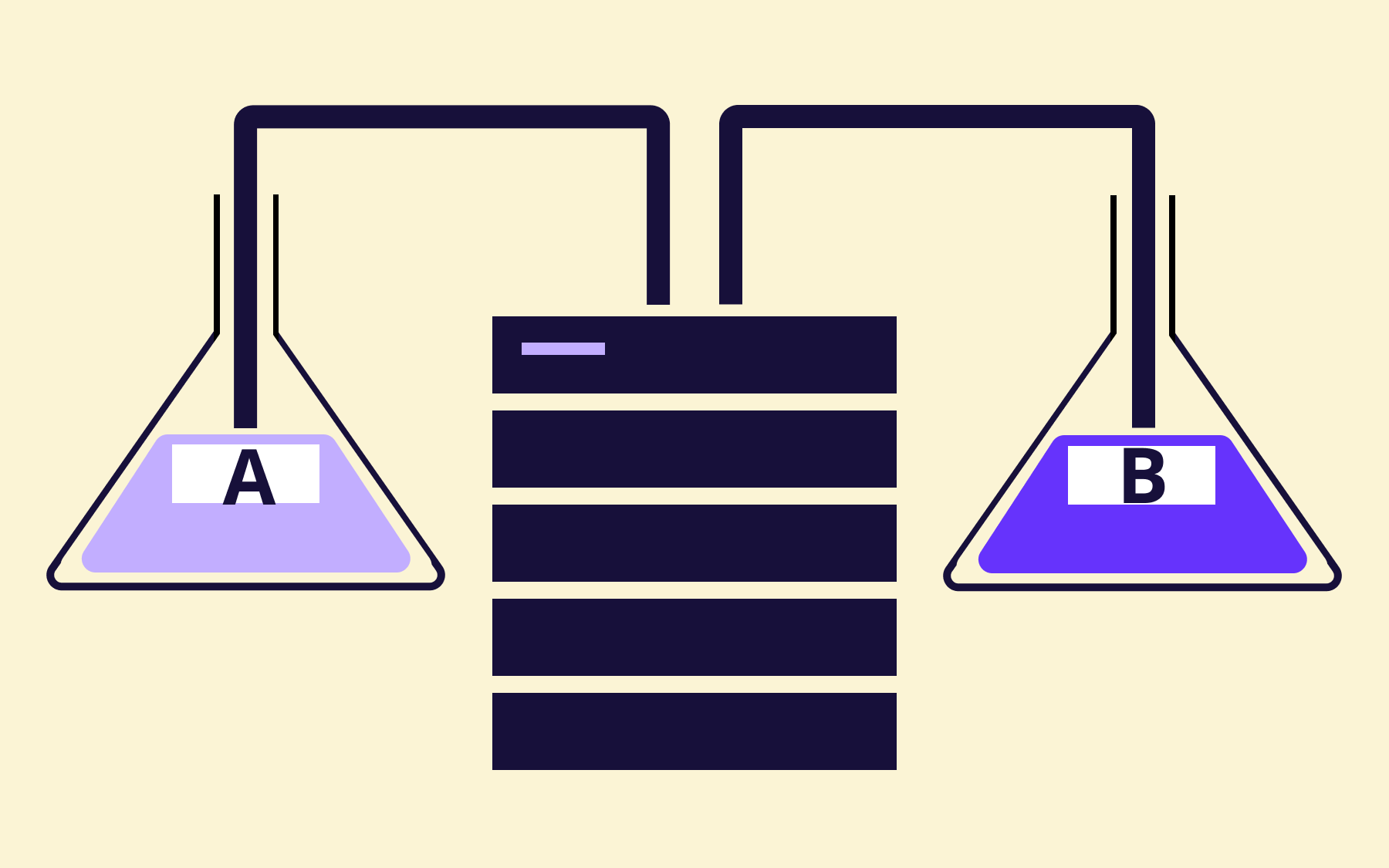
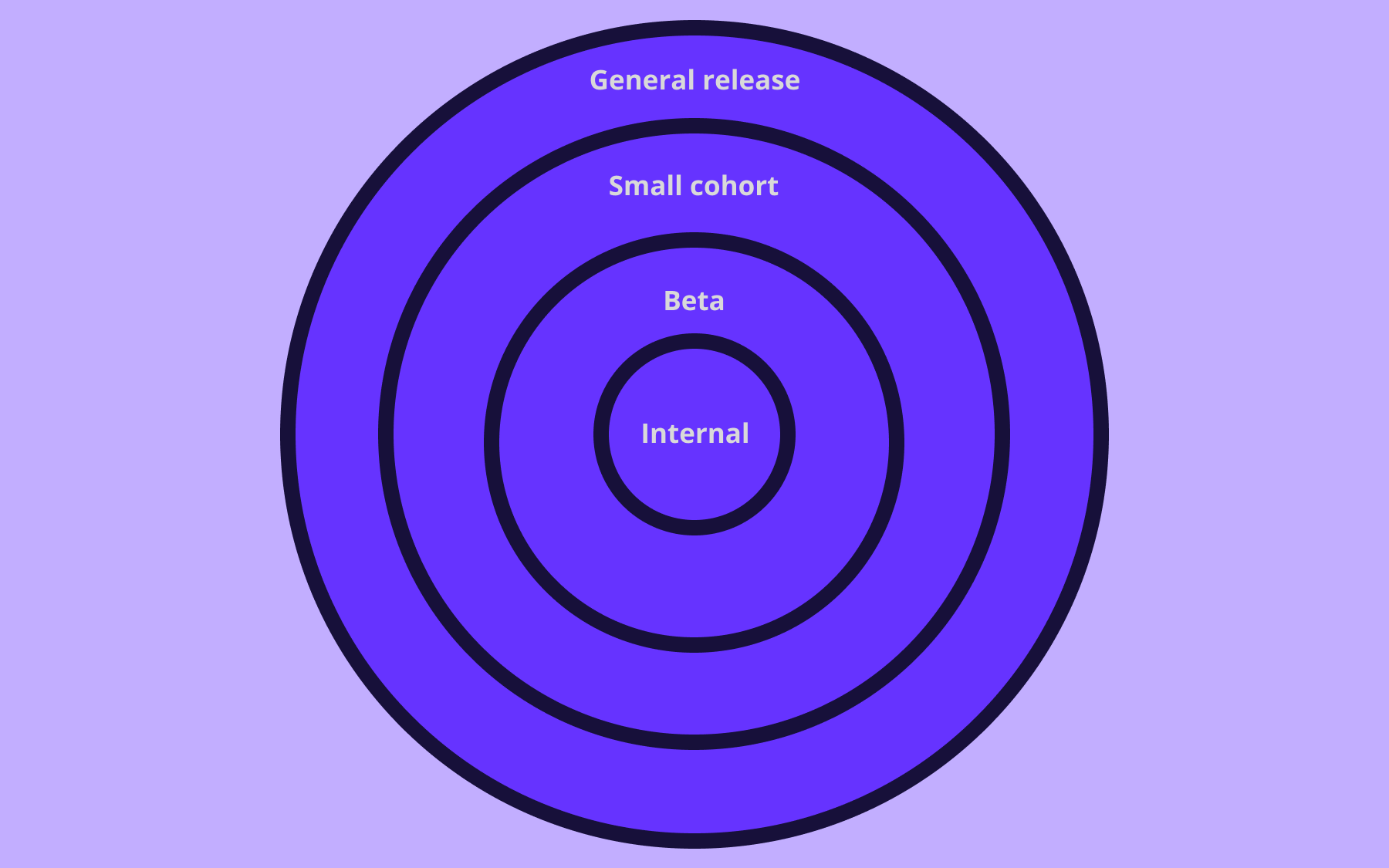
The result is a middle path between full continuous deployment and a manual approval process for every release. You could, for example, run a staged rollout with feature flags: release a change to a small percentage of users first, watch your monitoring, and widen it once you've got real evidence it's behaving, rather than betting the whole user base on a single automated decision.
Flagsmith's Feature Health integrates with your monitoring stack and flags a feature as unhealthy the moment an alert fires against it, which gives that rollout process the same fast-feedback quality that makes CI valuable in the first place.
A feature flag controls application-level logic, but doesn't replace automated tests or monitor your infrastructure for you. On its own, it isn't a substitute for the practice of continuous testing.
However, teams, especially regulated or compliance-conscious teams, get an auditable alternative to a manual approval step: every flag change lands in Flagsmith's audit log, so a rollout that happened automatically still leaves a clear record of what changed, when, and for whom, without necessarily slowing deployment frequency down to get it.
Common mistakes when moving from CI to CD
Here are a few errors it's easy to make if your team moves too fast to be fully supported by its practices and processes:
- Automating the release before the test suite earns it. A green build only means what your tests actually check. Moving to continuous deployment on top of thin test coverage doesn't remove risk; it just removes the human who used to catch what the tests missed.
- Treating delivery and deployment as the same thing internally. When a team calls both practices "CD" without distinguishing them, nobody's quite sure whether a release still needs sign-off, which causes real confusion about who's accountable for what reaches users.
- Assuming a CI build that passes checks is ready for an automatic release. Continuous testing needs to extend into staging and production environments, not stop at the unit and integration tests that run during CI, or you're deploying on the strength of a test suite that was never checking the full picture.
- Removing a manual approval step without replacing it with anything. If that step existed for compliance or governance reasons, cutting it needs an equivalent auditable control in its place, not just faster releases and hope.
Don't automate a decision before the practice underneath it is ready to support it. However, slowing deployment frequency back down rarely fixes that. Closing the gap in testing, monitoring, or governance that made the automation risky in the first place is the best action to take.
Conclusion
Continuous integration, continuous delivery, continuous deployment, and continuous testing describe different points in the same journey, not competing philosophies or a strict ladder every team has to climb to the top of.
- CI validates a change.
- Delivery proves it's ready to ship.
- Deployment ships it automatically.
- Testing is what makes all three of those trustworthy enough to rely on.
Which combination is right for your team depends on your test coverage and monitoring, weighed against how much a bad release would actually cost you, not on which practice sounds the most advanced.
If you want to see how feature flags can get you much of continuous deployment's speed while keeping delivery-style control over what your users actually see, sign up for Flagsmith and try it against your own pipeline.
Continuous integration vs. continuous deployment FAQs
Can you have continuous deployment without continuous delivery?
No, not in any practical sense. Continuous deployment requires that every change is already provable as deployable at any time, which is what continuous delivery establishes. Deployment is delivery with the final manual checkpoint removed, rather than a separate practice built from scratch.
Does continuous integration require continuous deployment?
No. Continuous integration is valuable on its own merit, and plenty of teams run a mature CI process with a manual, infrequent release cycle on top of it. Adopting CI doesn't commit you to automating anything past the merge and test stage.
What's a good first step if a team only has continuous integration today?
Focus on strengthening the test suite and building out realistic staging environments before touching the release process itself. That's what continuous delivery depends on, and it's the honest prerequisite for continuous deployment later, rather than jumping straight to removing the manual approval step.













































OpenTelemetry, without the vendor lock-in: Introducing full observability for Open Source and Self-Hosted Flagsmith customers